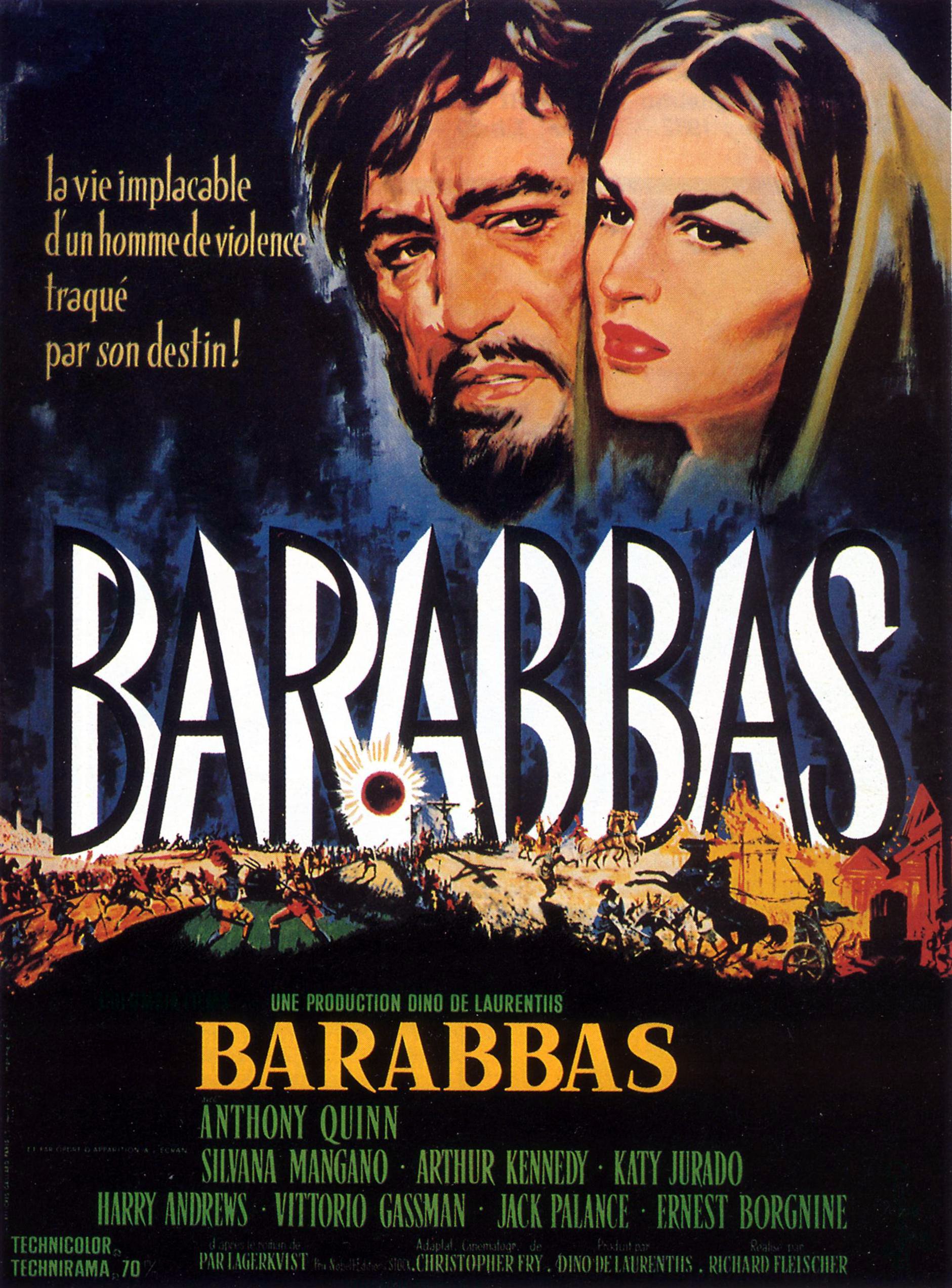
Barabbas (1962)

In times of great upheaval during Passover in early-first-century Jerusalem, the fifth governor of the Roman province of Judaea, Pontius Pilate, finds himself before a pressing dilemma. As part of a tradition, the indecisive ruler offers the agitated crowd the choice to have either Jesus of Nazareth or the murderer, Barabbas, released from Roman custody; but, instead, the people demand the release of the thief. Now, as Jesus takes Barabbas' place on the cross, an inhumane act of punishment paves the way for an arduous spiritual journey of faith, leading Barabbas to Sicily's dark sulphur mines, and the blood-soaked soil of Emperor Nero's Coliseum. Will Jesus' sacrifice set Barabbas, the slave, free?
What happened to the man of violence in whose place Christ was crucified?
Barabbas: Darkness... I give myself up... into your keeping. It is... Barabbas.
Roccastrada, Grosseto, Tuscany, Italy
(Crucifixion and solar eclipse)
Arena di Verona, Verona, Veneto, Italy
(Amphitheatre)
Cinecitt? Studios, Cinecitt?, Rome, Lazio, Italy
(gladiator arena)
Grosseto, Tuscany, Italy
Tuscany, Italy
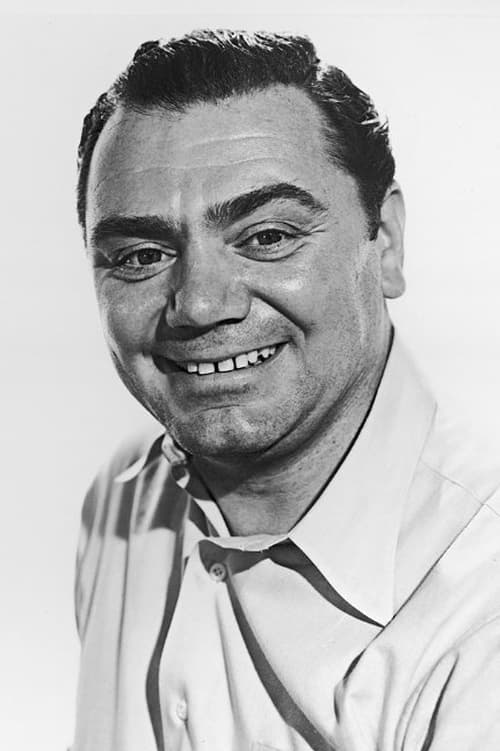
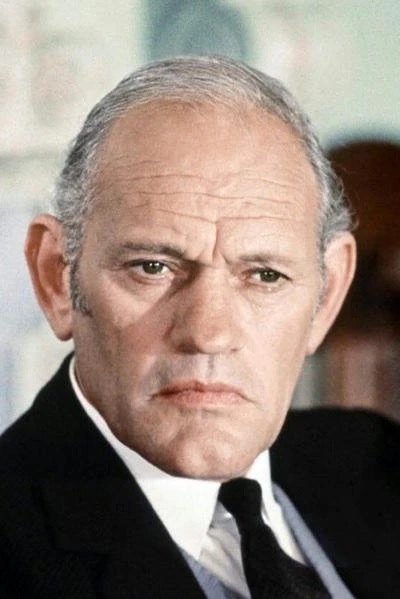
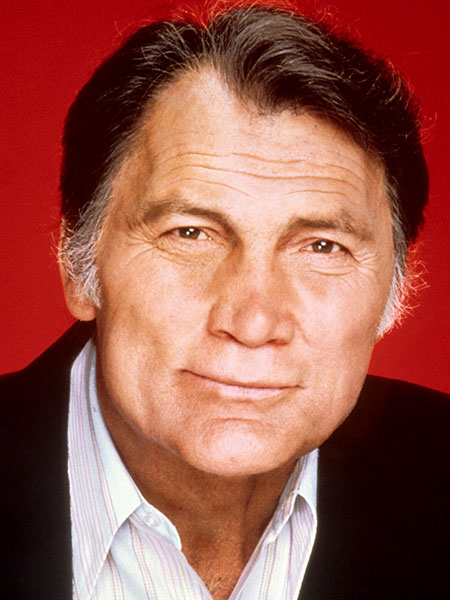
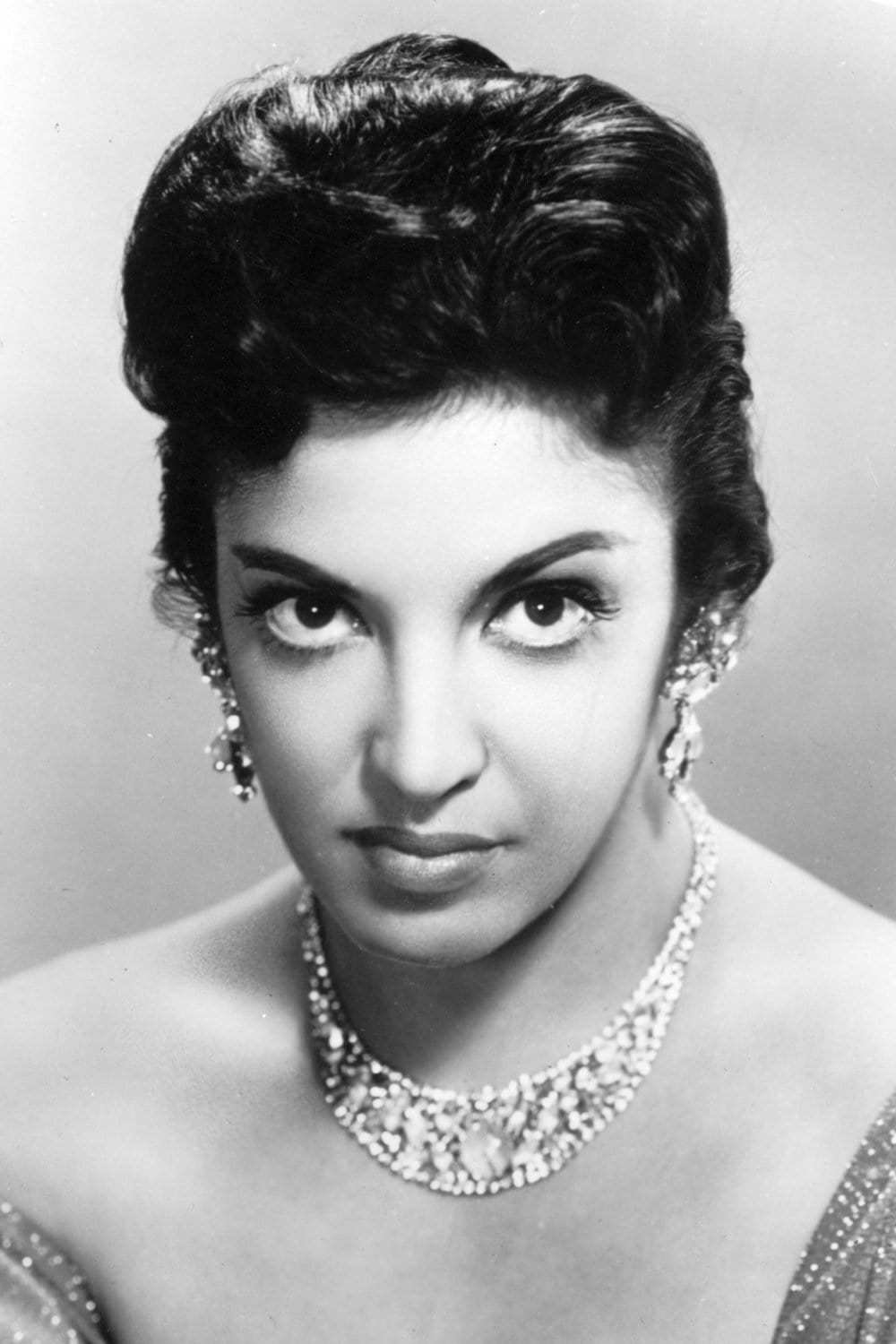
The solar eclipse that takes place during the crucifixion scene was the real thing, an event for which director Richard Fleischer delayed shooting in order to capture the ethereal nature of the phenomenon on 2/15/61.
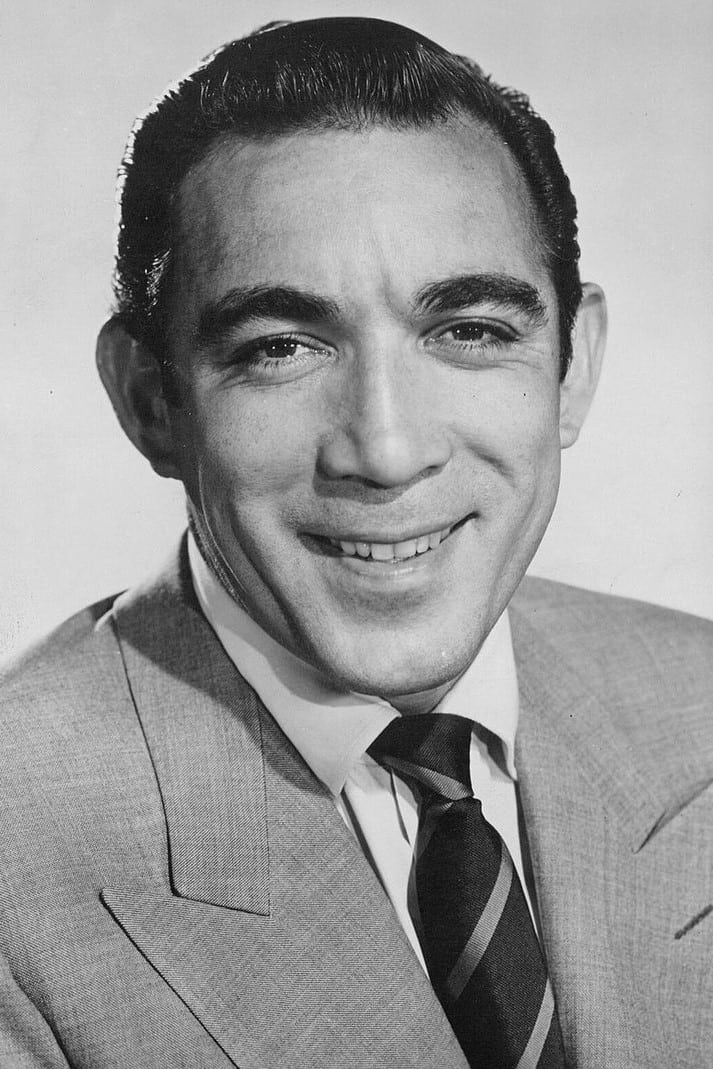
While on location in Italy Anthony Quinn met Jolanda Addolori, a costumer on the film. They began a romance, and she gave birth to two of his sons out of wedlock. In 1966, when she was pregnant with their third child, they married.
Anthony Quinn was appearing on Broadway in "Becket" (as King Henry II) when he was approached to appear in this film. Producer Dino De Laurentiis had to buy up his Broadway contract to secure his release from the play--something Quinn was anxious for him to do, as he greatly disliked his co-star, Laurence Olivier. After Quinn had departed, Olivier continued in the play, but took over Quinn's part instead of continuing in the title role.
Nero was played by 62-year-old Ivan Triesault, although the emperor died at 30.
Sharon Tate was an extra in the amphitheater scene.
Continuity
The gladiator that Torvald kills from the two-horse chariot remains on his back. The next shot, however, shows him on his chest.
Torvald never casts his net at his second victim. Instead, he tramples the man beneath his chariot. Yet when he returns to his starting point to prepare to face Barabbas, the net has vanished and he must be supplied with a new one before the action can begin again.
The knives on the wheels of Torvald's chariot appear and disappear.
When Barabbas is in an inn a man is standing by him playing a double pipe only no sound is coming out of them.
Sahak's hair style during his fight in the arena changes in the following scene, "backstage", when he is preaching to his fellow gladiators.
Factual errors
When Barabbas is sent to the sulfur mines, a guard chains him to another prisoner by hammering closed an iron link shaped like a 'C' with both ends of the 'C' glowing red-hot. The same technique is shown at least one other time. However, it's not the ends of the 'C'-shape that should be glowing red-hot in order to hammer the link closed, it is the middle, where it needs to bend. Cold iron is brittle and needs to be heated to bend or it will fracture.
The gladiators are fighting in an huge amphitheater, clearly intended to be the Colosseum, but since the action is taking place during the reign of Nero (St Peter is alive in Rome) the Colosseum will not be completed for at least another 15 years.
Anachronisms
During the gladiator scenes, the spectators are seen displaying "thumbs down" to have an opponent killed. In actuality, "thumbs down" signified "no" to let the person live, while " thumbs up" signified " yes" to let him die.
Plot holes
It is unexplained how Barabbas knew where to find the Christians in the catacombs.