Spartacus (1960)

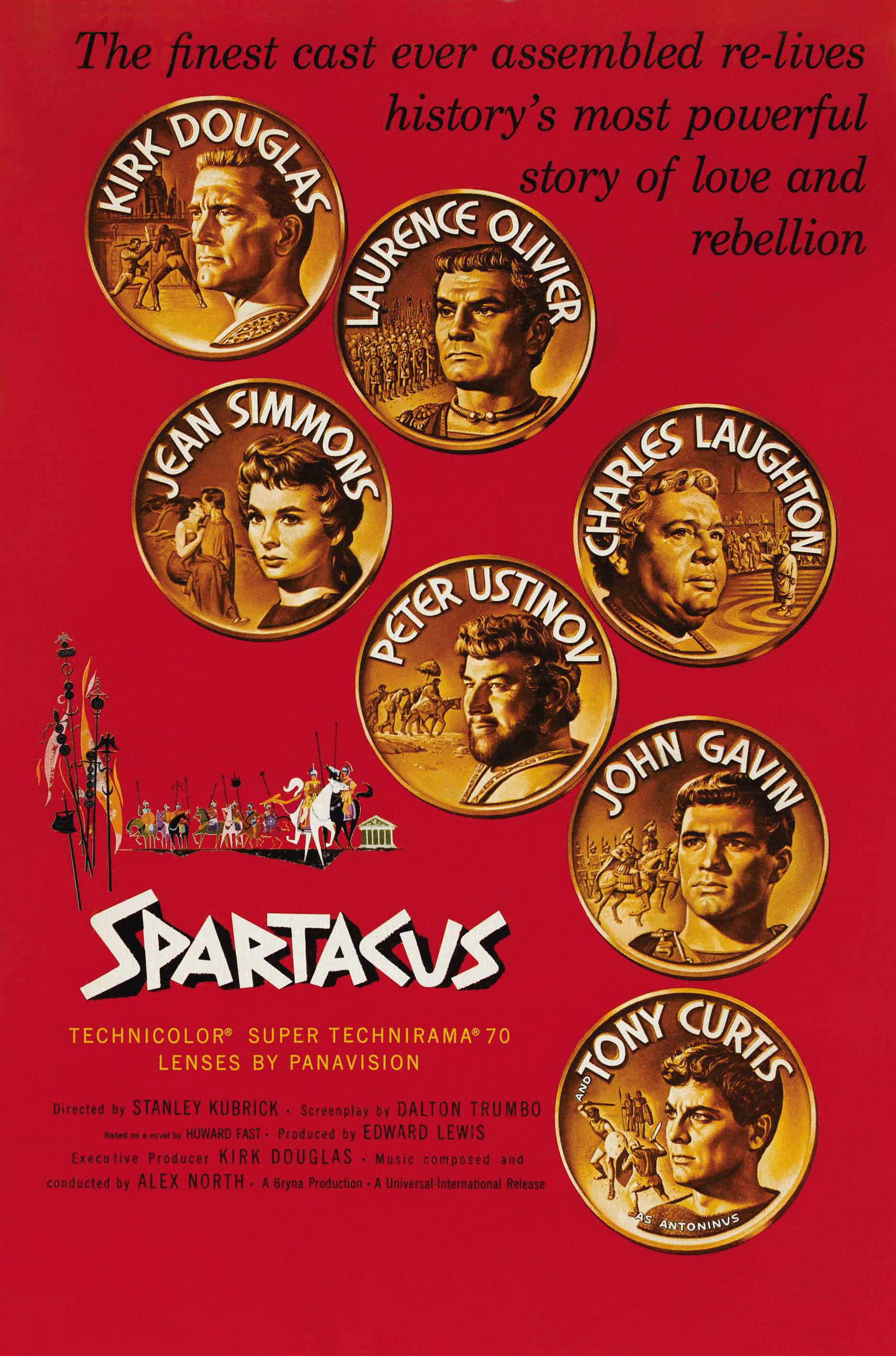
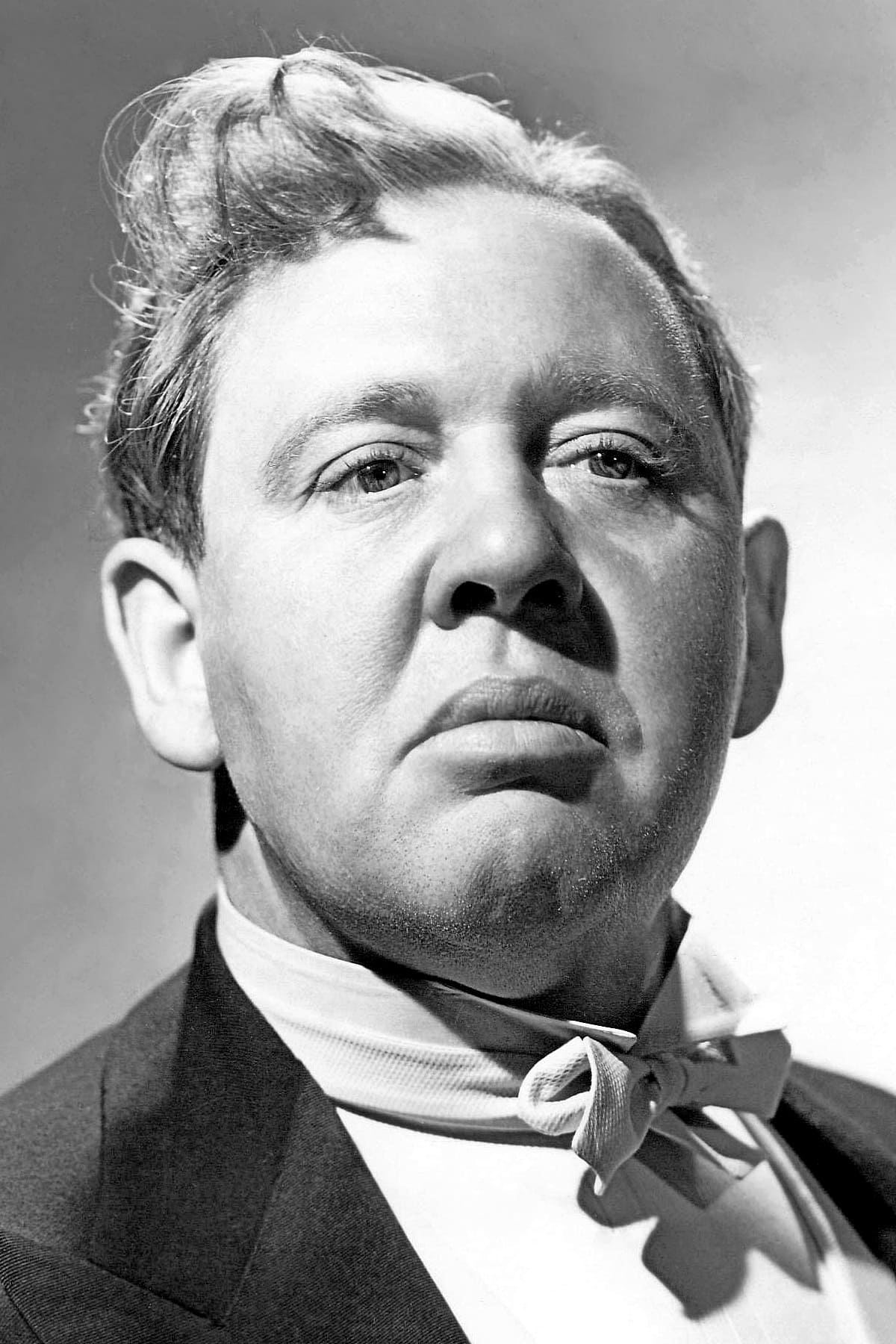
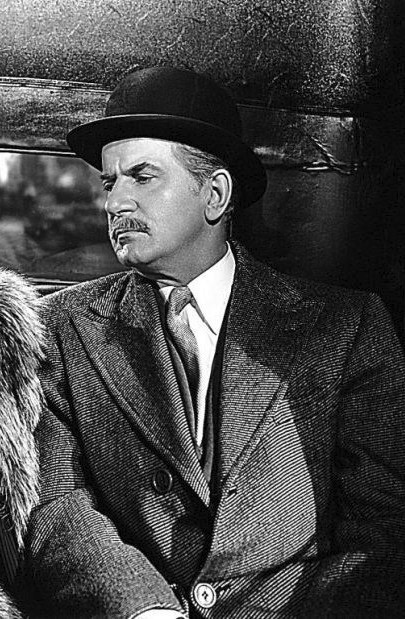
In 73 B.C., a Thracian slave leads a revolt at a gladiatorial school run by Lentulus Batiatus (Sir Peter Ustinov). The uprising soon spreads across the Italian Peninsula involving thousand of slaves. The plan is to acquire sufficient funds to acquire ships from Silesian pirates who could then transport them to other lands from Brandisium in the south. The Roman Senator Gracchus (Charles Laughton) schemes to have Marcus Publius Glabrus (John Dall), Commander of the garrison of Rome, lead an army against the slaves who are living on Vesuvius. When Glabrus is defeated his mentor, Senator and General Marcus Licinius Crassus (Sir Laurence Olivier) is greatly embarrassed and leads his own army against the slaves. Spartacus and the thousands of freed slaves successfully make their way to Brandisium only to find that the Silesians have abandoned them. They then turn north and must face the might of Rome.
Electrifying Excitement!
Antoninus: Are you afraid to die, Spartacus?
Spartacus: No more than I was to be born.
Hearst Castle, San Simeon, California, USA
(Crassus' villa)
Colmenar Viejo, Madrid, Spain
Alcal? de Henares, Madrid, Spain
Iri?pal, Guadalajara, Castilla-La Mancha, Spain
Navacerrada, Madrid, Spain

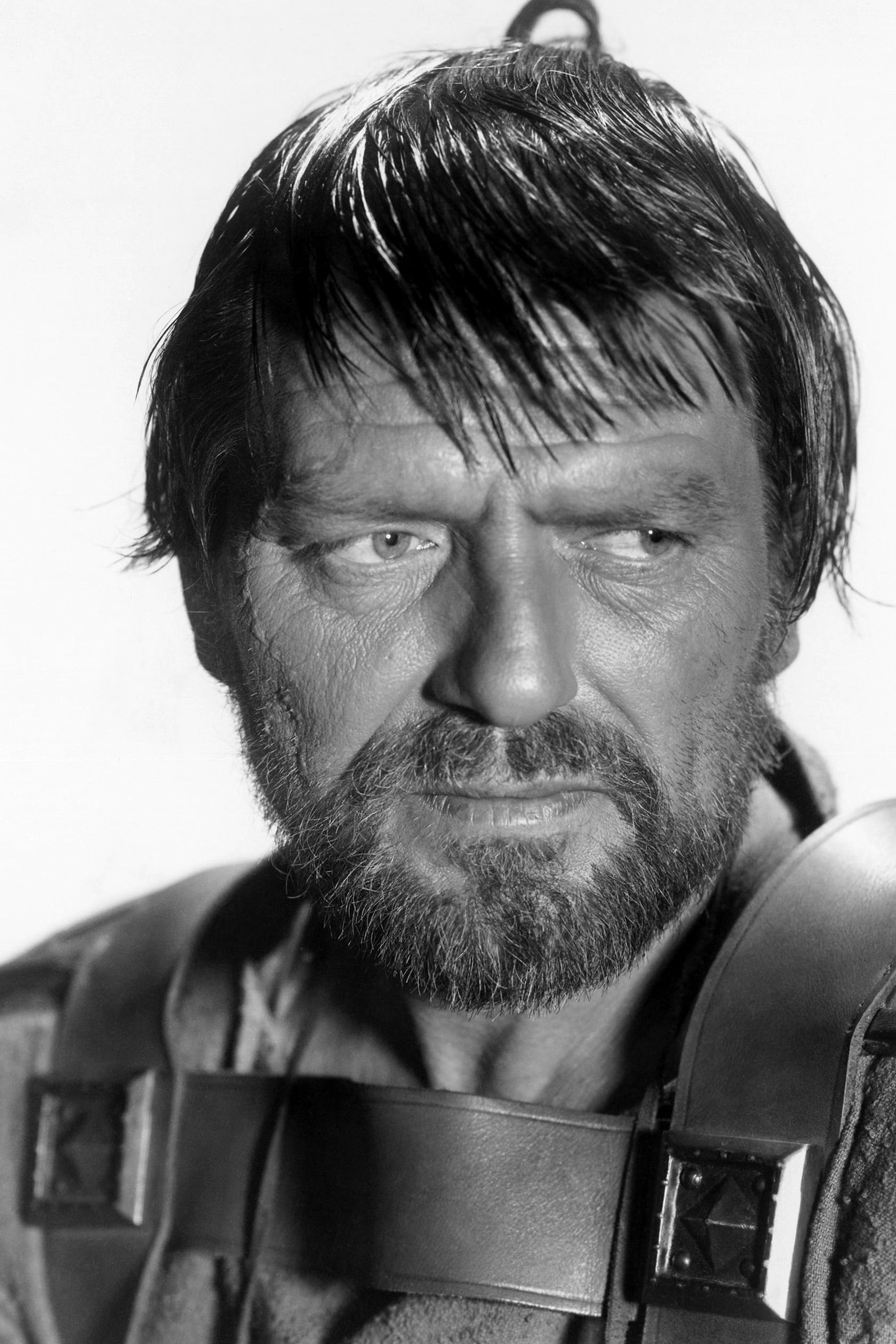
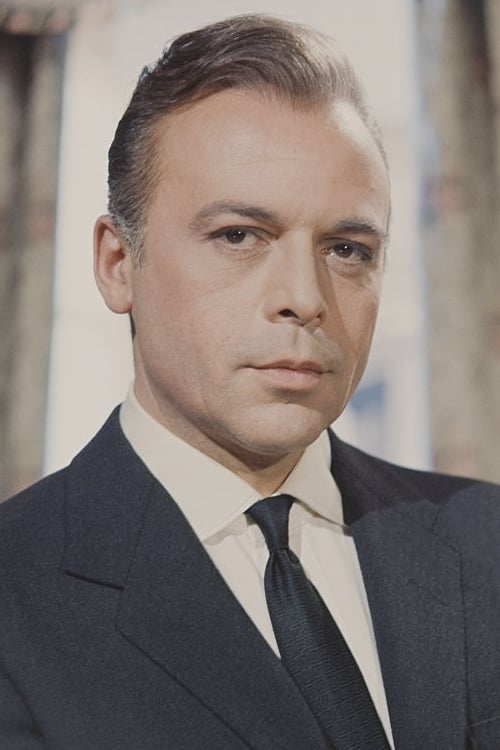
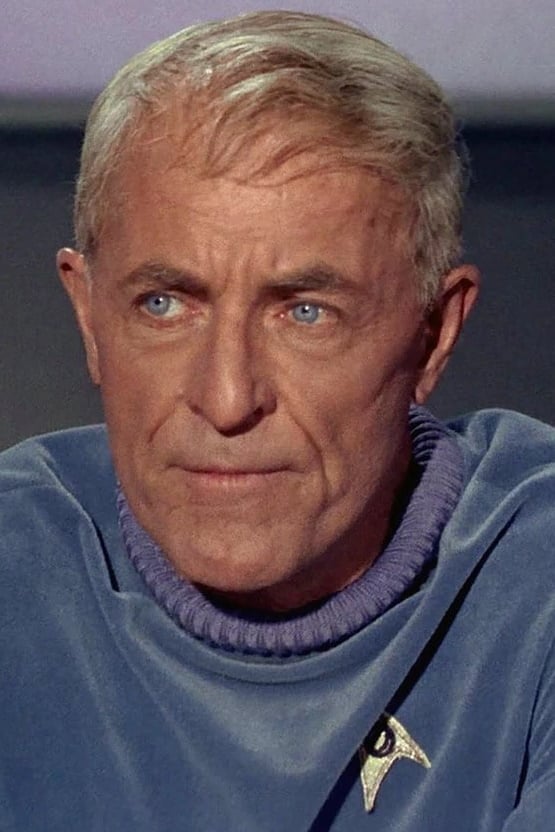
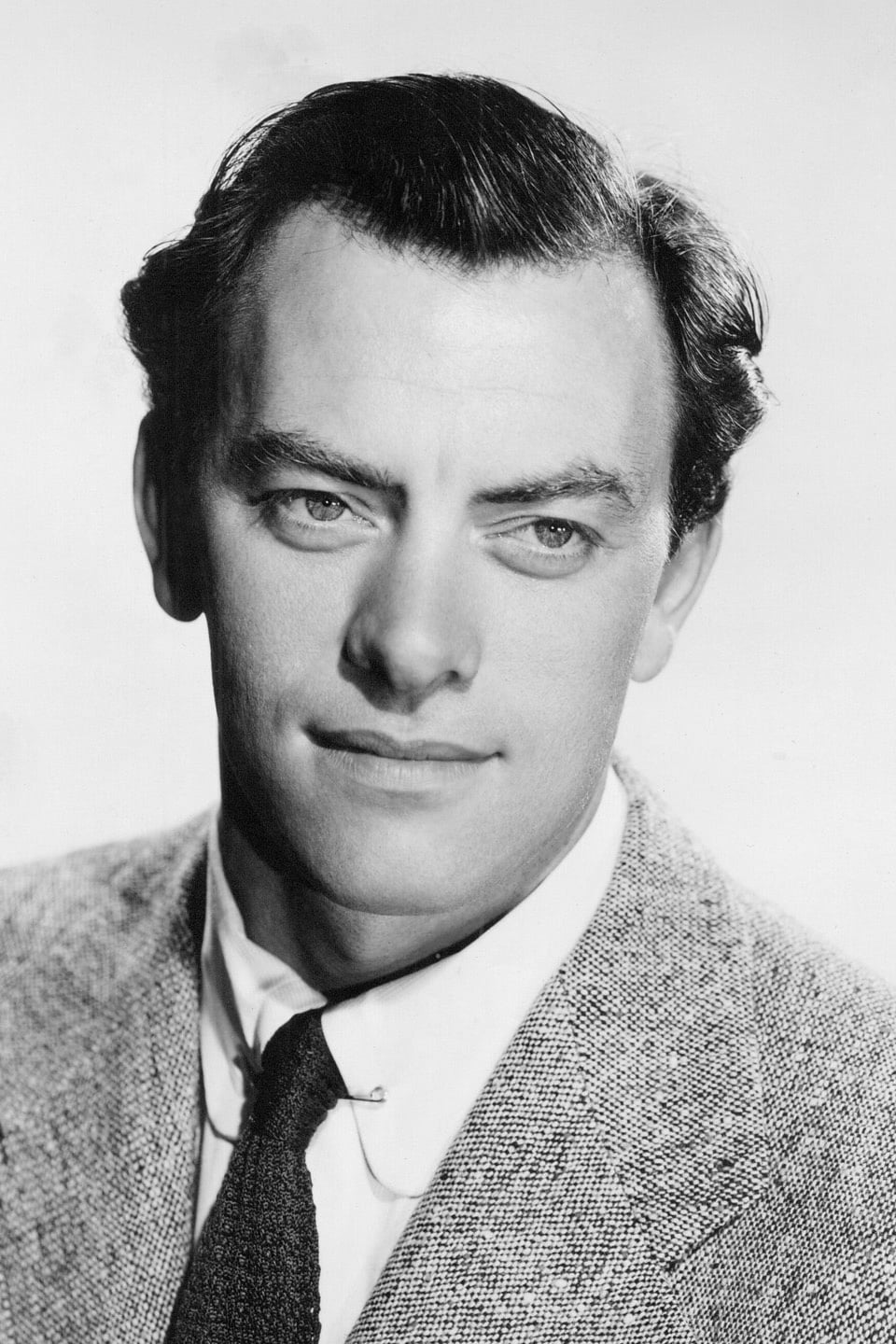
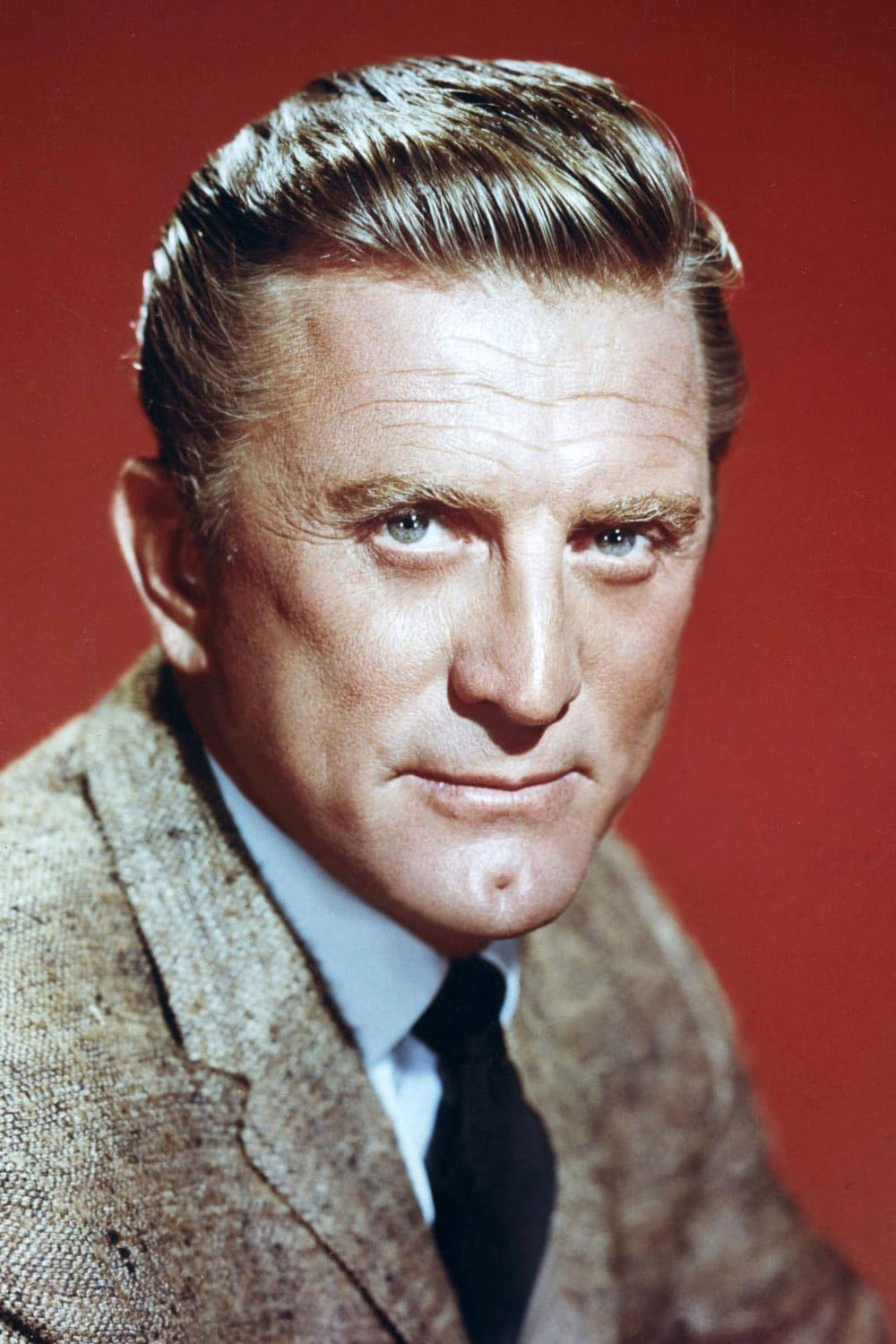
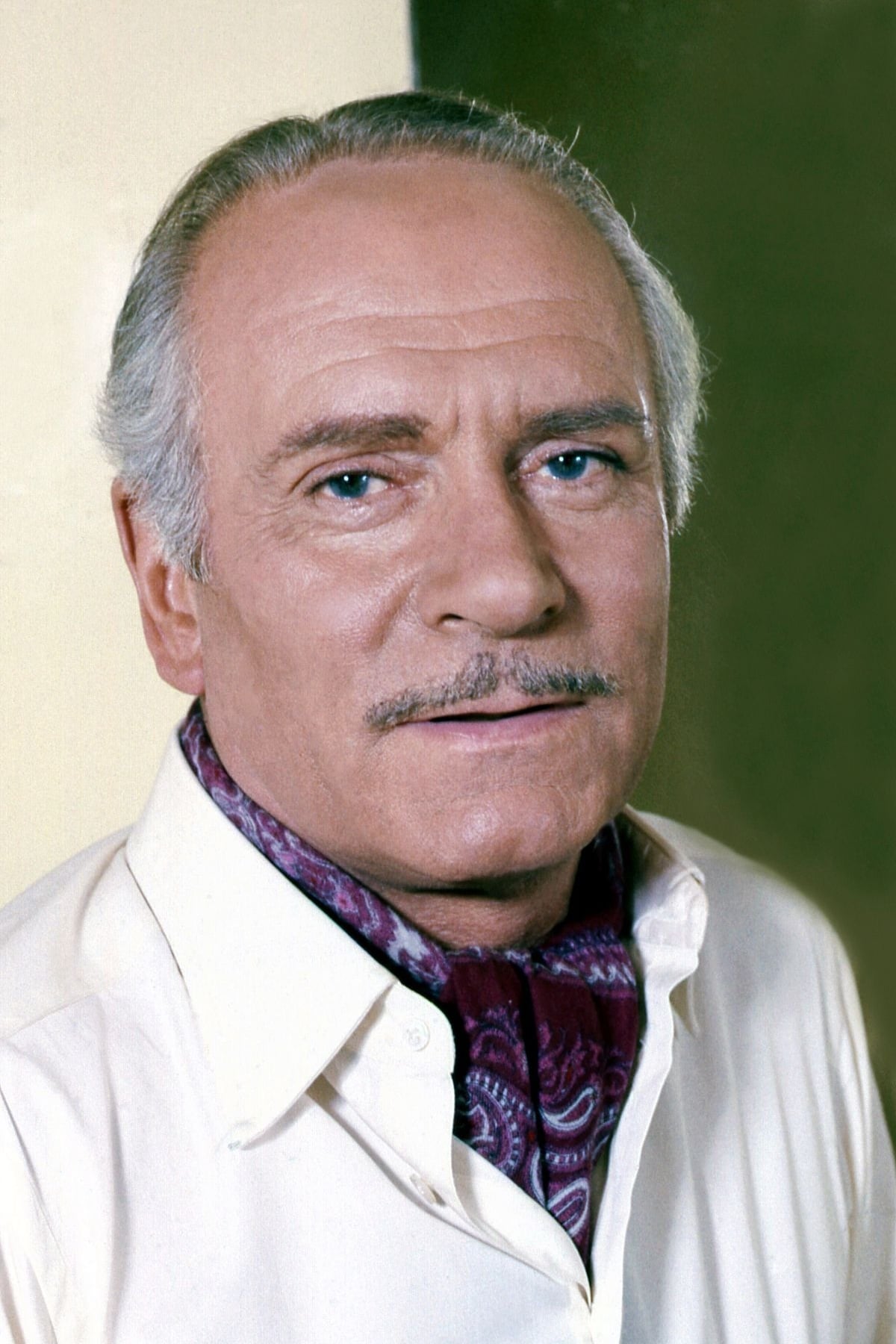
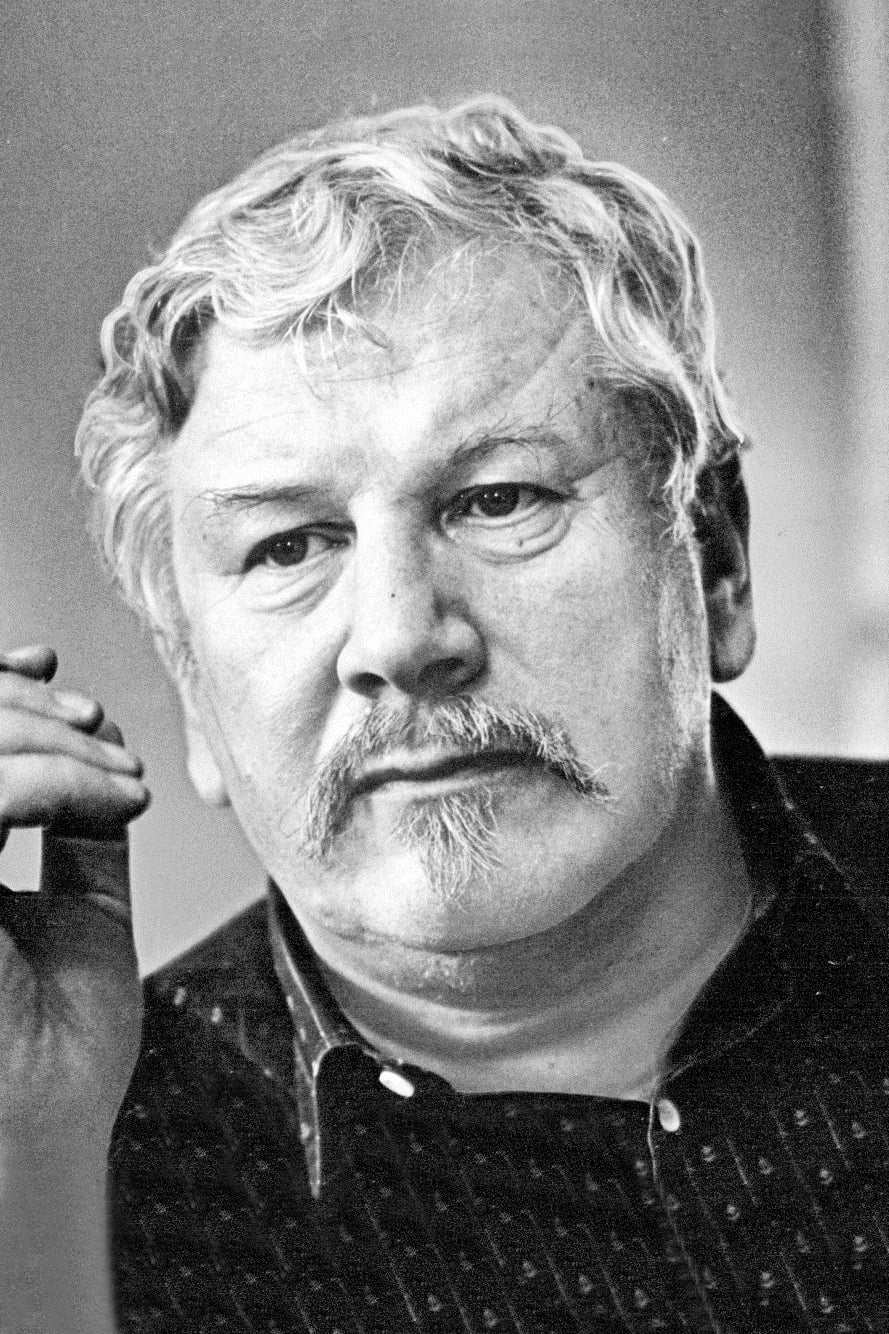
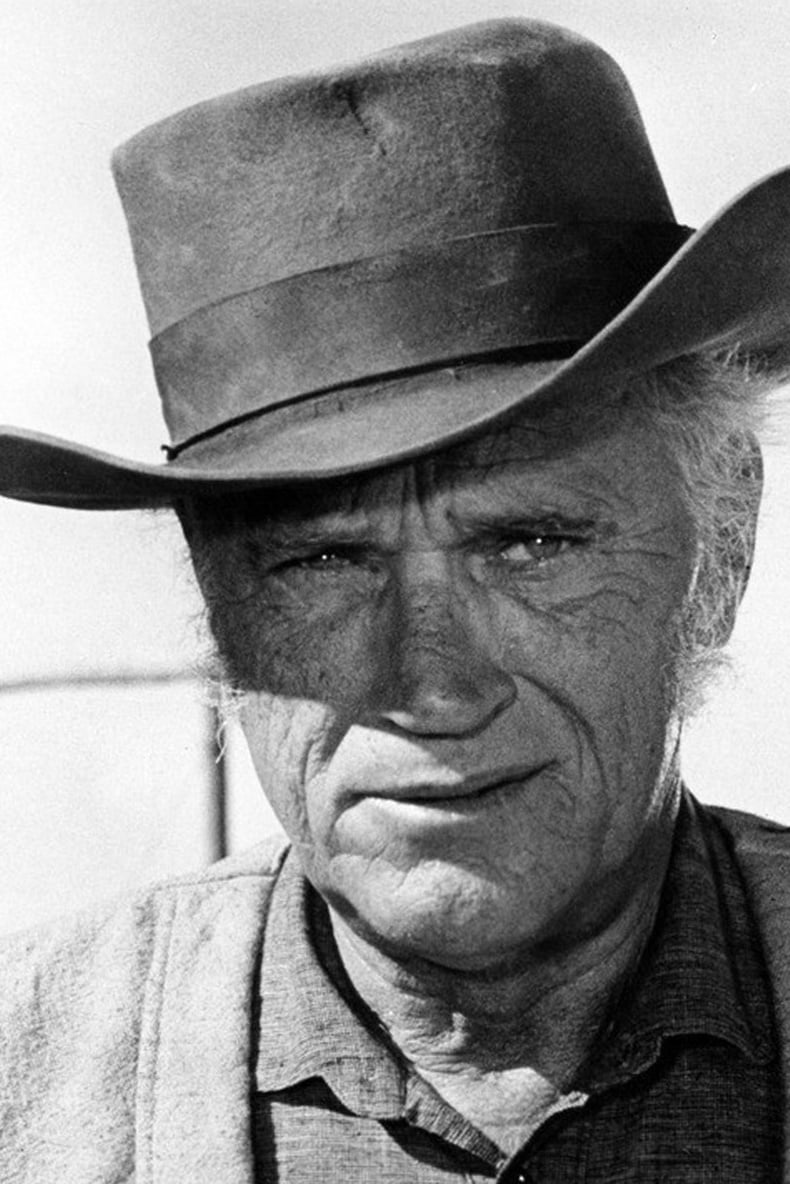
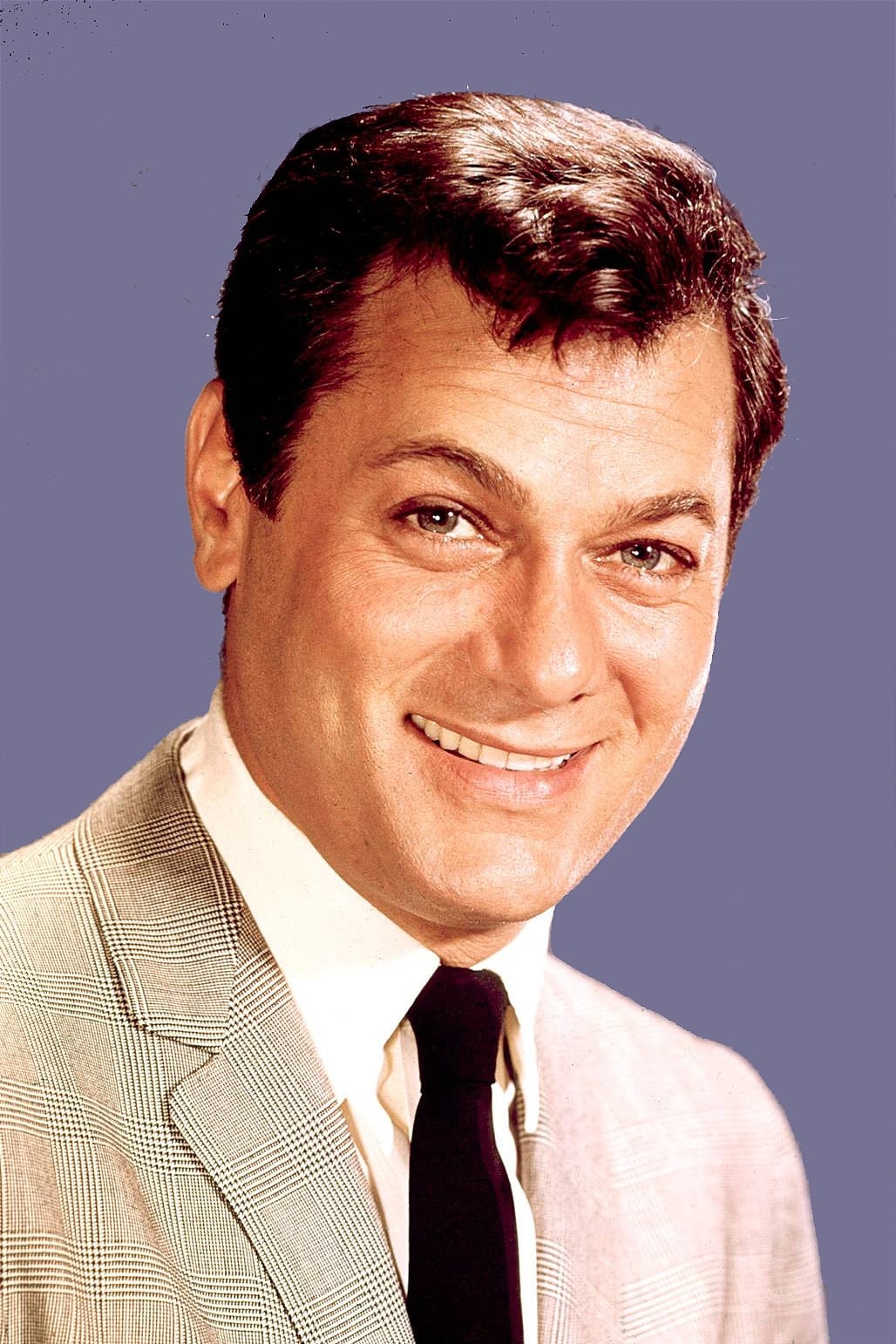
Stanley Kubrick was brought in as director after Kirk Douglas had a major falling out with the original director, Anthony Mann. According to Sir Peter Ustinov, the salt mines sequence was the only footage shot by Mann.
The original version included a scene where Marcus Licinius Crassus (Sir Laurence Olivier) attempts to seduce Antoninus (Tony Curtis). The Production Code Administration and the Legion of Decency both objected. At one point Geoffrey Shurlock, representing the censors, suggested it would help if the reference in the scene to a preference for oysters or snails was changed to truffles and artichokes. In the end the scene was cut, but it was put back in for the 1991 restoration. However, the soundtrack had been lost in the meantime and the dialogue had to be dubbed. Curtis was able to redo his lines, but Olivier had died. Dame Joan Plowright, his widow, remembered that Sir Anthony Hopkins had done a dead-on impression of Olivier and she mentioned this to the restoration team. They approached Hopkins and he agreed to voice Olivier's lines in that scene. Hopkins is thanked in the credits for the restored version.
Sir Peter Ustinov joked about his daughter, born at the beginning of production, being in kindergarten by the time this movie was finished. When asked what her father did for a living, she would answer, "Spartacus."
Although it has been suggested that the 42-year-old Kirk Douglas was too old to play Spartacus, it is believed the real man was about 38 when he died.
Cinematographer Russell Metty walked off the set, complaining that director Stanley Kubrick was not letting him do his job. Metty was used to directors allowing him to call his own shots with little oversight, while Kubrick was a professional photographer who had shot some of his previous movies by himself. Subsequently, Kubrick did the majority of the cinematography work. Metty complained about this up until the release of the movie and even, at one point, asked to have his name removed from the credits. However, because his name was in the credits, when this movie won the Academy Award for Best Cinematography, it was given to Metty, although he actually didn't shoot most of it.
Continuity
Antoninus is wearing trousers under his tunic when Tigranes enters the tent saying he arrived on horseback without any slaves. When Spartacus opens the treasure-chest Antoninus is suddenly bare-legged.
When Spartacus hamstrings the guard near the beginning, the guard hits him. When Spartacus falls down, there is an obvious jump cut of Spartacus changing position as he falls.
When Spartacus confronts Marcus Glabrus after the latter has been captured, the formed tears off Glabrus' medallion (which is the symbol of his office as commander of the garrison of Rome), breaking its chain. In the next shot Glabrus is shown wearing the medallion on its intact chain.
While in the senate house, during his appointment to head up the Roman Guard while Marcus Glabrus is dispatched to quell the insurrection, Julius Caesar is wearing the traditional white robe trimmed with a purple border, however when he walks out onto the steps with Gracchus he is wearing a gray robe trimmed with white vine leaves.
During the gladiator battle, the black slave just barely catches the right heel of Spartacus with his net, tipping him over. In the next shot, the net is tightly bound around both his knees.
Factual errors
Crassus appoints Glabrus as commander of the garrison of Rome to give himself power against the Senate. Rome did not have a garrison at the time of Spartacus because the Romans feared that troops inside the city could be used by their commander to overthrow the republic. It was not until Octavian created the Praetorian Guard that troops were permanently garrisoned in the city of Rome.
At the beginning of the major battle between the legions of Rome and Spartacus's army, one shot shows the Roman standard in center-frame, with another at the extreme left of the screen. The Roman standard would contain the letters, SPQR - Senatus Populusque Romanus - but the one in center-frame here clearly shows SPOR. There is no mistake of this in the restoration released on Blu-ray. Strangely, the standard seen at the extreme left has SPQR, with a small mark at the lower right of the Q which may have been a prop-master's afterthought. One is tempted to believe that all the props were manufactured with SPOR, and some changed at the last minute. But not the one in center-frame as the battle begins.
Given his background Spartacus would never have learned to ride a horse, and certainly not as well as he does in battle. Romans kept their slaves away from horses as horses would have made escaping far too easy.
Gracchus hands Batiatus two bags of money, with each containing 1,000,000 sesterce. The sestertius weighed .05 ounce and 1,000,000 would weigh 3125 pounds. Even if these were filled with gold aureus coins, each bag would still weigh 175 pounds.
The narrator talks of Spartacus "dreaming the death of slavery two thousand years before it would actually die." But slavery did not (and has not) completely died; the reference seems to be to the (official) death of slavery in the United States in 1865.
Incorrectly regarded as goofs
When the slave gladiators revolt and break out of the kitchen, they make for a tall wrought-iron fence. Each spindle in the fence is a single piece with a spear point at the top. The slaves manage to knock down a section of this fence, with about 10 pointed spindles. A number of them take up the section of fence and run at the guards. While it might be an interesting idea, as they run at the guards, the ones in their path just lie down. The section of fence passes over them and continues on. While the soldiers were never touched, they can be seen lying on the ground, making themselves as small as possible with their shields covering them, unwounded. They lay down before the fence hit them simply because they didn't want to be hit, and hoped to be spared the slaves' rage.
This is a romantic allegory of 20th century social ills, using an ancient setting to make a point (see trivia). It is not a historical documentary, nor a biopic. Though many of the main characters were real people, they are used fictitiously, as explained in the ending disclaimer. Most apparent errors in costume, custom, design, dialect, politics, armaments, etc., are specifically exempt from this list for the same reason.
Revealing mistakes
During the final battle sequences the slaves drag down burning hay rollers. One of the slaves in Spartacus?s army overshoots the end of the run and a Roman soldier generously drops his sword in order to catch him.
During the scene where the slaves are storming a wall, the slaves who die at the wall can be seen rolling under it to jump over again later.
During the gladiatorial battle between Spartacus and the black gladiator, the sword Spartacus is using is clearly shown as a prop sword with a retractable blade.
As the gladiators revolt, a Roman soldier is killed, falls off a balcony and then crawls into a partially opened door below the balcony.
In the main battle scene toward the end, there is a soldier lying "dead" on the ground that clearly repositions himself as others fight around him so that he isn't stepped on.
Anachronisms
A map of Italy can be seen in Spartacus' camp tent (it is prominently featured in the scenes involving the pirate emissary), which is far too accurate for the times of the movie.
A truck drives along the hills behind a battle scene.
Slave extras wearing wristwatches and sandshoes.
Slaves digging with steel shovels of a pattern invented in the early 20th century instead of Roman wooden spades.
Many of the horsemen use stirrups, an invention which did not reach Europe until about the 7th century A.D., and eight centuries after the film is set.
Errors in geography
Referring to leaving Italy by sea, several characters, including Antoninus, refer to the port of Brundusium. The actual port, in ancient times, was known as Brundisium. The discrepancy could be regarded as a variation in pronunciation, until the midpoint of the film, when the pirate emissary points to a map of Southern Italy in Spartacus's camp tent, clearly showing the misspelled city of Brundusium. The other cities on the map - Metapontum, Capua, Tarentum, for example - are historically correct in the Latin spelling of their names.
Plot holes
In their fight to the death after being captured by Crassus, Spartacus and Antoninus know that the winner will suffer a slow death through crucifixion and each tried to kill the other quickly. Both could have committed suicide with their swords or simply agreed to kill one another with simultaneous thrusts to avoid one of them being crucified.
Character error
In the baths, Crassus reminds Caesar that their families are both long-term members of the Equestrian Order and the Patrician Party. Both of these statements are incorrect. When the Equestrian Order was formed, only landed patricians were allowed admittance. By the time of the Republic, membership in the Equites was open to both patricians and Plebians, although there is no evidence that either man was ever a member. Additionally, Crassus was a Plebian, not a patrician. Although Patricians were considered nobles, many Plebians were active in the Roman government at all levels, including the Senate and Consulship.
At the start of the movie a guard says several times that Spartacus "hamstrung" a guard. The hamstring runs at the back of the leg from the top of the thigh to the knee. They show Spartacus biting the guard on the back of the ankle where the Achilles' tendon is.
Antoninus is described as a "singer of songs" and is asked to sing for the camp, but he merely recites a poem, with no musical aspect.
Gracchus makes the comment; "By the grace of god" when he should have said; "By the grace of the gods".