
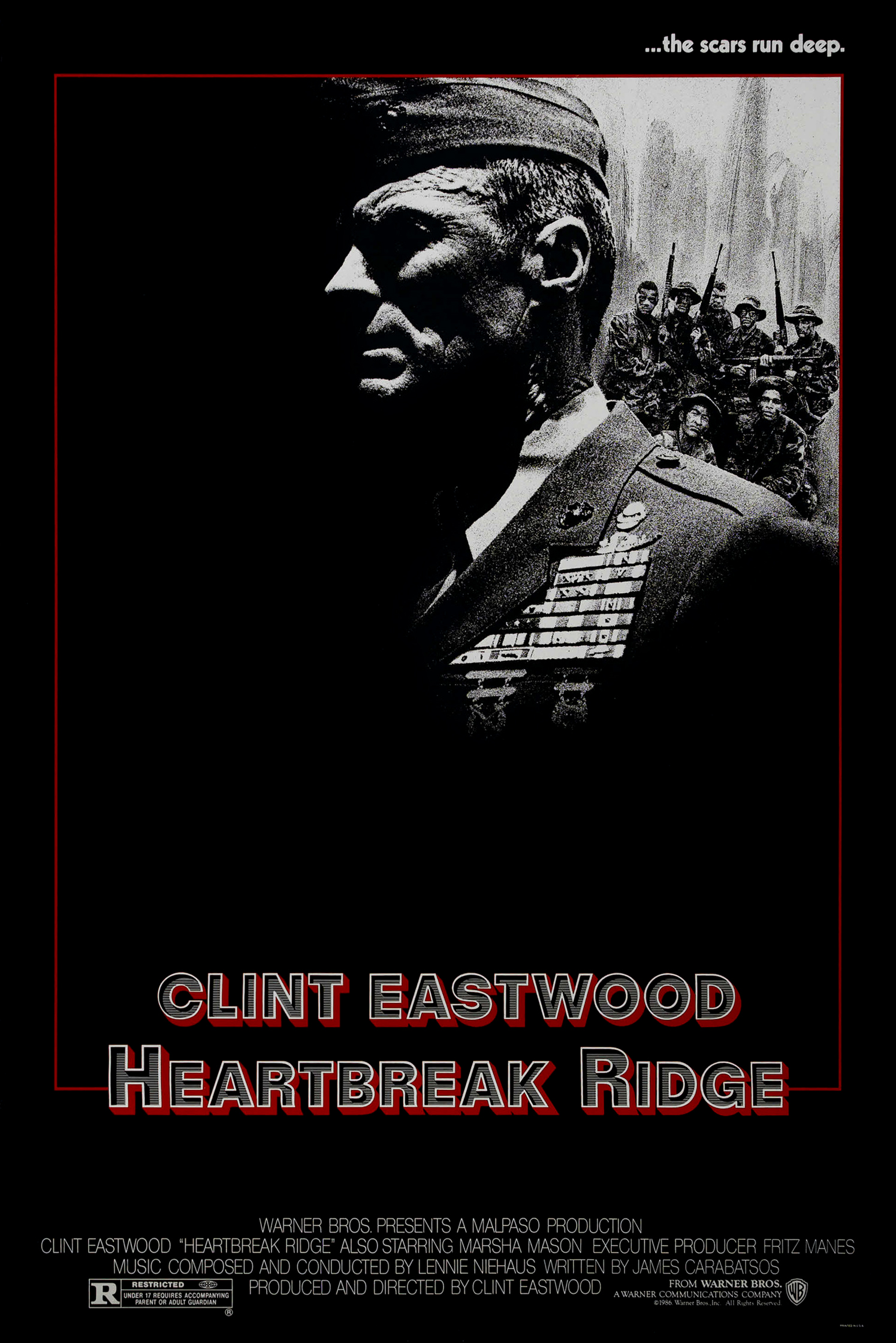
Heartbreak Ridge (1986)

Having spent much of his directorial career emulating Don Siegel and John Ford, Clint Eastwood borrows a page from the catalogue of Sam Fuller in Heartbreak Ridge. Eastwood casts himself as an old-fashioned Marine Corps sergeant who is out of step with the new-fashioned military. He returns to his old outfit as a gunnery sergeant, where he runs afoul of 1980s-style superior officers to whom the words "Gung Ho" are foolish anachronisms. But through his tough tutelage, Eastwood's lackadaisical platoon is whipped into a first-rate fighting machine, favoring teamwork over such New Age gobbledygook as "self-fulfillment." Eastwood's men prove their mettle during the invasion of Grenada.
Clint Eastwood is Gunnery Sergeant Tom Highway, career Marine and combat veteran. He is a man whose life has been defined by war. Korea and Vietnam taught him how to survive. He won the Congressional Medal of Honor but found public apathy and military bur
Highway: Just because we're holding hands doesn't mean we'll be taking warm showers together until the wee hours of the morning.
Agua Dulce, California, USA
(roadside cafe)
Camp Pendleton Marine Corps Base, Oceanside, California, USA
San Diego, California, USA
Santa Clarita, California, USA
Swallows Inn - 31786 Camino Capistrano, San Juan Capistrano, California, USA
(interiors)
Vieques, Puerto Rico
Wagon Wheel Bar, San Clemente, California, USA
(exteriors)


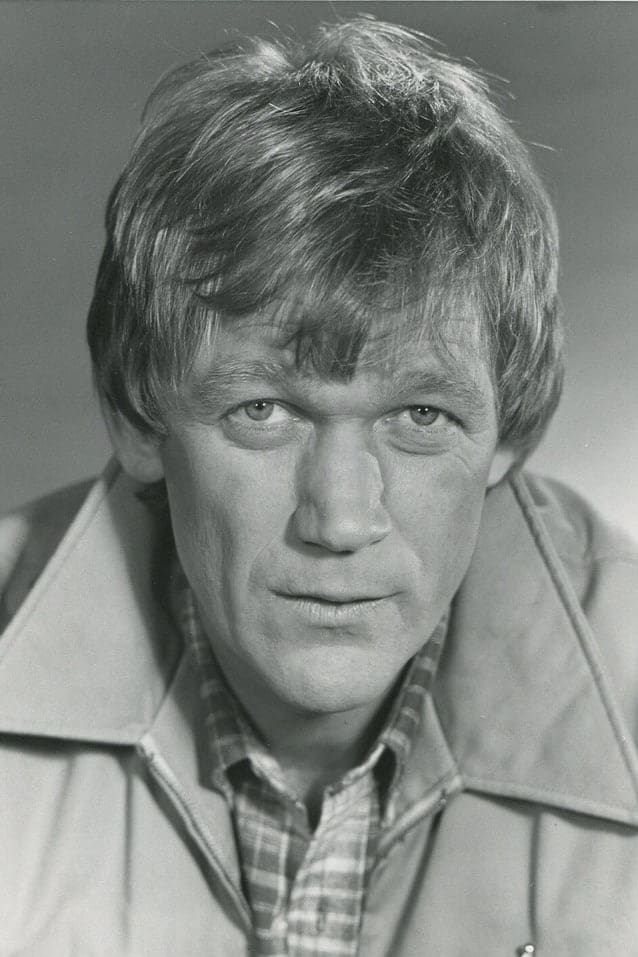

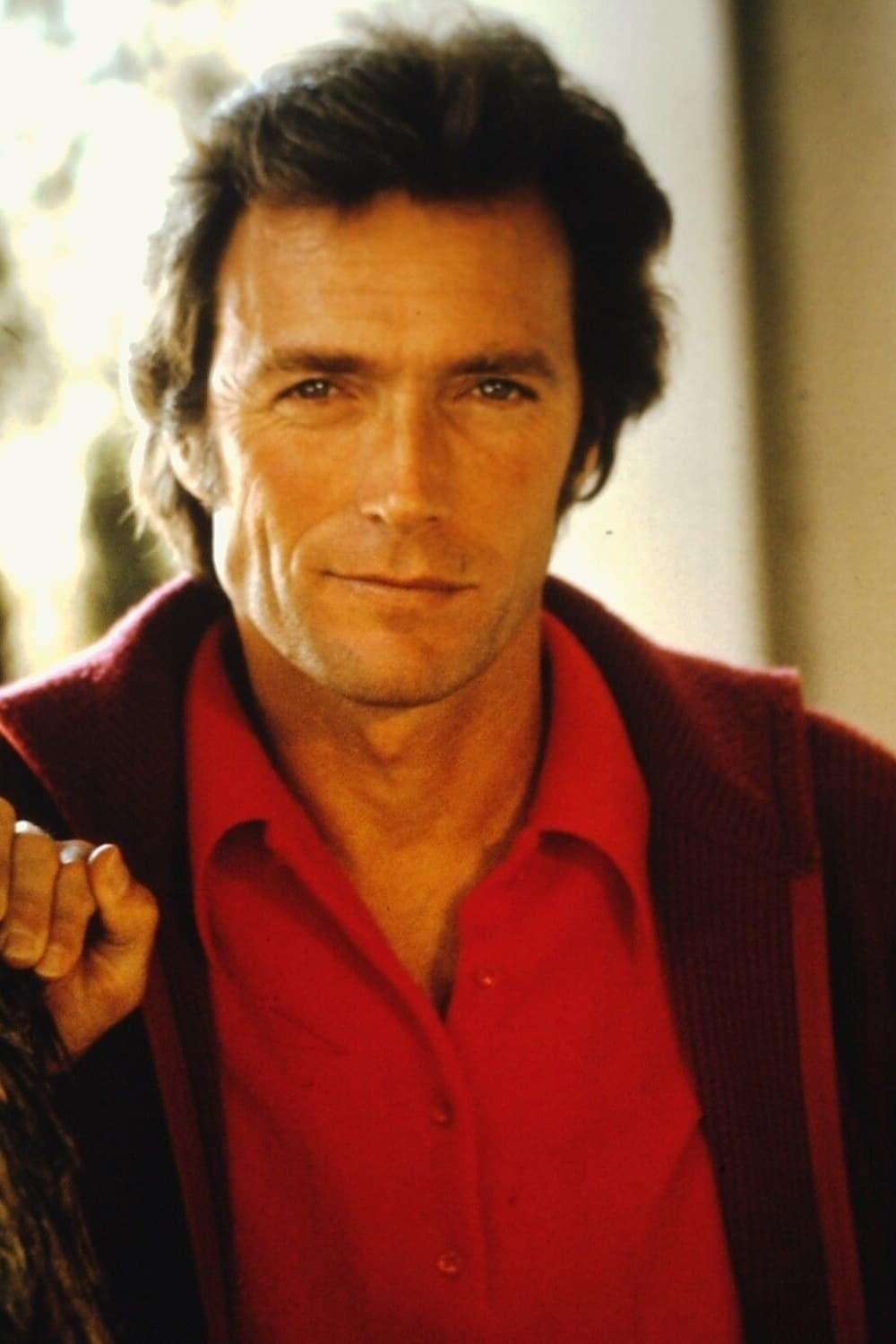

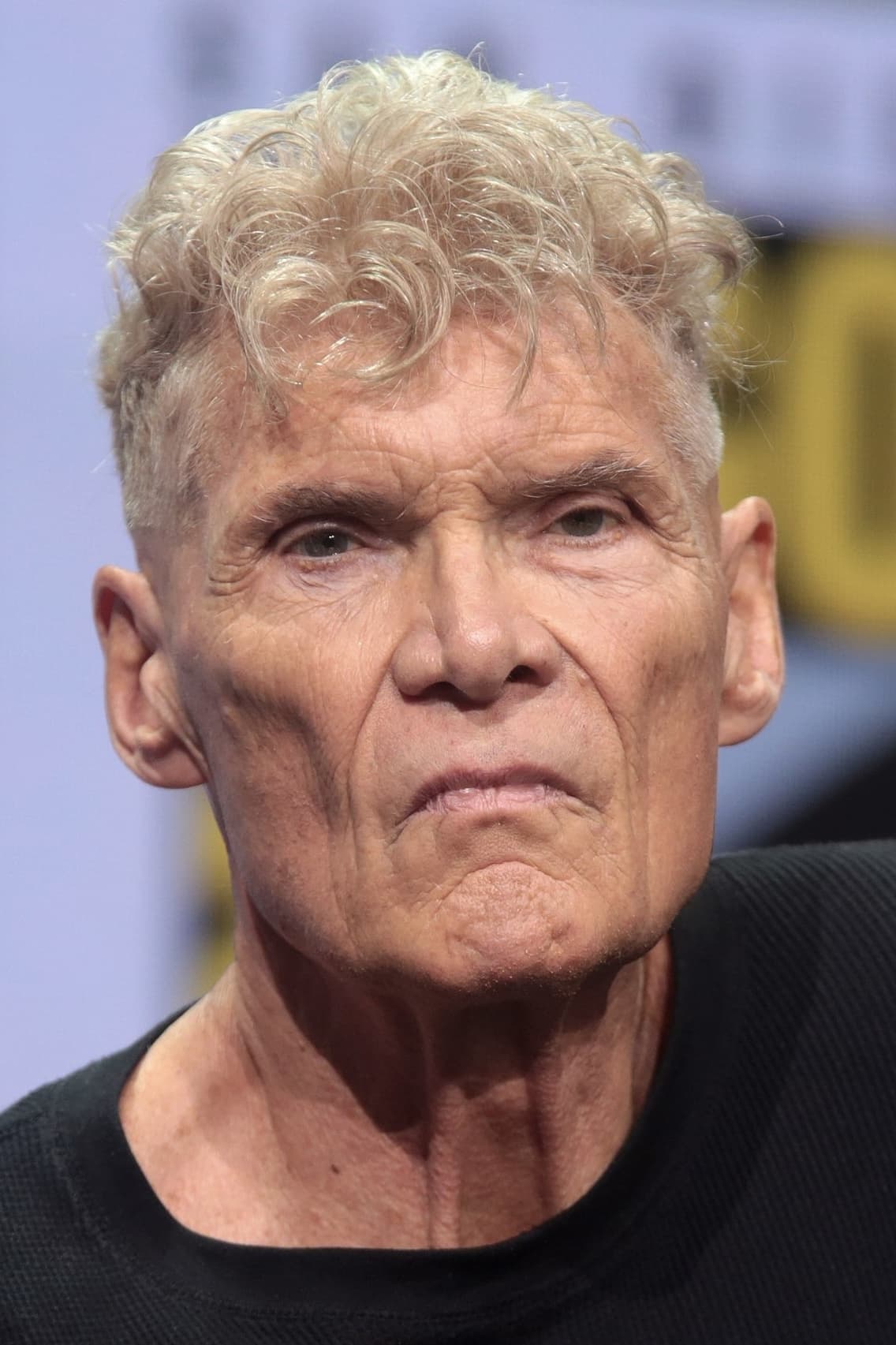
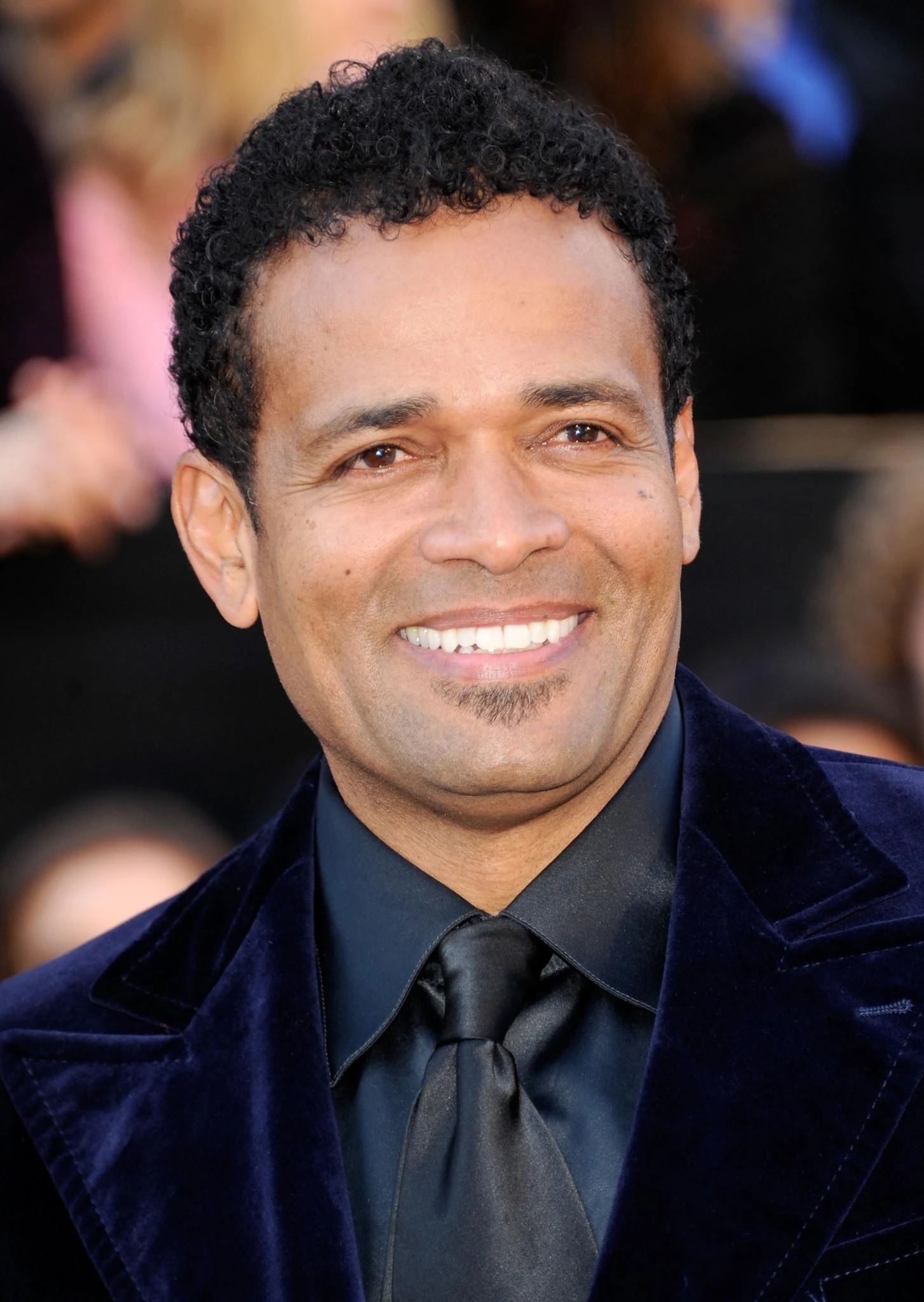
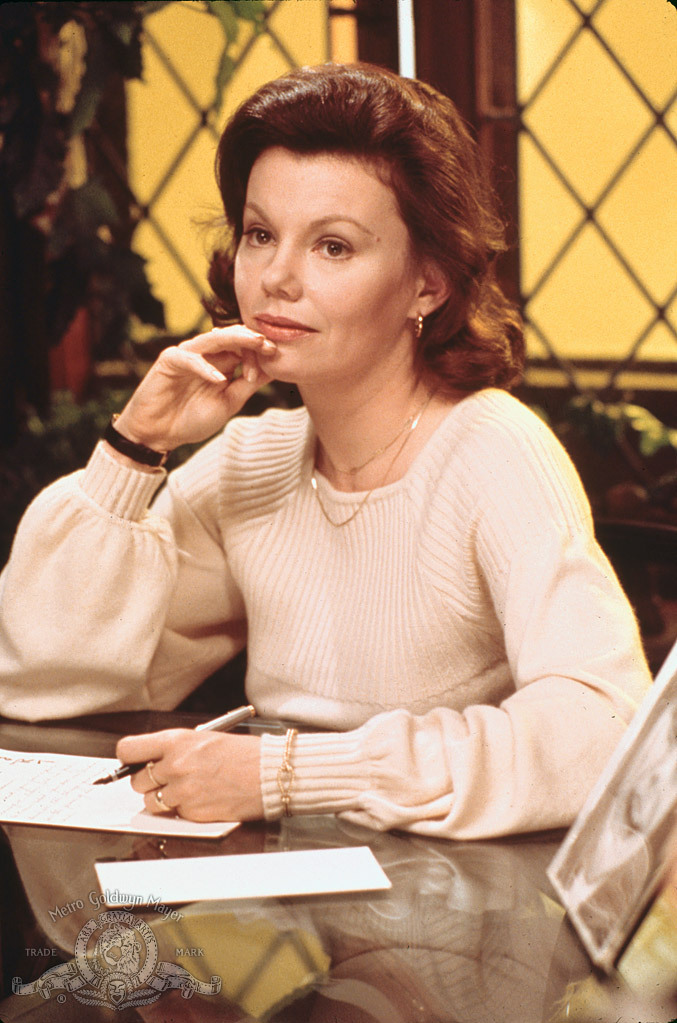
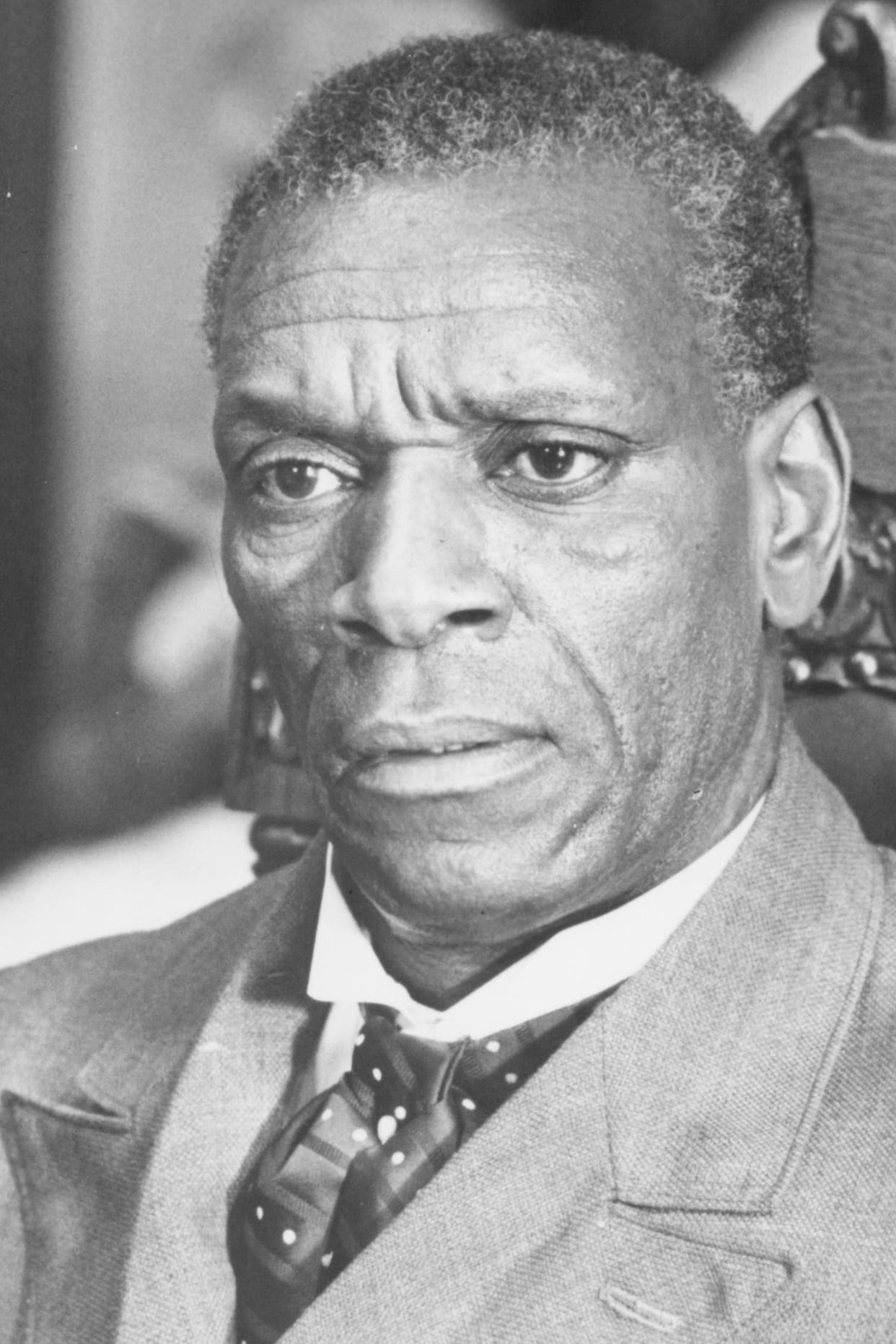
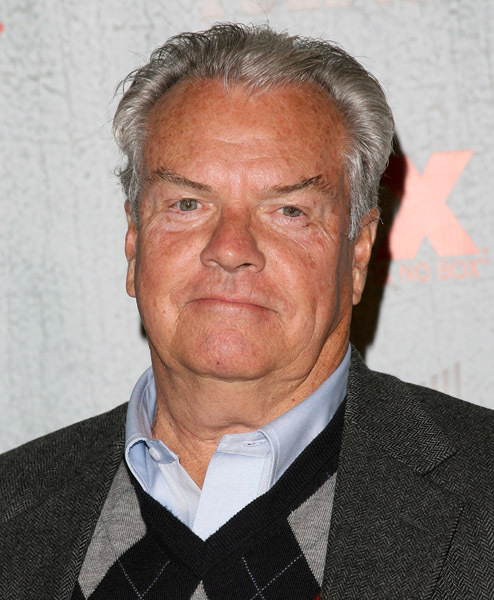
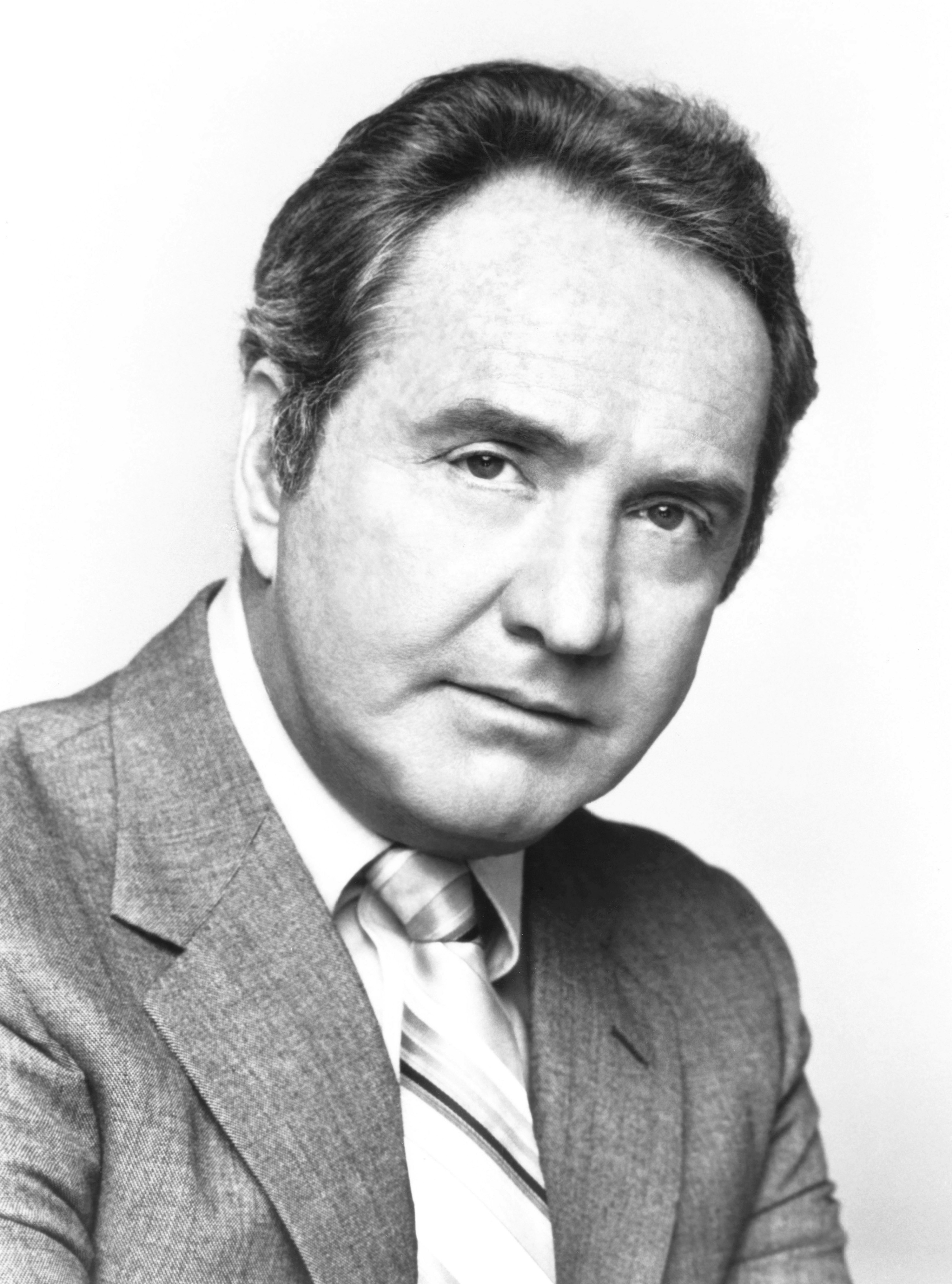
The attack by US forces on Grenada was correct, however it was the U.S. Army Rangers that took the University Medical school, Not U.S. Marines.
The title "Ayatollah of Rock and Rollah" is also used to describe the feudal warlord Humungus in Mad Max 2 (1981).
A rumor grew that the scene where the Marines call in an air strike over a commercial phone line was based on an actual event. The rumor was investigated by the US Department of Defense and proven false. In the book "Night Stalkers" by Michael Durant, published in December, 2006, a story is related where U.S. Navy Seals trapped at the Governor's House on the island call the airport terminal on local phone lines to request air support. They had known in advance that their commander would probably be located there and took a chance that someone would answer the phone. It paid off. This incident later grew into the one depicted in the movie.
The sequence involving the bulldozer is based on a real event. The officer who actually did what Eastwood portrays was John Abizaid, at the time a Captain and a Ranger Company Commander. Abizaid recently retired as the Commander In Chief of Central Command, in charge of all U.S. forces in Iraq, Afghanistan and the rest of the Middle East.
When Clint Eastwood filmed this movie he was the mayor of Carmel, California.
In the original script, Sgt. Highway was a career army officer. The U.S. Army read the script and refused to participate. The character was then changed to a Marine. The Marine Corps first cooperated, but upon viewing a first cut, quickly disowned the film.
In-Joke: During the film, Mario Van Peebles wears a T-shirt featuring a picture of the character Sweetback from Sweet Sweetback's Baadasssss Song (1971). Mario played Young Sweetback in the movie, which was made by Melvin Van Peebles, Mario's father.
The Marine Corps had planned to use this film to promote its "Toys for Tots" campaign, but, upon viewing, decided not to because of the language.
Prior to filming, Mario Van Peebles could not play the guitar, but took several quick lessons to convince Clint Eastwood that he could play the role of the wannabe rock star, Corporal "Stitch" Jones.
The US Defense Department originally supported the film, but withdrew their backing after seeing a preview in November 1986. Nevertheless, members of the Marine Corps have vouched for the film's authenticity.
Marks the 1000th film to be processed in Dolby "A" Stereo.
Continuity
Even if he did not like the individual, it is extremely unprofessional for a Marine officer like Major Powers to not render the proper courtesies towards a Medal of Honor recipient, which Highway was.
When Gunny Highway orders his platoon out the first time it is supposedly 5 o'clock in the morning, yet the sun stands high above casting short shadows.
Highway's cigar gains length during the prison fight.
During the assault, the camouflage paint on Gunny Highway's face and other Marines rubs off and is nearly wiped clean at times, but is later in place.
When Highway encounters re-con platoon for the first time ("No speaka English" and "No habla") he pushes the hut door open with his left hand but in the next shot, from inside the hut, it's his right hand pushing the door open.
Factual errors
Midway into the film Stitch Jones is surprised to learn that Gunny Highway is a Medal of Honor recipient. Yet up to this point Jones has had ample opportunity to observe the decoration on Highway's uniform. As the nation's HIGHEST military decoration it is placed on the left breast, first and highest above all others. Equally hard for any of the recon members to miss would be the sight of Highway's superiors (like Maj Powers) being obliged to initiate the salute to the lesser ranking Highway - a privilege, by tradition, extended to MoH recipients.
In the beginning of the film, when Highway stands to attention as the colors are being lowered at sunset, the bugle call being played is "Taps". However, the correct call is "Colors". Taps is played later in the evening at Lights Out.
Throughout the movie the reference is made that Highway "won" the Medal of Honor. The MOH is not won, it is awarded for conspicuous gallantry and intrepidity at the risk of life above and beyond the call of duty. The awardee should be referred to as the recipient, not the winner. It isn't a contest.
Just before the mission into Grenada, the fully-camouflaged Lieutenant Ring is wearing a shiny silver bar on each collar point. This is never done in combat, because reflective metal makes the wearer easy to spot. In 1983, a USMC First Lieutenant would wear a black bar on each BDU collar point.
When the command officers arrive during the emergency deployment readiness exercise Major Powers says "Ten-hut" (attention). The proper call would have been "Attention on Deck".
Incorrectly regarded as goofs
Gunny Highway's Recon Platoon is commanded by a 2nd Lieutenant (LT Ring), which is the right level of command for a platoon in the Army or Marine Corps. However, 1st Platoon appears to be led by Major Powers throughout the movie vice a 1st/2nd LT. Army and Marine majors command at the battalion or company level, never at the platoon level. Another 2LT/1LT should have been in charge of 1st Platoon. Major Powers is the Ops officer for the battalion, but he has never been a combat officer. He is leading 1st platoon to make up for never being a grunt. This is not official capacity.
The Battle of Heartbreak Ridge occurred in 1951. The invasion of Grenada occurred in 1983. A gunnery sergeant is prohibited from re-enlisting after 24 years of service. About the longest Highway could have served would have been just short of 30 years, or 1981. He could not have participated in the Invasion of Grenada. Choozoo mentioned that he and Highway were in the Army during Korea, and joined the Marine Corps later. It isn't said how much later, so it's possible that Highway got out of the Army for several years before he rejoined in the Marines.
When Highway confronts Swede in the barracks, Swede is made to appear significantly taller than Highway. This was an exaggeration enhanced by camera angles; Peter Koch (Swede) is 6'6", Clint Eastwood is 6'4". This is not a goof, but a technique that is constantly used in films and television.
On the bus, Jones bums a beer because he forgot his plastic. After the diner meal, Jones offers to pick up the tab with his plastic, to show his appreciation. But Jones is later shown to be dishonest about whether or not he has money.
In the opening shot, a shadow of the helicopter that is holding the camera can be seen as it circles the prison. This occurs in many establishing shots throughout the history of movies.
Revealing mistakes
No one wears dog tags throughout the movie.
When Aponte turns over one of the dead Cubans at the bridge, the supposedly dead soldier moves his legs to make it easier for Aponte to roll him over.
During the bus ride sequence GySgt Highway's ribbon rack is plainly visible. If the character "Stich Henderson" was a real military man, he would have noted that small blue ribbon at the top of the ribbon rack. Later in the movie, the character "Stich Henderson" expresses surprise that "Gunny Highway won the CMH?"
When the Marines engage in the firefight with the Cuban soldiers, one of the "dead" Cubans jumps when the Marine who is next to him fires his weapon.
When Highway gives Aponte the money from the "Sergeant's only fund," he appears to only hand him 2 or 3 one dollar bills.
Anachronisms
During the rifle range scene, Jones shows up with a steel pot helmet in an attempt to tease Gunny Highway for being old. He is admonished and told to remove it and wear the standard issue Kevlar helmet instead. Since the film takes place in 1983, the steel pot helmet was the standard issue at the time, so Jones' wear of it would've been proper. Kevlar was not the standard issue helmet for Marines until 1985-86 (when the movie was filmed).
One of the Marines is wearing an Iron Maiden "Aces High" t-shirt, about 35 minutes into the movie. Aces High was released in 1984, and the movie takes place in 1983.
Audio/visual unsynchronized
During the end credits, the music is out of synch with the visual; to wit, the band marching away has their right foot on the down beat. For any military musician, to make an error on that would be VERY difficult - it's hammered into you.
When Jones is in the head after the bear pit, he is playing his guitar. While it is obvious that is not plugged it, it clearly sounds amplified.
When Highway starts the marching cadence at the end of the 5:00 AM scene, the cadence doesn't match the footwork of the Marines when they are marching away from the camera.
When the band is playing during the formal dance, two trumpet players are shown standing and playing, but the sound of trumpets is not heard on the soundtrack. In addition, the melody played by the trombone soloist on the soundtrack is using slide vibrato, while the trombone player in the film does not move his slide.
Errors in geography
Highway is supposedly reporting for duty at Camp Lejeune, North Carolina, but the gate and am-trac display is Camp Pendleton, California.
When the Marines are on the rifle range there are mountains in the background. There are no mountains within about 500 miles of Camp Lejeune, NC.
The final scene was supposed to be located at MCAS Cherry Point, home of Marine Air Refueler Transport Squadron 252 (VMGR-252). However, the insignia on the hangar is that of the VMGR-352 Raiders, revealing this scene to have been filmed at MCAS El Toro, California.
The final scene is supposed to be at Cherry Point, MCAS, North Carolina, but hills can be seen in the distance; Cherry Point just has pine trees.
The 22nd Marine Amphibious Unit (MAU) is based out of Camp LeJeune, North Carolina. Most of the training scenes (pre-invasion) were filmed at Camp Pendleton, California.
Plot holes
When the platoon is briefed at the start of the Grenada assault, they are told they are to recon ahead of the main assault; however, the assault is clearly underway and troops are ashore well before the platoon has been dropped.
When Choozoo and Aggie come to take drunk Highway out of the police custody after paying the bail, Jones, who shares the cell with Highway by chance, joins them on account of helping carry the drunk man out. He exits the station free even though he was incarcerated for a non-related misdemeanor and no one paid the bail for him.
Character error
During the "Match up" at the bear pit, dog tags are missing from all the participants. Even when Gunny and the Major strip to their T-shirts, there are no tags.
In the morning scene in which all the men wear the same black t-shirt as Highway, when "right face" is ordered, Swede performs the facing by kind of slinging his right leg around, rather than pivoting on his heel. No man or woman who'd been in any U.S. military organization longer than about 36 hours would perform that action incorrectly. It's obvious that the actors were not instructed properly.
Major Powers introduces himself to Colonel Meyers by saying his rank and name, and then "Annapolis, Class of '71." Though this is done simply to show Major Powers for the blowhard that he is, even the worst officer wouldn't introduce himself in such a manner. Major Powers should have introduced himself by simply stating that he was the operations officer of 2nd Battalion. At that, the Colonel would have likely already known who he was anyway.