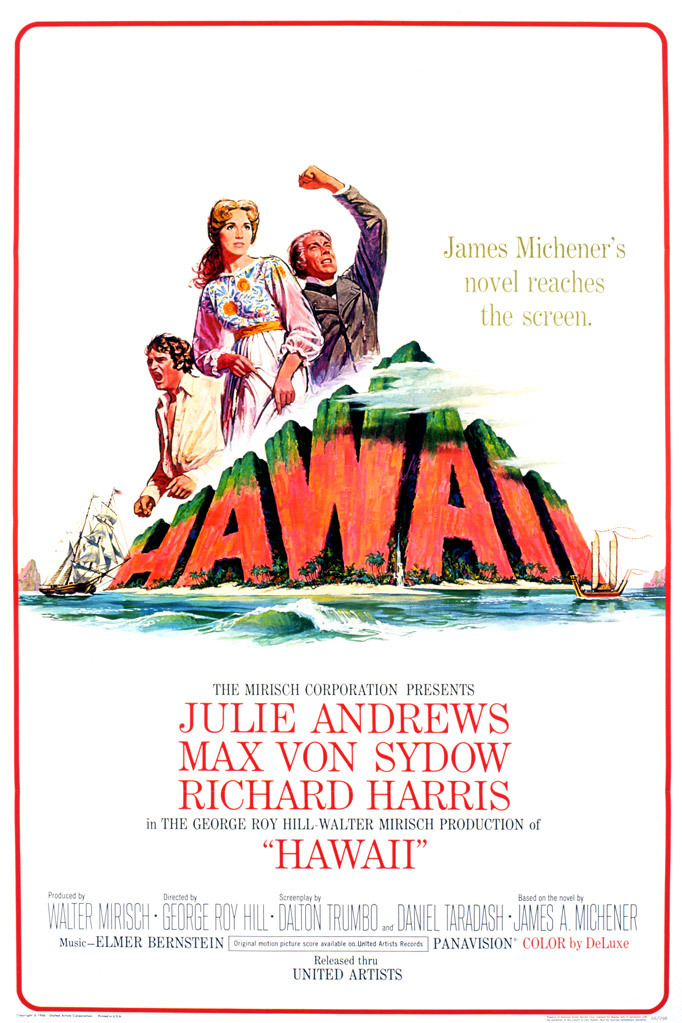
Hawaii (1966)

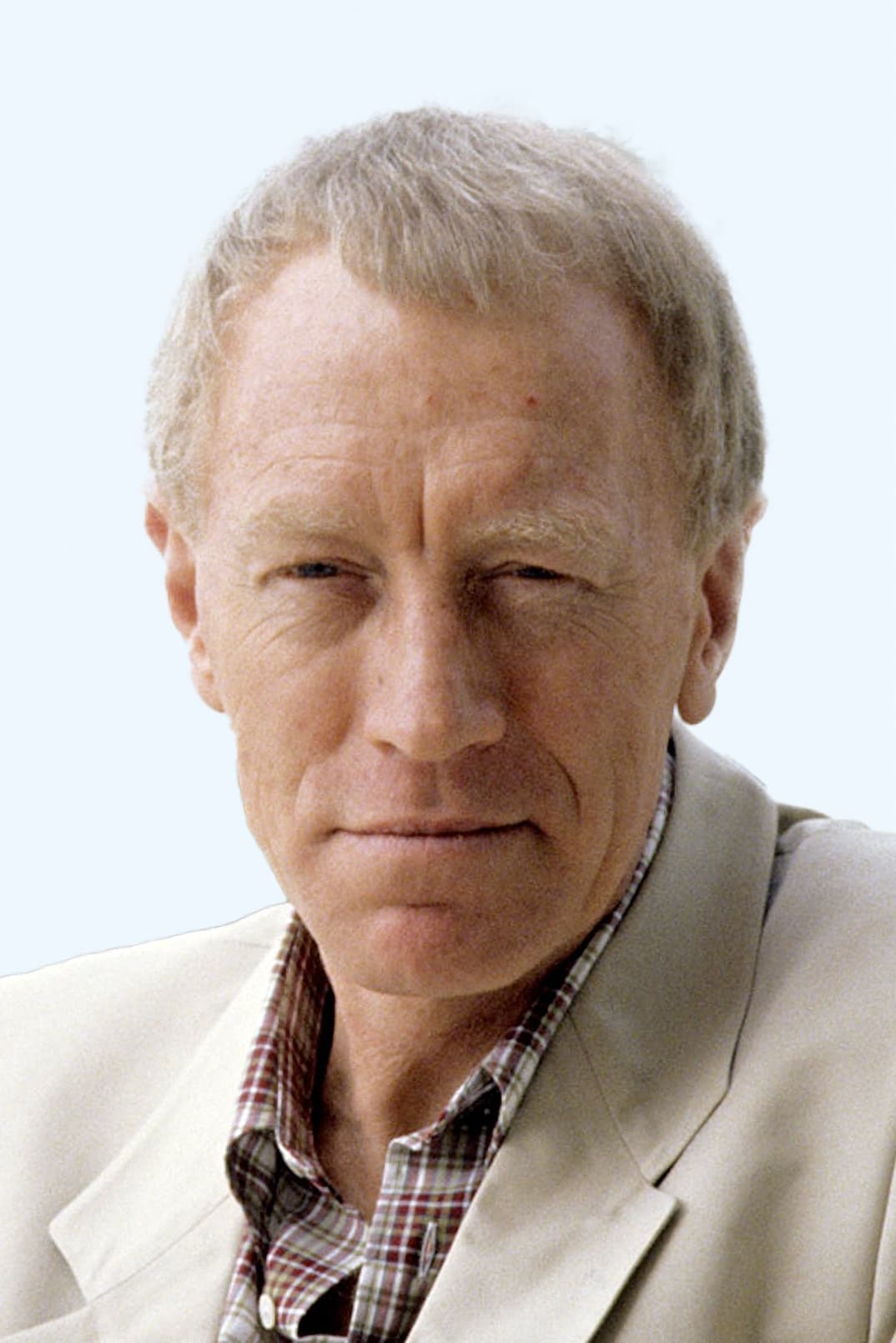
Reverend Abner Hale (Max Von Sydow), a rigid and humorless New England missionary, marries the beautiful Jerusha Bromley (Dame Julie Andrews), and takes her to the exotic island kingdom of Hawaii, intent on converting the natives. But the clash between the two cultures is too great and, instead of understanding, there comes tragedy.
James Michener's novel reaches the screen.
Queen Malama: First law: In this place, everyone will serve God. Everyone will love Jesus.
Bodo, Norway
(Missionary boat sailing thru Magellan Straits)
Old Sturbridge Village - 1 Old Sturbridge Village Road, Sturbridge, Massachusetts, USA
(Hale farmhouse and Bromley mansion)
Makua Beach on Island of Oahu, Hawaii, USA
(village of Lahaina on Maui)
Former navy warehouse, Pearl City, Honolulu
(Converted into sound stage for Hawaiian interiors)

Jocelyne LaGarde is the only performer in Academy Award history to be nominated for her only screen role. LaGarde had never acted before, and never acted again in her entire life.
The real-life sons of Max von Sydow, Henrik von Sydow and Clas S. von Sydow, both played his son, Micah, at different ages during this movie. Henrik played a seven-year-old Micah, and Clas played a twelve-year-old Micah.
This movie was responsible for launching the career of Bette Midler. She can be seen in the crowd as an extra playing a seasick passenger aboard a ship listening to Reverend Abner Hale (Max von Sydow). Midler was also hired for a small speaking role, and went to Los Angeles, California to film these scenes in a studio. Her scenes were cut from the final movie. However, Bette used the money she earned to move to New York City, where her career took off.
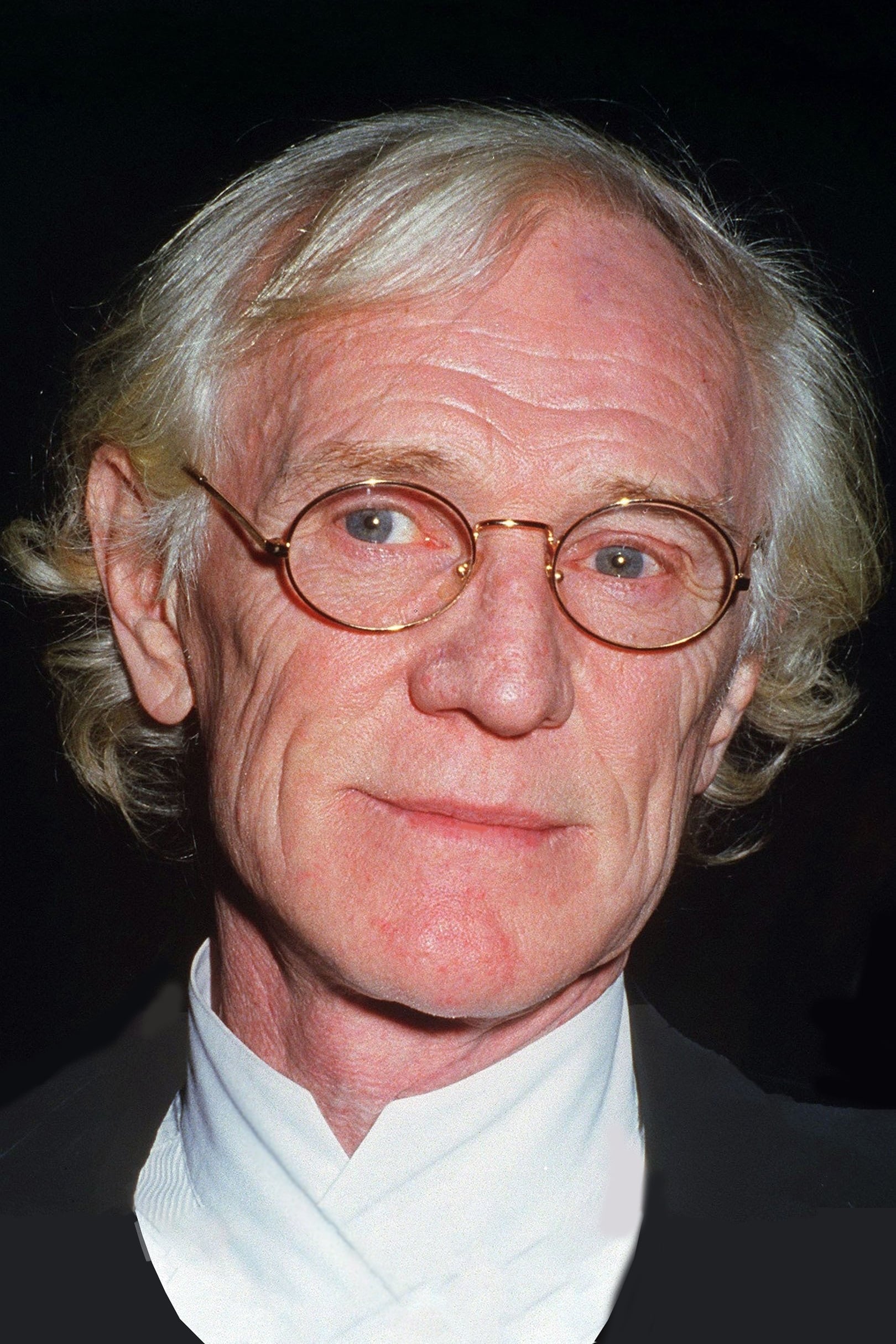
When Richard Harris was first introduced to Gene Hackman on the set of Clint Eastwood's Unforgiven (1992), Harris was delighted to meet him. Hackman explained that they had met before, but Harris said no, that he would have remembered it. Hackman then had to tell him that they had met on the set of this movie twenty-six years earlier.
Fred Zinnemann was originally slated to direct and Audrey Hepburn and Sir Alec Guinness were set to star. Unfortunately, conflicts with producer Walter Mirisch and screenwriter Dalton Trumbo, as well as numerous delays caused by the weather, forced him to walk off the project shortly before filming started. George Roy Hill was brought in to direct.
Continuity
Late in the film, when Hoxworth confronts Reverend Hale outside the church, while the shot is on the Reverend, from behind Hoxworth, there is a bright sun shining on both men; in the reverse shots of Hoxworth, there is no sunshine and the weather is overcast.
During the initial journey from New England to Hawaii there is a heavy rainstorm but the skies are bright blue - no rain clouds.
Revealing mistakes
When Abner watches the destruction of his church by the whistling wind after Malama dies, when the bell tower topples over, the rope used to pull it over can be seen.
When Abner and Jerusha approach their hut for the first time, there is a door covered with a net with a small open entrance next to it which they entered and found Iliki, but inside the hut, the small entrance can be seen next to a solid wall with no door.
Miscellaneous
In the opening scene, which is set in 1818, Jerusha is said to be 22, but a later shot of her gravestone has her born in 1799.
Anachronisms
When Jerusha is in labor Abner times her contractions very closely with his pocket watch. Most pocket watches in the 1820's had no second hands, particularly one owned by a poor missionary.