
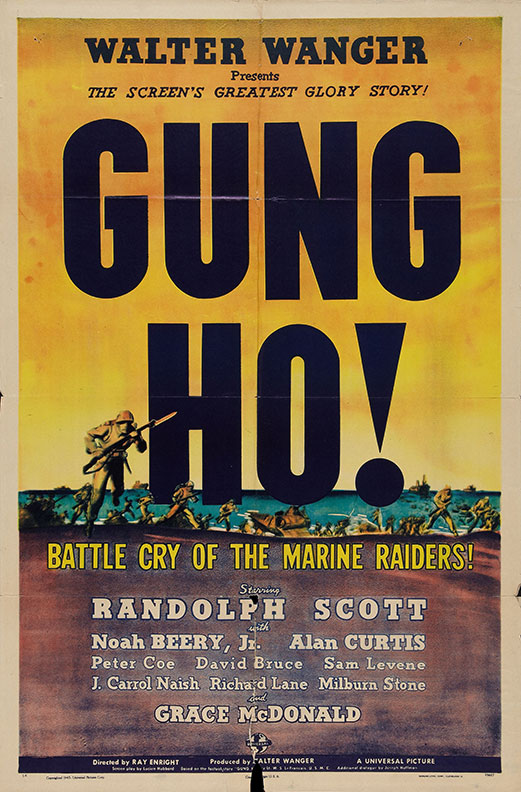
Gung Ho (1943)

Seven weeks after Pearl Harbor, volunteers form the new 2nd Marine Raider Battalion whose purpose is to raid Japanese-held islands. The men selected come from different walks of life but have toughness in common. Under command of Colonel 'Thorwald', they're trained in all imaginable forms of combat. Then, after a perilous submarine journey, they face a daunting first mission: to annihilate the much larger Japanese garrison on Makin Island, in a lengthy battle sequence.
Battle cry of the Marine raiders!
Lt.C.J.Cristoforos: A call has been issued by the commanding general for volunteers for a special battalion to be formed at once. Now this battalion will go into training for a particular combat duty overseas. Those men who can pass the severe requirements of this unit will be assured of immediate acts of service. The work involves close combat with the enemy, and only those men who are prepared to kill or be killed should apply. Those who accept it will be highly trained and will have every chance of survival. But it must be understood, the work is above and beyond the line of duty.
Marine Corps Base Camp Pendleton, California, USA
Oceanside, California, USA
Backlot, Universal Studios - 100 Universal City Plaza, Universal City, California, USA
(Studio)
Camp Elliott, San Diego, California, USA
(USMC training camp)
Marine Corps Recruit Depot San Diego, San Diego, California, USA
(USMC training camp)



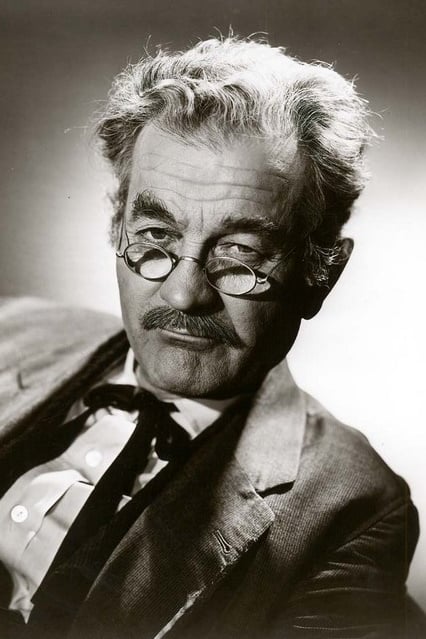
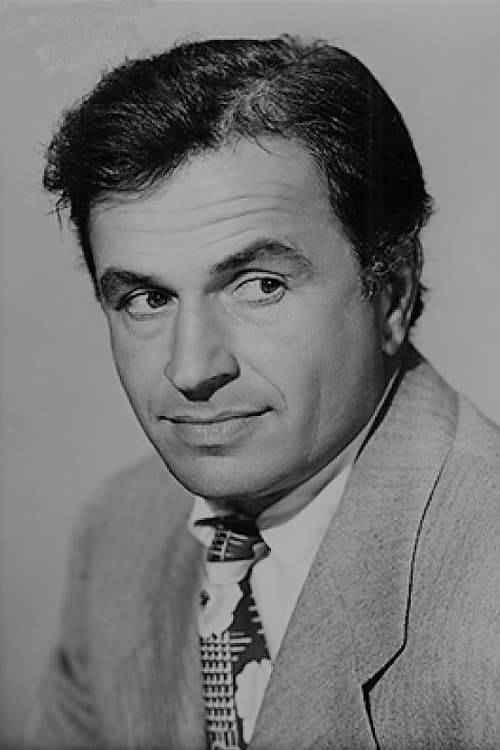
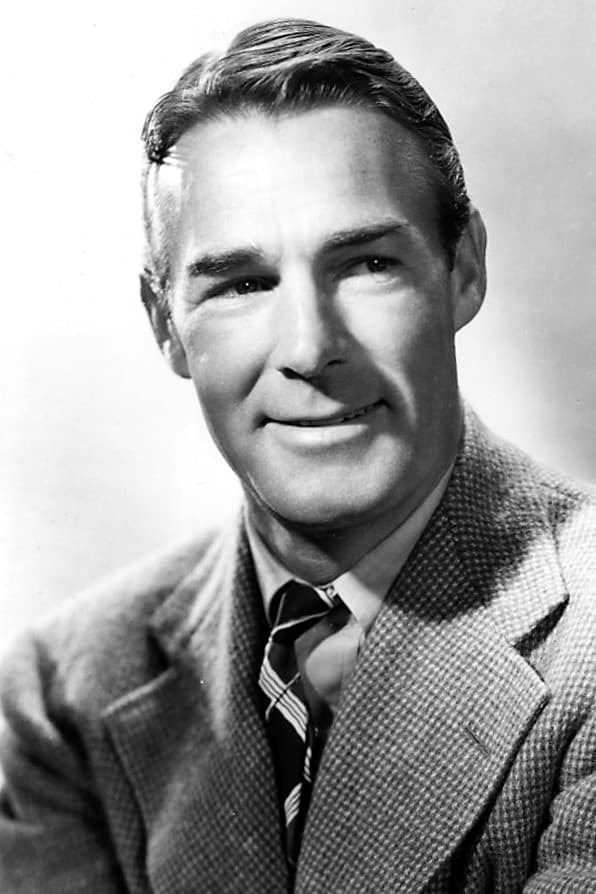
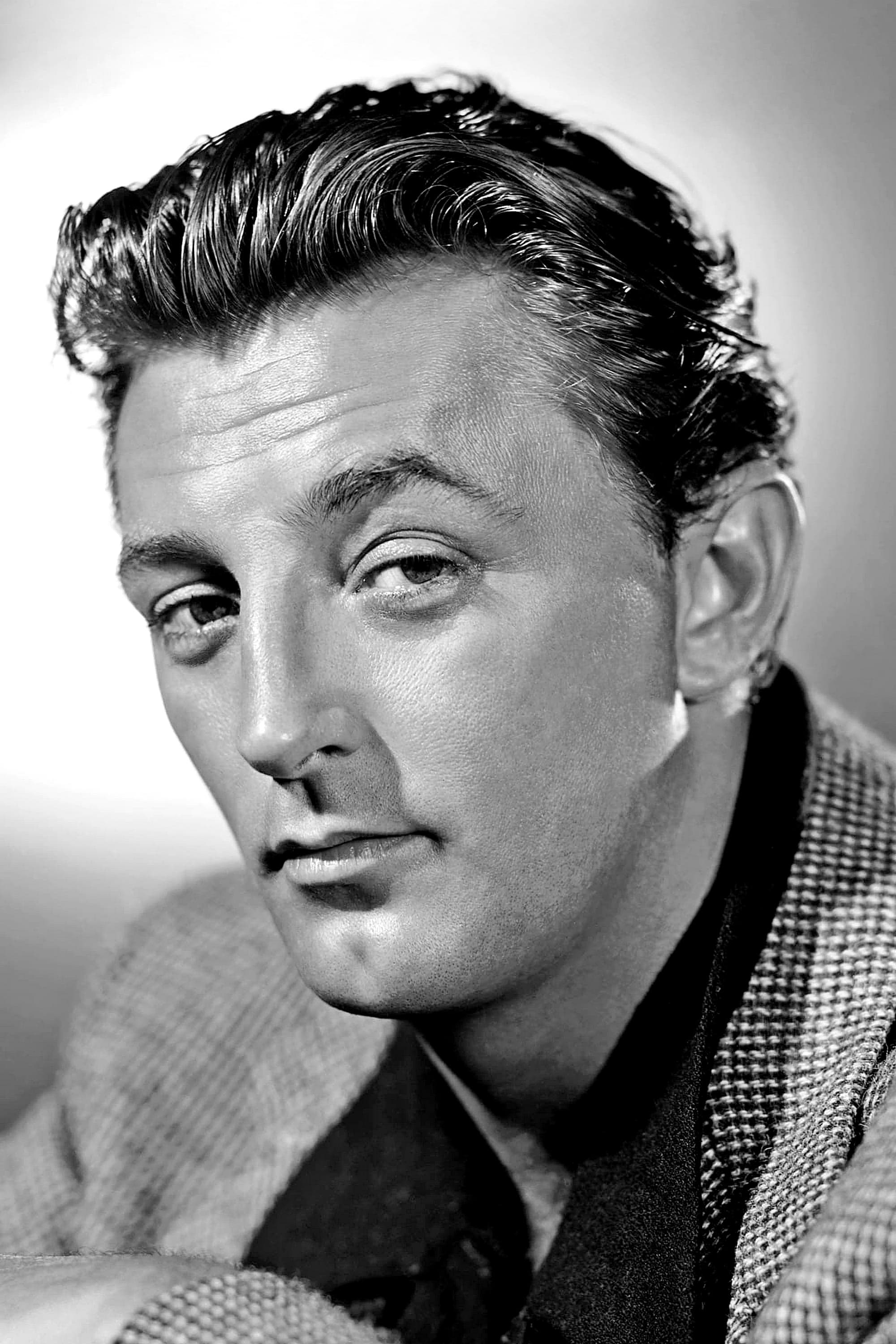
Harold Landon, who plays Frankie Montana, relates that the actors who played Japanese soldiers were actually Filipino and Chinese.
Utilizes real combat footage.
The action is set in the Makin Group of islands. The Butaritari Atoll or Butaritari Island is the largest of the Makin Atoll group in the Pacific Ocean. It has also been known as Makin Island, Pitt Island, Taritari Island and Touching Island. The Makin Islands are a chain of islands nested within the larger Gilbert Islands group of 16 atolls and coral islands. They are all a part of the island nation of the Republic of Kiribati.
Director Ray Enright fought in the US Army Signal Corps during World War I.
Has been used as a training film by the US Marine Corps.
Continuity
When Leo 'Transport' Andreof arrives in the jeep, he is wearing Staff Sgt stripes, but when he enters the building, he is now wearing Sgt. stripes.
Factual errors
When one of the subs is being attacked by 3 Japanese planes dropping depth charges, the planes shown dropping the depth charges appear to be American F4F Wildcats.
When three Japanese try to surrender and then ambush the Marines, one of the Marines returns fire. He is using a M-1 Garand rifle, which only holds eight rounds. He fires at least 12 shots.
When the sub is being attacked by the three Japanese fighters at the 46:09 mark: The fighters are actually American planes, and the planes launch torpedoes into the water. But at the 46:36 mark and later, you can plainly see depth charges.
Two Marines use a road roller to attack a Japanese position, their means of starting it (spinning the flywheel) and the sound effects that follow strongly imply it is an internal combustion roller. Yet the chimney/smokestack is clearly visible at the front as well as smoke coming out that show it is actually a steam roller.
U.S.S. Nautilus and U.S.S. Argonaut were the submarines used in the Makin Island raid. Both subs mounted two deck guns and, due to their size, could not be mistaken for Gato class subs. The Nautilus carried 6" deck guns and were used to shell shipping in the harbor at Makin.
Incorrectly regarded as goofs
The U.S. Marines were not issued Garand semi-automatic rifles in wide numbers until after the Guadalcanal invasion, so it might be thought that the Raiders would have been using M1903 Springfield bolt-action rifles in the Makin raid in August, 1942, which happened as the Guadalcanal campaign began. However, as James Roosevelt, the President's son, was a member of the raiding party, the 2nd Marine Raider Battalion, the unit in the raid, were issued the most up-to-date weaponry, which included Garands; the Makin raid was, in fact, one of the first combat deployments of the M1.