Gettysburg (1993)

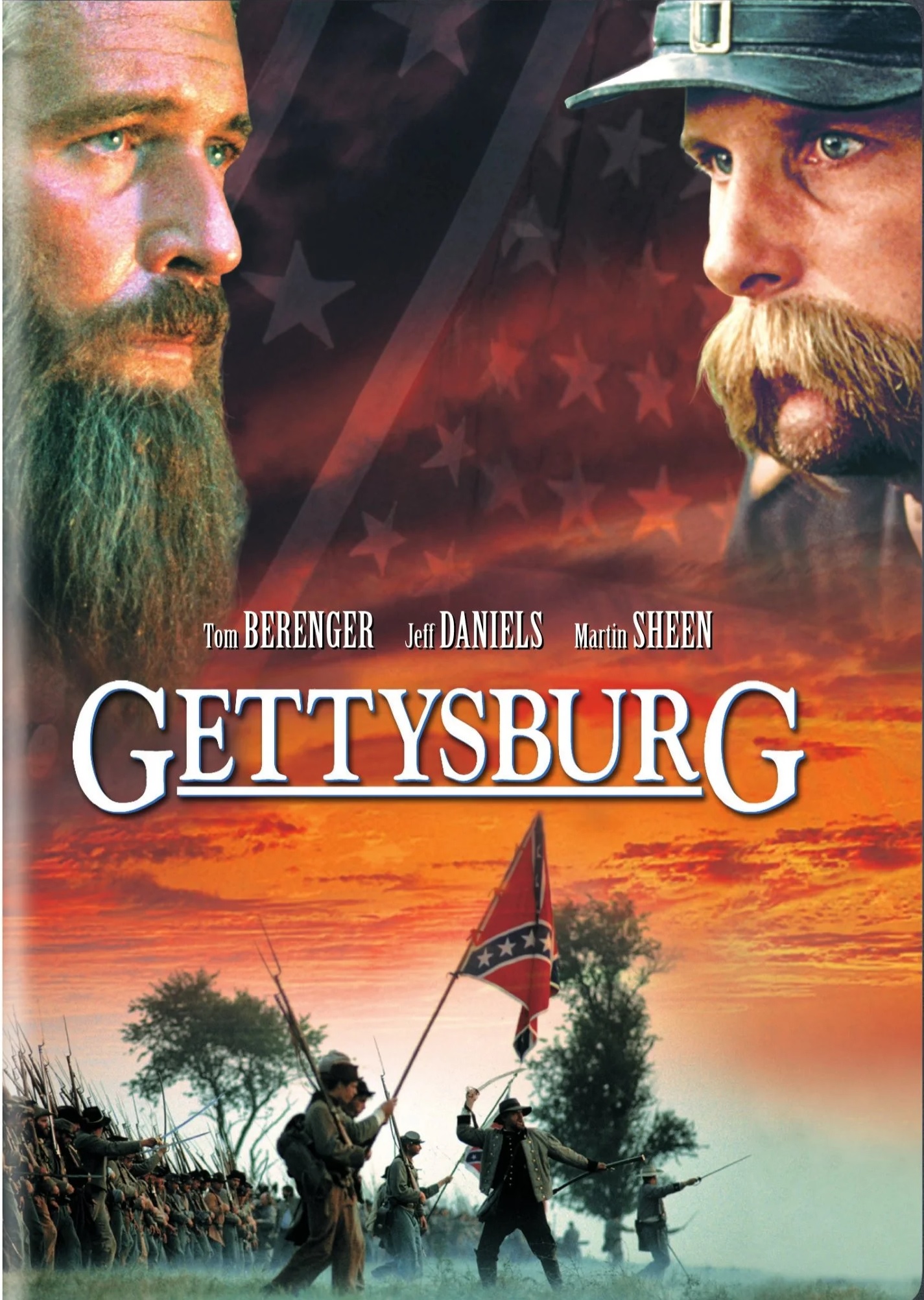
The Pulitzer Prize-winning novel The Killer Angels by Michael Shaara becomes this sprawling historical epic. As in Shaara's novel, director Ronald Maxwell focuses on a handful of major players to dramatize the events of July 1863, when the armies of the Union and Confederacy clash at the small Pennsylvania town of the title. Among them are Martin Sheen as General Robert E. Lee, who disagrees with his top advisor, General James Longstreet (Tom Berenger) over battle strategy, and Jeff Daniels as Colonel Joshua Lawrence Chamberlain, a college professor whose unorthodox techniques save the day (and possibly the war) for his beleaguered army. Other cast standouts include Richard Jordan in his final film appearance as the ill-fated General Lewis Armistead, and cameo roles for Civil War buff Ken Burns and media mogul producer Ted Turner. Filmed on-location at Gettysburg National Military Park, Gettysburg was shot as a television miniseries for Turner's TNT cable channel, but earned a limited theatrical release.
"Same Land. Same God. Different Dreams."
[Armistead and Pickett are discussing the charge]
Brigadier General Lewis A. Armistead: What about Garnett?
Major General George E. Pickett: What about him?
Brigadier General Lewis A. Armistead: His leg's hurt, he's going to have to ride up that hill.
Maj
Adams County, Pennsylvania, USA
Cashtown Inn - 1325 Old Route 30, Cashtown, Pennsylvania, USA
Gettysburg National Military Park - 97 Taneytown Road, Gettysburg, Pennsylvania, USA
Yingling Farm - Pumping Station Road, Gettysburg, Pennsylvania, USA
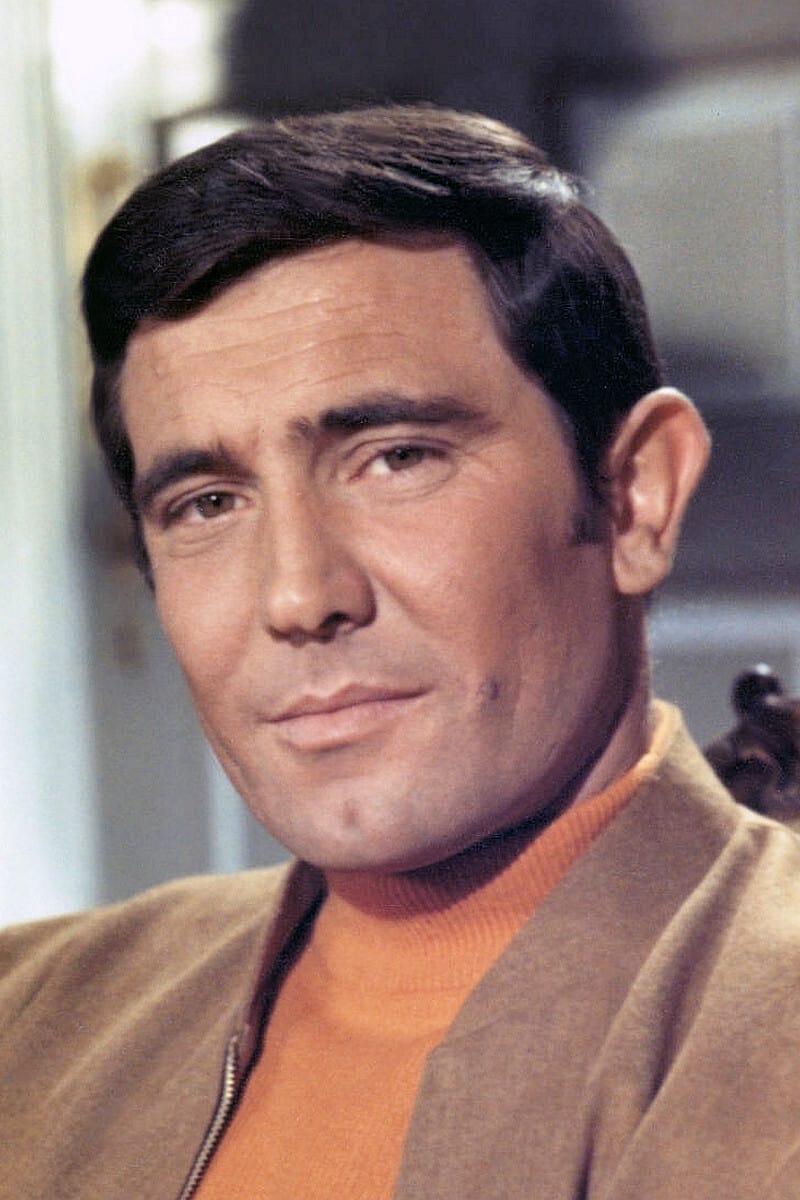
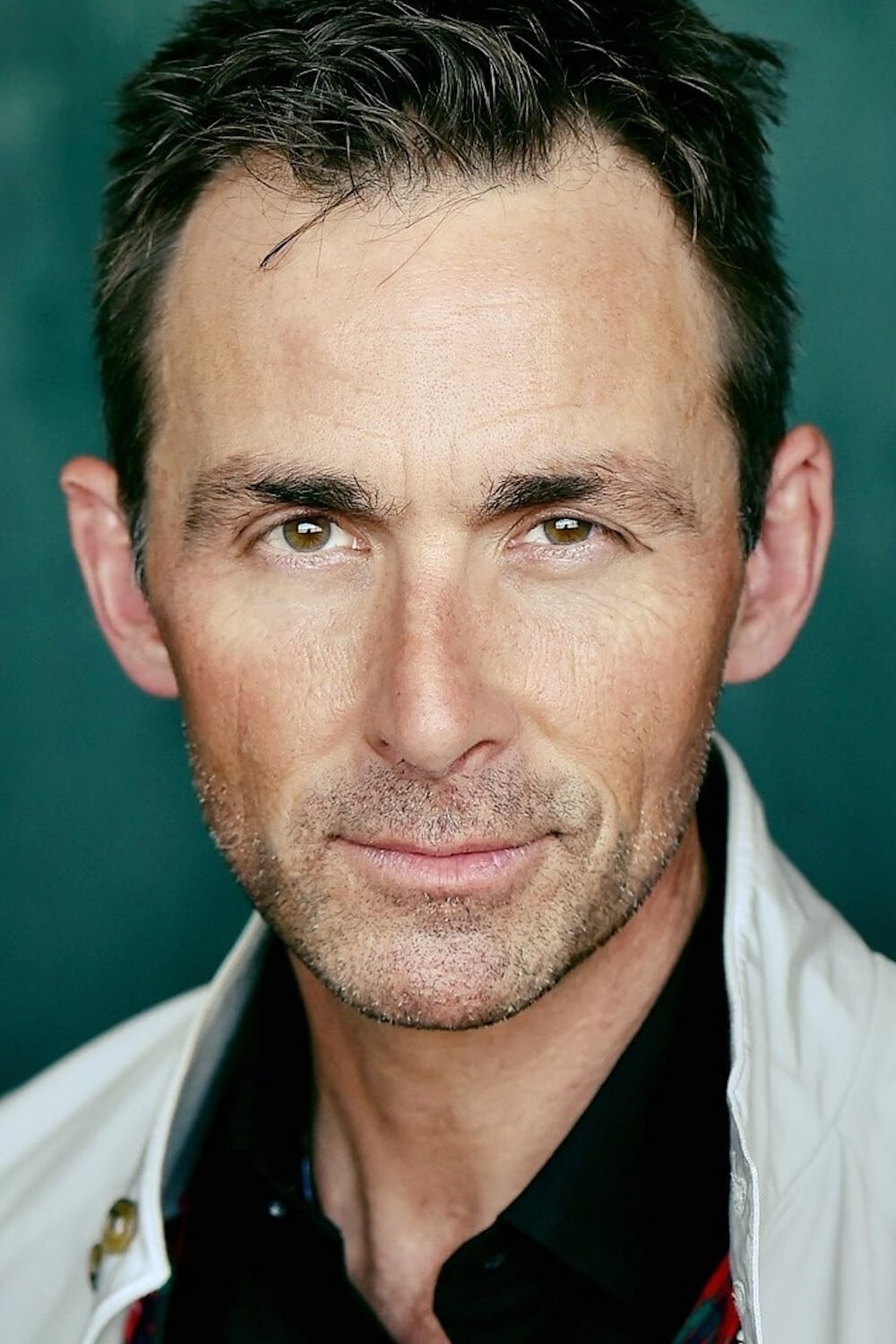
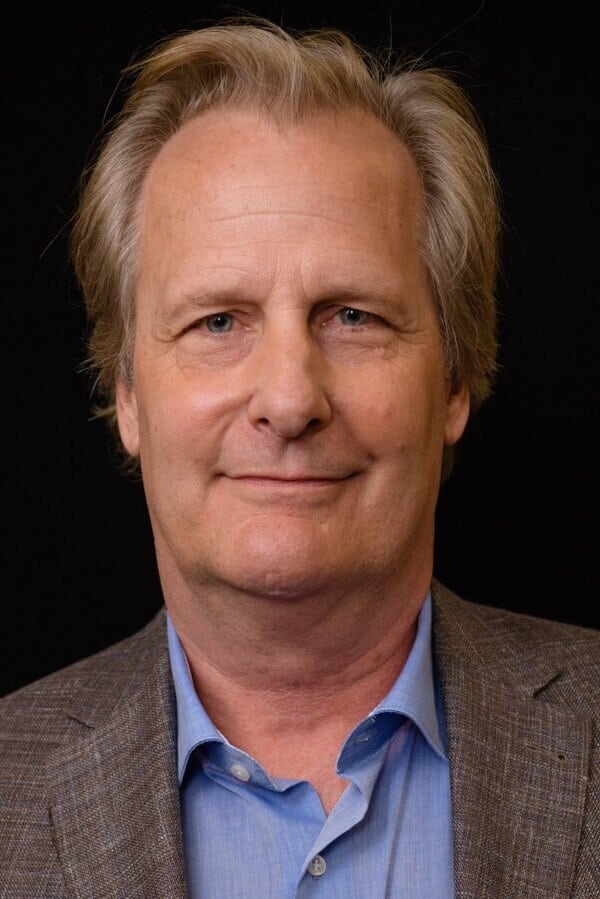
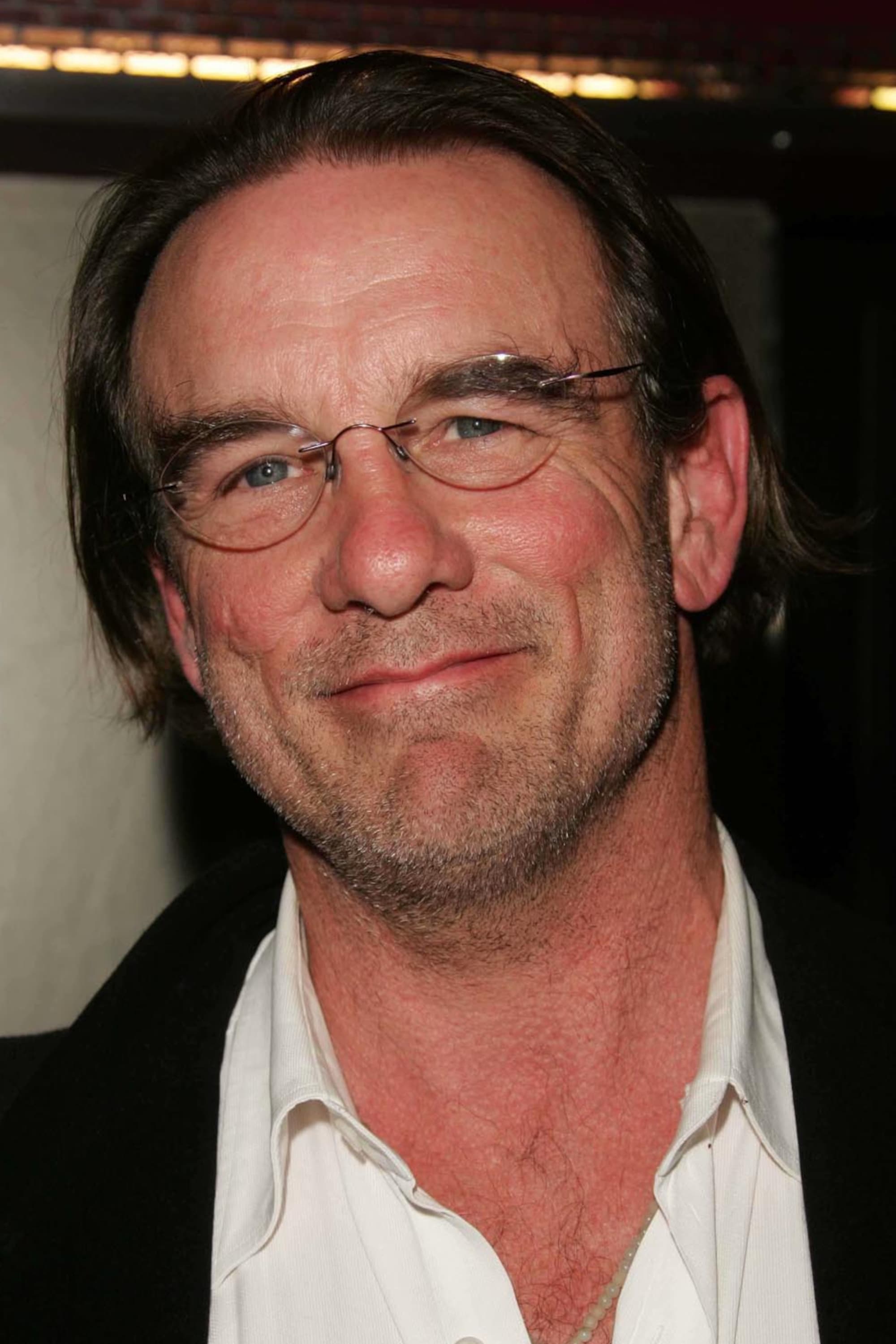
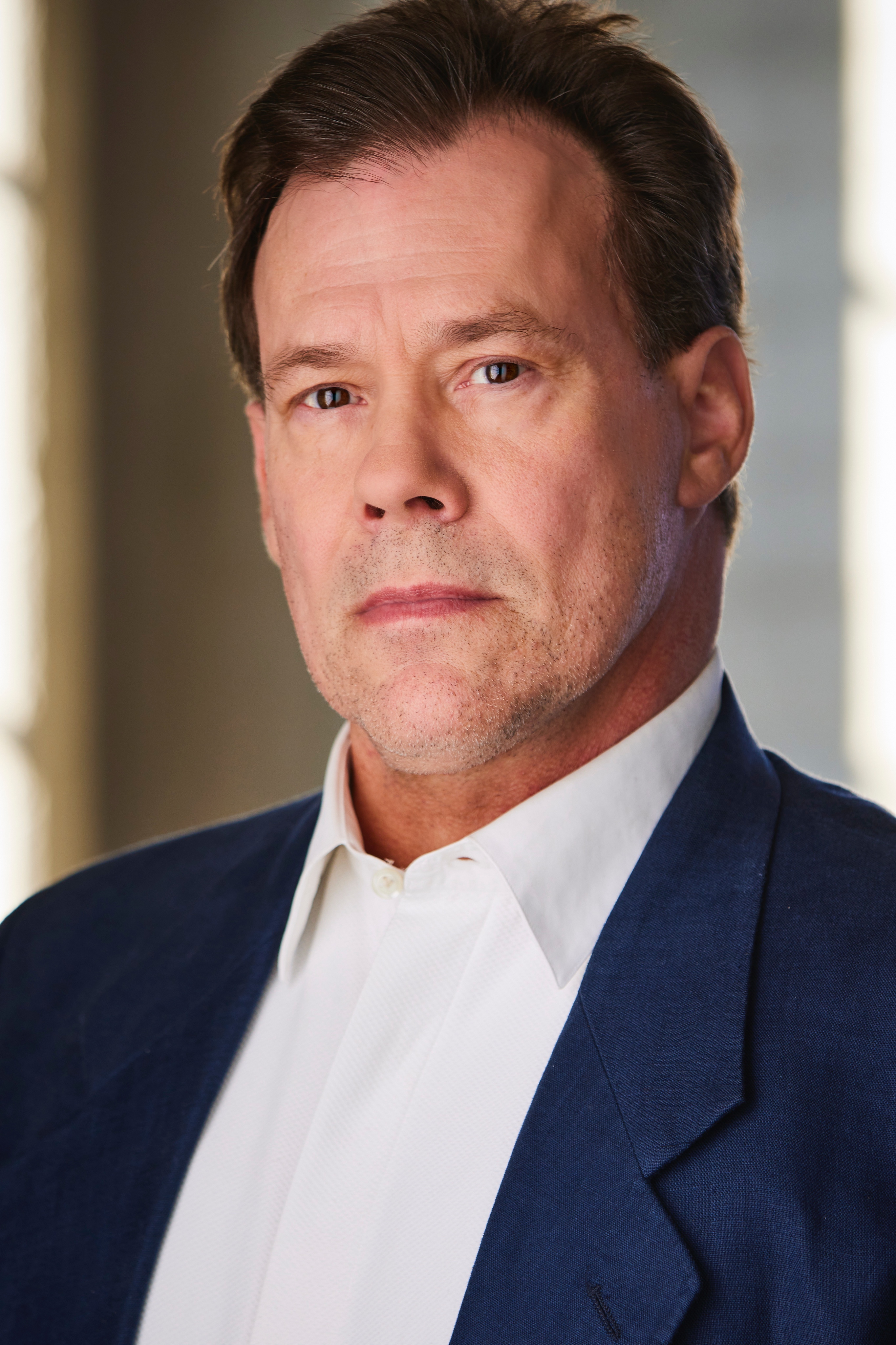
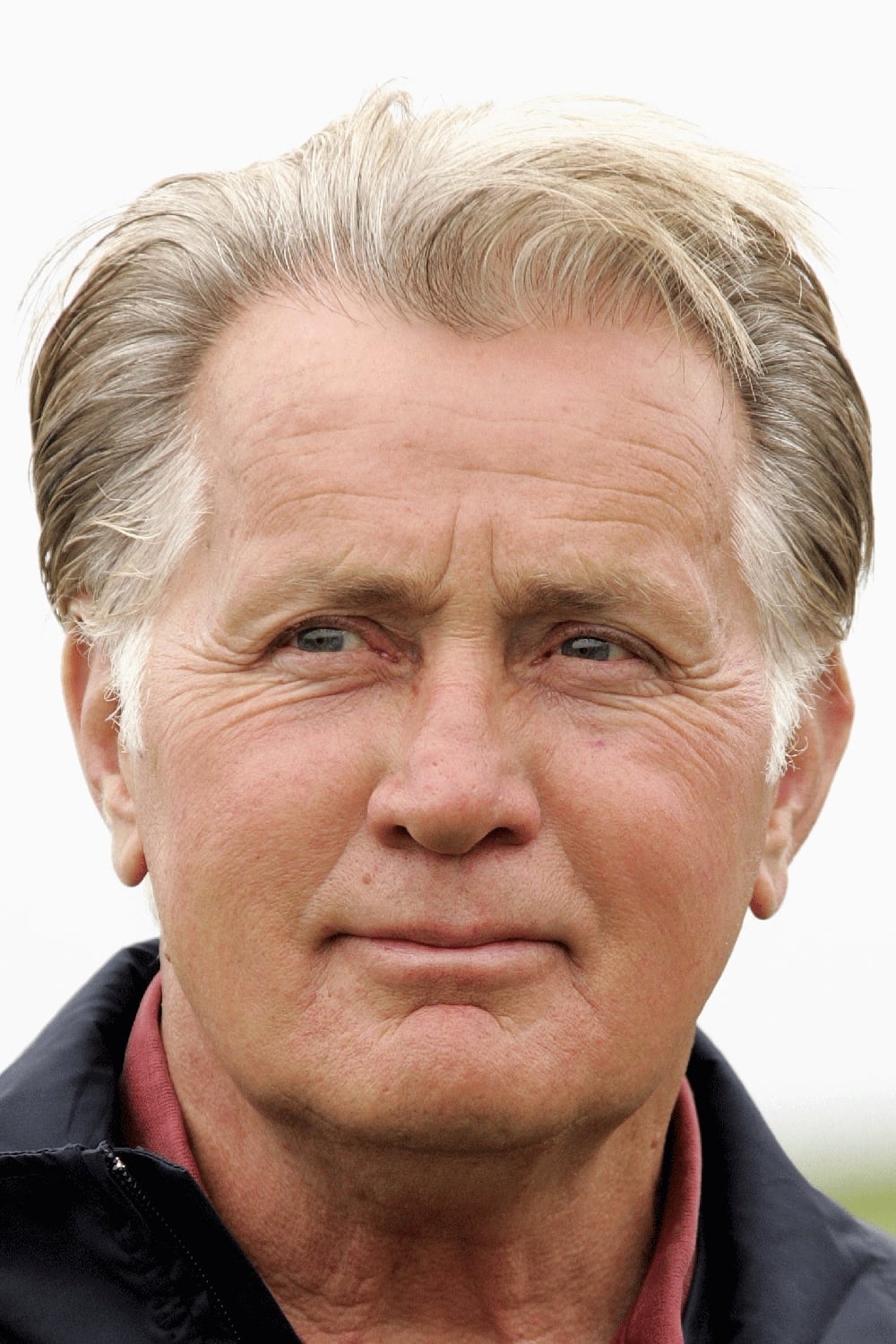
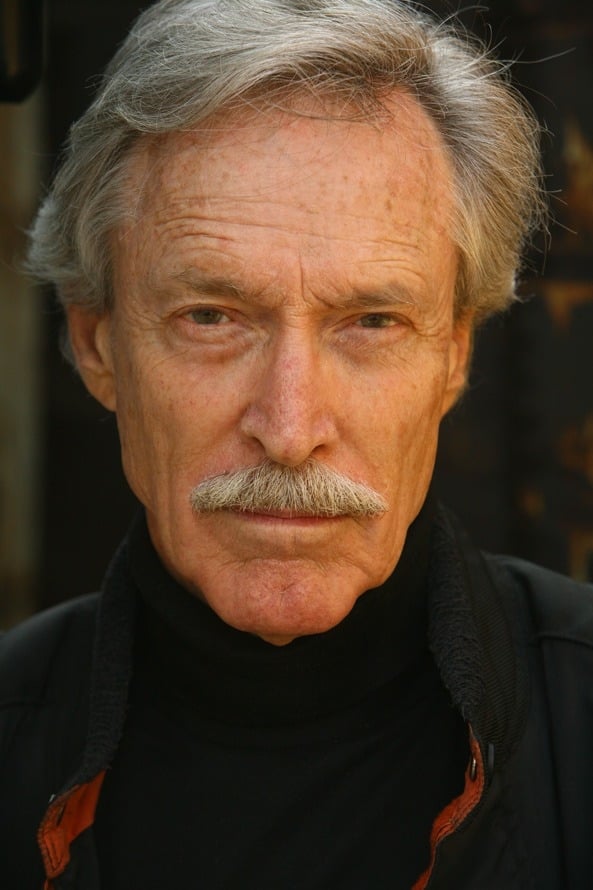
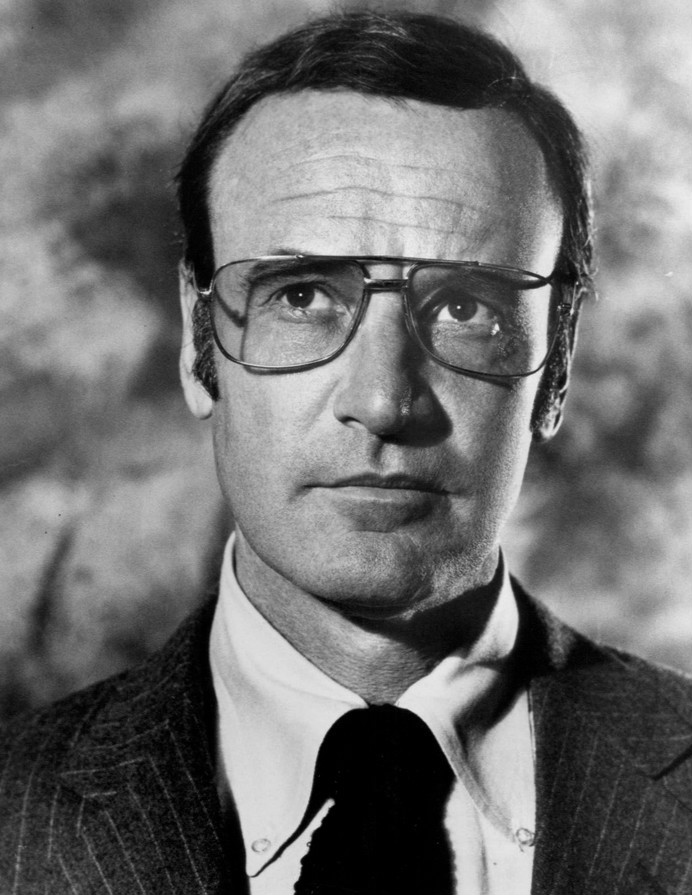
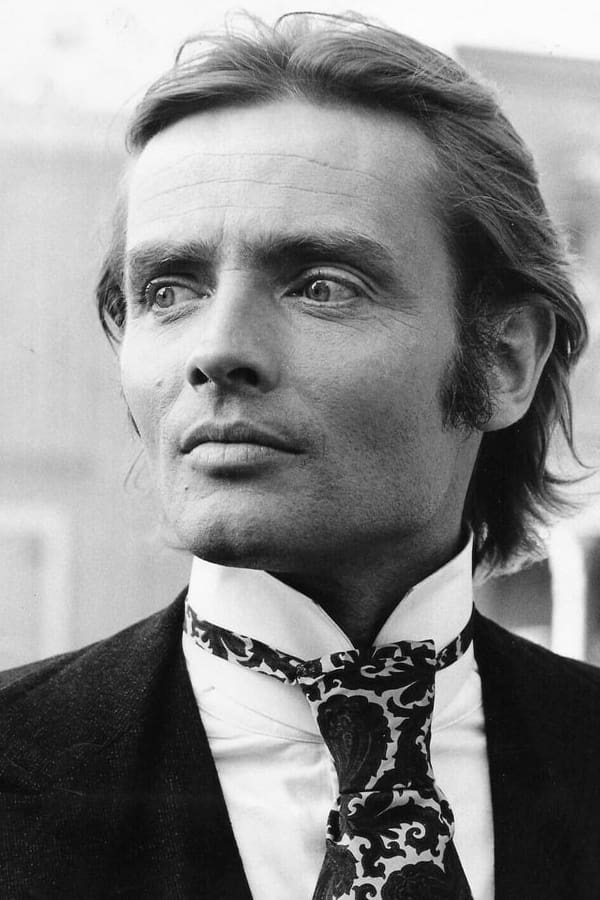
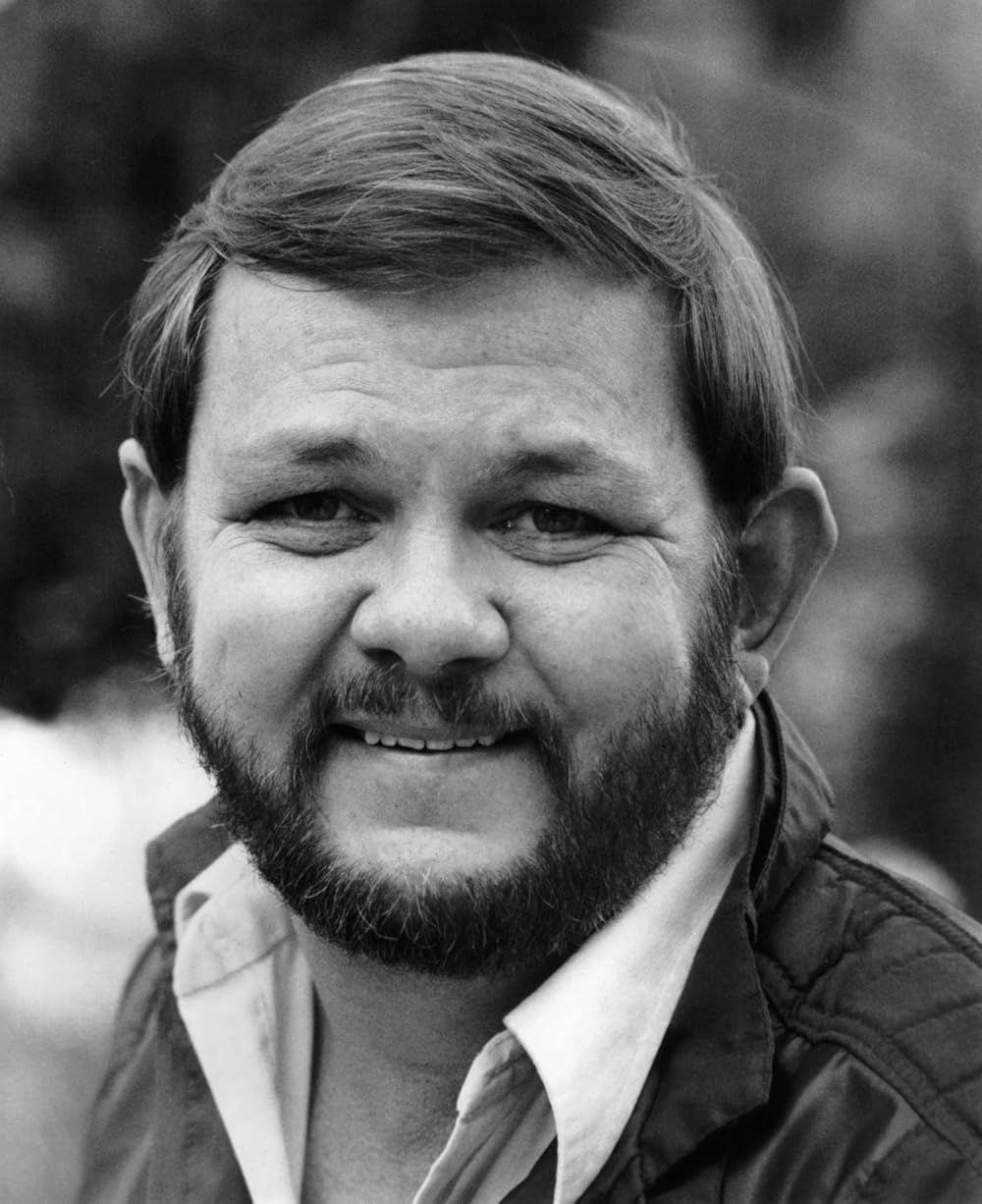
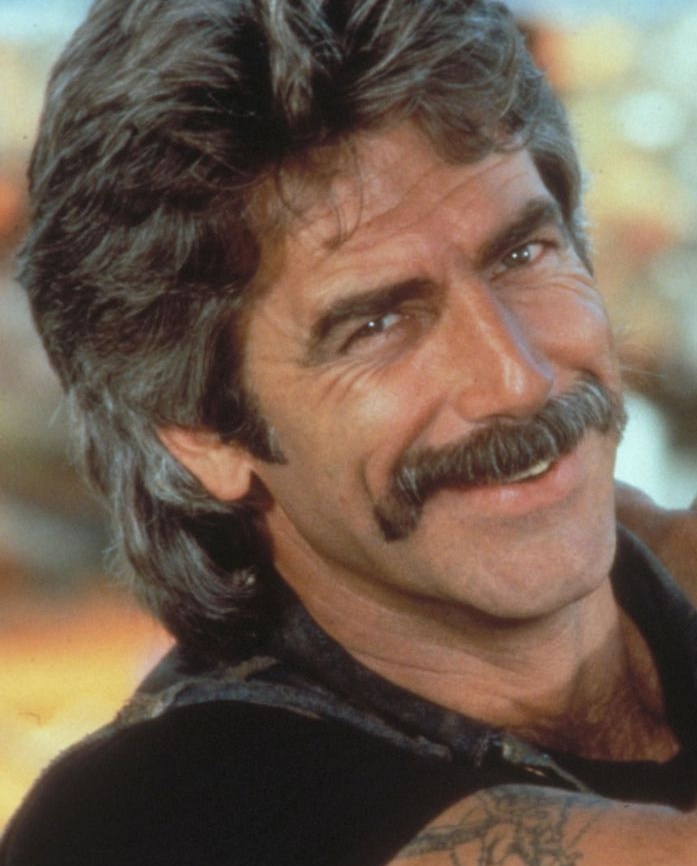
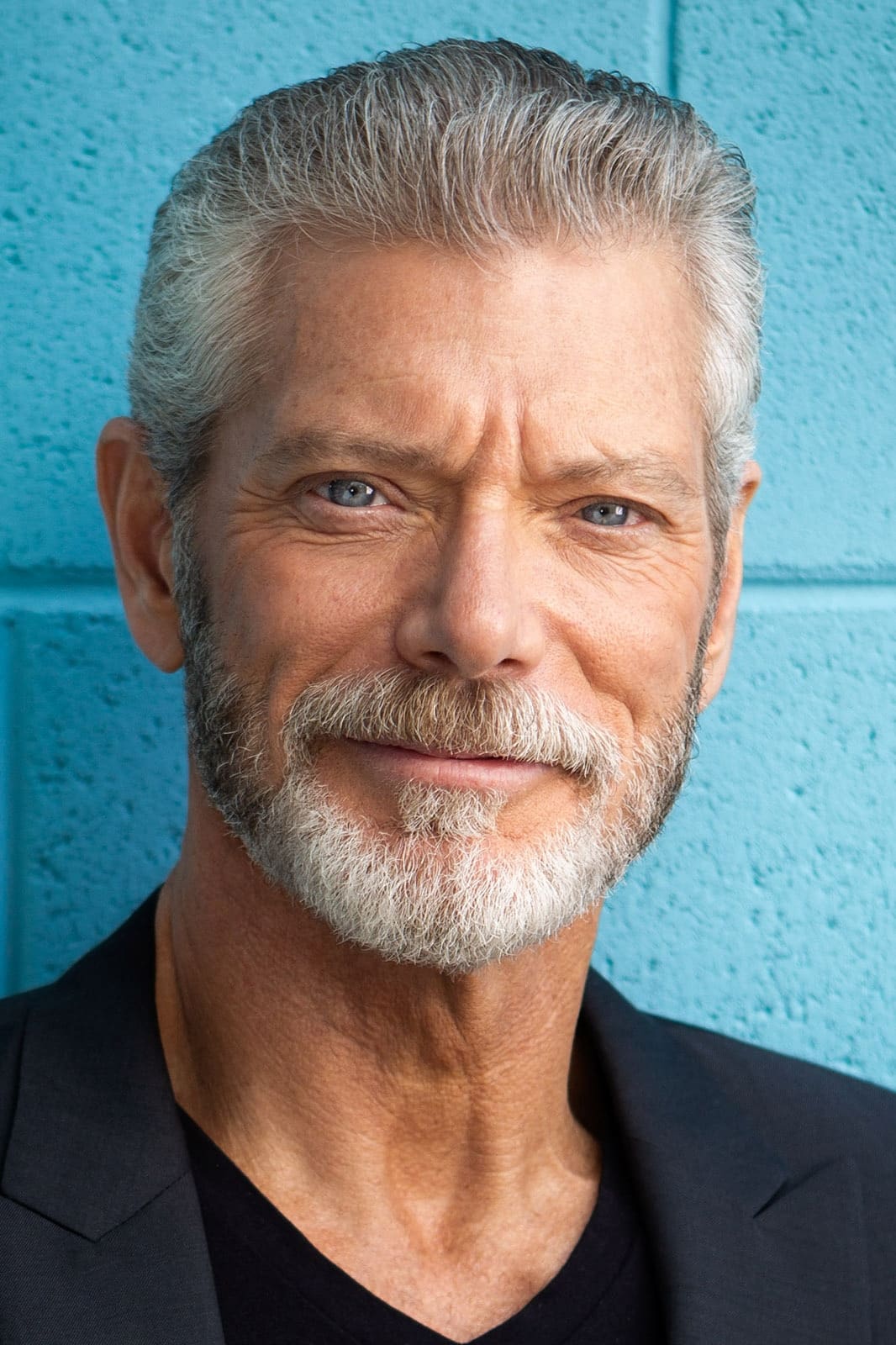
Composer Randy Edelman was initially not interested in the project because of the massive amount of music he would have to write for the film's original six hour length (when it was meant to be a mini-series). However, says Edelman, "I saw the faces of these officers, at the beginning of it, and it completely turned me on. I knew I was going to have to do it."
Cameo: [Ken Burns] telling Gen. Hancock, "We can not afford to lose you, General."
Cameo: [Ted Turner] CSA Col. Waller Patton, the forbearer of two future US Army generals.
Except for the professional actors, this movie featured over 13,000 volunteer Civil War re-enactors who paid their own way, provided their own props and uniforms and fought the battles presented on screen using the same tactics as were current at the time.
Martin Sheen's role in the movie as General Lee was at one time slated for William Hurt, who bailed on the project when the studio financing the film at the time went broke. Tommy Lee Jones was approached, but could not take it because his schedule was filled. 'Robert Duvall (I)' was the next most likely candidate, having approached the producers and done research on the role, Virginia accent and all, until Martin Sheen signed on a sudden last-minute deal.
Final film of Richard Jordan.
While 'Robert Duvall (I)' was replaced by Martin Sheen to play Gen. Robert E. Lee at the last minute, he plays Lee in the prequel, Gods and Generals (2003).
Martin Sheen was a nearly last-minute replacement to play the role of Gen. Robert E. Lee, after production delays and scheduling complications forced out other actors including 'Robert Duvall (I)'. Director Ronald F. Maxwell said in interviews he was grateful to Sheen not only for accepting the part and doing such a great job, but for being a total gentleman about the situation.
Original working title was "The Killer Angels." Test audiences thought the movie was about motocycle gangs and thus it was changed to its broader, current title.
From the first ideas and story drafts, to the final editing and post production, almost 15 years of work went into the making of this film.
The scene where Tom Chamberlain converses with the Confederate POWs is adapted from the painting "Prisoners at the Front" by Winslow Homer, a sepia-toned shot of which is also included in the opening credits, although the Union officer depicted in the painting is actually Brig. Gen. Francis C. Barlow.
Charles Lester Kinsolving who plays General Barksdale, is actually a descendant of the General.
Stephen Lang, who played Gen. George Pickett, was thrown from his horse while filming the Pickett's Charge sequence. This was included in the film.
When Pickett tells Armistead that he cannot order Garnett not to make the charge, he is alluding to the fact that at Kernstown (1862), when the Virginians were still under command of Stonewall Jackson, Garnett had been threatened by Jackson with court martial for cowardice and dereliction of duty and only Jackson's death stopped the court martial. Pickett and Armistead as Virginians and friends of Garnett would have known that, hence Pickett's unwillingness to order Garnett to stay behind.
The scene where the 20th Maine reaches the summit was actually filmed on Little Round Top. The actor with the binoculars behind them is playing General Gouverneur Warren. The man is in the same pose as the famous Warren statue and is blocking the camera from seeing the actual statue which is right behind him.
There were actually 3 Chamberlain brothers at Gettysburg although only two are in the film. Brother John Chamberlain was a Doctor who had come down to visit his brothers Joshua and Thomas. When Lee invaded Pennsylvania John stayed with the 20th Maine to help. He treated the wounded of the 20th Maine on Little Round Top as well as helping afterwards at various field hospitals. The line in the film "Split up, another close one like that and it could be a bad day for mother" was actually said by J L Chamberlain to his b
Continuity
At the start of the film and through July 1st, J.L. Chamberlain wears the shoulder straps of a Lt. Col. (silver oak leaves). Afterward, he wears the shoulder straps of a full Colonel (eagles). This is because Chamberlain did not receive written notice of the confirmation of his promotion until June 30. The promotion was postdated to May 20.
In the scene between Major Walter H. Taylor and General Lee at midnight July 3rd, Major Taylor's rank insignia changes to two stars (Lieutenant Colonel). In earlier scenes he wore only one star (Major).
The Confederate officer who surrenders to Chamberlain on Little Round Top on July 2nd is standing in the artillery line when the infantry marches past to start Pickett's charge the next day.
While General Longstreet talks to Colonel E. Porter Alexander during the bombardment of Cemetery Ridge on July 3rd, a Rebel gun emplacement is hit over Longstreet's shoulder, and the explosion throws a Confederate gunner over the earthworks. The camera turns to Colonel Alexander, and then comes back to Longstreet. The same gun is shown intact and the wounded Confederate is gone.
When General Lee tells his aides that he "wants to have a look around" after hearing cannon fire, he asks to have Traveler saddled up. In the next scene, Lee he is riding Lucy.
Factual errors
General Garnett is obliged to ride during Pickett's charge; and General Armistead advances on foot. In real life, Armistead was also mounted at the start of the charge. His horse was killed under him, and he carried on by foot.
When Tom Chamberlain talks to the captured Confederates, one of them says he is a Tennessean from Archer's Brigade of Heth?s division. He then says he was captured in the railroad cut west of Gettysburg. The Confederates in the railroad cut were Mississippians from Davis's brigade of the same division. The Tennesseans fought in McPherson's Woods, half a mile away.
Before the July 2 fighting, Lee meets outdoors with several Confederate generals, and says "good morning." Gen. Heth is visible, with a bandage on his head. He was knocked unconscious during the afternoon fighting on July 1, and he was still unconscious the next morning.
Early in the fight by Buford's cavalry the camera pans past a U.S. flag behind a group of cavalry men. Cavalry did not normally carry a full sized U.S. flag. The flag is the size carried by infantry, not the smaller cavalry standard.
In the film, Moxley Sorrell holds the rank of major. In real life, Sorrell was promoted to Lieutenant Colonel on June 18, 1863, 13 days before the battle of Gettysburg.
Incorrectly regarded as goofs
In the long shot of Pickett's Charge, the object in the background is actually a flag, the Confederacy's "Second National" or "Stainless Banner," carried by a man on horseback. It's white with a dark canton, and moving at a gallop. From a distance, it looks like the outline of a van driving by.
Some Confederate generals talk about Charles Darwin. General Pickett says that he refuses to believe that man descended from apes. Darwin's "The Descent of Man," which theorizes on the ape-like origins of the human species, was published in 1871. "On the Origin of Species," published in 1859, caused considerable scientific and religious debate in the early 1860s. Though the book explicitly avoided human evolution, the debate surrounding it did not. In 1863, educated people likely would have known about the controversy.
During Pickett's Charge, General Garnett says, "Give them the cold steel, boys!" General Armistead said it just before leading his men over the stone wall. However, troops leading bayonet charges used the phrase often during the Civil War. It's very likely that other commanders said it before July 3, 1863.
After the first day of battle, General Hancock and General Buford make arrangements to send General Reynolds' body to "his folks in Lancaster." Reynolds' mother died in 1843, and his father died in 1853. "Folks" can refer to any family members, not just parents.
The director deliberately dressed Lieutenant Colonel Fremantle in a red uniform, carrying a cup of tea, to avoid confusing the audience. Fremantle's British uniform would have been dark blue, similar to that of a Union officer.
Revealing mistakes
The battle of Little Round top takes place on the afternoon of July 2. After the battle, as Chamberlain speaks to the wounded Sergeant Kilrain, the actor's breath is visible, indicating cold weather. Later in the film, when a messenger climbs Big Round Top to speak with Chamberlain, the messenger's breath is visible.
Near the end of the charge down Little Round Top, a Union Soldier on the right side of the screen has a bayonet bent at a 90 degree angle.
When the rebel sharpshooter hits General Reynolds, he falls from his horse onto his back. A soldier rushes to his side and cradles Reynolds' head with his left hand. A blood pack is clearly visible in the soldier's hand. The soldier moves his hand back, and his hand is bloody a minute later.
When Longstreet arrives at Lee's headquarters on the afternoon of the first day, shadows from the stage lights are visible on the farmhouse wall, cast by a light source off camera to the left. The position of the sun is to the right, and natural shadows are visible, cast right to left.
On the first day, Heth's Division formed on Herr's ridge and advanced in line of battle toward Buford's troopers, not 50 yards in front of Buford. Filming required the units to be positioned much closer to each other to be seen in the same picture. Long range lenses make things look closer together than they really are.
Miscellaneous
When the 20th Maine arrive at the Union center on the 3rd day of battle and Col. Chamberlain is about to be taken to meet General Hancock, he tells Ellis Spear to take the men to their relief point and refers to him as "Major Spear." Spear was not promoted to major until August 28, nearly two months after the Battle of Gettysburg.
After Colonel Rice congratulates Chamberlain following the fighting on Little Round Top, Chamberlin walks past several of his troops one of whom (in the lower right of the screen just before the cut) is out of uniform. He is wearing a blue nylon jacket and a modern day baseball hat.
Anachronisms
When Col. Chamberlain talks to his brother Tom while sitting on the big rock after the Battle of Little Round Top, a car drives by on a road in the background, on the right.
In the Director's Cut, where Buford discusses strategy with his officers in the Gettysburg cemetery, the tombstones are clearly from after the Civil War, with designs and craftsmanship from as late as the mid-20th century.
During the Civil War the correct U.S. Army salute was palm out, British style.
A jet contrail is visible when Col. Joshua Lawrence Chamberlain walks past the violins on his way to talk to the Confederate captives.
When General Longstreet tells Harrison what will happen during Pickett's Charge, he says artillery canister fire consists of bits of shrapnel. At the time, canister and shrapnel were two completely different things, and Longstreet would not have confused them. Canister is a bag or tin of lead balls which, when fired from a cannon, act like projectiles from a large shotgun. Shrapnel is smaller balls packed into an explosive shell which are scattered when the shell explodes.
Audio/visual unsynchronized
In an early "marching" scene prior to the beginning of the battle, a soldier pounds a drum without making any noise.
Crew or equipment visible
In the final scenes of Pickett's Charge, the harnesses and wires that pull the men who are blown backwards by the cannon are visible.
Character error
Before the third day of battle, General Armistead tells General Longstreet about a party in California, hosted by General Hancock, for various officers about to depart for service in the Confederate Army. Armistead says that Mrs. Myra Hancock sang the song Kathleen Mavourneen at the party. According to historian Bruce Catton Albert Sidney Johnston's wife sang Kathleen Mavourneen at the party.
In only one scene is Maj. Walter H Taylor, Lee's aide, wearing the correct number of collar stars (1) on his uniform. For the rest of the film, he is wearing two, commensurate with the rank of Lt. Colonel. However Taylor was not promoted to Lt. Colonel until December, 1863, five months after the battle.