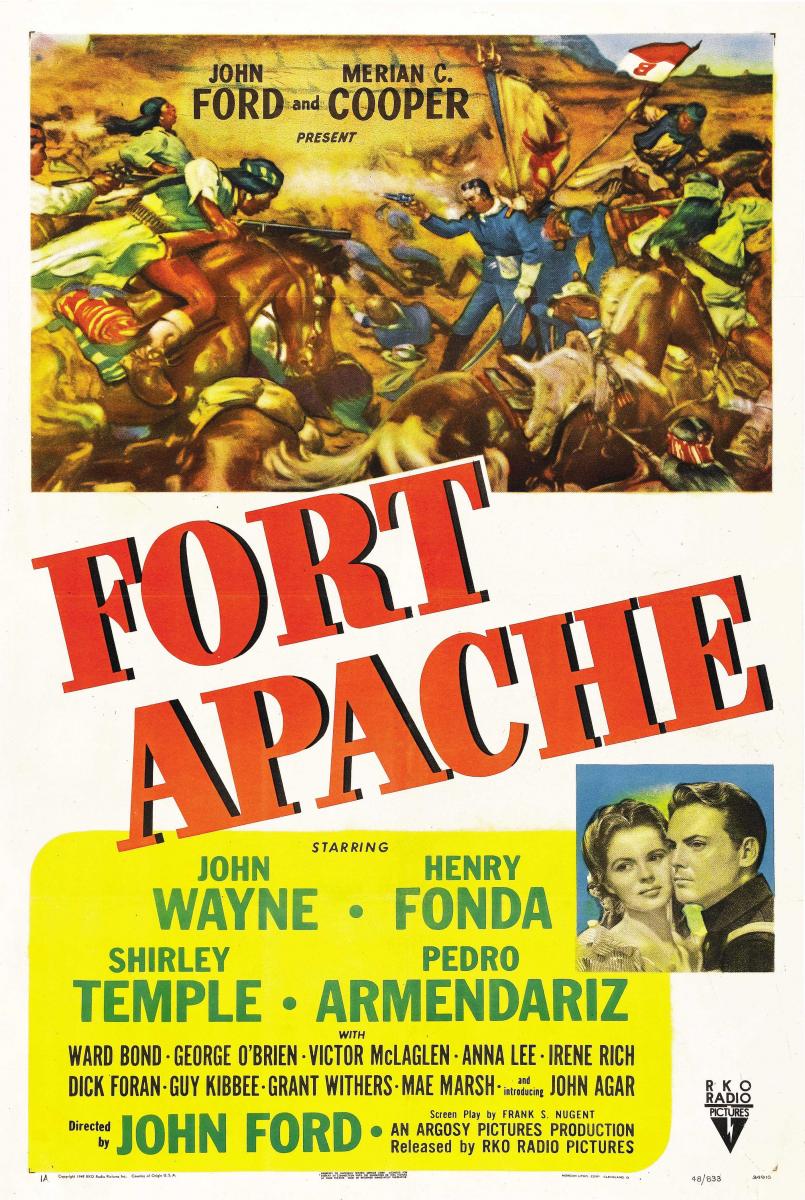
Fort Apache (1948)

Deep into the territory of the great Apache chief, Cochise, the demoted Civil War general, Lieutenant Colonel Owen Thursday, reports for duty as a commanding officer at the remote U.S. cavalry outpost known as Fort Apache, along with his daughter, Philadelphia. There, the arrogant commander will soon lock horns with the realistic and sensible second-in-command, Captain Kirby York, who, as an expert in the local Apaches, disagrees with Thursday who wants to make a name for himself in the Arizona frontier. In the end, is it wise to engage in battle when personal glory is all you seek?
Adventure Thunders Across the Screen!
First Sgt. Festus Mulcahy: [after Co. Thursday has told the soldiers to destroy the contraband "whiskey"] "Destroy it," he says. Well, boys, we've a man's work ahead of us this day.
Arches National Park, Utah, USA
Shafer Outlook, Goosenecks State Park - State Highway 316, Mexican Hat, Utah, USA
Dead Horse Point State Park, Utah, USA
Moab, Utah, USA
Monument Valley, Arizona, USA
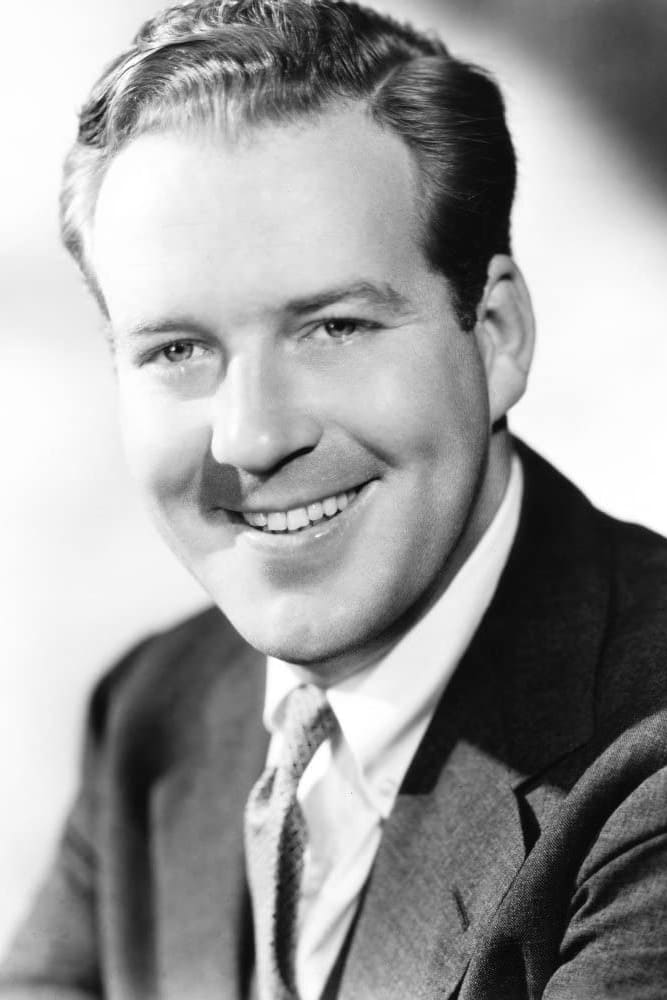
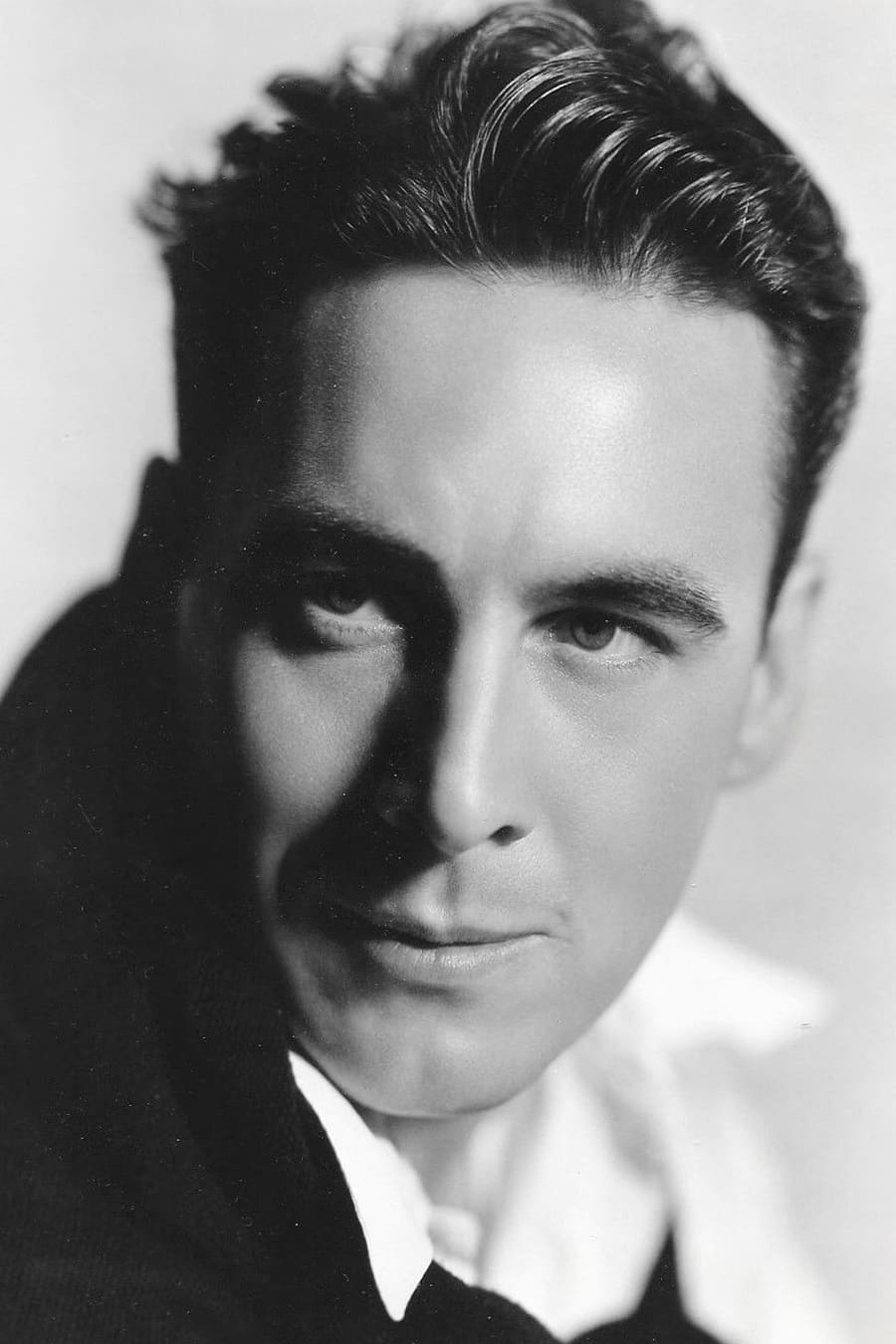
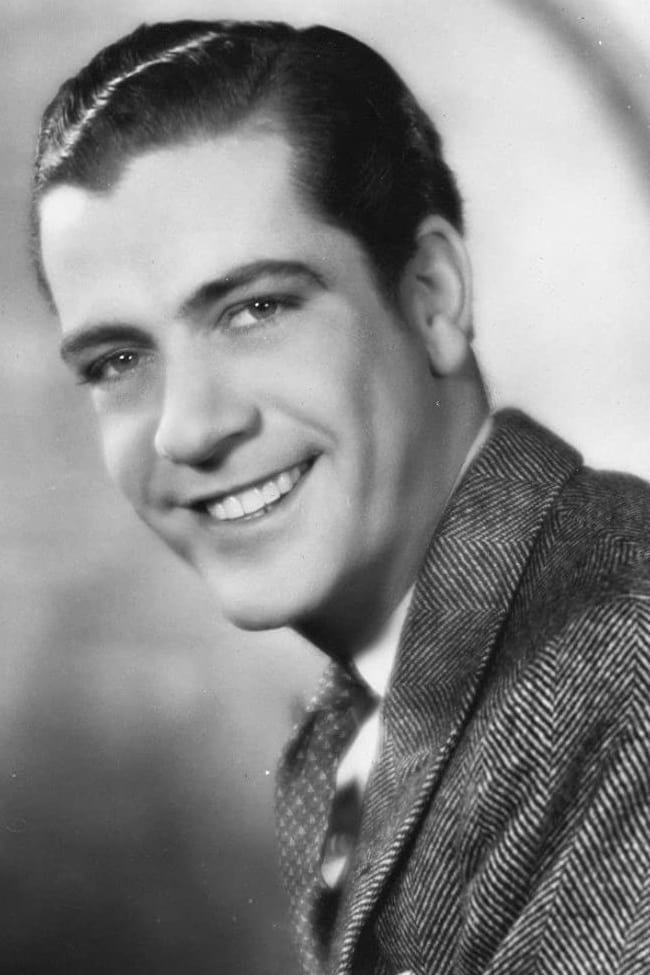
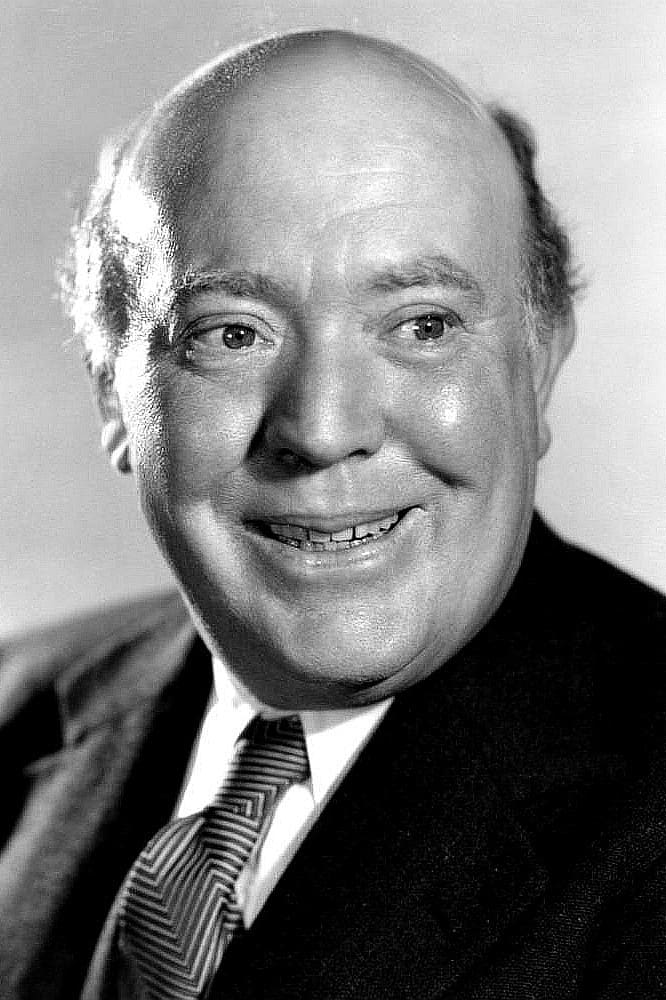
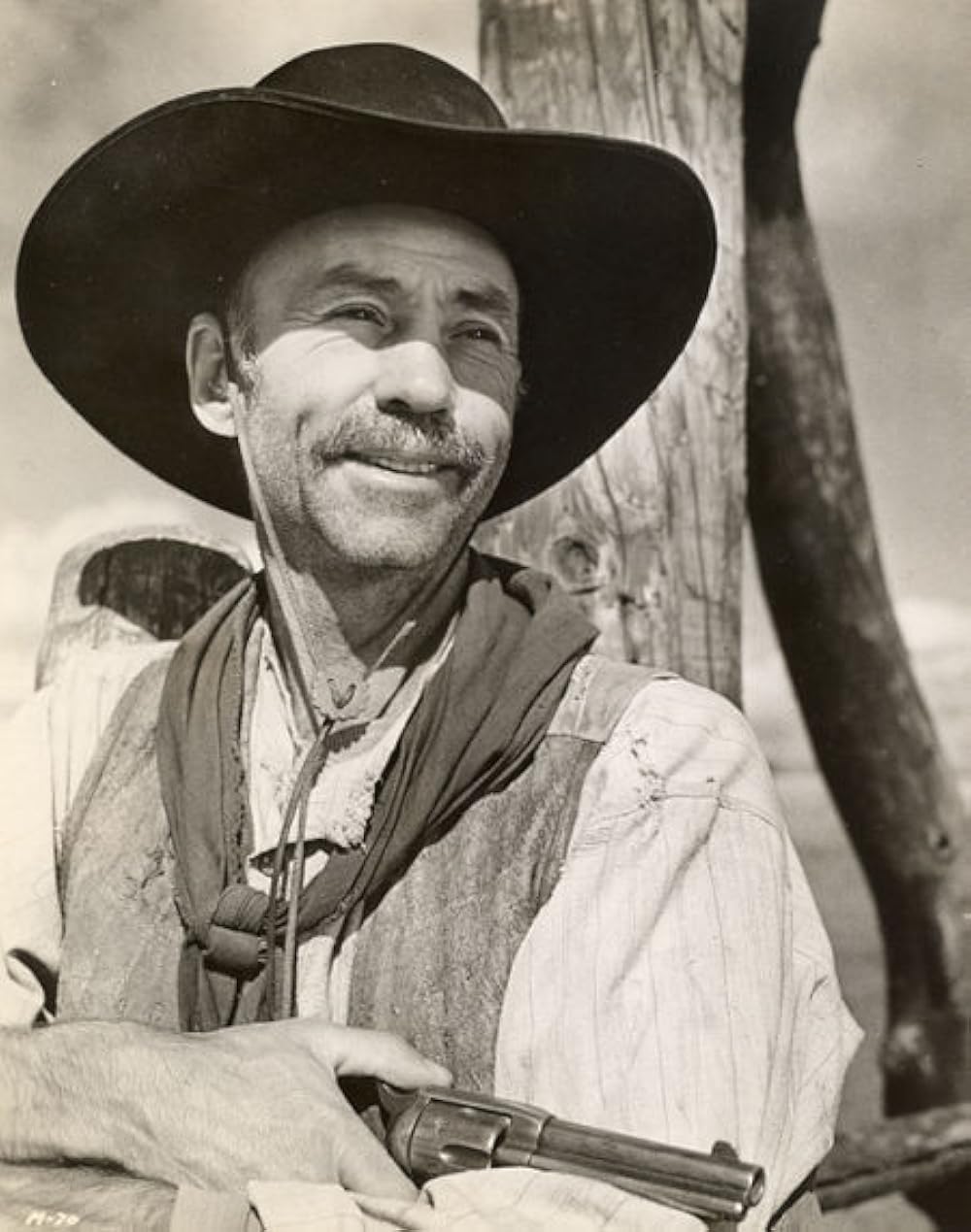
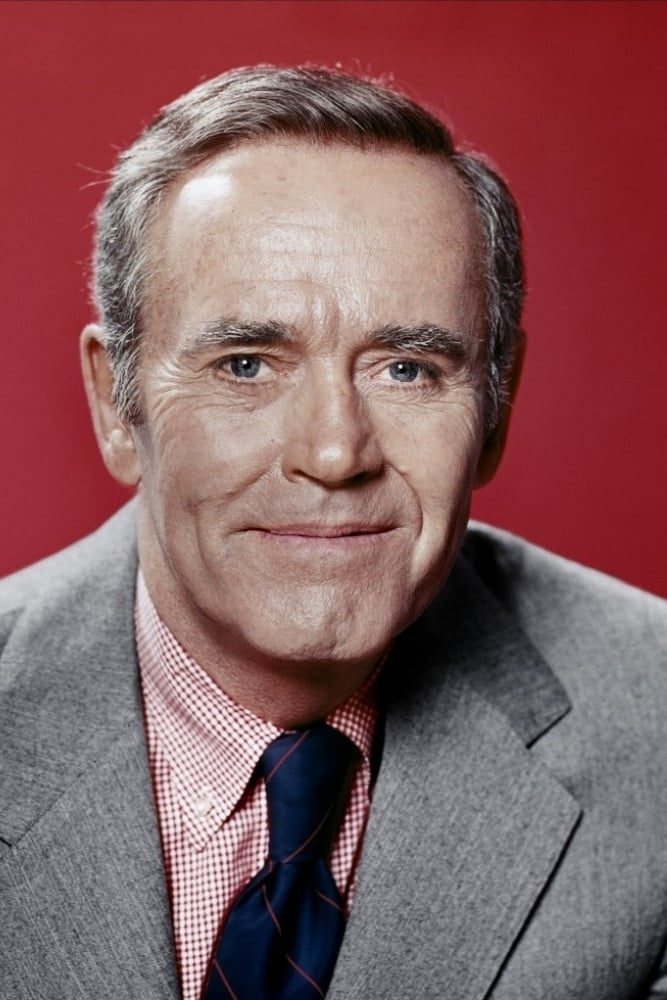
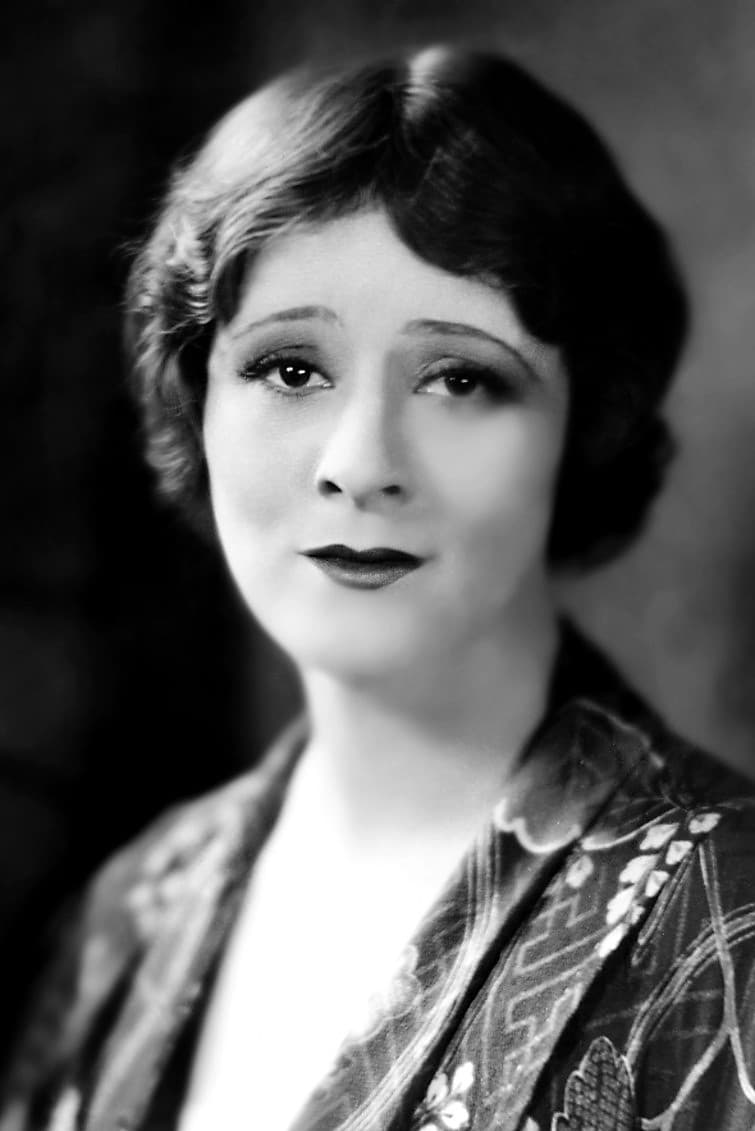
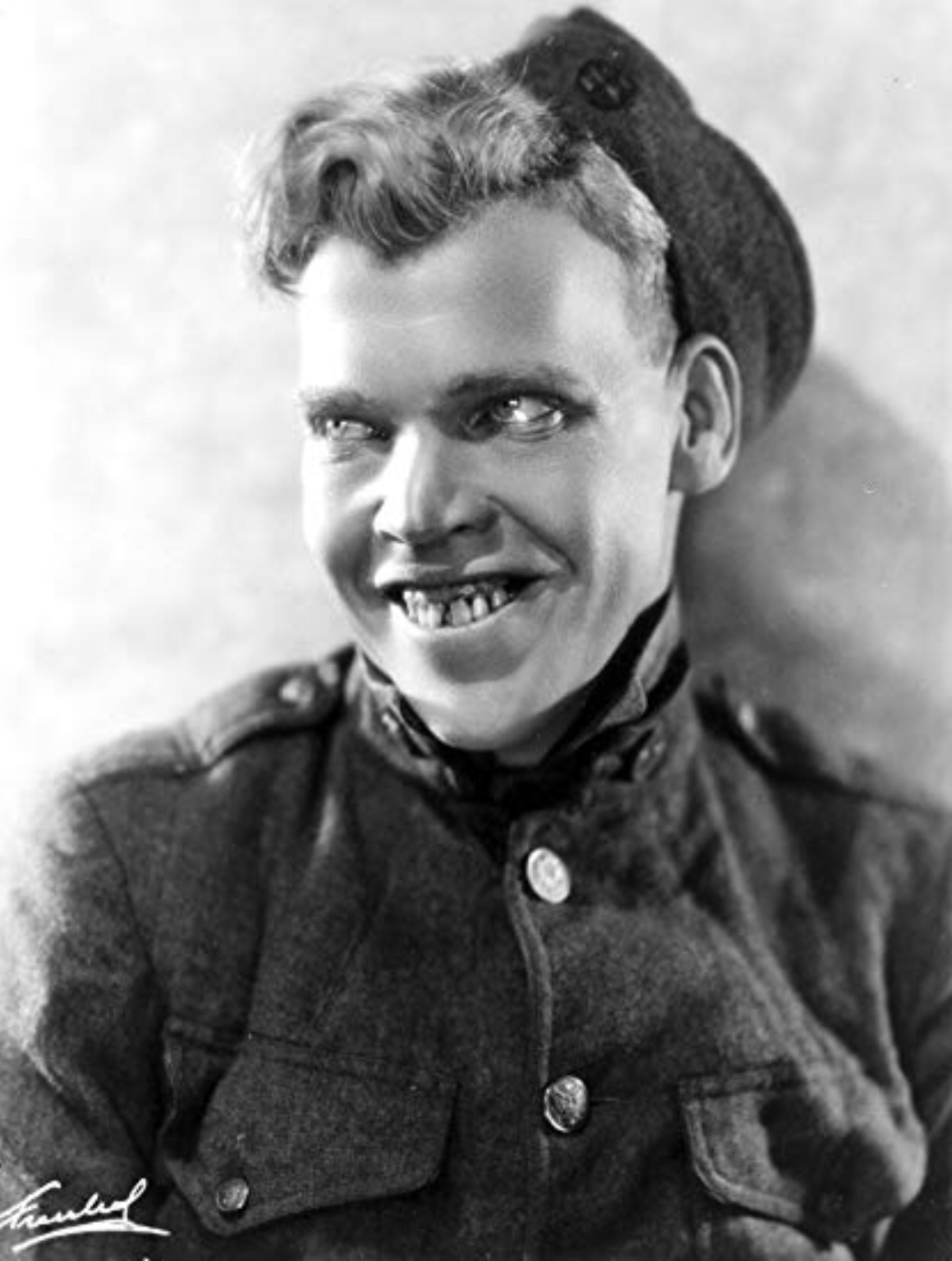
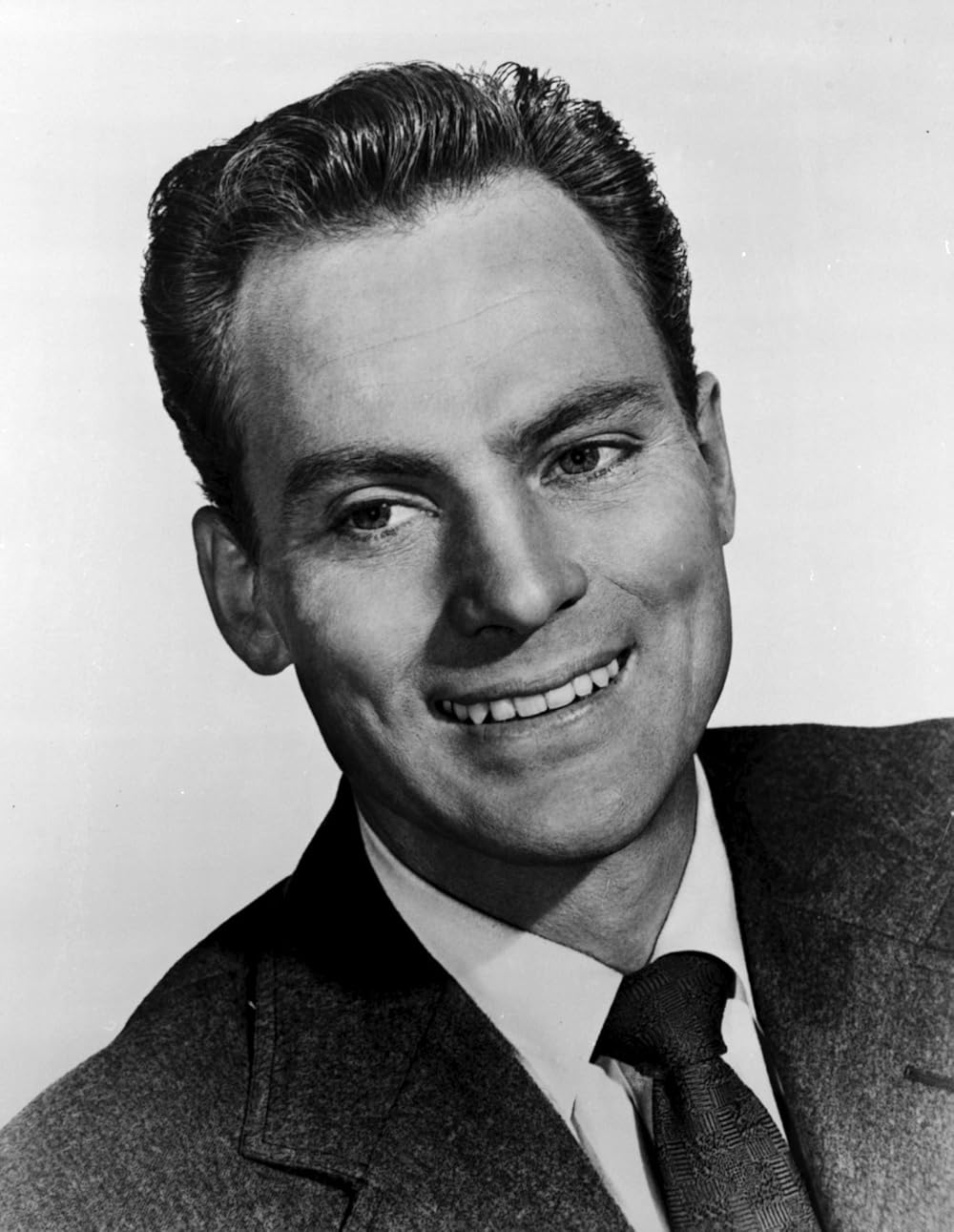
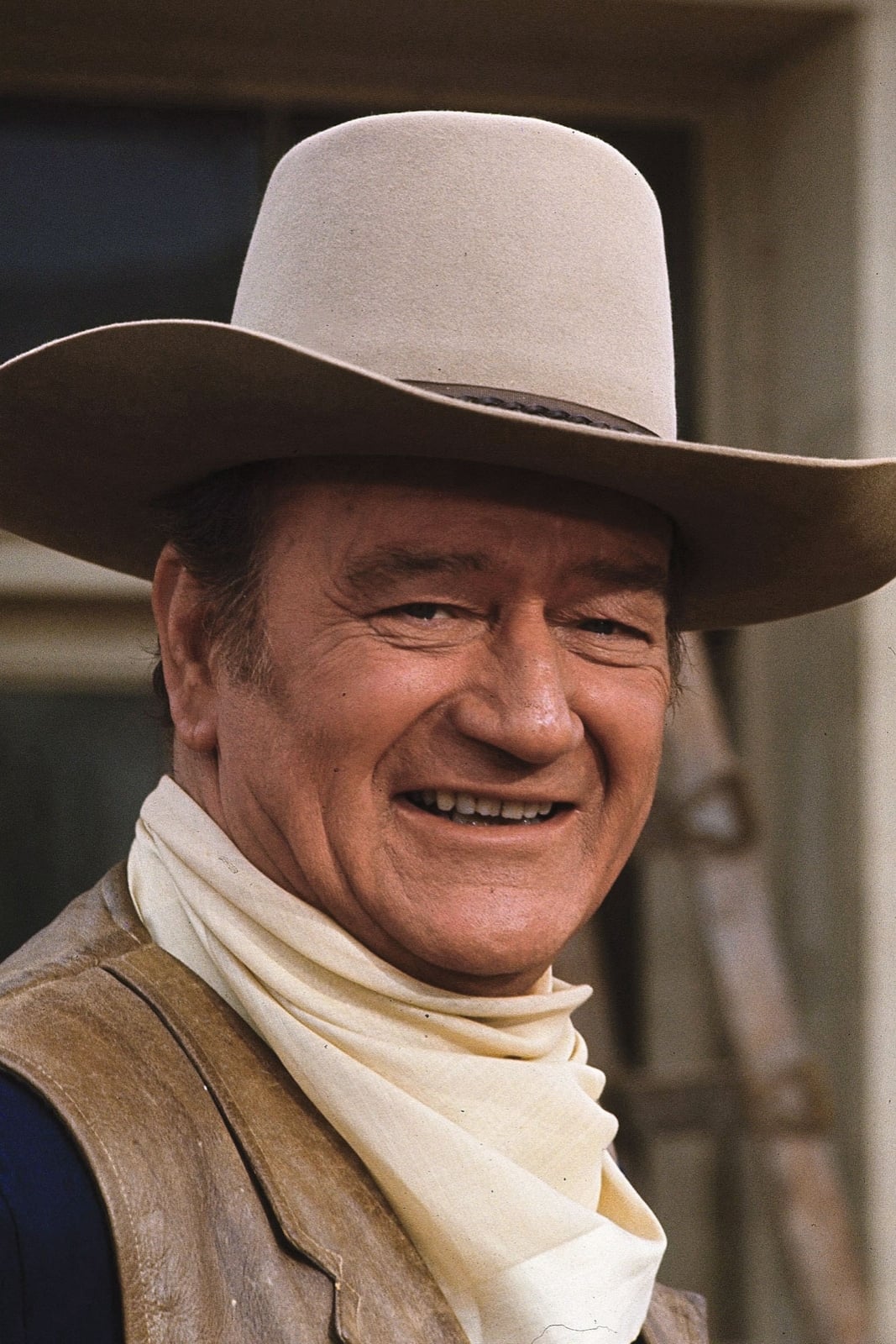
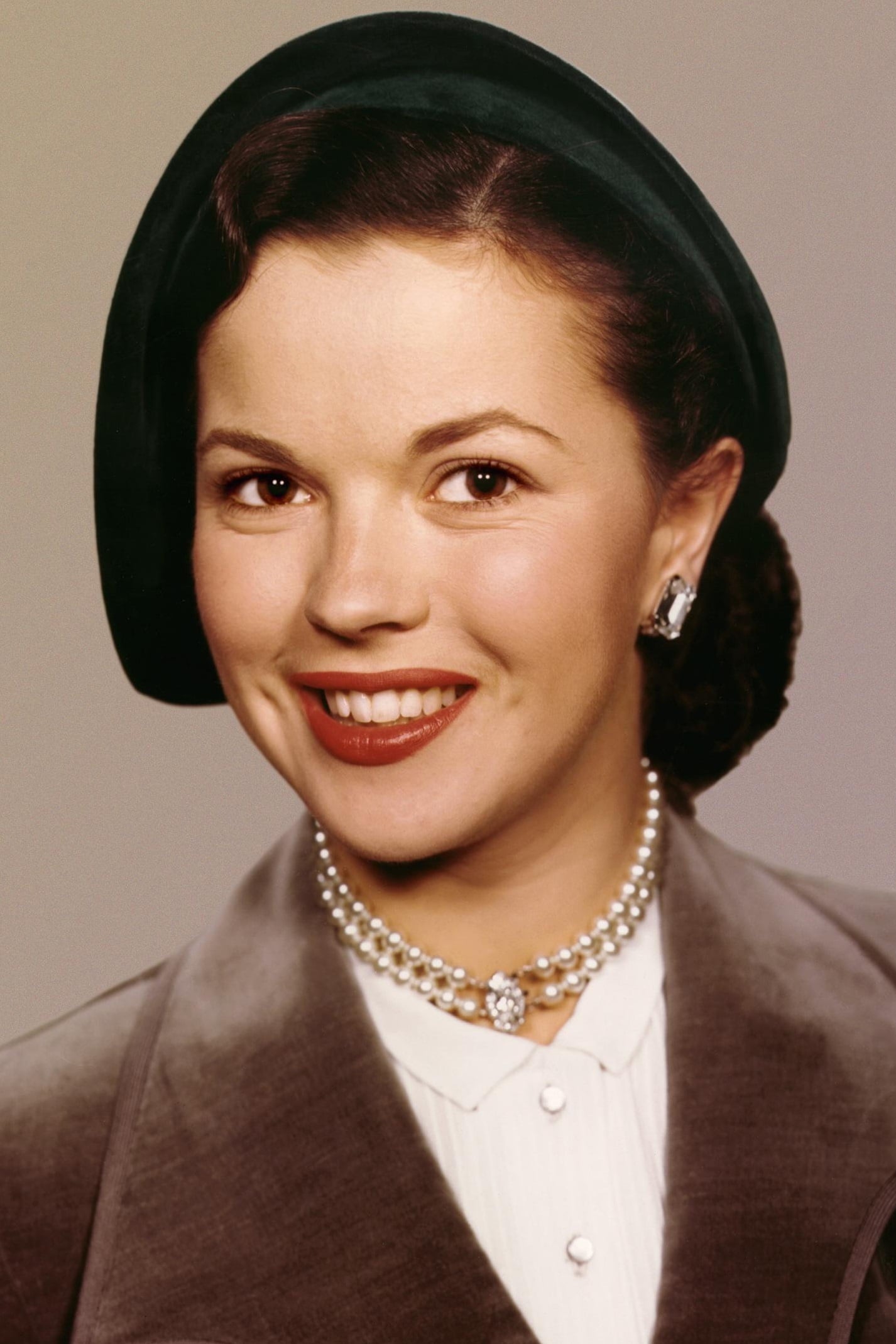
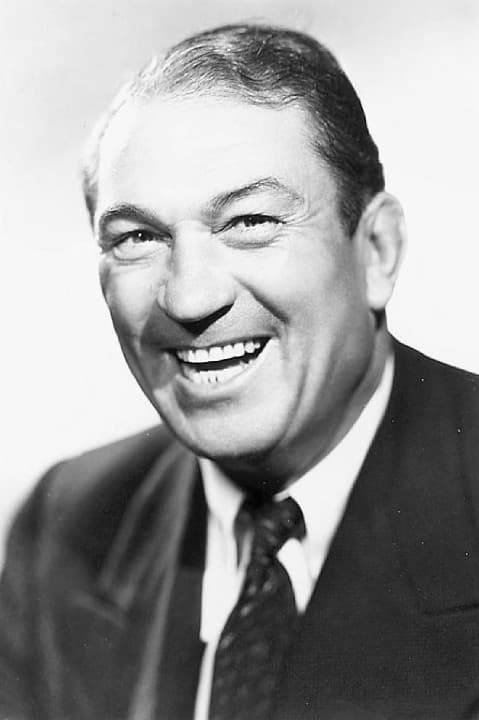
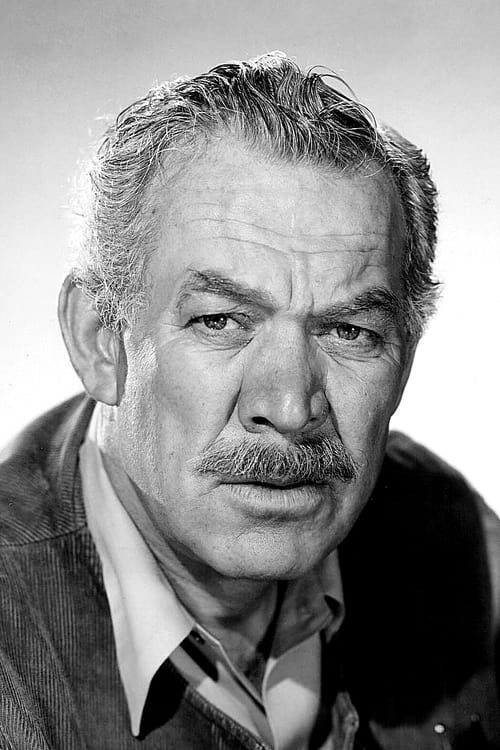
The cast member who had the hardest time with John Ford was John Agar, making his film debut. Whether it was because Agar was newly married to Ford's beloved Shirley Temple or because he wanted to test him, the director rode him mercilessly, calling him "Mr. Temple" in front of everyone, criticizing the way he delivered lines, chastising him for his lack of expert horsemanship. One day Agar stormed off, vowing to quit the picture, but John Wayne took him aside and helped him with some of the more difficult aspects of his job.
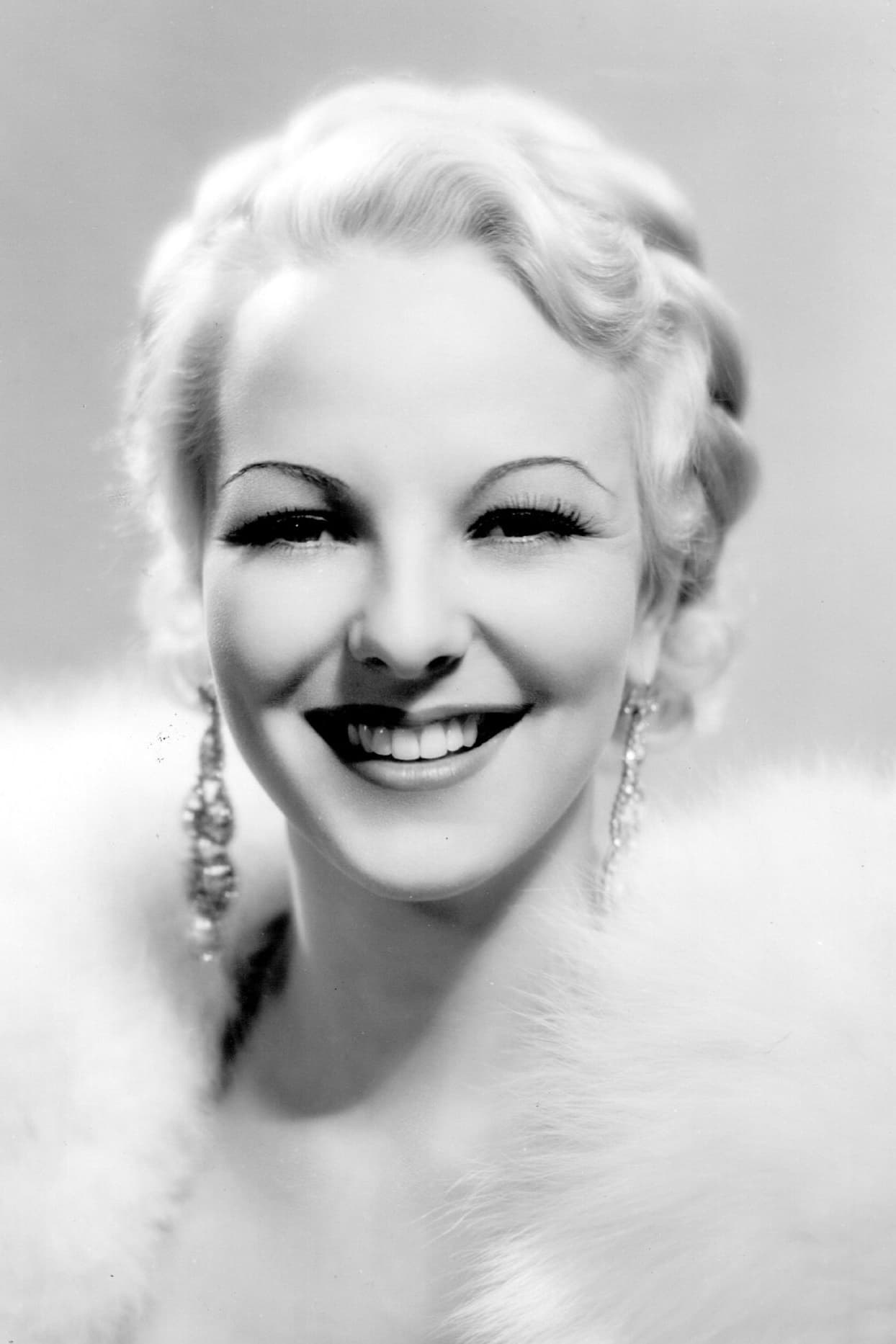
Shirley Temple, in one of her first adult roles, was pregnant during shooting and worried that riding horses or wearing her corset too tight would induce miscarriage.
Movie censor Joseph Breen had some problems with the script. He was concerned about a scene of the men working at a manure pile as possibly offensive and insisted that a shot of two dead troopers be handled discreetly without any overt gruesomeness. He also gave orders that no toilet should be shown on screen and that drinking scenes be kept to a minimum. Breen also instructed John Ford to keep constant contact with Mel Morse, regional director of the American Humane Society, regarding any scenes involving horses or other animals.
Although John Ford would not allow wives and girlfriends onto his locations, John Wayne was allowed to bring his son Michael Wayne with him to Monument Valley. He later described the rugged conditions and the long, six-days-per-week working hours: "The only thing people could do in Monument Valley was work; there was no other diversion. But the rougher it was, the more Ford seemed to like it."
Stuntman John Hudkins broke his back during shooting--as a speeding munitions wagon was going around a sharp bend, the vehicle turned over, dragging the four people on board right toward a rock wall (Hudkins broke his back when one of the horses fell on top of him; the scene was kept in the film). Luckily, occasional stuntman and oscar winning actor Ben Johnson galloped in and prevented a potentially deadly accident. He was rewarded with a seven-year contract with Argosy and substantial roles in the years to come. Hudkins was out of work for about a year while recovering
Continuity
As the regiment is heading out, we see Philadelphia standing to the far left of Mrs. Collingwood and Mrs. O'Rourke. Soon after, she is on the far right, which indicates she moved. However, right after the close-up of her standing on the far right, the next immediate long-shot has her standing on the far left again.
During the battle, when York rides toward Thursday, his saber hangs from the saddle. But when he dismounts the saber is held in his waist.
Wrong Guidon/Flag. Early on Capt. York (John Wayne) is relieved of temporary command of Ft. Apache by Lt. Col. Thursday (Henry Fonda) whom then orders him to return to HIS Troop which we learn is "A" Troop. A bit further on in the movie York (Wayne) is ordered to take a platoon from "A" Troop and trail the telegraph repair crew at a striking distance. A moment after that we see that strike force headed by Capt. York being lead by a Trooper/Standard Bearer carrying a "C" Troop guidon/unit flag.
As York and Thursday are about to leave to trail Lt O'Rourke and the repair wagon, Thursday is wearing a blue kepi with a white cloth in the back to protect his head. When they arrive at Meachem's, he's still wearing the kepi with the cloth. However, as they charge after the Apaches chasing the repair wagon, where's Thursday? There is nobody wearing a kepi in the whole charge.
When Collingwood is replaced by Lt Gates as adjutant, Gates begins to take off his saber. Film cuts to Henry Fonda and back to Gates already seated at the desk.
Factual errors
During Captain York's search for Cochise, the Apaches keep track of his progress via mirror flashes. Even though the Apaches did not have a written language, they still could have used any code of their own devising to communicate (as they did with smoke signals). It is claimed that years later Geronimo's witnessing of a heliograph (mirrored code transmission) in use by the US Army it caused him to surrender for the last time. A written language is not necessary to interpret mirror flashes (heliograph). They wouldn't be using Morse Code.
Incorrectly regarded as goofs
During the Grand March at the dance, the actors perform the first round (couples) leading with the dance-favored right foot. When they double up to 4s and then 8s, they are leading with the military-favored left foot. This is an observation of who leads with which foot. There is no official lead-off foot for the Grand March. Military are trained to step out with the left foot, as in marching. It doesn't matter as long as everybody does it the same way. It's just walking.
When Lt. Michael O'Rourke and Philadelphia goes riding, they stop for while with a high and peaked boulder on their left-hand side. In the next shot, when they renew to ride, seen away from the other side, the boulder has changed to a large and low one. That's not seen from the other side. They turned about face and were riding away from the high, peaked boulder. It's now behind them.
Revealing mistakes
When Col. Thursday leads a company "at a striking distance" from a repair patrol lead by Lt. O'Rourke. Sgt. Mulcahey is part of O'Rourke's patrol, but when the action shifts to show Col. Thursday's company in a saber charge against the Apache's there is a clear shot of Sgt. Mulcahey riding next to the flag bearer with his saber drawn. Note: this scene was duplicated from Col. Thursday's final charge against Cochise.
During the final charge of the Apache onto Lt. Colonel Thursday's troopers, a far shot of the warriors streaming around their position shows just a single Apache warrior leaping into the position. When the warrior does so, most if not all the trapped troopers fall at the same time.
Miscellaneous
Captain York, remembering Thursday as a general from the Civil War, politely calls him "General Thursday", reflecting an elevation to that brevetted rank during the war (for Thursday's valiant charge mentioned by Capt. Collingwood, which earned Thursday the honor). Thursday says his rank is lieutenant colonel, the rank he is paid in. Since Thursday is a brevet major general, and a brevet honor is for life, often granted posthumously, he has the right to wear a major general's uniform, but chooses not to. Which reflects both his obsession with honor and a perverse egotism, spurning a shallow honor while determined to earn the full one, a permanent promotion to general. That is why he is so frustrated and unglued by his derailment to the backwater of Fort Apache, as he sees the path to that legacy impossibly occluded. And instead takes a shortcut not merely to glory but immortality with his flashy kamikaze charge.
When Lt. O'Rourke and his party is escaping from the Indians they show the detail riding from right to left. However, in another cut you see the Apaches riding from left to right as if the two parties were riding toward one another instead of both riding in the same direction with the Indians chasing Lt. O'Rourke's detail. Filmed from the right side and filmed from the left side. One gets used to it after a while.
Anachronisms
Colonel Thursday tells York his hat should be creased "like a fedora." The action of "Fort Apache" - entirely a work of fiction - ostensibly takes place sometime after the end of the Civil War and before Cochise's final surrender in 1872. The word "fedora" does not enter the language until 1882.
At 01:00:20 a small truck is seen on a road in the background, behind and to the right of the row of Apaches who are about to attack the repair wagon.
When the new recruits are assembled for the second time (in uniform) the two closest to the camera appear to be wearing denim jeans resembling Levi's. That style of work pant was still just taking shape in California and Nevada at that time, with the patent granted for reinforcing stress points of loose-fitting "waist overalls" with copper rivets only issued in 1873 (one year after Cochise's final surrender, and one year before he died). Cavalry trousers, when available, were made of blue kersey wool material, not cotton denim. Though superficially straight-leg "original" blue jeans appear to fit in just fine with the movie timeframe they are clearly anachronistic in that form, and unlikely to appear in frontier Arizona in that period regardless.
Just before the Indians are about to attack the wagon, a vehicle is clearly visible in the background in the lower right corner.
Errors in geography
When Captain York and Beaufort are riding to meet Cochise they pass a spot on the Colorado River which is on the northern border with Utah not the southern border of Arizona with Mexico.
Character error
During the dance in the Sergeants Mess, when the dancers are coming round in front of the camera in fours, one of the dancers curtsies, but none of the other women do this. They had already done so in a previous shot and obviously the woman must have been confused.