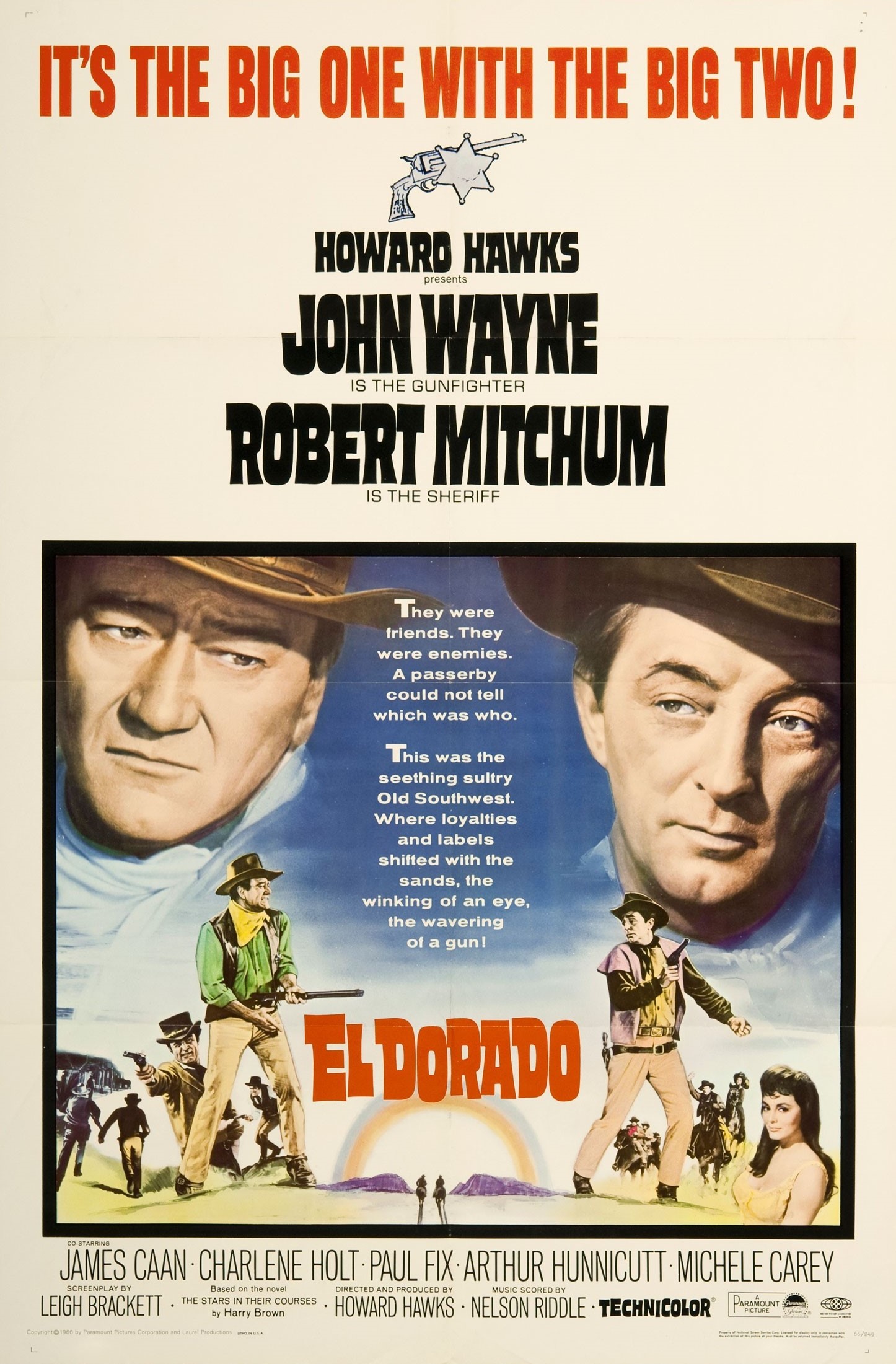
El Dorado (1967)

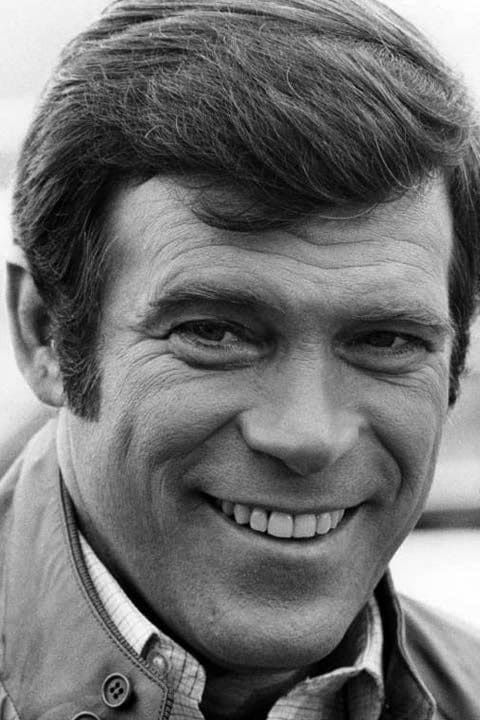
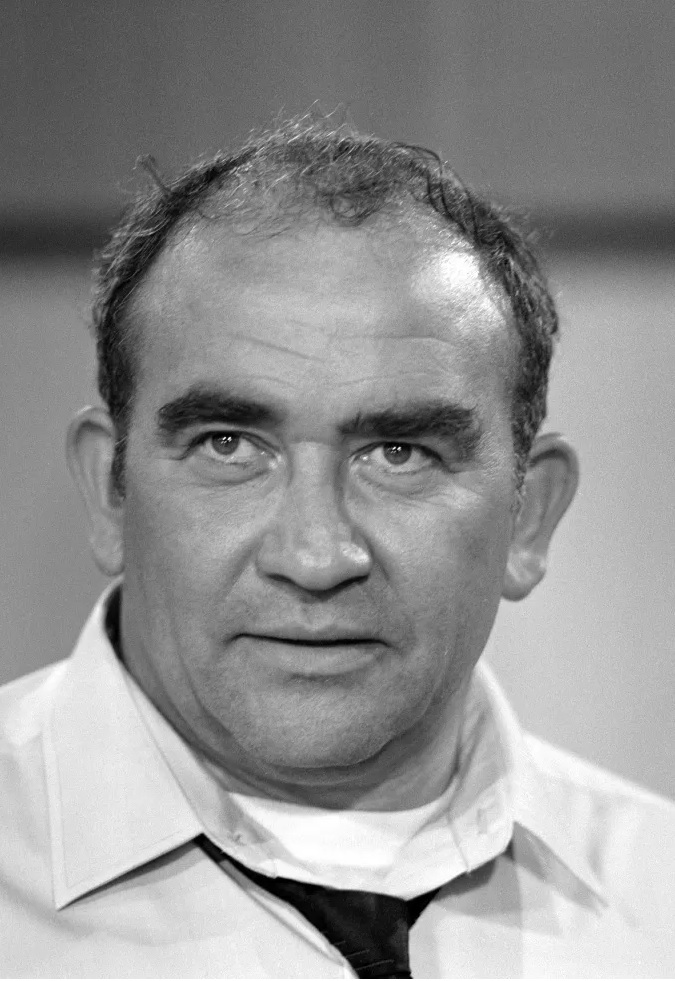
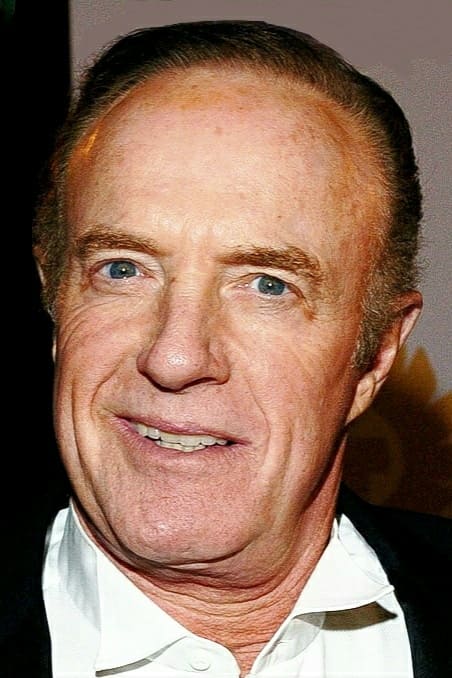
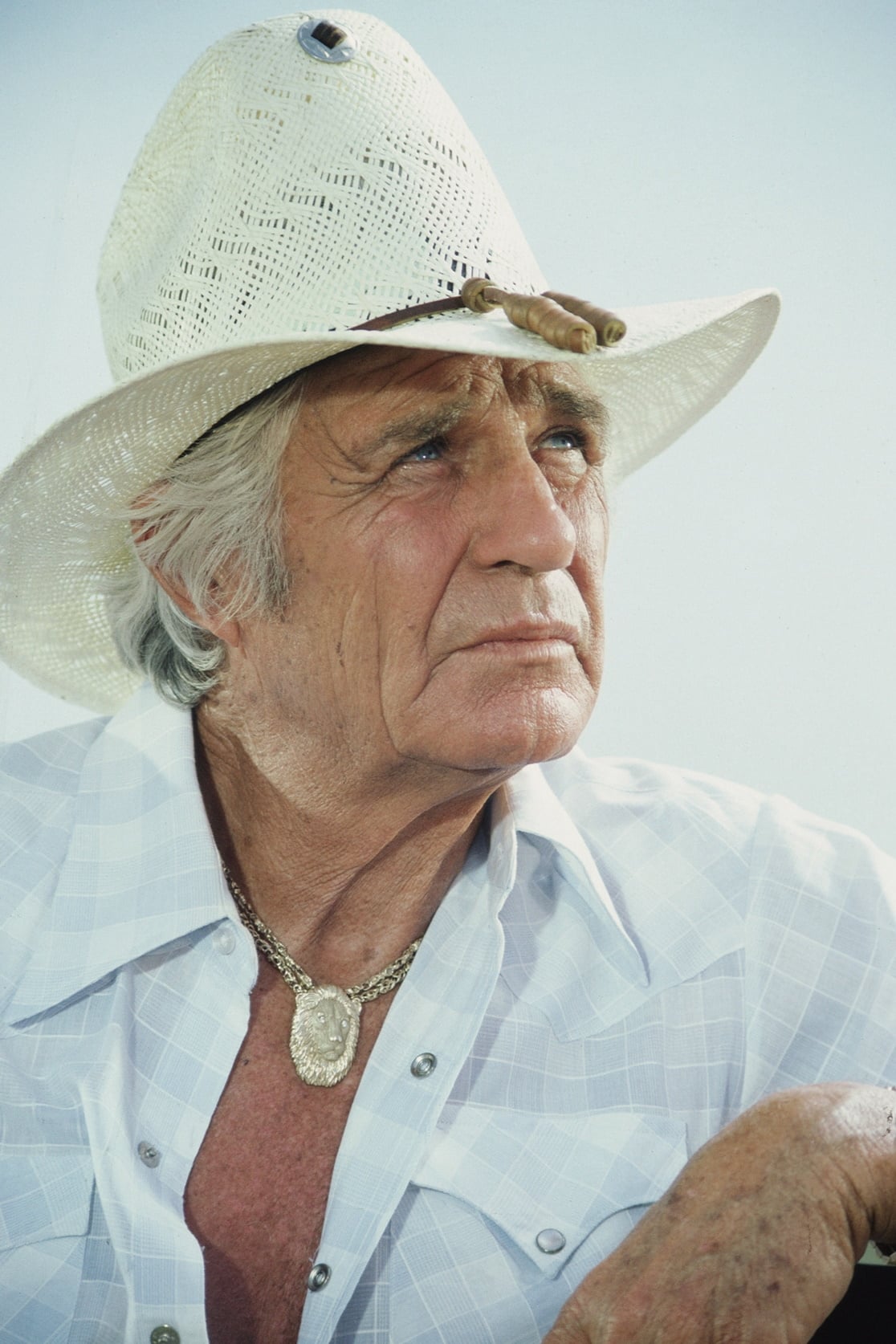
Having struck pay dirt with his 1958 western Rio Bravo, Howard Hawks more or less remade the picture twice in the 1960s. The first of these rehashes was El Dorado, with Rio Bravo star John Wayne back for more. Wayne plays a gunfighter who rides into El Dorado to link up with his old pal, sheriff Robert Mitchum ("It's the big one with the big two!" declared the film's advertisements). Wayne has turned down a job with evil land baron Ed Asner, who'd hoped to drive a family off the land that he needed for its water. That family, headed by R.G. Armstrong, is convinced that Wayne is working with Asner; when Armstrong's son Johnny Crawford dies, Wayne is held responsible, earning him a bullet in the spine from Crawford's sister Michele Carey. A year passes: Wayne returns to El Dorado, in the company of his new saddle pal James Caan. They find that Asner is still up to his old tricks, and that Mitchum has descended into alcoholism. Several plot twists and power shifts ensue, leading to the slam-bang climax, with the partially paralyzed Wayne, the newly crippled Mitchum (on crutches), and the concussion-suffering Caan battling together to stave off Asner's minions. The final long-shot, of Wayne and Mitchum limping off together arm-in-arm, is one of the most enduring images in the entire Hawks canon. If they loved it twice they'll love it thrice: in 1969, John Wayne and Howard Hawks teamed up for a third Rio Bravo derivation, Rio Lobo?which, like the first two films, was scripted by Leigh Brackett. Incidentally, that's famed artist Olaf Weighorst (whose paintings appear in the title sequence) in a cameo as the gunsmith.
"It's The Big One With The Big Two!"
Cole: Last time you took the front door and I took the back, this time we'll do'er the other way around.
Kanab, Utah, USA
Old Tucson - 201 S. Kinney Road, Tucson, Arizona, USA
(studio)
Tucson, Arizona, USA
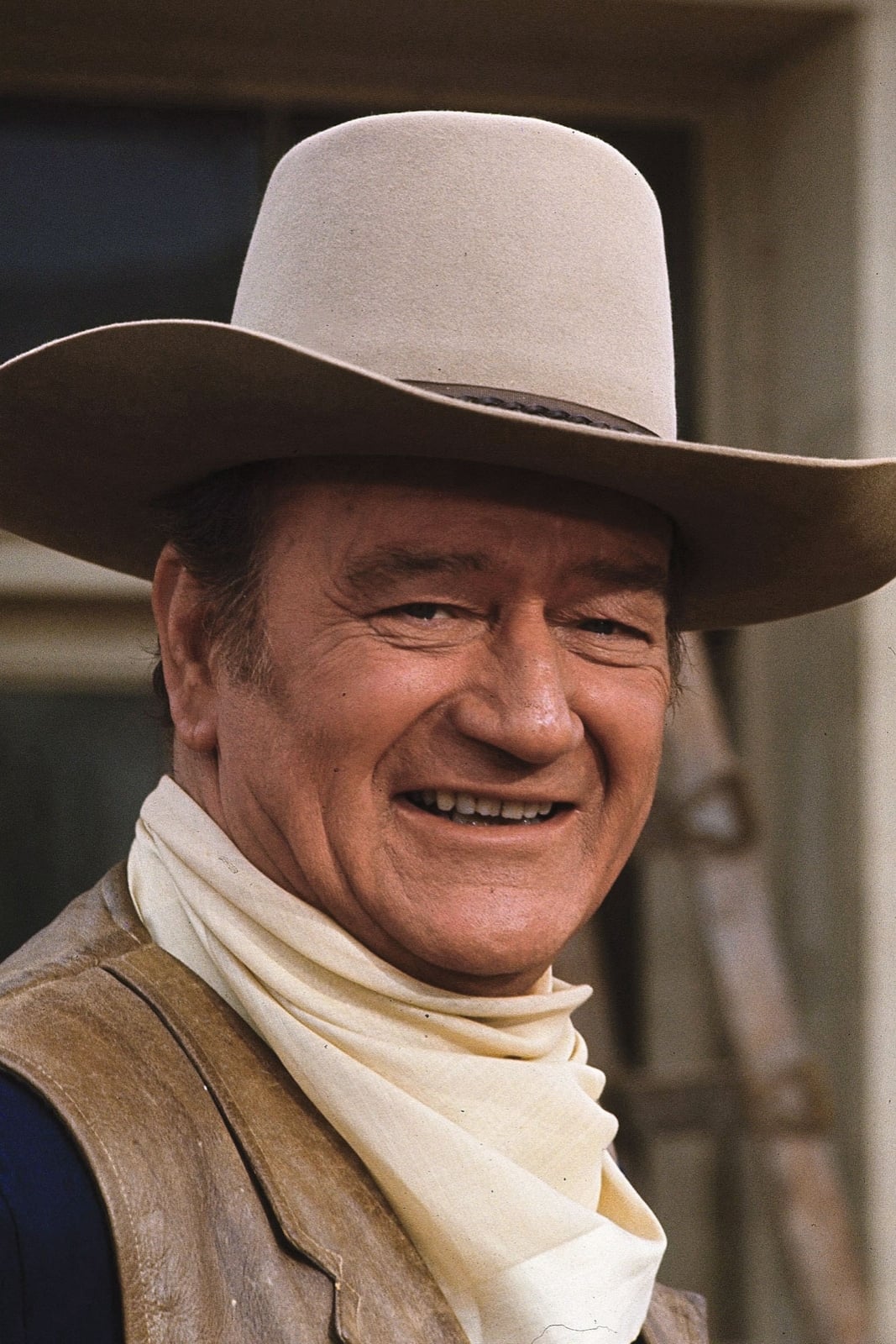
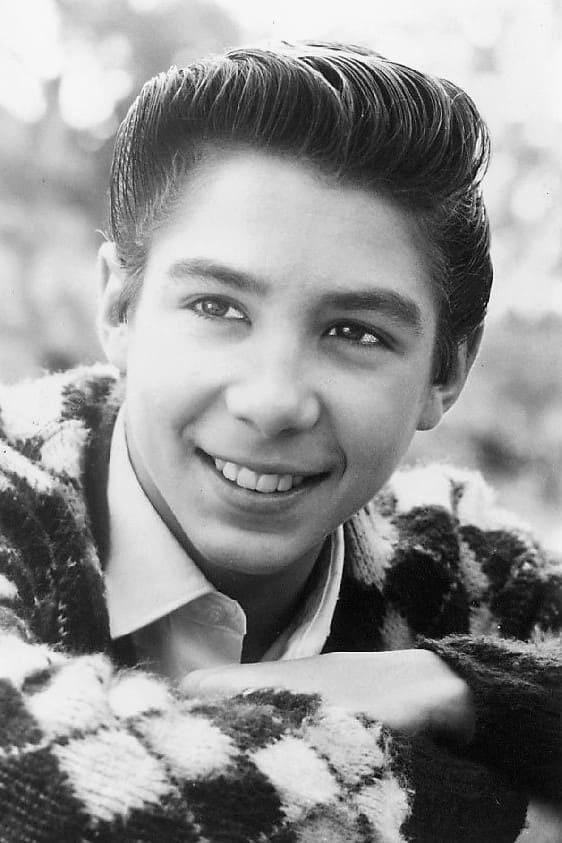
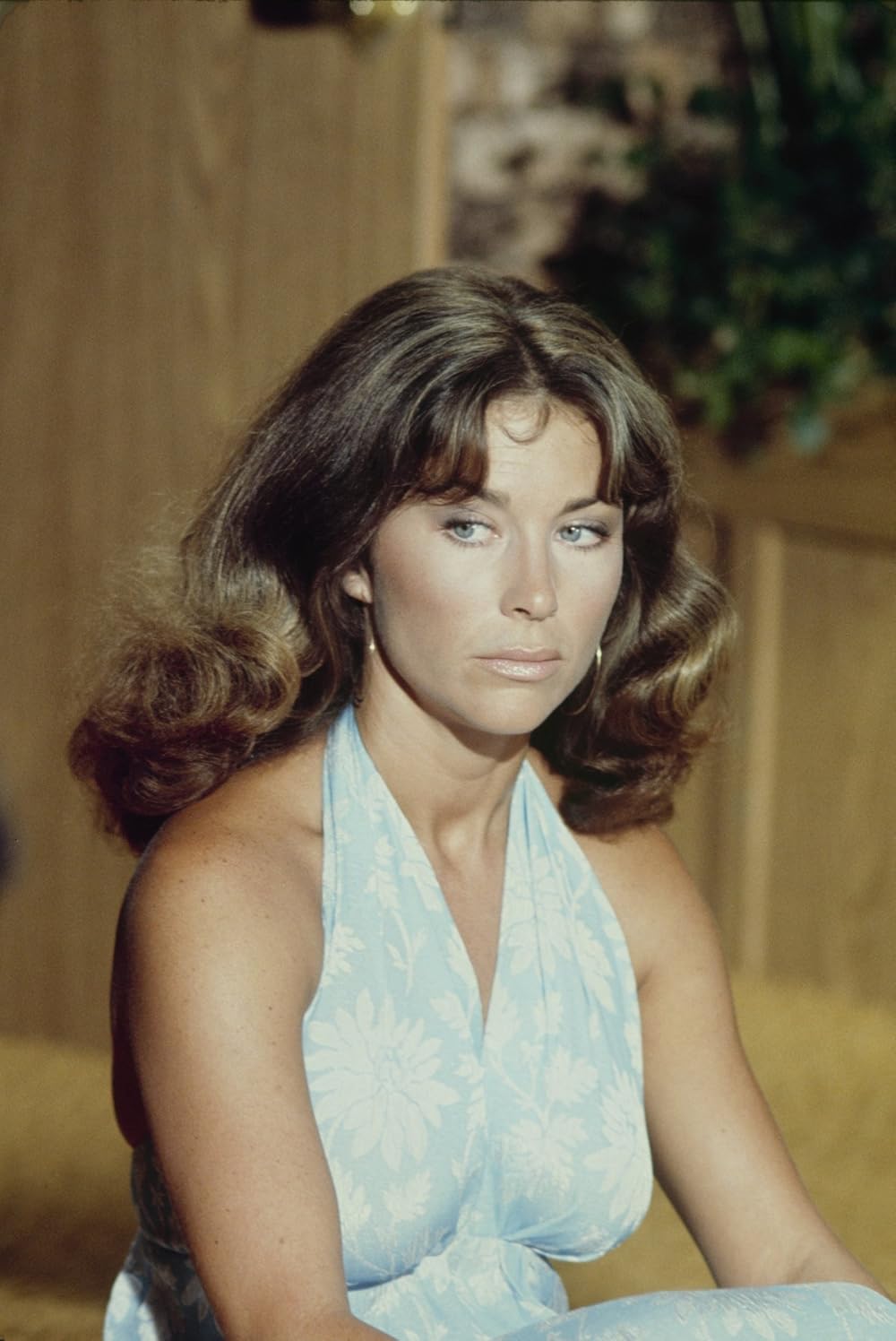
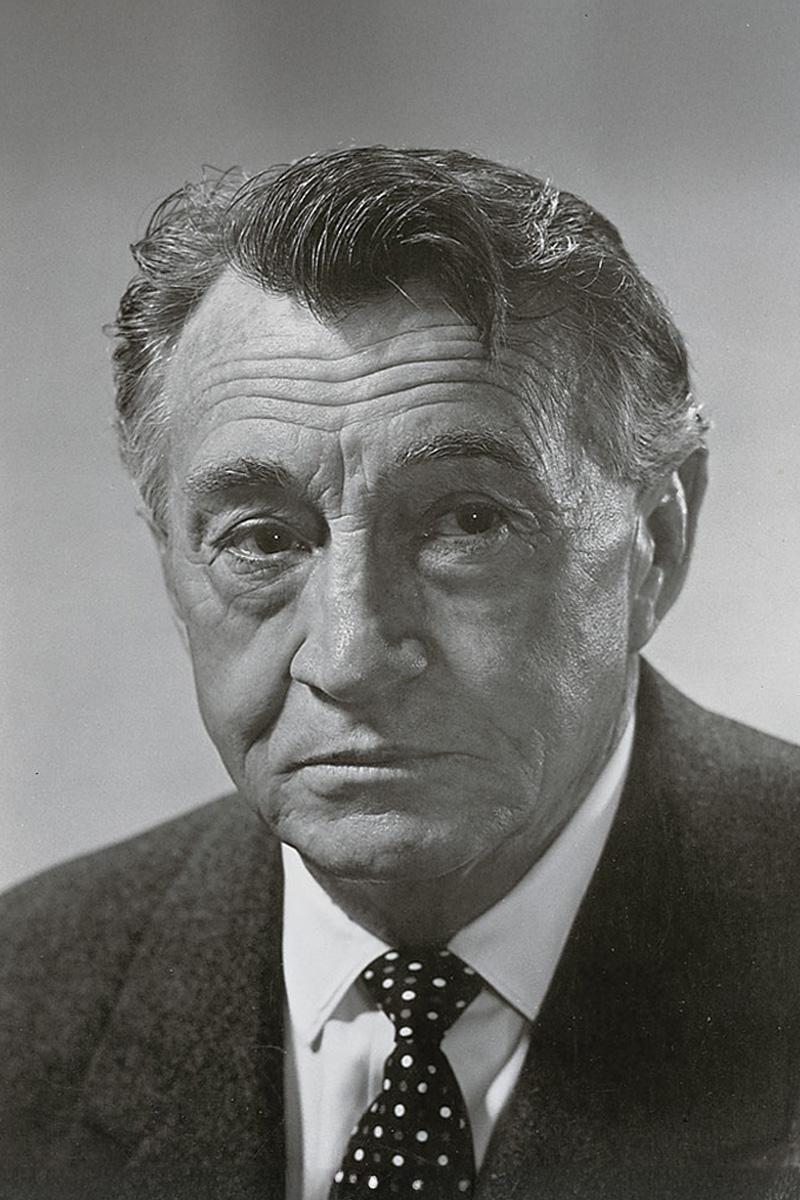
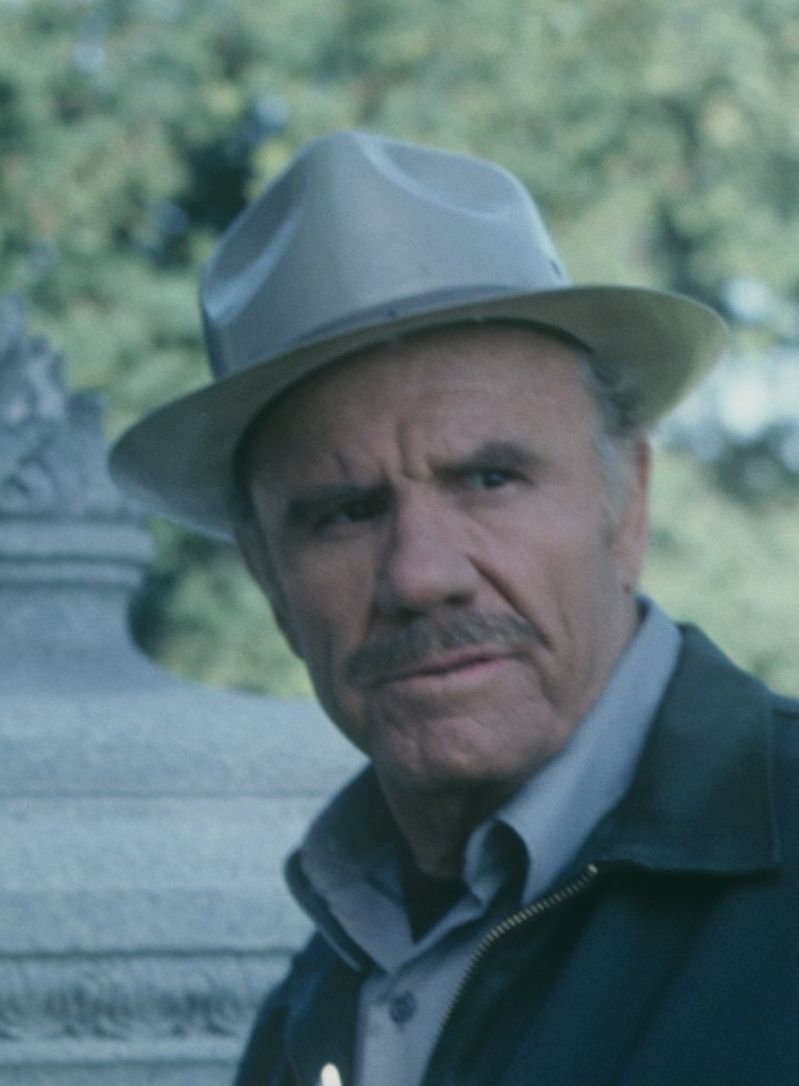
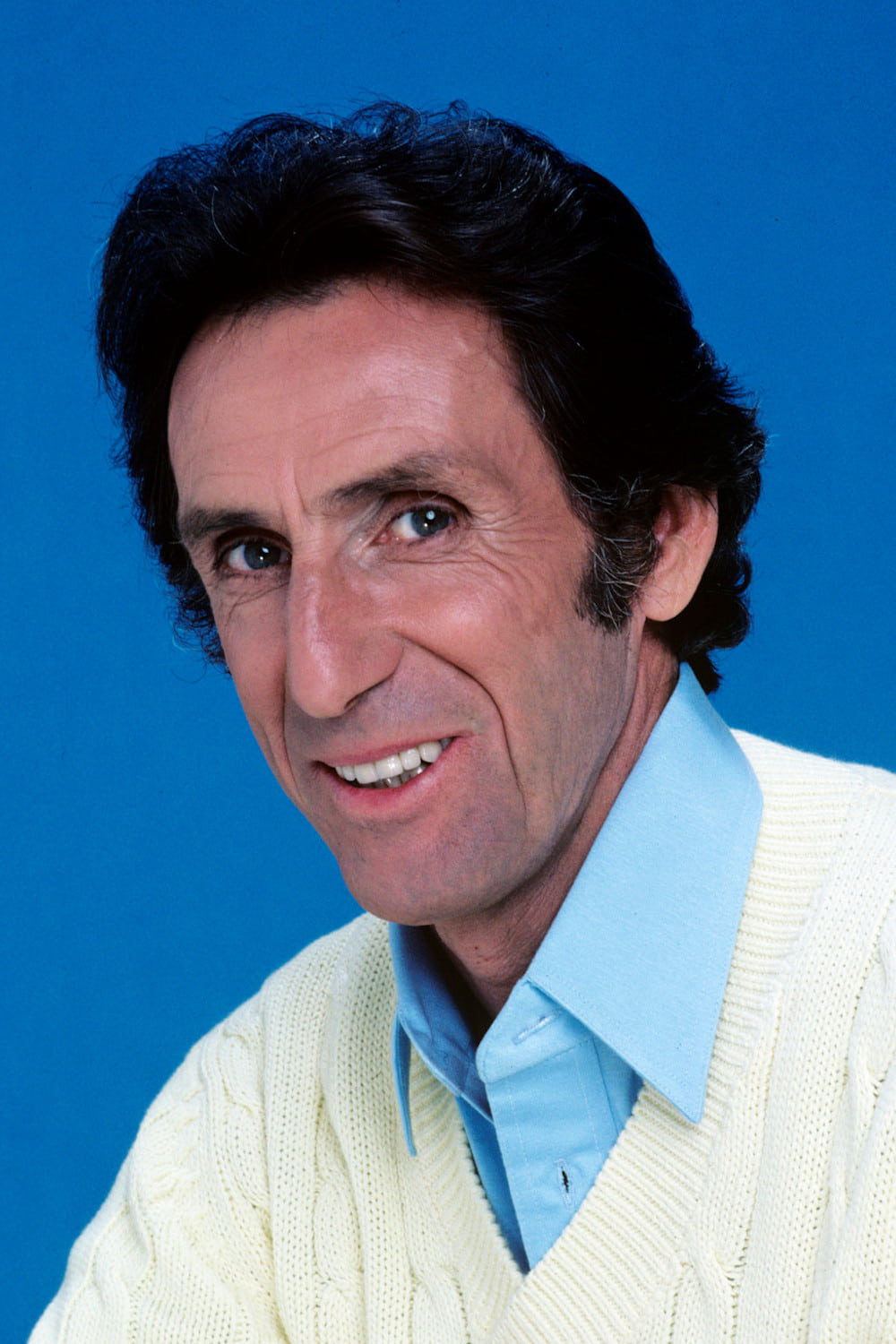
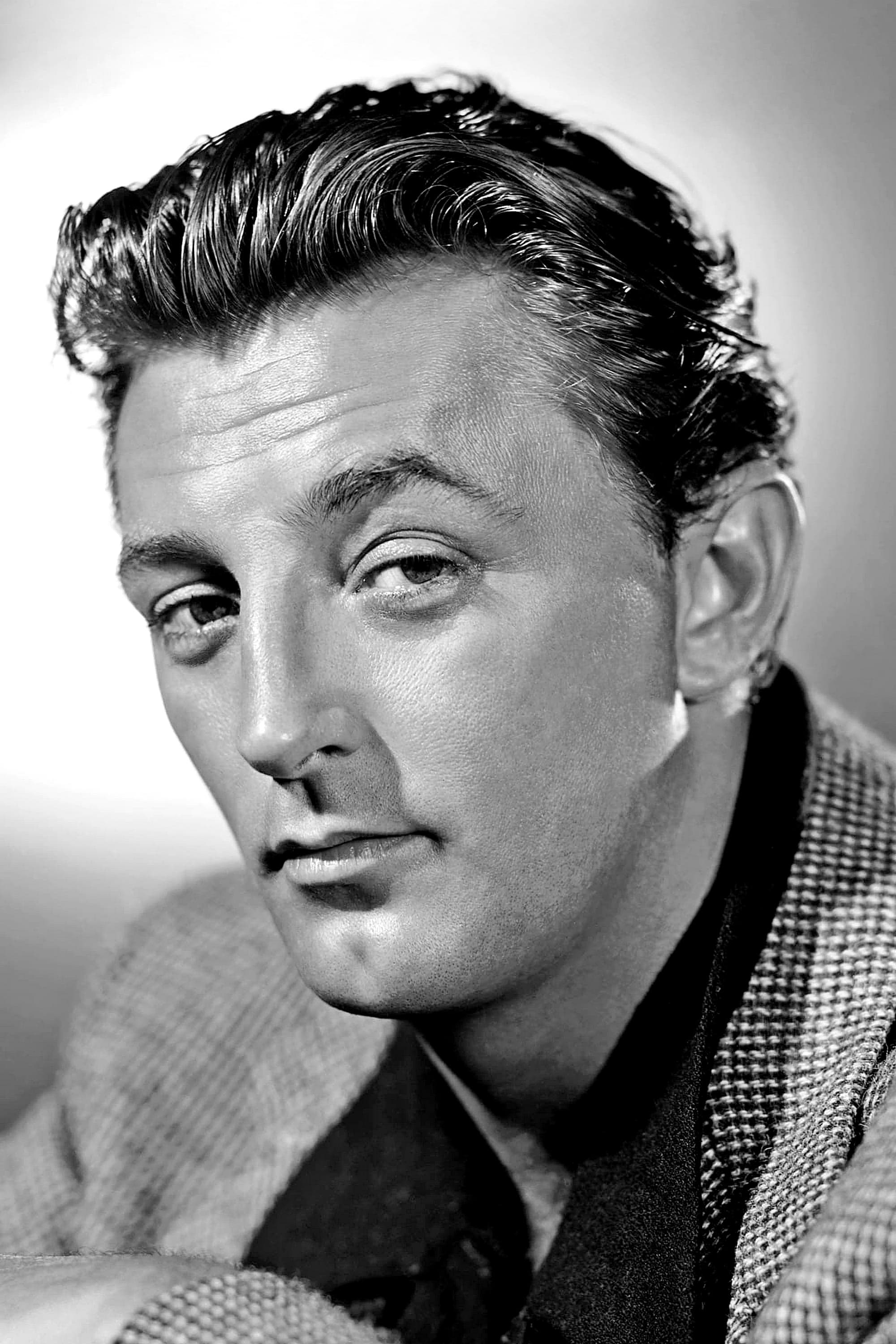
John Wayne starred in Rio Bravo (1959), and after reading the script for "El Dorado" he asked to play J.P. Hara, but the part went to Robert Mitchum.
The opening credits feature a montage of original paintings that depict various scenes of cowboy life in the Old West. The artist was Olaf Wieghorst, who appears in the film as the Gunsmith, Swede Larsen.
The poem recited by Mississippi is an actual poem called "El Dorado" by Edgar Allan Poe.
Robert Mitchum revealed in an interview that when Howard Hawks asked him to be in the film, Mitchum asked what was the story of the film. Hawks reportedly replied that the story didn't matter because the film had some "great characters".
Robert Mitchum's character was wounded and needed to use a crutch, but Mitchum would switch which arm he used with the crutch throughout shooting. The continuity was so poor that Wayne (who actually worked continuity in silents while a star college football player, a method used by Hollywood fans to slip players some spending money) had his character mention it in one of the last scenes. The director enjoyed it so much he left it in the movie. Robert Mitchum's own version of this story is that he objected but Hawks had him switch sides with the crutch based on what looked best in that scene. When Hawks saw how bad it looked in the dailies, Mitchum suggested the additional dialogue between his character and Wayne's to cover the gaffe.
The bartender that Robert Mitchum's character shoots in the saloon is played by his brother, actor/writer John Mitchum.
Shooting started in late 1965. The movie was trade screened to exhibitors on 15 November 1966 but not released until June 1967.
The poem "El Dorado" has four verses. James Caan's character recites three, omitting the second, which laments the aging knight's failure to locate Eldorado. He recites the first verse and part of the fourth riding with Wayne after they meet for the first time, the third when Wayne is about to ride out for the final gunfight, and the complete fourth when he himself takes up the second wagon's reins.
The ingredients that Mississippi recites for Johnny Diamond's recipe to sober up J. P. Hara are: cayenne pepper, hot mustard powder, ipecac, asafoetida, and croton oil. Ipecac is a strong emetic, asafoetida is a spice known for its strong sulfurous odor, and croton oil is a potent purgative. Anyone who administered this combination in real life would likely be shot a day or two later when the patient could finally leave the outhouse, assuming the unfortunate victim had not died of dehydration from the violent fluid diarrhea croton oil causes.
The rifle that Bull Uses is an 1850 Colt Revolving Rifle.
John Wayne did not get along with liberal actor Edward Asner during filming, and constantly referred to Asner as "that New York actor".
Howard Hawks had a joke about the 58-year-old Wayne's age by showing him getting to know a girl (played by Charlene Holt), as opposed to romancing the girl played by Angie Dickinson in Rio Bravo (1959).
Harry Brown wanted his novel, "The Stars in their Courses", removed from the opening credits because the film bore little resemblance to his book.
Most of the scenes showing Wayne running were performed by a double.
The scenes of the town during daytime were filmed on location, but all the nighttime scenes were filmed in the studio.
According to 'James Caan', during a break he and John Wayne got into an altercation over a game of chess. Caan accused Wayne of cheating. Robert Mitchum intervened.
A belt buckle that John Wayne sports in many scenes features the Red River D brand, an homage to his first collaboration with Howard Hawks, Red River (1948).
Continuity
When Mississippi throws a chair against the saloon window, the chair breaks the glass and bounces back to the porch when seen from the outside, but goes all the way through the glass and pulls the drapes down with it when seen from the inside. Also, the outside shots show there are shades covering the upper parts of the windows, but there are no shades visible when seen from the inside.
After Cole shoots the gun out of Milt's hand in the saloon, he tells Pedro to "Drop it!". When he does, the gun hits the floor and bounces under McCloud's table. When Pedro leans down to pick it back up, it is on the floor back in front of him.
As Cole and Mississippi shoot at the men on horseback, J.P. is getting ready to come out of the jail on the right side of the screen with a cowboy hat on his head. In the next shot, no cowboy hat is seen.
Bull's position changes between shots as Cole loads J.P.'s gun and the group gets ready to confront Jason in the saloon.
When they are getting ready to confront Jason in his Saloon, not only does Bull's position change between shots, but the position of the guns he is holding changes as well.
Factual errors
Cole was shot in the lower left side of his back where the bullet lodged near the lower left side of his spine. The nerves controlling Cole's gun hand and arm exit the upper right side of the neck, just above the shoulder, so the injury from the bullet wound could not possibly affect Cole's gun hand or anything on his right side to the extent portrayed in the movie. There is nothing connecting the lower to the upper back that could cause that kind of effect.
When Mississippi dresses like a Chinaman he puts an upside down dish on his head. When he hits the guard at the door, the dish flies to the ground. When the camera switches, the "hat" is nowhere to be seen.
During the Battle at the church covering while the others advanced, Bull fires his entire rifle magazine. After rejoining them Bull continues to fire, without a pause to reloading.
Incorrectly regarded as goofs
The notes played by Bull would only be possible in a valved instrument such as a trumpet or cornet, and one would think they could not be played on a bugle. This is not true. An extremely adept musician with an enormous amount of practice can do this.
Revealing mistakes
When Mississippi test fires the shotgun it changes from an outdoor (on location) shot to a movie studio background plate on James Caan's close up of shooting the gun and back to location for the wide angle. Also, in the close up of the shot of Mississippi shooting the gun, it appears as though an animated gun flash has been added.
When Cole is heading back to El Dorado after meeting Mississippi, and falls off his horse, he braces his fall with his paralyzed right arm.
When Mississippi test fires his new double-barreled shotgun, the horses do not react to either the supposedly loud bang or the bright muzzle flash, despite being only a few feet away, showing these effects were added to the scene later.
The sheriff got shot in the right leg and used a crutch, limping with his right leg. Later in the movie, he moved the crutch to the left leg and limped on that leg (see also trivia).
Bull carries a .56 caliber Colt 1855 Revolving Carbine throughout the film. This rifle is 5-shot cap-and-ball and very slow to reload. Before, and during the shootout at the church Bull fires more than 10 shots very quickly, without the minutes it takes to reload.
Anachronisms
The film is set a few years after the American Civil War. Several characters, including Thornton and Harrah, use Winchester rifle models that were not introduced until 1892.
In the sheriff's office after Cole is treated for his buckshot wound, during the exchange between him and J.P., the lamp, sitting on the desk behind J.P., has a power cord running atop the table.
When Cole and Mississippi are in the Swede's shop and he bends down to pick up the ammunition for Mississippi's gun, there is a pack of Prince Albert and Bugler tobacco on the shelf behind him. Prince Albert tobacco was not introduced in the United States by the R. J. Reynolds Tobacco Company until 1907 and Bugler not until 1932.
When the Bull character first makes his appearance, there's a small band playing in the background. One of the guitar players is using an archtop style guitar that wasn't made until the 1920s.
When Cole meets Mississippi outside of the cantina and complains that he has not had his supper, several of the lanterns behind Cole contain incandescent light bulbs.
Audio/visual unsynchronized
Joe the piano player is clearly just patting the keyboard; his hand motions do not match the music on the soundtrack.
After Mississippi dives under the horses, Cole's lips can be seen to be moving, but he isn't saying anything.
The bugle that Bull plays is a 4 note horn, which in reality cannot play some of the songs that Bull plays on it throughout the movie.
Crew or equipment visible
As Mississippi drops in front of the horses riding through town, a rectangular outline can be seen in the dirt below him, presumably filled with softer material to ease the impact of the fall.
Errors in geography
Saguaro Cacti do not grow in Texas. They only grow in Arizona, Sonora, and the immediate borders of those states.
During the Battle at the church covering while the others advanced, Bull fires his entire rifle magazine. After rejoining them Bull continues to fire, without a pause to reload.
Plot holes
McLeod's gang would have immediately killed Mississippi after he had been knocked unconscious.
The first night that Cole and Mississippi arrive in El Dorado, Cole tells Maudie and Bull not to let folks know he is back in town. Yet between these two incidents, Cole and Mississippi go to the jail to see JP. As they approach the jail, Bull stops them and Cole yells out he's "Cole Thornton". Not the best way to keep your arrival quiet.
After giving J.P. Harrah the alcohol cure (about 1:15:00), Cole and Mississippi approach the jail from the street. Cole stops and yells to Bull that they're coming in. At this point in the movie, there's no reason to do so; Bart Jason hasn't been arrested yet.
Character error
After Cole's been taken by McLeod's men and Maudie and Mississippi return to the jail to explain to JP and Bull what happened, the scene starts with Mississippi telling what happened. From there, Maudie begins talking. In the middle of her explanation, Mississippi mutters "From there on, Maudie's gonna have to tell you what happened after because..." He gestures to indicate he was unconscious. This seems like a needless thing to say given that he had already explained he was knocked out and she was already taking over the retelling. It seems that Charlene Holt jumped into her dialogue too soon before James Caan had finished, since she jumps in at his pause.
When Cole takes Luke McDonald home, he tells Kevin McDonald that Luke told him he fell asleep. When Cole spoke to Luke he did not tell him this.
Cole Thornton describes the hired gun, Nelson McCloud, as tall and dark, with a scar on his cheek. Nelson actually has brown hair and blue eyes with light skin. The wound that left a scar also disfigured his eye, which is a most distinguishing characteristic.
When Cole and Mississippi are eating dinner right after meeting, Mississippi is talking about his past. He mentions that he had to sell Johnny Diamond's gold watch a while back, indicating that he's broke. Yet when Cole and Mississippi go to see "the Swede", Mississippi has the money to buy a double barreled shotgun and five boxes of shells.
Alan keeps saying "Bowlie" when he's reciting the poem El Dorado by Edgar Allan Poe, when the correct word in the poem is "Boldly".