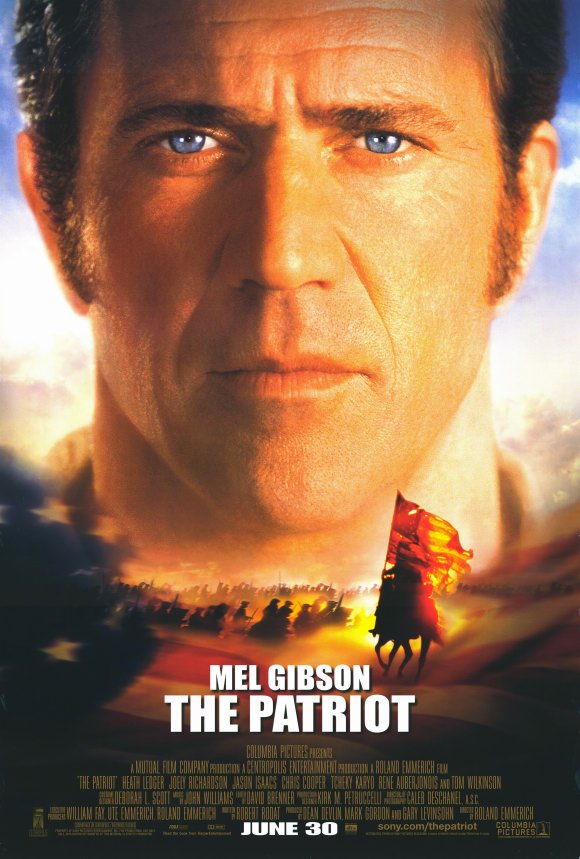
The Patriot (2000)

It is 1776 in colonial South Carolina. Benjamin Martin, a French-Indian war hero who is haunted by his past, now wants nothing more than to live peacefully on his small plantation, and wants no part of a war with the most powerful nation in the world, Great Britain. Meanwhile, his two eldest sons, Gabriel and Thomas, can't wait to enlist in the newly formed "Continental Army." When South Carolina decides to join the rebellion against England, Gabriel immediately signs up to fight...without his father's permission. But when Colonel William Tavington, British dragoon, infamous for his brutal tactics, comes and burns the Martin Plantation to the ground, tragedy strikes. Benjamin quickly finds himself torn between protecting his family, and seeking revenge along with being a part of the birth of a new, young, and ambitious nation.
Before they were soldiers, they were family. Before they were legends, they were heros. Before there was a nation, there was a fight for freedom.
Benjamin Martin: Aim small, miss small.
Rock Hill, South Carolina, USA
(Revolutionary War Re-enactment battles)
Cypress Gardens - 3030 Cypress Gardens Road, Moncks Corner, South Carolina, USA
(Old Spanish Mission Black Swamp Militia HQ)
Stratford Hall Plantation, Westmoreland County, Virginia, USA
(British headquarters)
Brattonsville, South Carolina, USA
(Continental Encampment)
Botany Bay Plantation - 7510 Botany Bay Road, Edisto Island, South Carolina, USA



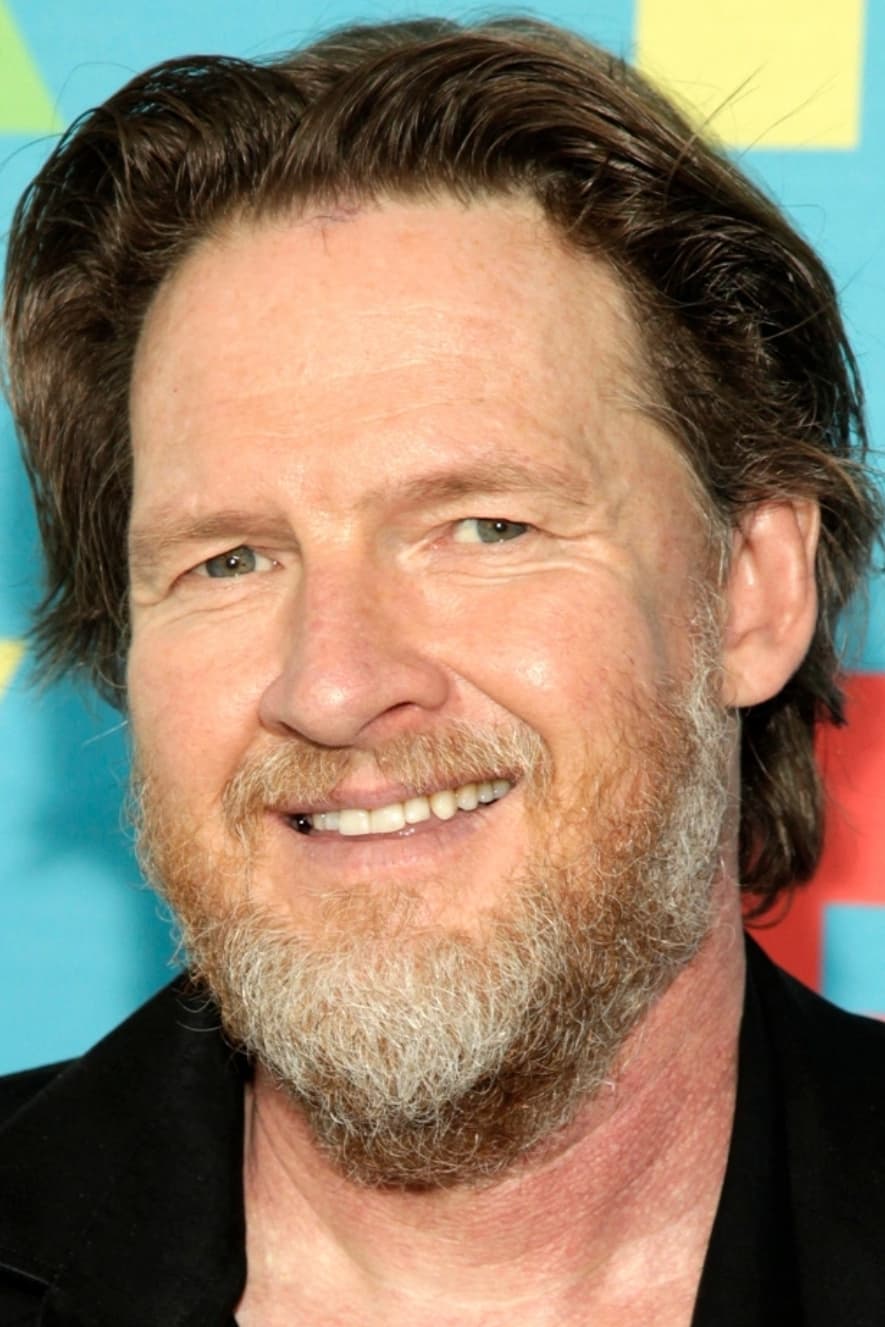

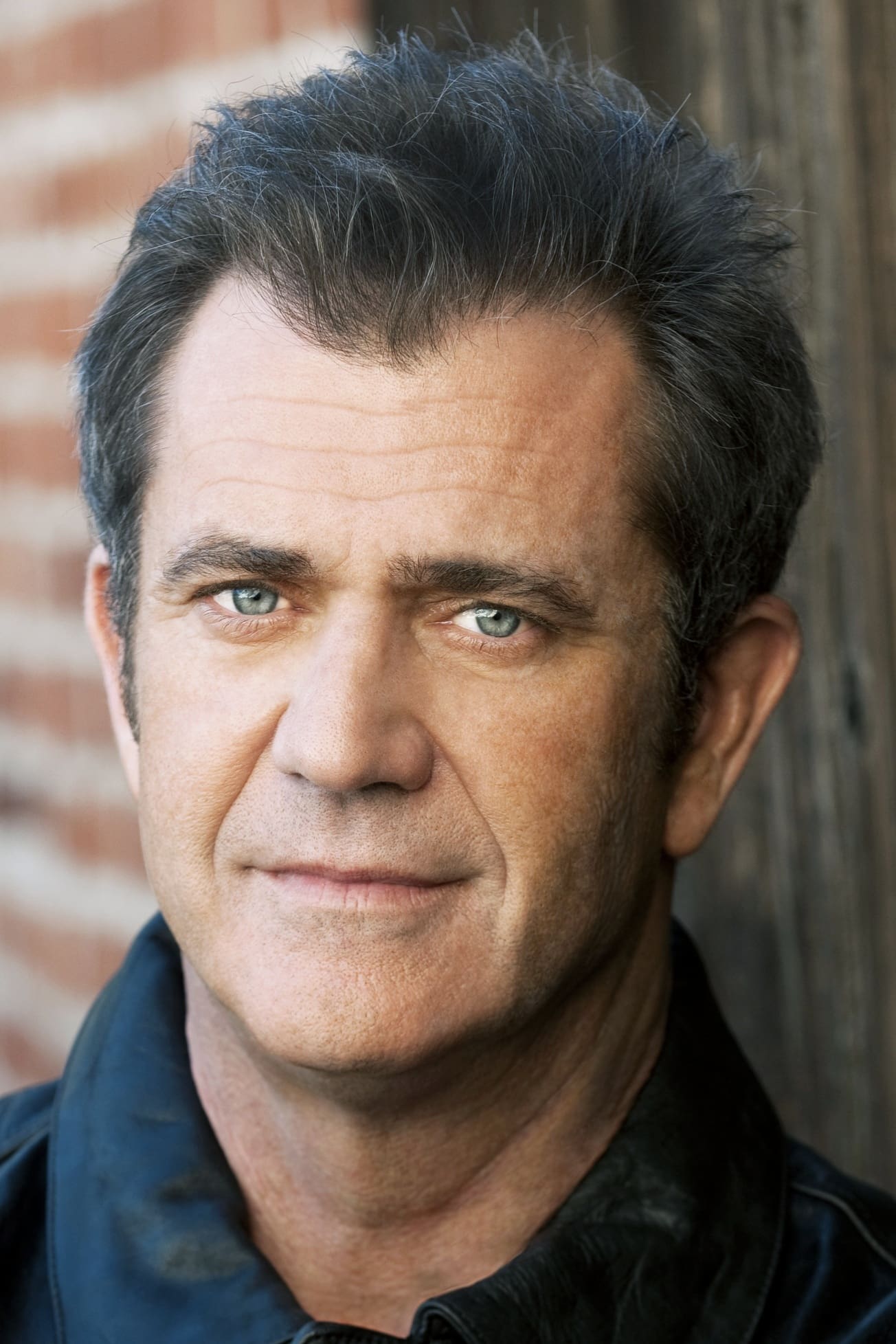
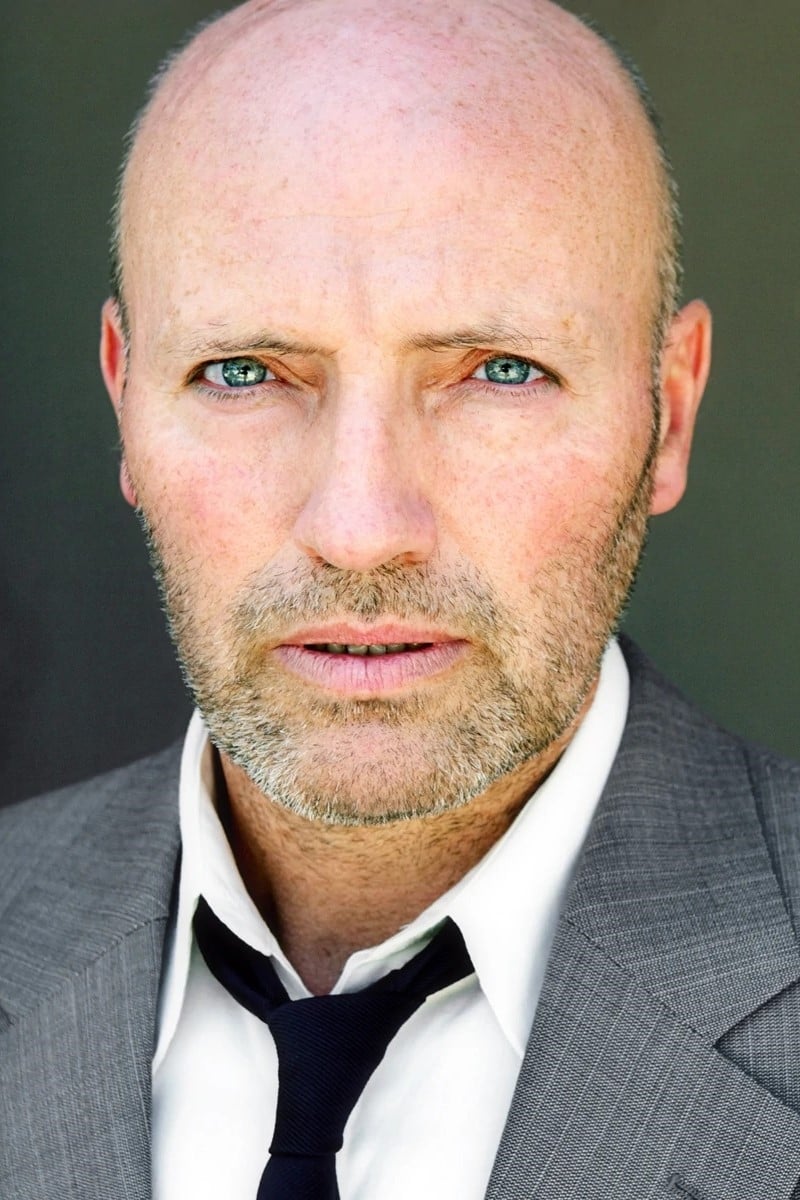

Heath Ledger didn't work for a year because he only got offers for teen heartthrob roles. He was about to quit acting, and return to Australia, when he was cast in the film.
When teaching Mel Gibson and Heath Ledger how to shoot a muzzle-loading rifle, technical advisor Mark Baker gave them the advice to "aim small, miss small," meaning that if you aim at a man and miss, you miss the man, while if you aim at a button (for instance) and miss, you still hit the man. Gibson liked this bit of advice so much, he incorporated it into the movie, just prior to the ambush scene.
The historical accuracy of the costumes and settings were overseen by the Smithsonian Institution. It's the first time the Institution ever worked directly on the production of a movie.
Actual amputees were cast to play soldiers who lost their limbs.
Heath Ledger said researching the American Revolutionary War for the film answered his question of why Americans "wave their flag so high." "It's because they went to hell and back to build their country."
Continuity
At the end of the movie, as Benjamin and his family ride towards their homestead, Aunt Charlotte is holding a blanket on her lap. She holds the blanket as though it contains a baby as she descends from the wagon. She continues to hold the bundle as though it contains a baby while the family stands and listens to the speech about what Gabriel said about rebuilding and that the other militia men decided to begin with Benjamin's home. A moment later, the camera focuses on one of Benjamin's sons standing next to Aunt Charlotte and she has no bundle and her arms are by her sides. Next, we see the family from behind as they walk towards the house being erected and it looks like Aunt Charlotte is once again holding a bundle in her left arm. Finally, she picks up Susan with only her right arm.
In the battle Benjamin watches through the window, a soldier gets his head taken off by a cannonball. Later on, in the final battle, as Benjamin runs past with the flag, a soldier turns his head dramatically to watch, and it is the same beheaded soldier.
In the beginning, Benjamin carries a five-stick candelabra upstairs to tuck the two small girls in. The candles are a short three inches, but by the time he gets downstairs to see the older boys, the candles have grown to five inches.
On the wanted poster for "The Ghost" the bottom of the flyer bears the seal of "Her Majesty's State Paper Office" which is incorrect. That office did not exist at the time. In fact the original name of the office was "Her Majesty's Stationary Office" and was not established until 5 April 1786 almost 8 years after this poster was supposedly created. Additionally, King George III was still the reigning monarch at the time and the correct title would have been "His Majesty's State Paper Office" had the office actually existed at the time of printing.
When Tavington is fighting with Gabriel, just before he runs him through with his sword, his hair changes from long, stringy, hanging down to being in a pigtail, neatly tied.
Factual errors
George Washington's proclamation regarding the freeing of slaves who give one year of service is incorrectly interpreted. The historical offer applied to slaves who enlisted in the Continental regulars or served in regular state forces which served with Continental armies. It did not apply to units such as Benjamin Martin's local militia, which solely were under state control.
In the battle watched by Benjamin through the farmhouse window, the Redcoats are seen to bayonet charge the Rebels. The order is given, and the soldiers run across several hundred yards of open ground in a free-for-all. The Redcoat Army was a disciplined and well-trained army. They wouldn't have their troops running in a free-for-all across a battlefield. In that period, cohesion of troops was important. Also, by the time the soldiers got to their objective, they would be too exhausted to be of any effect. In reality they would have "charged Bayonets" (bring their bayonets forward) and march slowly towards the enemy. When about 50 yards away they would have marched at a double quick-time step (almost a jog) - enough to cover ground quickly, but slow enough to remain in line. This would mean control could still be kept in case a change of direction was needed or a cancellation of the order. Finally, when a few yards away and committed, the troops would charge at full speed and engage the enemy.
At least twice (at the fight at the river and at the battle near the end) Tavington loads his pistol and discards his ramrod after he's done with it. This would make it impossible to reload the pistol again, and it is unlikely that a highly trained British colonel would do such a thing. At the river, dropping the rod is understandable, given the pressure, but tossing it some distance away isn't.
The Continentals are seen wearing coats with white facings throughout most of the movie, but the South Carolina Line would've been wearing blue-on-blue, especially after Congress passed a law standardizing colors in 1779.
The British artillery used in both the Battle of Camden and the final battle Guilford Courthouse/Cowpens are much too large than what the British actually fielded, which were smaller 3-pounder and 6-pounder guns. The guns shown would be found in forts or besieging forces, as their large size and weight made them impractical for the field that required mobility.
Incorrectly regarded as goofs
(at around 2h 20 mins) An African soldier is marching in the ranks of the British army at the beginning of the last battle, seen directly after the Frenchman yells, "Make ready!" The British did, in fact, recruit slaves to fight in their army during the American Revolution, promising them their freedom. One of the most famous British slave regiments was the Ethiopian Regiment, recruited by Virginia Governor, John Murray, the Fourth Earl of Dunmore.
When the British raid Charlotte's plantation, Tavington looks under the tablecloth to see if anyone is hiding under the table. At this time, Nathan is hiding on the outside of the table on the right side. The tablecloth hangs several inches from the floor, so Tavington should have easily seen Nathan hiding on the other side of the tablecloth through the gap between the tablecloth and the floor.Except that "should" does not mean "did." Tavington was looking specifically to see someone under the table, not outside that area. The saying "can't see the forest for the trees" alludes to a blindness to see things other that what is expected.
When Aunt Charlotte takes in the children after the family's home is destroyed her hair is down. Women only wore their hair down during sickness or bedtime, as long tresses in public were considered to be risqu?. During the day, out in the world, and during evening socializing hair was always pinned up or tucked under a bonnet.
In times of extreme duress, people often aren't as concerned with social mores regarding their appearance. Charlotte has more important things to worry about [and possibly no hairpins left!]
When the British officer asks who the messenger is, Gabriel says it was him and walks down the stairs towards the officer. The shot cuts to the officer then back to Gabriel, who is now wearing a blue coat, which he didn't have on in the previous shot. However, he's seen picking it up.
Just after Benjamin receives his battlefield commission, he and Gabriel mount their horses, Gabriel is on the left. In the next scene, he is on the right.While this is true, as the shot with Gabriel is on the right opens, it can be seen that his horse is completing a move from Benjamin's left around to his right front.
Revealing mistakes
Many of the soldiers turn their heads when firing their muskets. Although the musket was an inaccurate weapon and this would have made little difference, by 1776 the practice of turning away when firing had more or less died out. In fact, the reason the soldiers here were turning away was because the director didn't think black powder made enough smoke, and decided to use a mix of black powder and magnesium (evident by a blue color to the smoke). This created more of a flash in the pan and made turning away rather a shrewd move.
When Tavington is on the bridge watching Martin and the retreating Militamen ride down the river, he shoots at them with a smoothbore flintlock pistol, and hits one. The effective range on one of these pistols is about 30 feet and this shot was much longer, too far to hit the rider.
At the end of the beginning scene where Martin and his two younger boys kill all the red coats to save their brother, one of the "dead" soldiers in the wagon sits up just before the scene fades out.
In the final battle, a cannonball rolls on the ground and cuts off the legs of several soldiers in its path. One soldier's leg falls apart before the ball even makes contact with it.
During the "party and fireworks," a crescent moon is shown over the plantation, with the lit side of the moon on its left. This can only happen in the northern hemisphere during early morning hours, and shortly before sunrise. The party is implied to be evening time, so the lit side of the moon should have been on its right.
Anachronisms
When Tavington and Cornwallis are discussing using "brutal" tactics, Tavington requests "Ohio" as payment. Ohio was not a specific area until it was named as Ohio County of the Northwest Territory in the 1790s or so. Before that, it was simply part of the Iroquois Nation which was claimed by the British Empire.
Great Danes were not known by that name until the late 19th century. Before that they were called "Boar Hounds."
When Charlotte and the kids are hiding from the red coats in the root cellar, they creep past a basket full of bread wrapped in cellophane. Cellophane wasn't invented until 1906.
The music performed at the party scene was the Gavotte from Bach's Orchestral Suite # 3. This music was unknown until its rediscovery as part of the Bach renaissance started by Felix Mendelssohn in 1850. This piece was first performed in the United States at the Cincinnati May Festival on May 7, 1873.
All women of that day and time, would wear bonnets or some type of hair covering when outside in public. Referencing Biblical scripture, all of the American settlers during that period, considered a woman with short hair or who did not cover her hair when outdoors, to be shameless. The loose bun while working outdoors was not used until the mid or late 1800s, or with some even later than that.
In rare instances, women's' hair might be cut while they were ill, but they would still cover it.
Audio/visual unsynchronized
When Tavington is searching for the child hiding under the table, the "jing-jing" of spurs can be heard as he walks, just as in western movies. He is, however, wearing English/dressage-style spurs, which have no rowels, and, thus, make no noise.
When Occam is speaking at the end, he is seen saying "Gabriel said if we won the war, we could build a whole new world. Just figured we'd start here... ." The shot cuts to over his shoulder, and he finishes with, "...with your home," but his jaw is not moving; this suggests it was dubbed in later.
When Gabriel is reading the letter he is writing home aloud, the only line in the entire letter that matches what he has said is the line he is currently writing. Nothing in the long letter before the bottom line comes even close to what Gabriel read.
When Tavington is walking through the house we hear the jingle of his spurs. Close-ups of his boots reveal he is wearing English Spurs which are solid and would not jingle. Spurs that jingle, notably Western spurs, have rowels (rotating discs or stars) which make the jingle sound.
At the party when the ship blows up, the explosion is heard at the same time as the blast is seen, when it's clear that the ship is far enough away that there would be a delay between seeing and hearing the explosion.
Crew or equipment visible
In the last scene when the family walks forward to the new home being built, pretty sure there is a line of cars, trailers and tents in the distance, to the right.
When Benjamin is riding out from Charlotte's plantation to rejoin Gabriel and meet Colonel Burwell, several vehicles can be seen driving past in the distance immediately after he turns his horse around.
Errors in geography
During the movie, battles take place in Camden and Cowpens, two places that are very far inland, yet the troops march there in a day from the shoreline.
The North Star is shown rising in the east.
There is a scene where Benjamin and his two younger sons are running through the woods to intercept the British column who captured the older brother. They are seen jumping over and hiding around boulders to get in position. In the South Carolina low country where this presumably occurred, there are no rocks or boulders. The eastern part of South Carolina was never glaciated.
Benjamin Martin's description of the Fort Wilderness campaign is incorrect. There never was a Fort Wilderness or Fort Ambercon. The only Fort Charles is in Jamaica, and the Ashuelot River is in New Hampshire.
Plot holes
The film spans years of struggle. Militia survivors like Occam and Dan Scott would, after years of fighting, improve their firearm skills like reduced reload times and improved accuracy, yet during the penultimate battle, they haven't appreciably improved. Constant warfare has a tendency to make survivors (even irregular fighters and guerrillas) dangerous and skilled combatants.
Character error
Many of the dresses worn by Charlotte would have been considered quite revealing and scandalous at the time and wouldn't have been worn by a woman of high society who valued her reputation.
During an ambush, the militia is shown lining up opposite each other and then firing directly towards each other as the British troops ride between them. No competent officer would arrange his troops to fire at each other.
Young unmarrieds would not have kissed in public in 18th-century America.
On the wanted poster for "The Ghost," the name of General Cornwallis is misspelled as "Cornwallace." Arguably fair, since literacy was low in those days, though you'd expect the name of a high government official to be spelled consistently in government documents. (This could have been an in-joke reference to Braveheart (1995).)
During that time period, Charlotte, a single woman without a male spouse wouldn't be able to own her own property (a home in Charleston and a plantation) because single women didn't have status. It wasn't until the early 1800's that single women could own and maintain their own property without a male spouse. This isn't necessarily true-a woman could be willed property, and a widow could, with help, manage it herself. Martha Custis Washington was a real life example. If she remarried, everything would become the property of her new husband, though.