Tora Tora Tora (1970)

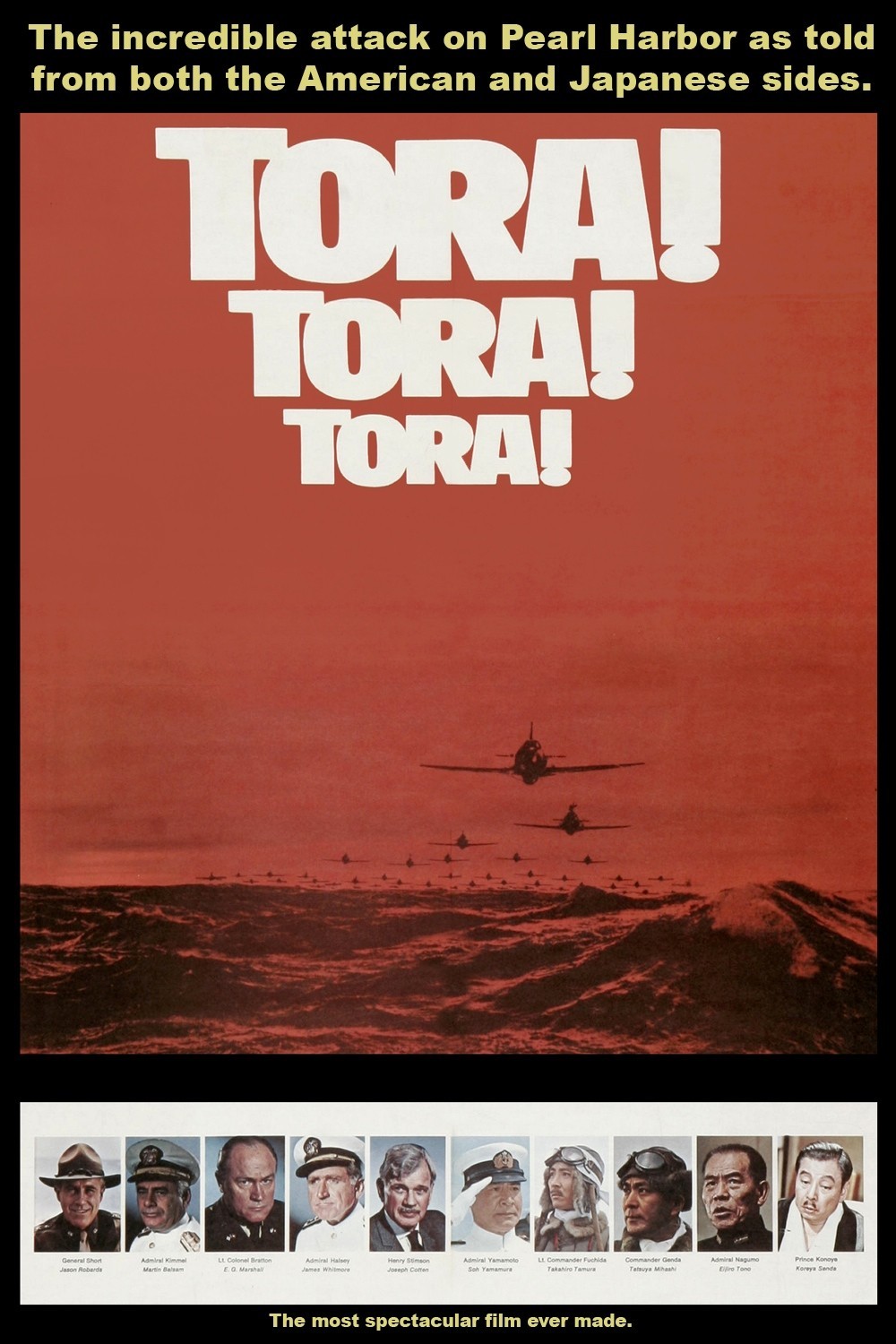
This dramatic retelling of the Pearl Harbor attack details everything in the days that led up to that tragic moment in American history. As United States and Japanese relations strain over the U.S. embargo of raw materials, Air Staff Officer Minoru Genda (Tatsuya Mihashi) plans the preemptive strike against the United States. Although American intelligence agencies intercept Japanese communications hinting at the attack, they are unwilling to believe such a strike could ever occur on U.S. soil.
The incredible attack on Pearl Harbor.
Admiral Isoroku Yamamoto: I had intended to deal a fatal blow to the American fleet by attacking Pearl Harbor immediately after Japan's official declaration of war. But according to the American radio, Pearl Harbor was attacked 55 minutes before our ultimatum was delivered in Washington. I can't imagine anything that would infuriate the Americans more. II fear all we have done is to awaken a sleeping giant and fill him with a terrible resolve.
20th Century Fox Studios - 10201 Pico Blvd., Century City, Los Angeles, California, USA
(studio)
Ashiya, Japan
Honolulu, O'ahu, Hawaii, USA
Kagoshima Bay, Kagoshima, Japan
Kyushu, Japan
Malibu Creek State Park - 1925 Las Virgenes Road, Calabasas, California, USA
Osaka, Japan
Pearl Harbor, O`ahu, Hawaii, USA
San Diego, California, USA
Shochiku Studios, Kyoto, Japan
(studio)
Toei-Kyoto Studios, Kyoto, Japan
(studio)
Tokyo, Japan
Washington, District of Columbia, USA
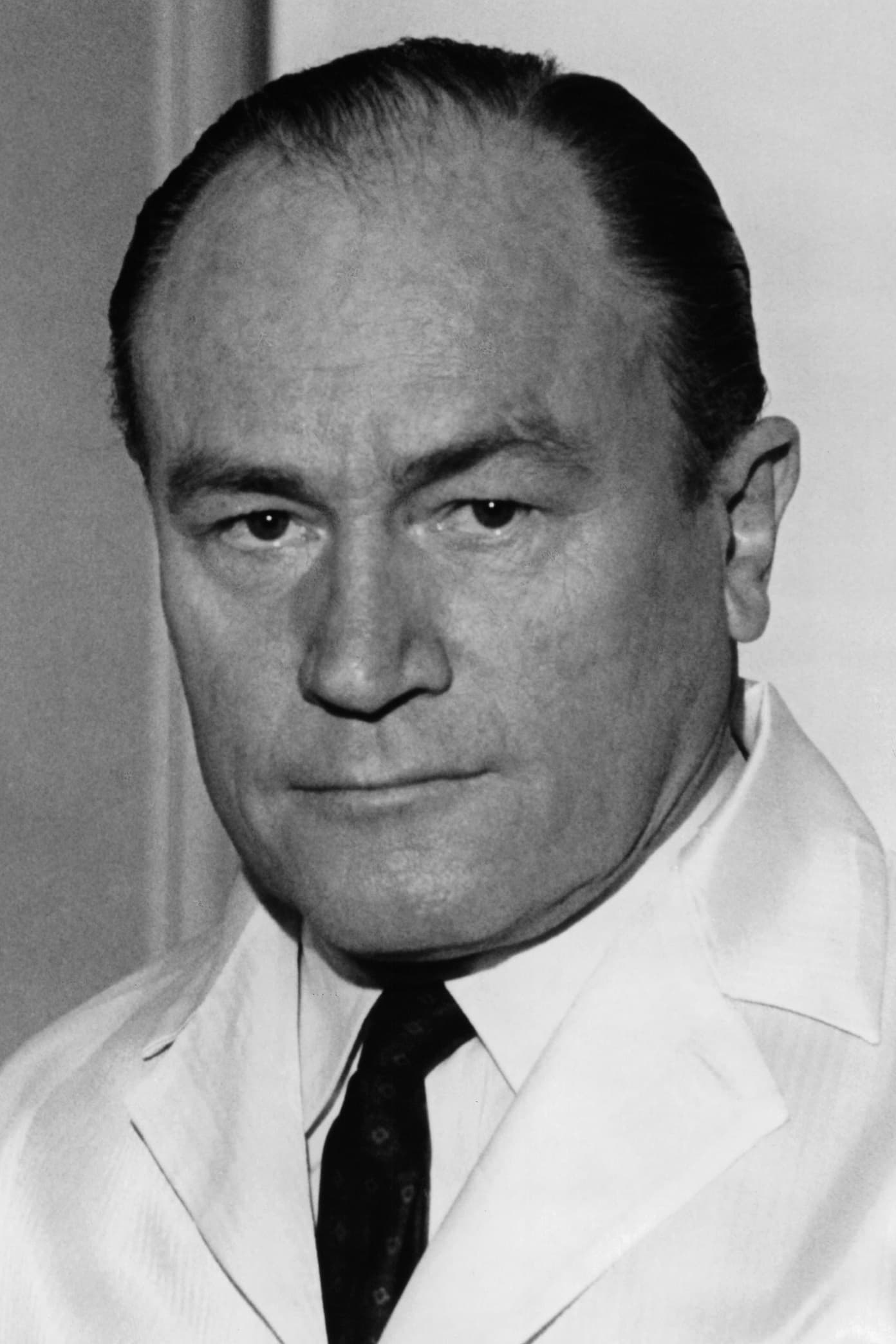
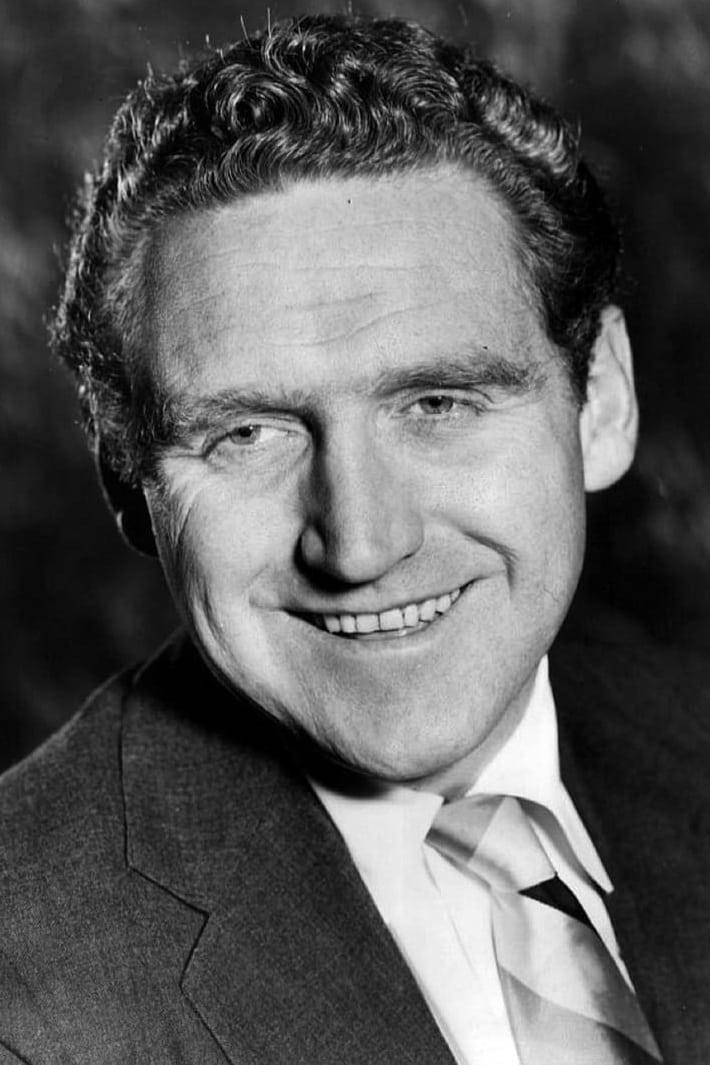
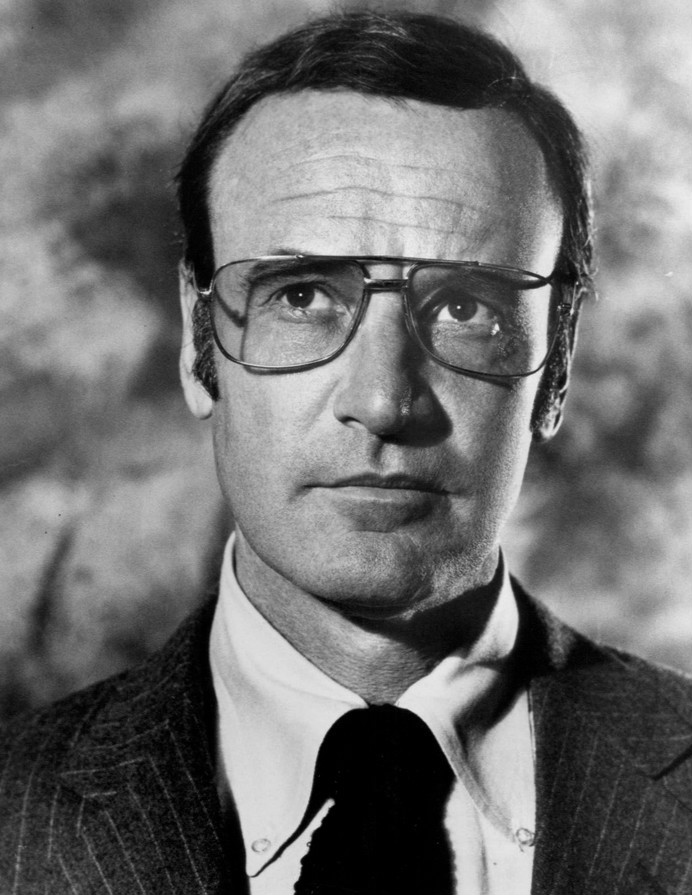
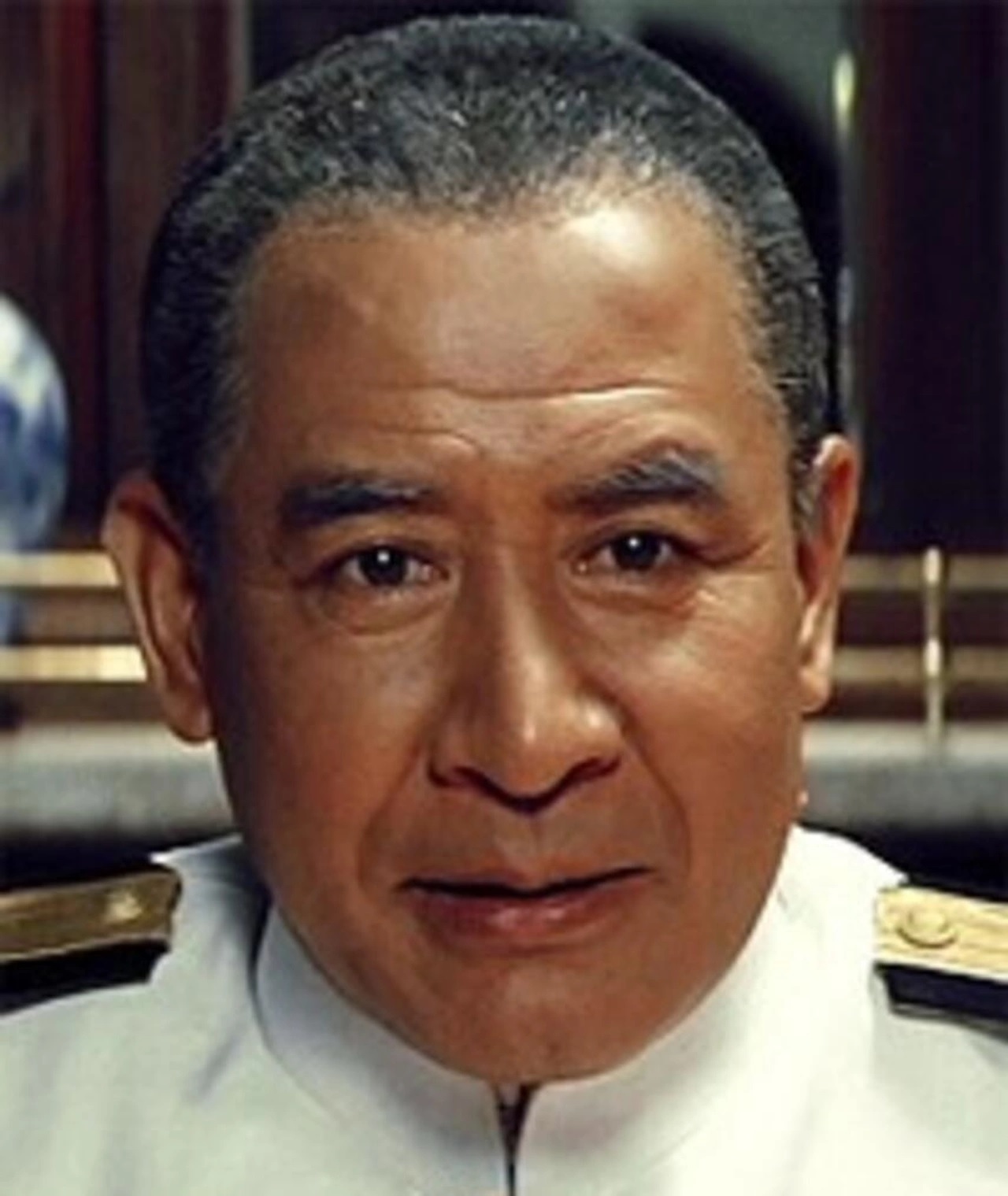
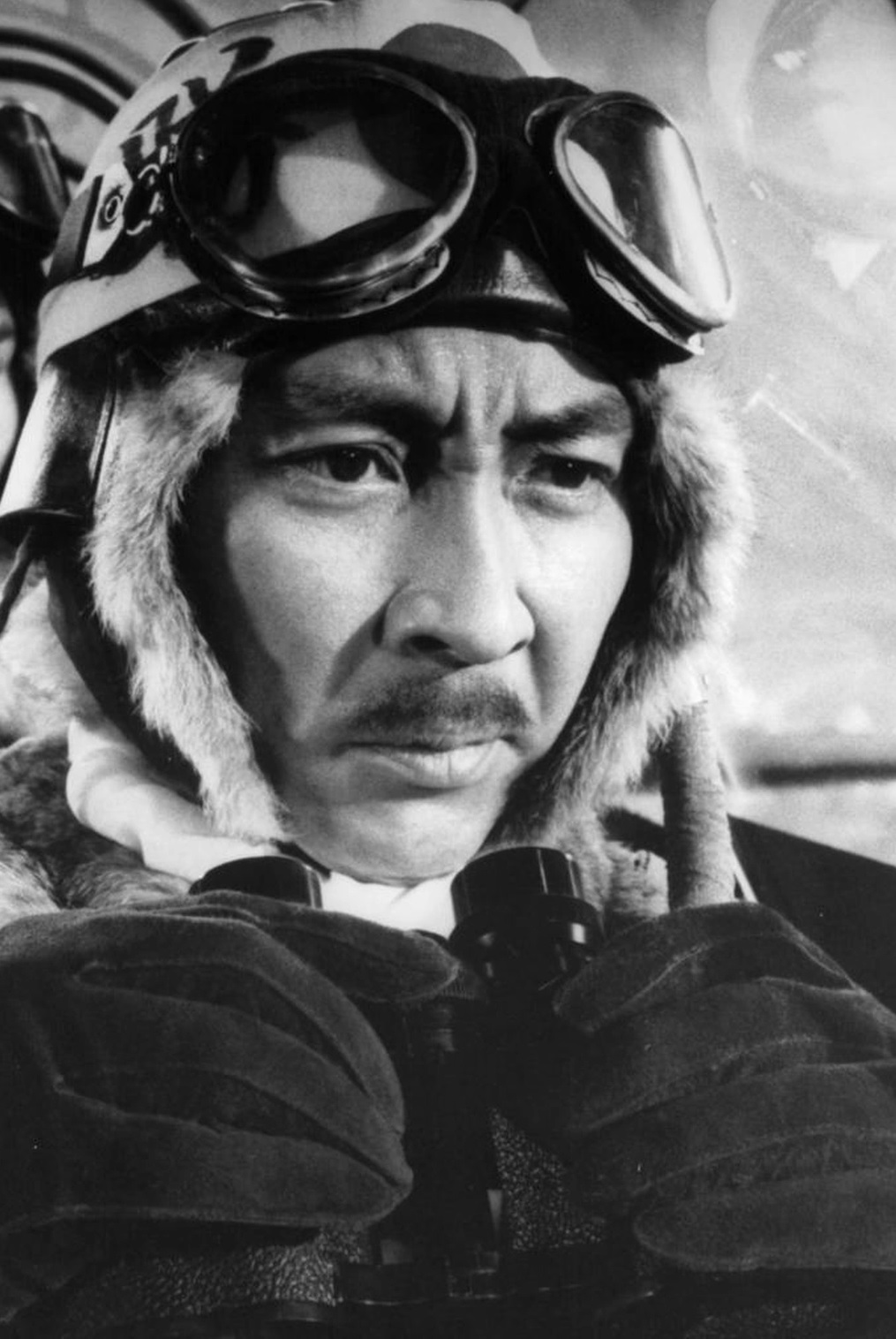
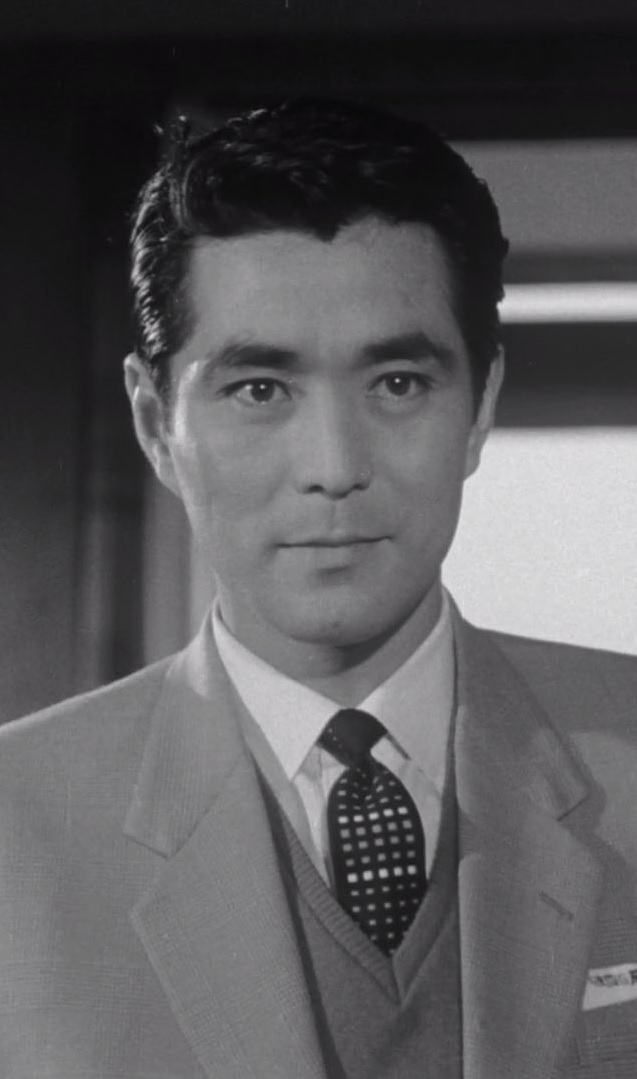
The previous war epic by Darryl F. Zanuck, The Longest Day (1962) was an extreme success. As stated by his son, producer Richard D. Zanuck, this was because it was about victory. He noted in contrast that Tora! Tora! Tora! is about defeat. Although the film made a great deal of money, it did nowhere near as well as The Longest Day. In Japan, however, the film was a smash. For the Japanese audience, it not only depicted a battle victory (after twenty-five years of films depicting defeat) but it also put the attack on more understandable footing; identifying not only the villains but also the motivation of those who believed that their actions were honorable.
The wounded sailor shown firing back at the strafing Japanese planes late in the film near the conclusion of the attack is based on Chief Ordnanceman John Finn, who was stationed at Kaneohe Naval Air Station on December 7, 1941. He set up a .50 caliber machine gun mount, and despite being wounded several times, fired back at strafing Zero fighters during the second attack wave, hitting several of them, and even shooting down one, piloted by combat unit leader Lieutenant Fusata Iida. Finn was later awarded the Medal of Honor for valor beyond the call of duty.
When Japanese characters refer to the date of the attack, they actually say "December 8." It's technically correct, as Japan is a day ahead of the U.S. It was translated as "December 7" in the subtitles to avoid confusing U.S. audiences.
The scene where the military band keeps playing "The Star Spangled Banner" even while they are under attack is in keeping with military code: when the US national anthem is played, it must be played through regardless under any circumstance. So, when the conductor starts frantically accelerating the piece's tempo as the Japanese attack begins, he is keeping to military protocol while trying to give himself and the band the soonest opportunity to take cover.
Of all the time and money spent by Akira Kurosawa, less than one minute of the film he shot is in the final release version.
Continuity
The flag that orders Japanese pilots to take off doesn't change orientation between the time that the carrier is ordered to veer to windward, and after the carrier has turned to the wind
Prior to the launch, a hachimaki is presented to the commander of a Japanese Torpedo Bomber. The commander ties the headband over his goggles. Later, still prior to launch, the hachimaki is beneath his goggles.
Late in the attack, the USS Nevada steams past the USS Arizona while making a run for the sea. The Arizona is intact, with no flames. In an earlier scene, the Arizona had been hit, suffered a catastrophic explosion, and was burning.
In the first scene, the flag on the battleship Yamamoto boards changes from the Japanese national flag (red circle) to the Japanese naval ensign (Rising Sun Flag).
The underwater shot of the minisub shows it being very closely trailed by a ship. The following shot shows the minisub behind a ship, with a tow target behind the minisub.
Factual errors
The Japanese "Zeros" dog-fight with Taylor and Welch while carrying their belly fuel tanks. The Japanese would've used the fuel in the tanks to getting to Hawaii, and would have jettisoned them at the first hint of air combat.
When Yamamuro is discussing the attack of Pearl Harbor, the bars on his uniform are like the American Commanders' uniforms. Japanese Commanders wore round medals instead of bars.
The movie covered most of the devastation wrought on Pearl Harbor before the attack on the P-40s at Wheeler Field. In fact, the Japanese attacked the airfields first so their planes would encounter no opposition as they attacked the ships in Pearl Harbor.
In the movie, Admiral Isoroku Yamamoto, talking about Japan's chances in a war with America, says "If we must, we can raise havoc with them for a year... after that, I can guarantee nothing." In real life, he said "I can run wild for six months... after that, I have no expectation of success."
When the Japanese aircraft are taking off to bomb Pearl Harbor, several aircraft that would have carried a crew of two or three (like a gunner and radio operator) carry just a pilot.
Incorrectly regarded as goofs
At the end, the Japanese officers are listening to a radio report from Japan announcing the attack on Pearl Harbor. The English translation uses the date of attack as December 7 according to the American perspective of the audience, but the actual Japanese voice correctly states December 8 according to the Japanese time zone.
When the USS Ward fires its number one mount, a gun control radar antenna mounted right above the gun is visible. The ship is a World War II destroyer escort that doesn't resemble the USS Ward. But given that the makers of the film could not be expected to come up with a genuine World War II four-piper destroyer, this substitution is not really a goof. And they did go to the trouble of repainting the hull number of USS Finch ("328") to "139," the hull number of USS Ward.
The B-17's used in the movie are F and G models. The B-17s arriving from Hamilton Field, California during the attack were a mix of D and E models. But the filmmakers were able to use only what was available. There were no flyable B-17Cs or B-17Ds surviving at the time the film was made. They did the best they could by using later models. This substitution is not really a goof.
The B17F and G's in the film first appeared in 1944. In 1941, the B17C, with a very different vertical stabilizer, was the current model. But the filmmakers were able to use only what was available. B-17Cs or B-17Ds would have been more correct; but given that none survived in flying condition in 1970, they did the best they could by using later models. This substitution is not really a goof.
Revealing mistakes
When Ambassador Kichisaburo Nomura is speaking with Secretary Cordell Hull, Sh?go Shimada's voice is dubbed by Paul Frees. When Hull invites Nomura to sit down, Shimada speaks with his own voice, then the dubbing resumes.
When the Japanese planes are preparing for take-off on the carriers they are clearly floodlit. When the film cuts to Japanese documentary film of the planes taking off (the Japanese Navy used color film), the planes are in shadowy early dawn light.
When the Japanese task force increases speed for the final-run-in to launch, ('From point D proceed to Point E - battle speed') the navigator plots his course on a map printed in English. The point designations are printed in Roman letters, not Japanese.
Two P-40 pilots who managed to get airborne are shown in dogfights. When the cockpits are shown in close-up, they have no plexiglass.
The real Admiral Isoroku Yamamoto lost two fingers from his left hand; this happened in battle in 1905. Look closely and you can see both fingers, which the actor is bending to hide from the camera (not always successfully).
Anachronisms
As the bombers fly toward Pearl Harbor, they pass over the white cross at Scofield Barracks (Kolekole Pass) that was erected in memory of the people killed in the raid.
When the captain runs into the building to send the message "This is not a drill," a Pearl Harbor memorial is visible in the background as he rushes past.
Incoming Japanese planes fly over a microwave tower on a ridge on Oahu.
Many of the US Navy ships visible during the attack on Pearl Harbor were not commissioned until the 1950s and 1960s, and even the genuine World War II-era ships seen in the Harbor have all clearly been extensively modernized since then. However, many of those ships very closely resemble their World War II counterparts.
When Col. Bratton and Lt. Cmdr. Kramer walk into the Navy cryptography workroom, the Marine sentry at the door is wearing a khaki shirt and tie with the USMC dress-blue uniform's red-striped blue trousers. The Marine Corps didn't adopt that uniform until after World War II.
Audio/visual unsynchronized
When the band plays "The Star Spangled Banner" as the attack begins, the audio and video are out of sync at the end. The band also appears to have played the song twice.
Crew or equipment visible
When the Japanese planes are launching from their carrier on the morning of the attack, as the 3rd or 4th plane launches against the morning twilight, the head and camera of a cameraman are silhouetted at the bottom of the screen.
As a P-40 careens uncontrollably into the flight line, wiping out other P-40's, an extension cord or control cord is trailing behind.
Errors in geography
The angle of the sun is incorrect for the time of day and year. This is especially noticeable on the Japanese strike aircraft flying over Oahu toward Pearl Harbor Naval Station itself.
Near the beginning of the movie, General Short goes into a control tower staffed with Army personnel to observe Army bombers and fighters on an airfield. The control tower was actually a tower on Ford Island, which was under the control of the Navy and had only Navy aircraft there.
Character error
Shortly before the attack commences, an officer tells Isoroku Yamamoto, "The Emperor wishes to follow the Geneva Convention. A declaration of war will be delivered at 1 pm, 30 minutes before the attack." The Geneva Convention deals solely with the treatment of POW's and non-combatants. Japan ratified but did not sign the Geneva Convention. He likely meant the Hague Convention of 1899, which covers the rules of war, and which Japan signed. Senior Japanese officers would be well aware of that.
When Adm. Kimmel is introduced, the four-star emblem on his overseas cap is upside down.
In the beginning of the film when Col. Rufus S. Bratton and Lt. Cmdr. Alwin D. Kramer walk by a soldier just before entering the room, the soldier says to Bratton "good morning general" when he is clearly a full colonel.
When Kramer hands Bratton the most recent intercept in the decoding room, Bratton turns it upside-down as he receives it, then apparently reads it successfully.
Just before the attack, when the officers launch ties up at the dock on Ford Island, the two officers who get off the launch only salute the coxswain while disembarking. Since the launch was flying the ensign (American flag) from its stern, Naval protocol states they would've had to salute the ensign after saluting the coxswain, just as if they were departing a ship.