
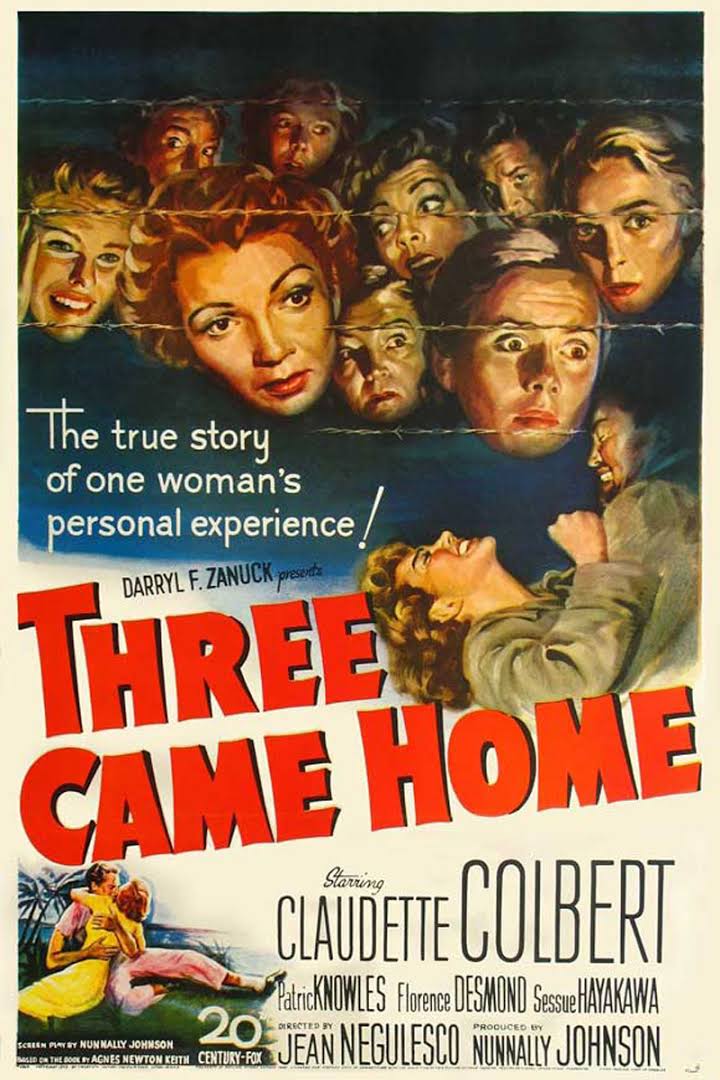
Three Came Home (1950)

The true story of Agnes Newton Keith's imprisonment in several Japanese prisoner-of-war camps from 1941 to the end of WWII. Separated from her husband and with a young son to care for she has many difficulties to face.
The story of one woman's confinement in a WW II Japanese prison camp
Agnes Newton Keith: Six-degrees north of the Equator, in the heart of the East Indies, lies Sandakan, the tiny capital of British North Borneo. In Sandakan in 1941, there were 15 thousand Asiatics, 79 Europeans, and 1 American. I was the American. My name is Agnes Keith. I was born in Oak Park, Illinois, and graduated from the University of California at Berkeley. My husband is Harry Keith, a colonial official of British North Borneo. Borneo became my home when Harry and I were married. And it was in Sandakan that I bore one child, and lost another. And it was in Sandakan that we waited - 45 white men, 24 wives, and 11 children - through the anxious days of 1940 and '41. Certain only of one thing: that sooner or later, Japanese guns would join in the thunders of war, and Japanese troops would come down through the East Indies. The men waited because it was their duty; the women because it was their choice.
Sandakan, Sandakan Division, Sabah, Malaysia
(Exterior)
Los Angeles County Arboretum & Botanic Garden - 301 N. Baldwin Avenue, Arcadia, California, USA
(Keith home)
Borneo
(location shooting)





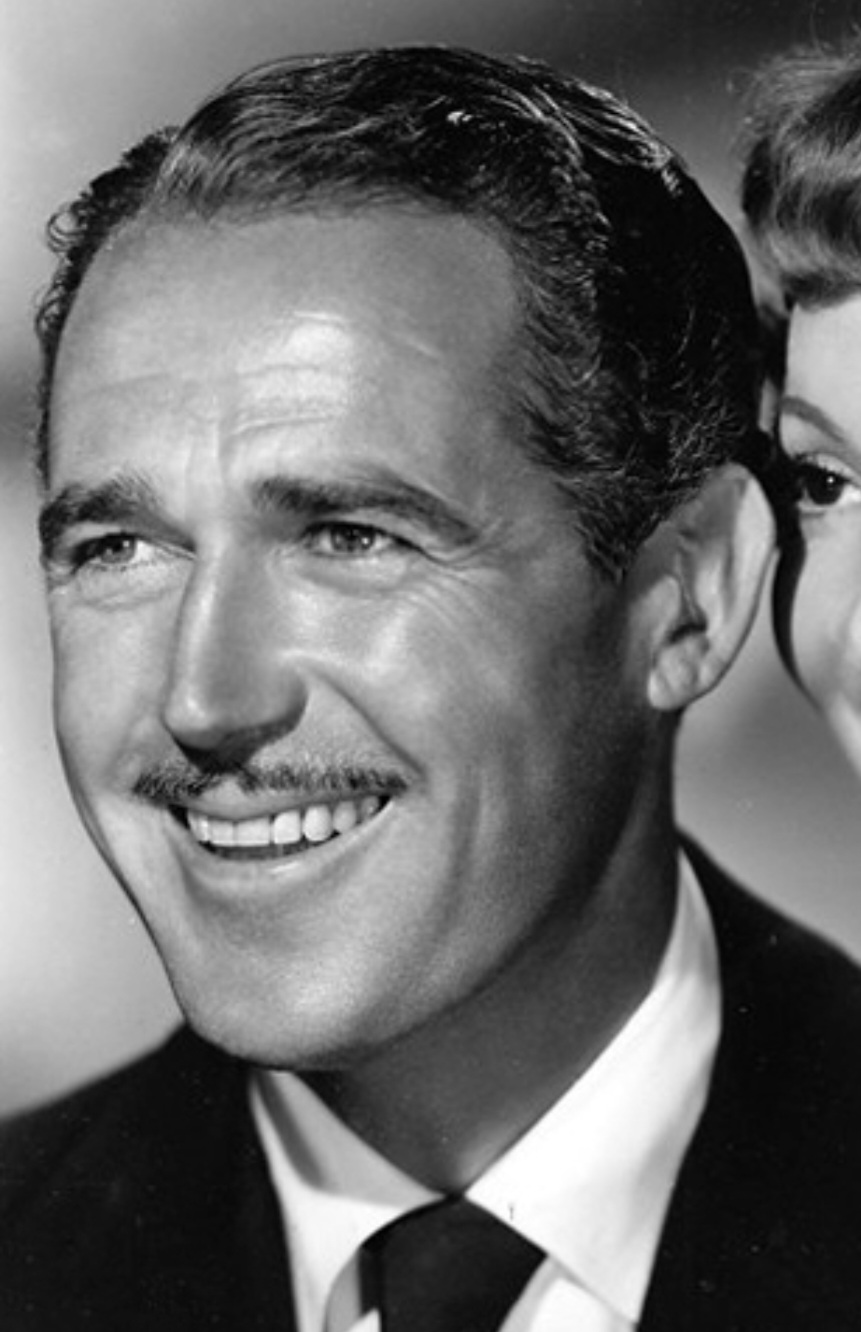
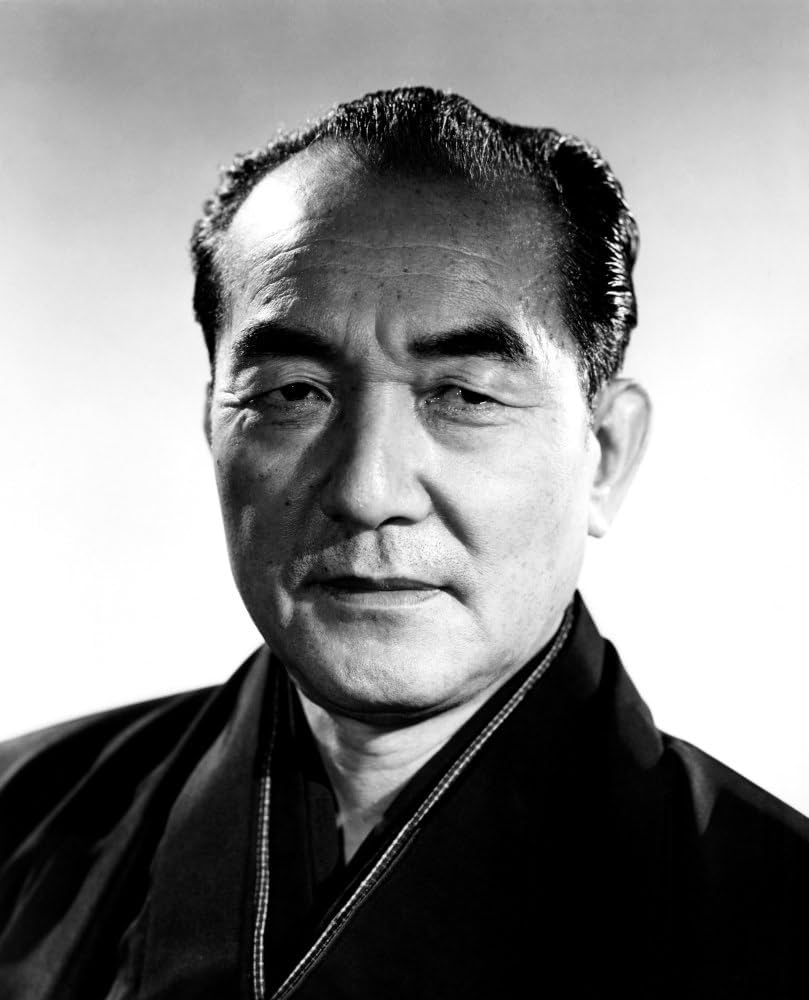
Agnes Newton Keith, the writer of the book on which this film was based, wrote a letter about the film and its critical response. The letter was published in 'The New York Times' on 26 March 1950. It reads: "...I find that one or two critics (not 'The New York Times') question why the story was written....I wrote 'Three Came Home' for three reasons: For horror of war. I want others to shudder with me at it. For affection of my husband. When war nearly killed me, knowledge of our love kept me alive. And for a reminder to my son. I fought one war for him in prison camp. He survives because of me....The Japanese in 'Three Came Home' are as war made them, not as God did, and the same is true of the rest of us."
It was while filming this movie that Claudette Colbert sustained the back injury that forced her to give up the part of Margo Channing in All About Eve (1950) to Bette Davis.
Writer-Producer Nunnally Johnson wanted this film adaptation of the book by Agnes Newton Keith to be true to the memoir and realistically capture the harrowing ordeal of Keith and her fellow POWs. This unrelenting ordeal included degradation, violence, starvation, torture, and rape. Actress Claudette Colbert playing Agnes Newton Keith in this movie agreed with Johnson's philosophy for the film.
A 'Life' magazine article in 20 March 1950 states that there is more of a sympathetic portrayal in this film of the Colonel Suga (Sessue Hayakawa) character than compared with his depiction in the source memoir by Agnes Newton Keith. The article states that Suga saved Keith's husband Harry and was kind-hearted to their children. Paradoxically though, Agnes Newton Keith also hated Suga for the starvation, torture and degradation that he inflicted in the prisoner-of-war camp.
This film was considered by this film's lead actress Claudette Colbert's as one of the best she did. After filming was complete, Colbert said to this film's director Jean Negulesco: "You know I'm not given to exaggeration, so I hope you believe me when I say that working with you has been the most stimulating and happiest experience of my entire career."
Agnes Newton Keith: The novelist on whose book this film is based, as an English Woman, can be seen in one scene in a process shot standing behind Claudette Colbert who plays her in the film. The scene has Colbert walking along a pier to the Berhala Camp alongside another woman.
Factual errors
Colonel Suga says he attended the University of Washington for four years and Agnes reveals that she attended Berkeley. Suga goes on to say that Cal "murdered" Washington's football team. However, Tatsugi Suga arrived at Washington in 1924 and during the next four seasons California never defeated Washington. Only one football game would fit Suga's description: a 33-0 loss in 1933.
Revealing mistakes
The time line is 1941 through 1945 but, needless to say, Mrs. Keith's young son, George, doesn't age four years.
Anachronisms
The Ford Prefect shown in one of the opening scenes is a postwar model.