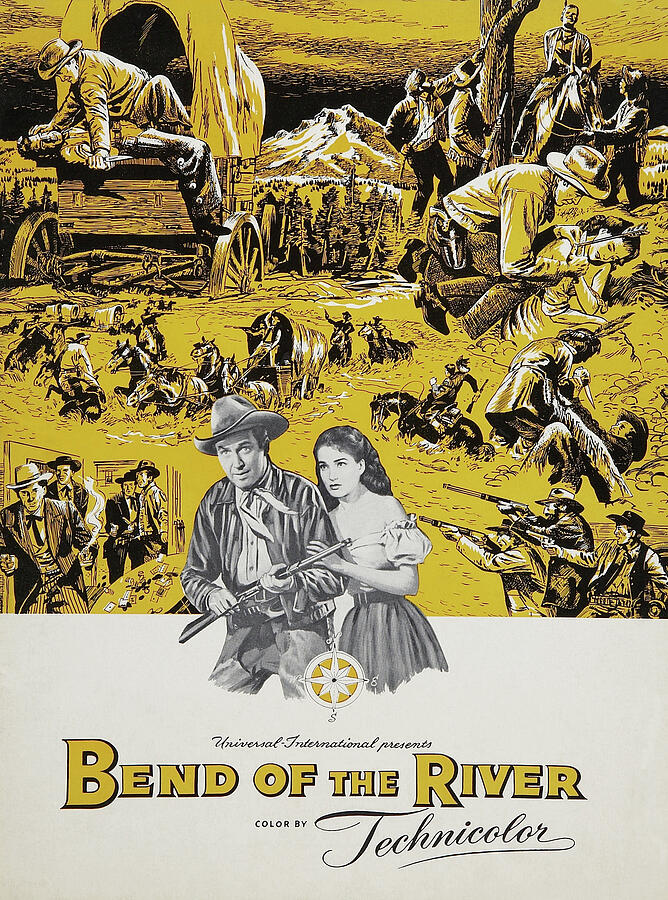
Bend Of The River (1952)

Two men with questionable pasts, Glyn McLyntock and his friend Cole, lead a wagon-train load of homesteaders from Missouri to the Oregon territory. They establish a settlement outside of Portland and as winter nears, it is necessary for McLyntock and Cole to rescue and deliver food and supplies being held in Portland by corrupt officials. On the trip back to the settlement, up river and over a mountain, Cole engineers a mutiny to divert the supplies to a gold mining camp for a handsome profit.
The greatness...the glory...the fury...of the Northwest Frontier!
Glyn McLyntock: Always point this (the wagon tongue) toward the North Star. Then come morning, we'll know where we're going.
Cap'n Mello: You're a little naked to go calling on Hendricks. You ain't wearin' a gun.
Mount Hood, Oregon, USA
Timberline, Oregon, USA
Columbia River, Oregon, USA
Sandy River, Oregon, USA
Celilo Falls, Columbia River Gorge, Oregon, USA
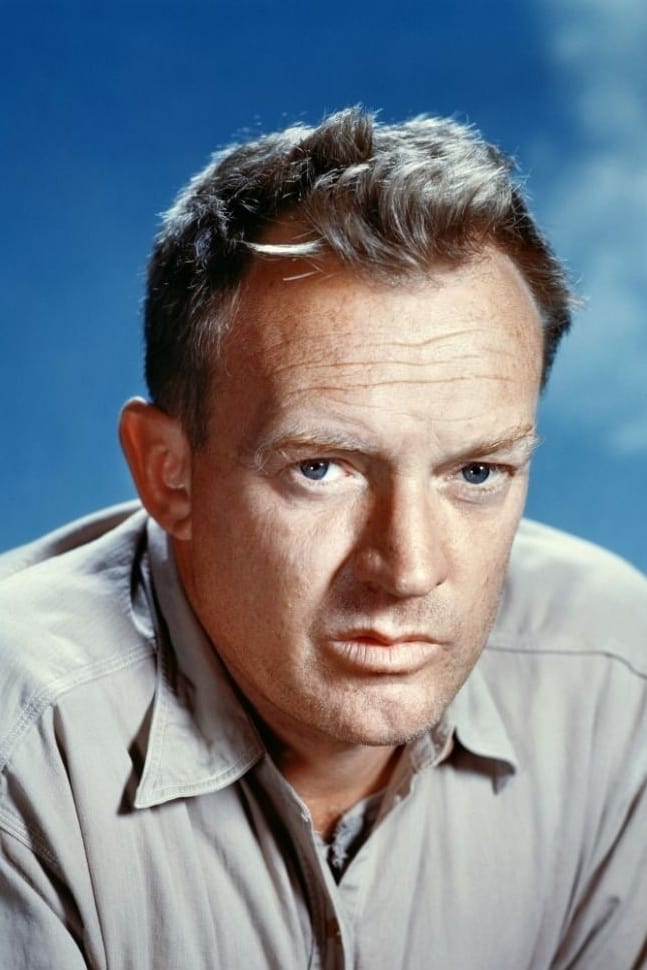
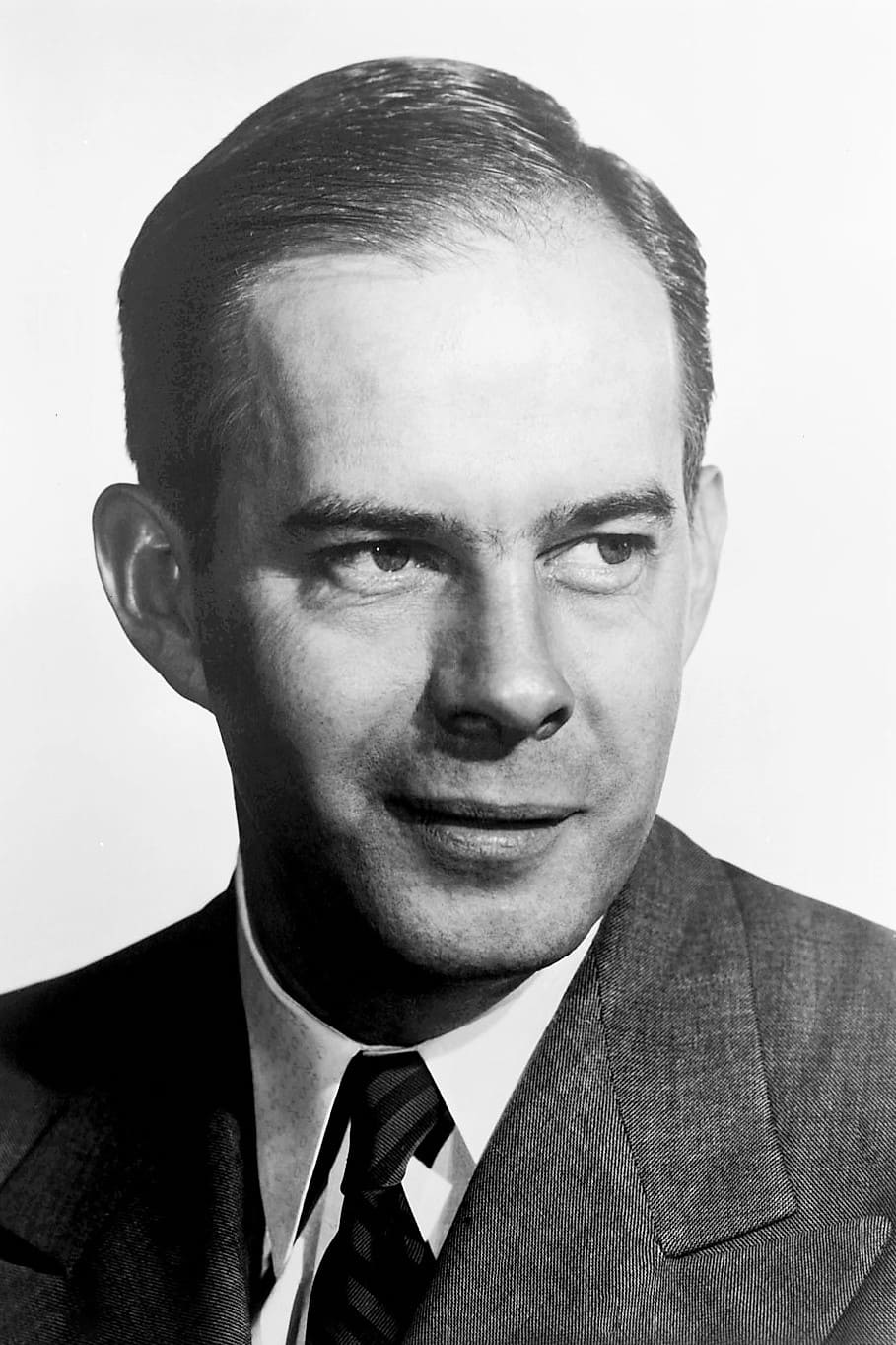
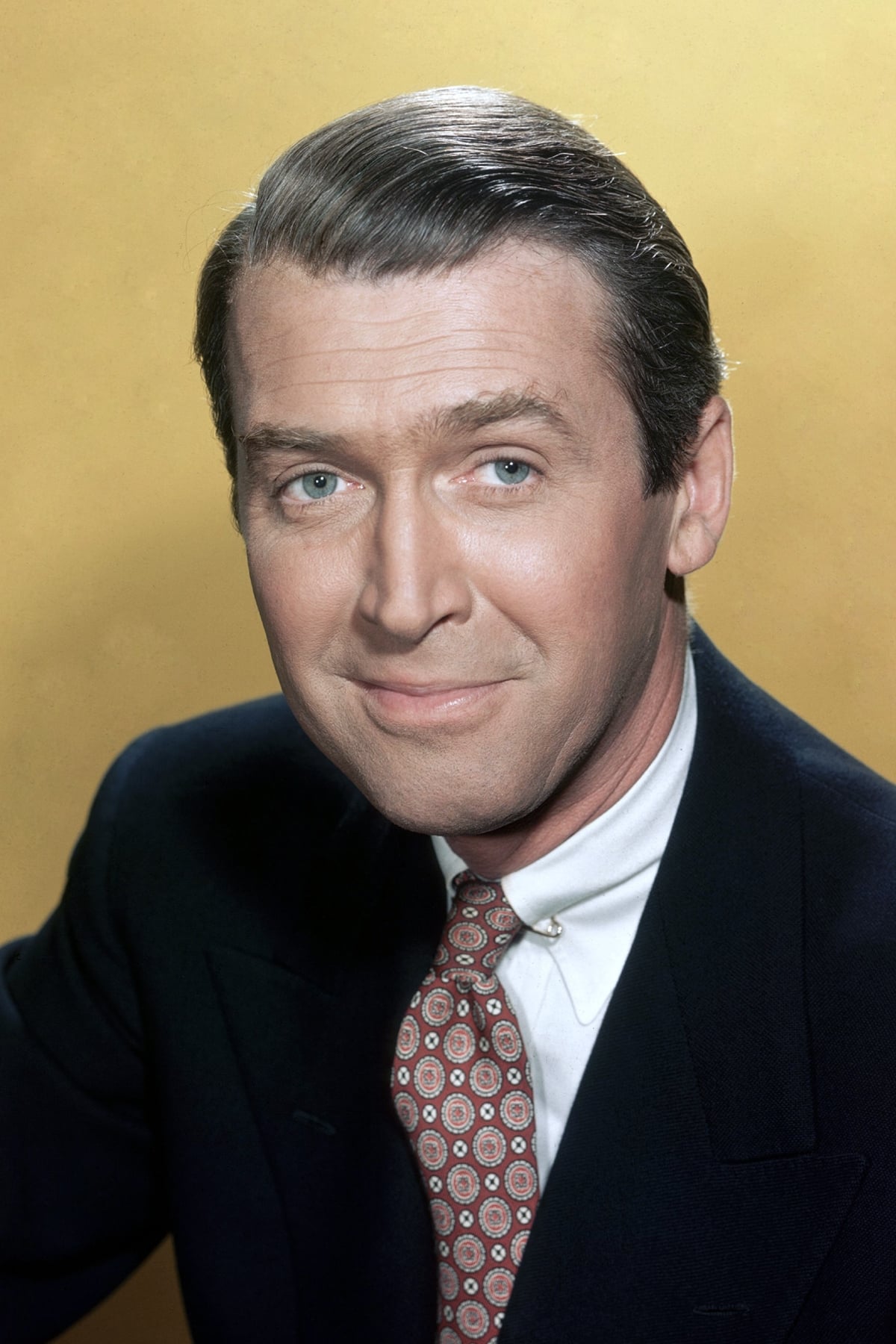
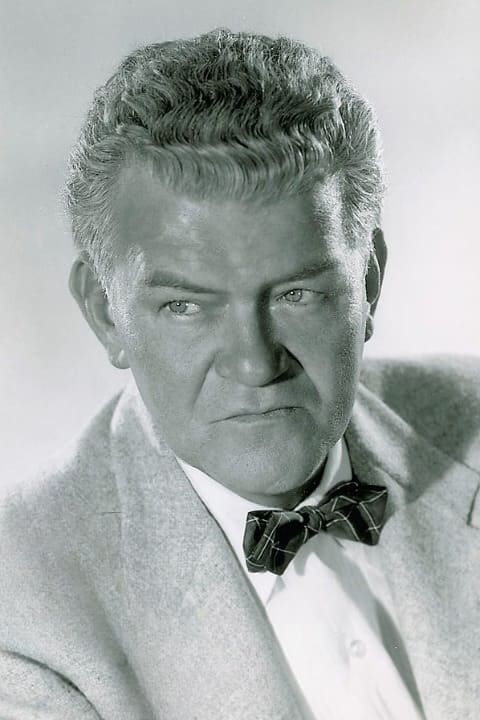
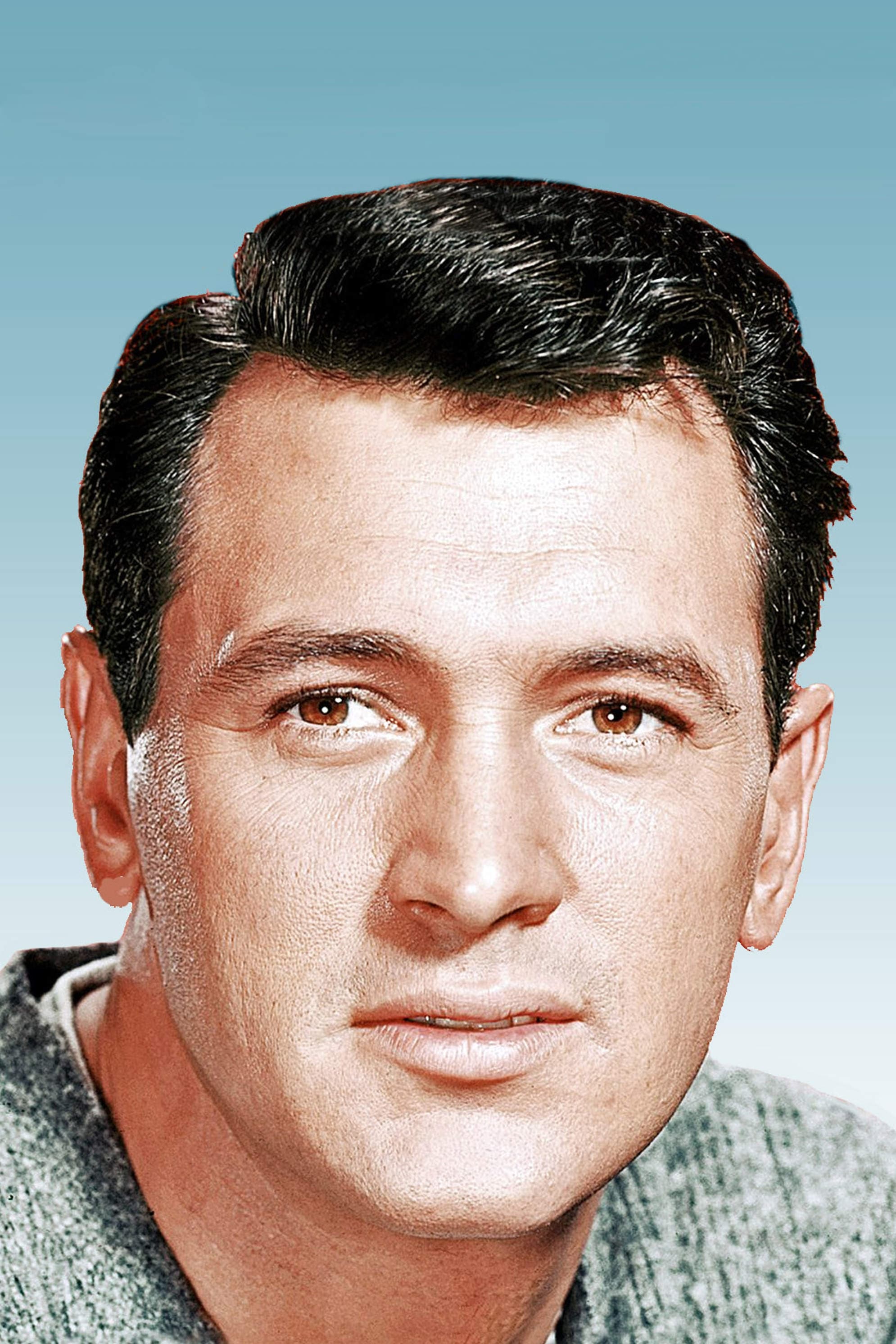
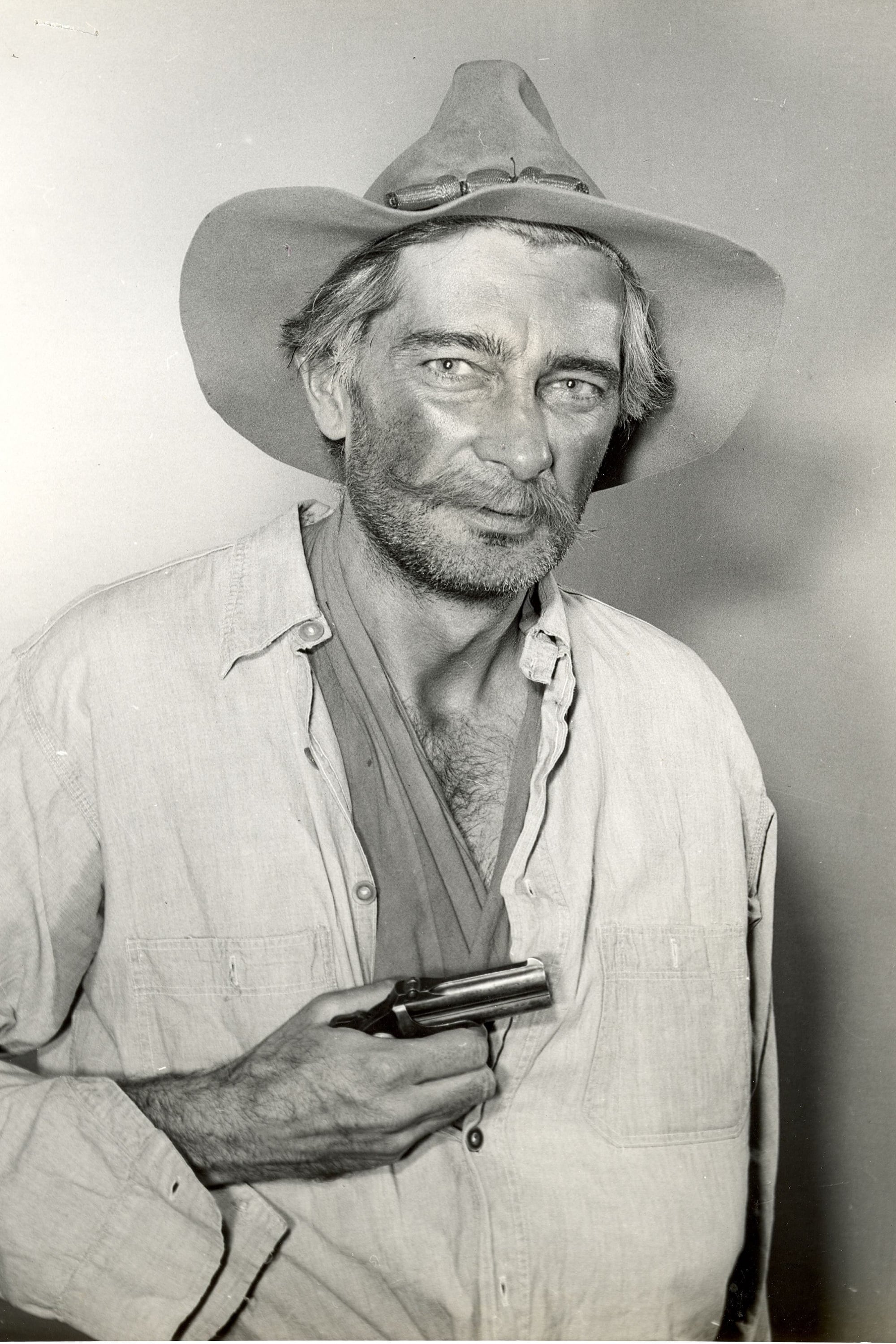
Though the film received generally poor reviews, it is noteworthy as marking a turning point in James Stewart's career, as he began to play much more violent, cynical and ruthless characters.
Filmed on Mt. Hood, Oregon, in July 1951.
James Stewart was so upset when Rock Hudson received more cheering and applause at the premiere that he vowed never to talk to the actor again, let alone work with him. And he never did.
Arthur Kennedy was confined to shooting riding scenes until his knee healed, after spraining it while filming the fight scene with Jay C. Flippen.
Studio executives were unsure if British audiences would understand the title and changed the syntax to "Where the River Bends."
Continuity
When Laura Baile gets shot by an arrow, it is almost between her neck and her chest. Soon after, it is high in her right shoulder.
The heroes pass the same large, flat, rock formation twice during the trek with supplies.
The way Cole tries to gouge Glyn's eye changes between shots.
When the wagons arrive in Portland, Glyn calls to the captain to ask him about getting a doctor. A man in a red shirt disappears in the cut between the low angle and view from above the ship.
Incorrectly regarded as goofs
Near the middle of the movie, the wagons filled with supplies for the settlement have stopped to "noon" just above the tree line. Just as Glyn rides up to get a cup of coffee, there are a series of what look like power poles or telephone lines at the left side of the screen on the horizon. However, those are actually the rounded and uncovered "bows" of a covered wagon.
Revealing mistakes
When fleeing Portland on horseback, they throw lanterns to set fire to the tents. One of the lanterns extinguishes before shattering on the ground, but fire starts inside the tent nevertheless.
Errors in geography
After dropping off a party to cross over Mt Hood, the paddle wheel captain indicated that he was taking the boat back to the Mississippi river. This would entail going all the way around South America. A paddle wheel boat would not be capable of such a journey.
Near the beginning of the film, while camped very close to the base of what is obviously Mt Hood, Jimmy Stewart's character says they are heading for a place 150 miles east of Portland. Mt Hood is only 50 miles east from Portland. Not only that, but they go through Portland on their way to their settlement.
At the base of Mt Hood, the settlers are attacked by a band of Indians that the trail guide declares are Shoshone. Although there were Shoshone (Paiute) tribes in southeast Oregon, Mt Hood is in north central Oregon along the Washington border - too far to the northwest to have been on any Shoshone ground.
Plot holes
The winter's worth of food comprising three wagonloads that various groups were chasing after was considered to be worth a fortune, with the miners offering $100,000 in gold for it, yet it was originally stored outside on the paddle-wheel boat dock in Portland with no one guarding it.