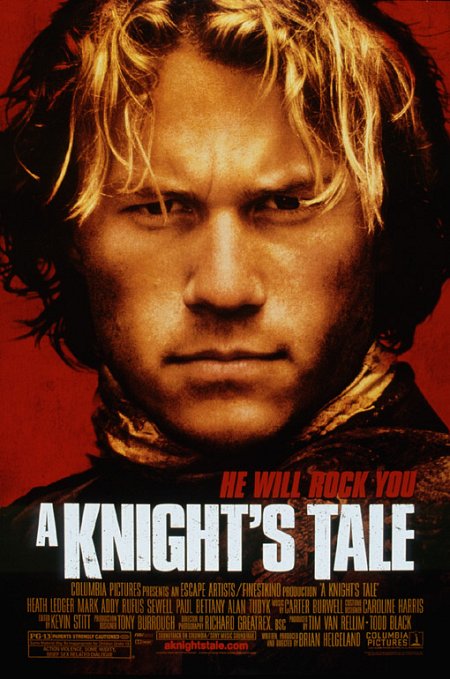
A Knight's Tale (2001)

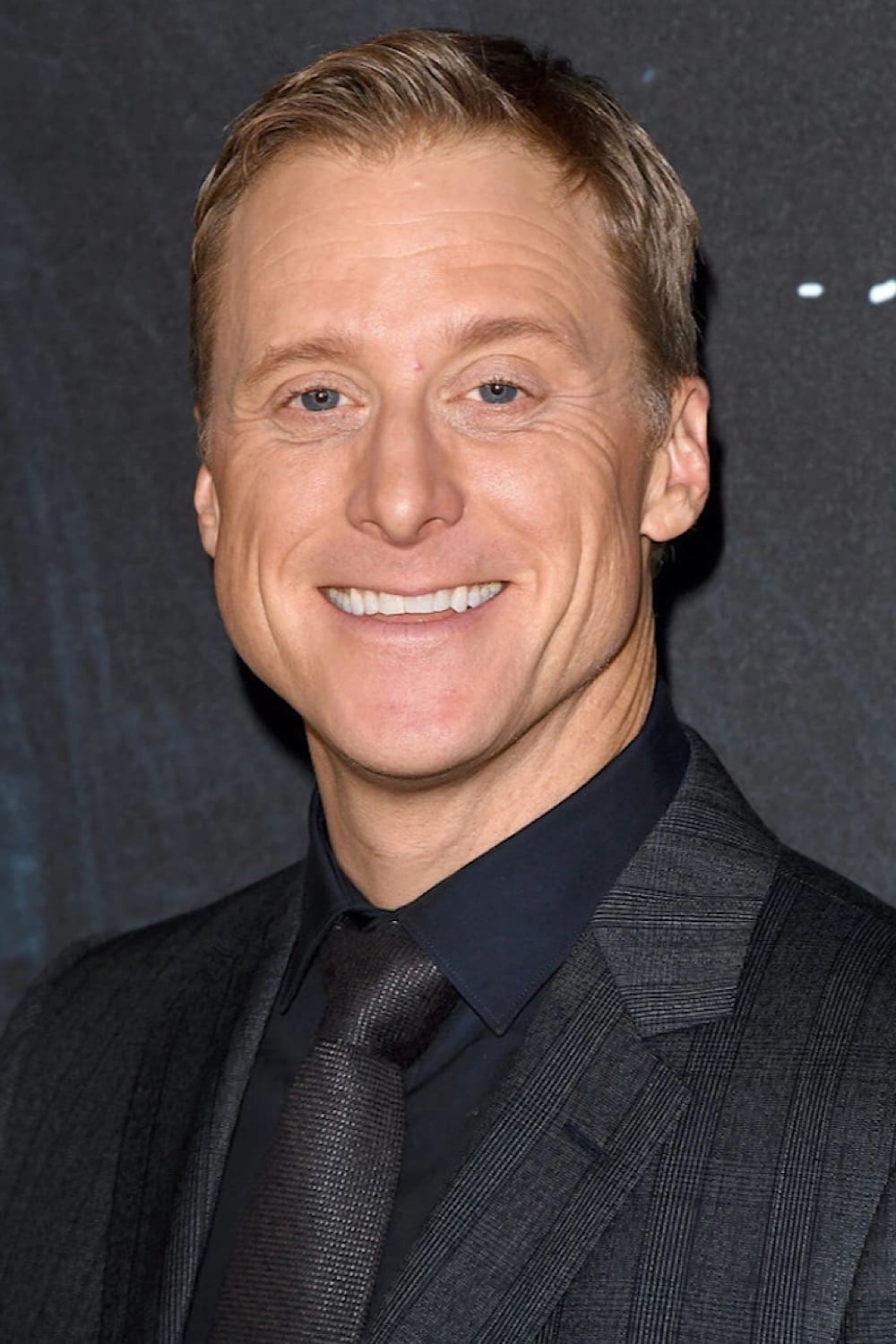
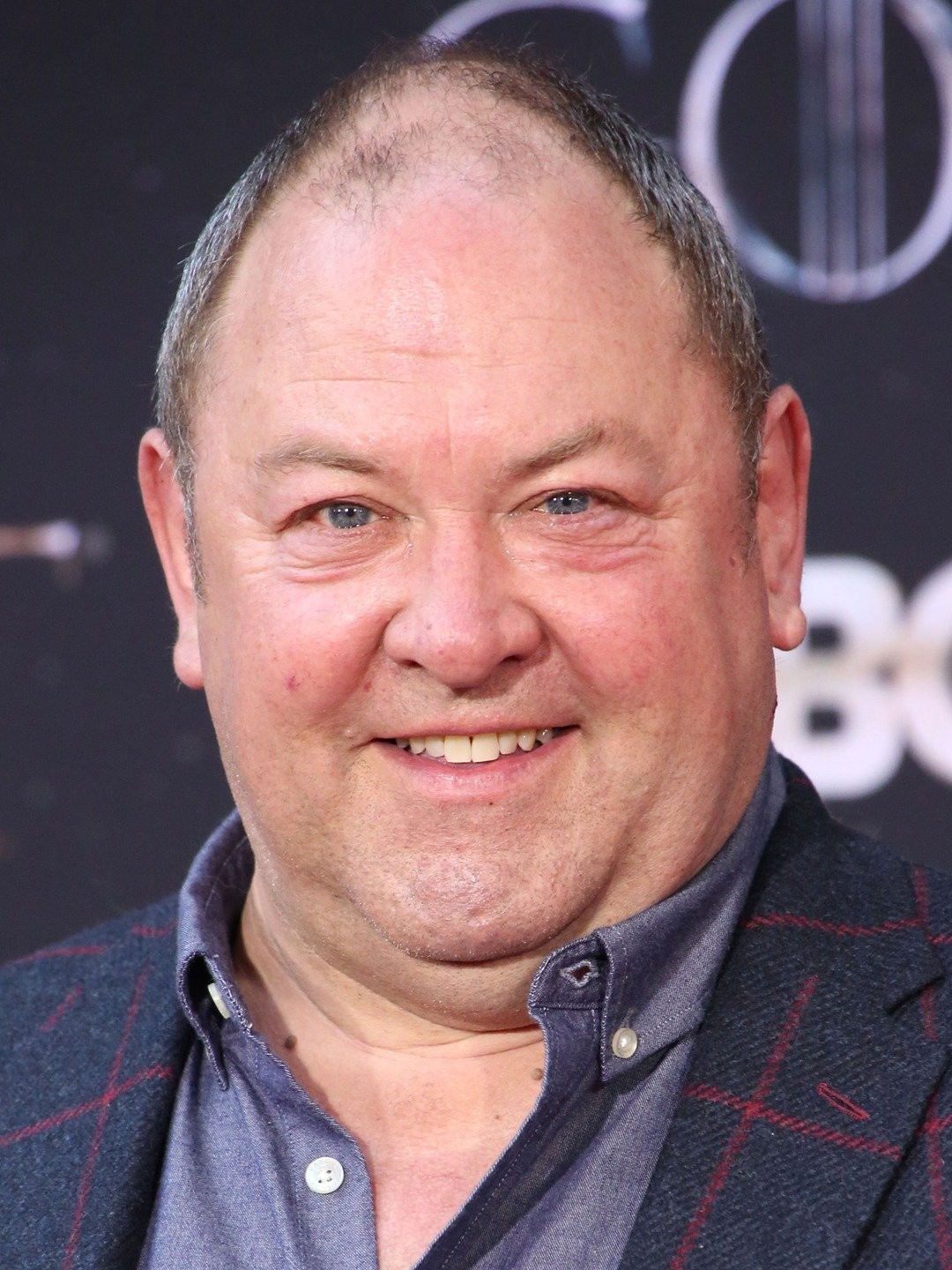
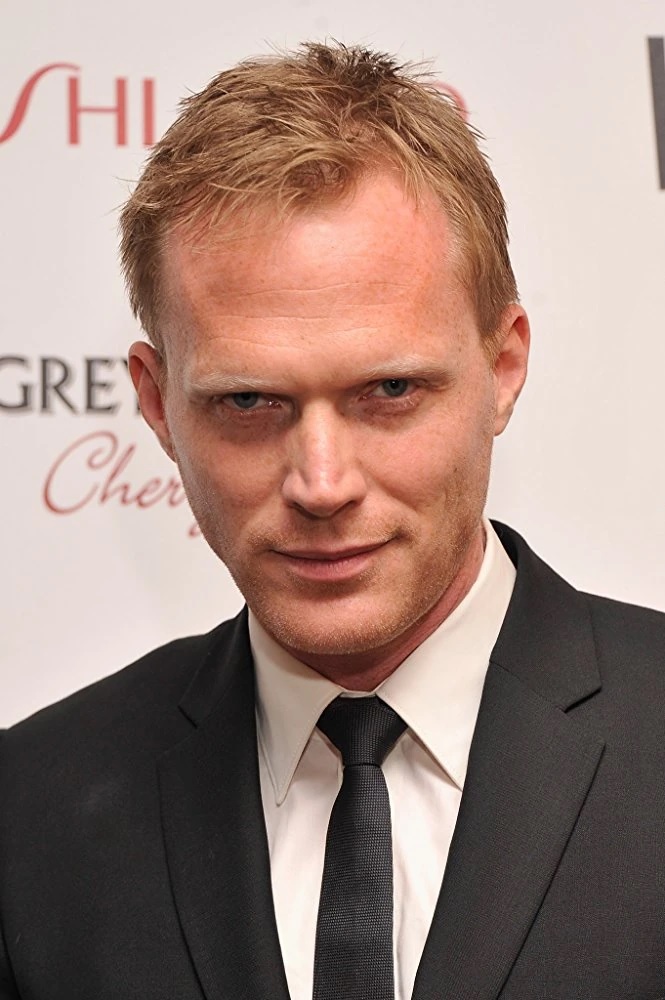
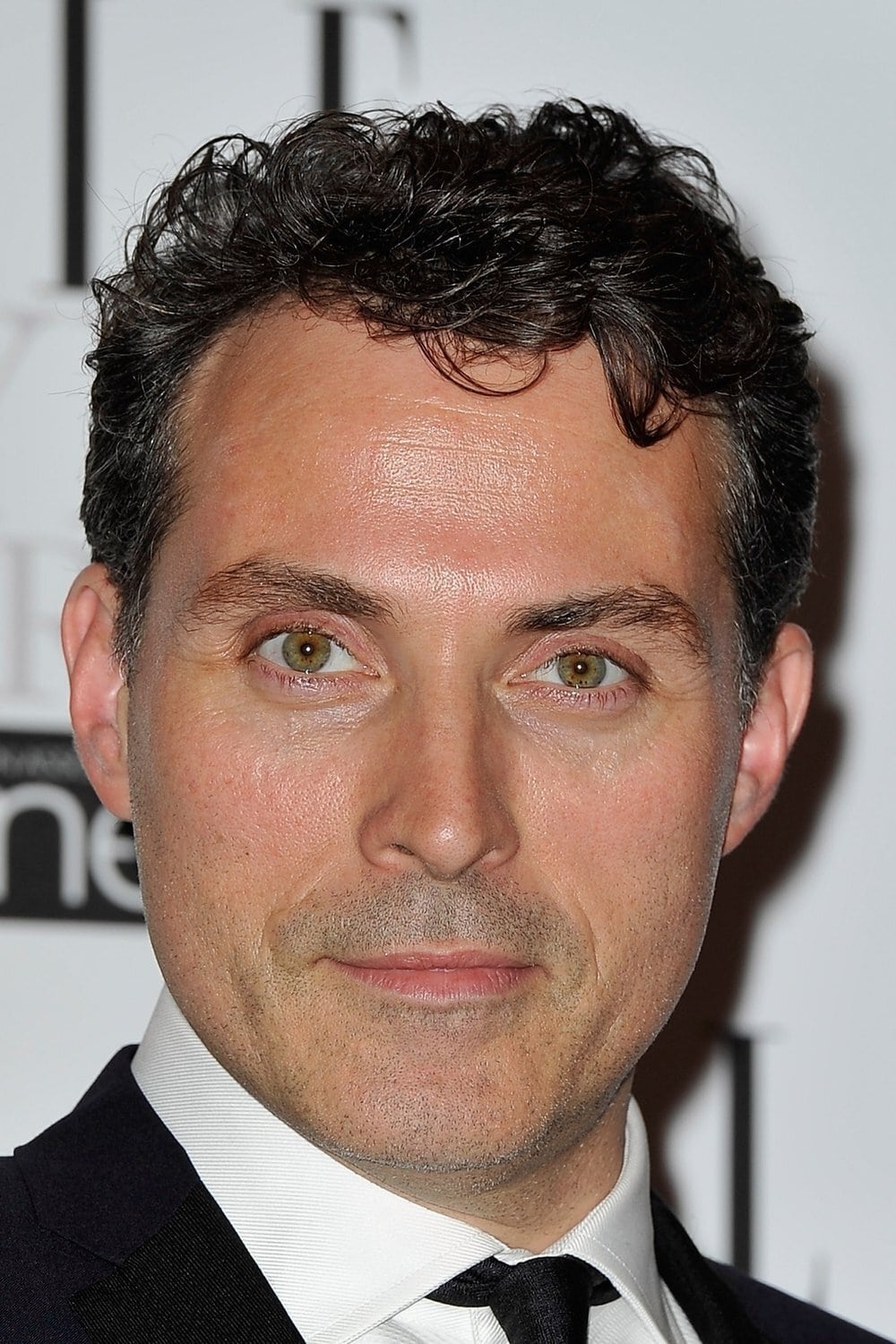
This crowd-pleasing medieval adventure tale is very loosely inspired by Geoffrey Chaucer's The Canterbury Tales and mixes the anachronistic elements of modern-day rock music and colloquialisms with a period setting and characters. Heath Ledger stars as William Thatcher, a low-born 14th century squire who, in a fit of inspired spontaneity, replaces his deceased employer as the competitor at a jousting competition. Jousting is a pastime only permitted to knights, who are of noble birth, but Thatcher wins and decides to continue his new pursuits. With the help of his two fellow squire friends Wat and Roland (Alan Tudyk and Mark Addy) and none other than the gambling-addicted Geoffrey Chaucer (Paul Bettany), Thatcher has soon adopted a false identity and is winning one joust after another on his way to a championship in London. His victories inspire the affection of a female fan, Jocelyn (Shannyn Sossamon), and the ire of a competitor, Count Adehmar (Rufus Sewell), but Thatcher's ruse is threatened with exposure. A Knight's Tale is the sophomore directorial effort of acclaimed screenwriter Brian Helgeland, who won an Oscar for his work on L.A. Confidential (1997) and debuted behind the camera with the troubled production of Payback (1999).
From peasant to knight; one man can change his stars
Chaucer: You're good. You're very good. My lords, my ladies, and everybody else here not sitting on a cushion!
[crowd roars]
Chaucer: Today... today, you find yourselves equals.
[crowd roars]
Chaucer: For you are all equally blessed. For I have the pride,
Barrandov Studios, Prague, Czech Republic
(studio)
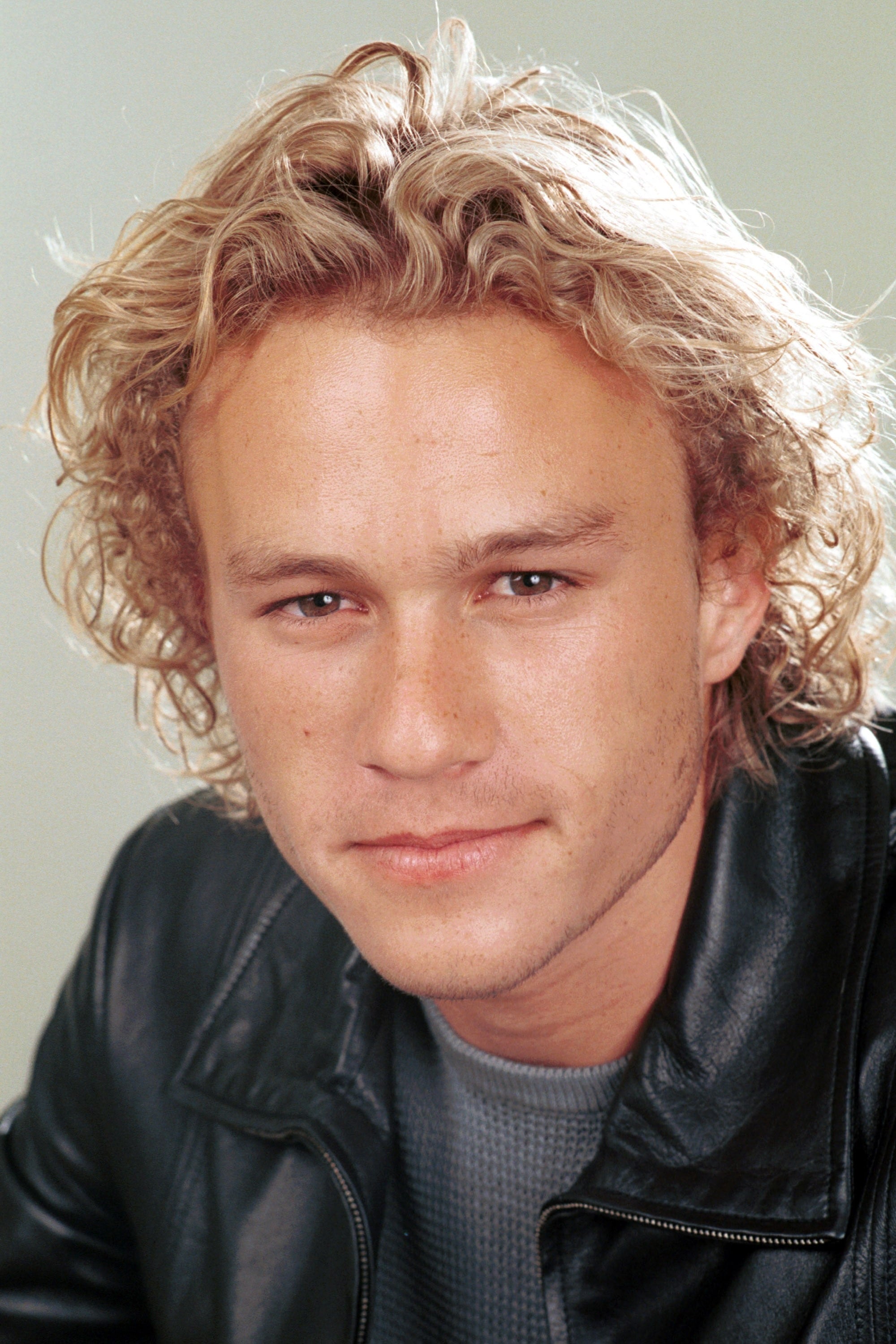
Heath Ledger knocked out one of director Brian Helgeland's front teeth with a broomstick when the two were demonstrating a jousting move. It was several months before Helgeland's mouth had healed enough to repair the damage. He says it was the only jousting injury during filming.
Plenty of effort was expended creating lances that would splinter convincingly without taking out the stunt riders as well. The body of each lance was scored so it would break easily, and the tips were made of balsa wood. Each was also hollowed out, and the hole filled with balsa chips and (obviously uncooked) linguini to make convincing splinters.
The actor playing the younger version of William has different colored eyes but Brian Helgeland didn't feel it would be fair to make the young actor wear contact lenses.
A medieval version of The London Eye (a large Ferris wheel) can be seen in the aerial shot of London. The shot is not computer generated but is of a model which cost $500,000.
Once again the shot of the Mercury astronauts walking in slow motion in The Right Stuff (1983) makes an appearance, this time when Will and his team march out for the championship.
Newsweek revealed in June 2001 that print ads for at least four movies released by Columbia Pictures, including this film and The Animal (2001), contained glowing comments from a film reviewer who did not actually exist. The fake critic, "David Manning," was created by a Columbia employee who worked in the advertising department. "Manning" was misrepresented as a reviewer for a newspaper in a small Connecticut town.
The video version of the film, released prior to the terrorist attacks on the World Trade Center on 11 September 2001, was recalled because it contained a Spider-Man (2002) preview that included a shot of the World Trade Center.
Olivia Williams made a brief appearance as Chaucer's wife, but her scenes were deleted. They can be seen on the special edition DVD.
Two of the characters in the film, Peter The Pardoner and Simon The Summoner, are characters from Geoffrey Chaucer's work, "The Canterbury Tales".
Paul Bettany (Geoffrey Chaucer) developed laryngitis because of all the yelling he had to do as William's herald.
When Chaucer first introduces "Sir Ulrich" in his speech, the crowd does not react at first because the Czech extras could not understand the speech. This reaction, or lack of it, was left in.
During the first award ceremony with William and Adhemar, Chaucer kisses Count Adhemar's herald twice. This was the response to a request from director Brian Helgeland to "surprise him", though he never specified how.
The phrase that Chaucer tells Will when they get to the first tournament, "I've got to go see a man about a dog," is an archaic reference for going to the bathroom. Although unlikely to have seen use in Chaucer's day, it was in use in the early-1900s.
Some of the extras were homeless people from Prague.
For the scene when William follows Jocelyn into the cathedral, the sounds of his horse's hooves were produced using coconuts on Charles Maynes' garage floor.
The initial scene of the two knights jousting in the first scene of the movie is actually footage of Heath Ledger's stunt double in an accident. During filming of a later scene in the movie, the lance of the stunt double's opponent moved off target and hit him in the head. The double fell to the ground unconscious. The entire footage was used for the introduction.
The terrific crunching sound heard whenever a lance shatters in the film is largely made up of the sound of a howitzer being fired. In order to produce the long crunching impact, the sound of the howitzer was slowed down by half.
Director Brian Helgeland once said in an interview that he had a simple explanation for the use of modern music in the movie. He said that he felt it would show people today what people then felt about their music. When true Renaissance music is used in movies today it fails to convey the emotional response that people back t
Incorrectly regarded as goofs: The Eiffel Tower is seen in the long shot of Paris; the London Eye appears in the long shot of London. These are both shots of specially constructed models/mattes and the modern landmarks are there deliberately as jokes.
Continuity: Jocelyn sits down twice during the final joust.
Continuity: During the final joust, Sir William's armor is removed revealing a large blood stained hole in his padded shirt. Later in the scene the blood stain is visible but the hole is completely gone.
Continuity: During the Parade in London, you can see that stand-ins are used for Roland, Geoff, and Kate when they are marching with William's standards in the long shots, rather than the actual actors.
Continuity: In the montage of William during his sword of foot fights, you can see that his armor has the line from where it was repaired by Kate. His armor isn't broken until the next joust scene.
Revealing mistakes: In the final shot, when Jocelyn embraces William, the back of her dress is seen. The overlap portion of a center back zipper is clearly visible.
Continuity: While Adhemar is being prepared for the final joust, his page puts on his helmet and begins to close the visor with his ungloved hand. In the next shot, Adhemar closes the visor again with his own, gloved, right hand which, as far as we have seen, is already holding his lance (he is holding the horse's reins with his left hand).
Continuity: Chaucer has cloth stuffed up his left nostril to stop a nosebleed, which switches to the right side in one shot, and then back to the left again. Looking closely, it appears that the film has been reversed to keep the direction of movement constant as Chaucer backs away from Will - leaving it would have created a more jarring error.
Continuity: Several shots during the final joust have an over-exposed, milky appearance caused when a camera assistant dropped and split a film magazine on the final day of shooting.
Revealing mistakes: The mirror reflection of Jocelyn's face is obviously composited onto the holy water font at the church and doesn't look very much like a reflection in water at all.
Continuity: The dirt on Chaucer's back when William, Wat, and Roland first meet him.
Continuity: When Will is knighted, Geoff is sitting between Will and Edward in the normal shots and next to Roland and Wat in the overhead shots.
Continuity: When Wat is lashing the lance to William's arm, William's necklace is gone. Just before William jousts for the last time, the necklace reappears.
Continuity: In the final joust, the horse is wearing his old leather breast plate in a close-up, and in the next shot he's wearing the new metal one.
Continuity: In the final joust, Geoffrey sees that they need more time while Wat is strapping the lance to William's arm. He jumps up into the stand to make his introduction, which he does from the arm of the prince's chair. But in a reaction shot of John Thatcher, the arms are entirely Chaucer-free.
Continuity: In the final joust, after the first run with Adamar, William's armor is bent where the lance pierced his shoulder. At the next scene, the armor is in perfect condition, then later when he tells Kate to remove it because he can't breath, it is bent again.
Continuity: When the starter waves the flag before the first lance in the final joust, his hands reverse positions between shots.
Continuity: In the parade over London Bridge Kate is to the right of William's horse in one shot, with other pages to her left, but in the next shot she is on the left next to the crowd.
Continuity: When William is being knighted, Chaucer is sitting immediately next to him, but in the next shot, from overhead, he has moved. He then moves back again in the next shot.
Continuity: When William first sees Jocelyn and follows her into the church (on horseback) there is scaffolding around the door and men working on it. Two minutes later when he is ejected by the clergy, the scaffolding has gone.
Continuity: When Will is