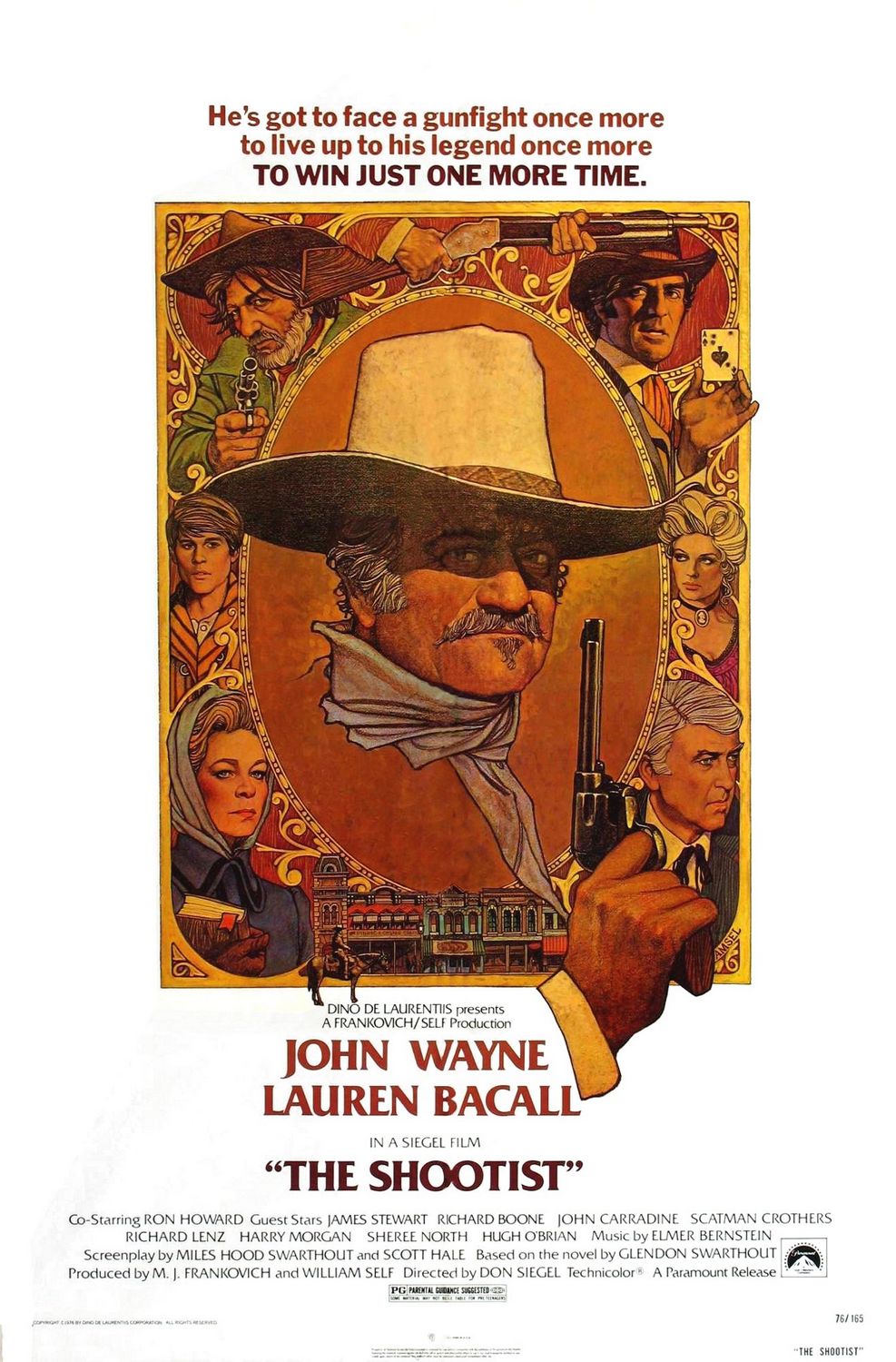
The Shootist (1976)

John Books an aging gunfighter goes to see a doctor he knows for a second opinion after another doctor told him he has a cancer which is terminal. The doctor confirms what the other said. He says Books has a month maybe two left. He takes a room in the boarding house and the son of the woman who runs it recognizes him and tells his mother who he is. She doesn't like his kind but when he tells her of his condition, she empathizes. Her son wants him to teach him how to use a gun. Books tries to tell him that killing is not something he wants to live with. Books, not wanting to go through the agony of dying from cancer, tries to find a quicker way to go.
"He's got to face a gunfight once more to live up to his legend once more. To win just one more time."
John Bernard Books: I won't be wronged. I won't be insulted. I won't be laid a-hand on. I don't do these things to other people, and I require the same from them.
Carson City, Nevada, USA
(filmed in)
Krebs-Peterson House - 500 Mountain Street, Carson City, Nevada, USA
Kings Row, Warner Brothers Burbank Studios - 4000 Warner Boulevard, Burbank, California, USA
(studio)
Washoe Lake State Park - 4855 Eastlake Boulevard, Carson City, Nevada, USA
Laramie Street, Warner Brothers Burbank Studios - 4000 Warner Boulevard, Burbank, California, USA
(studio)
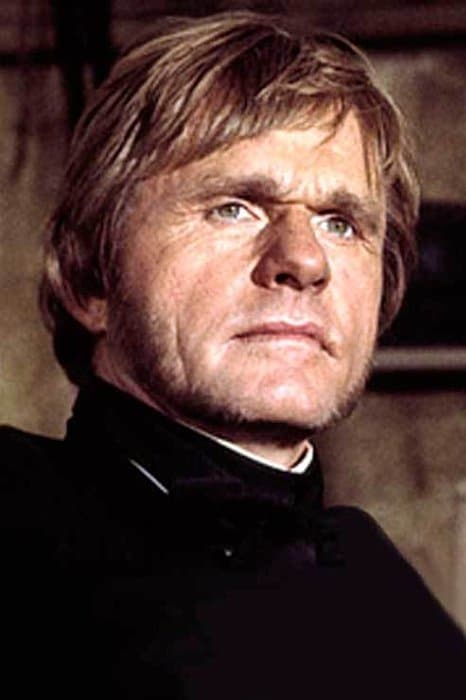
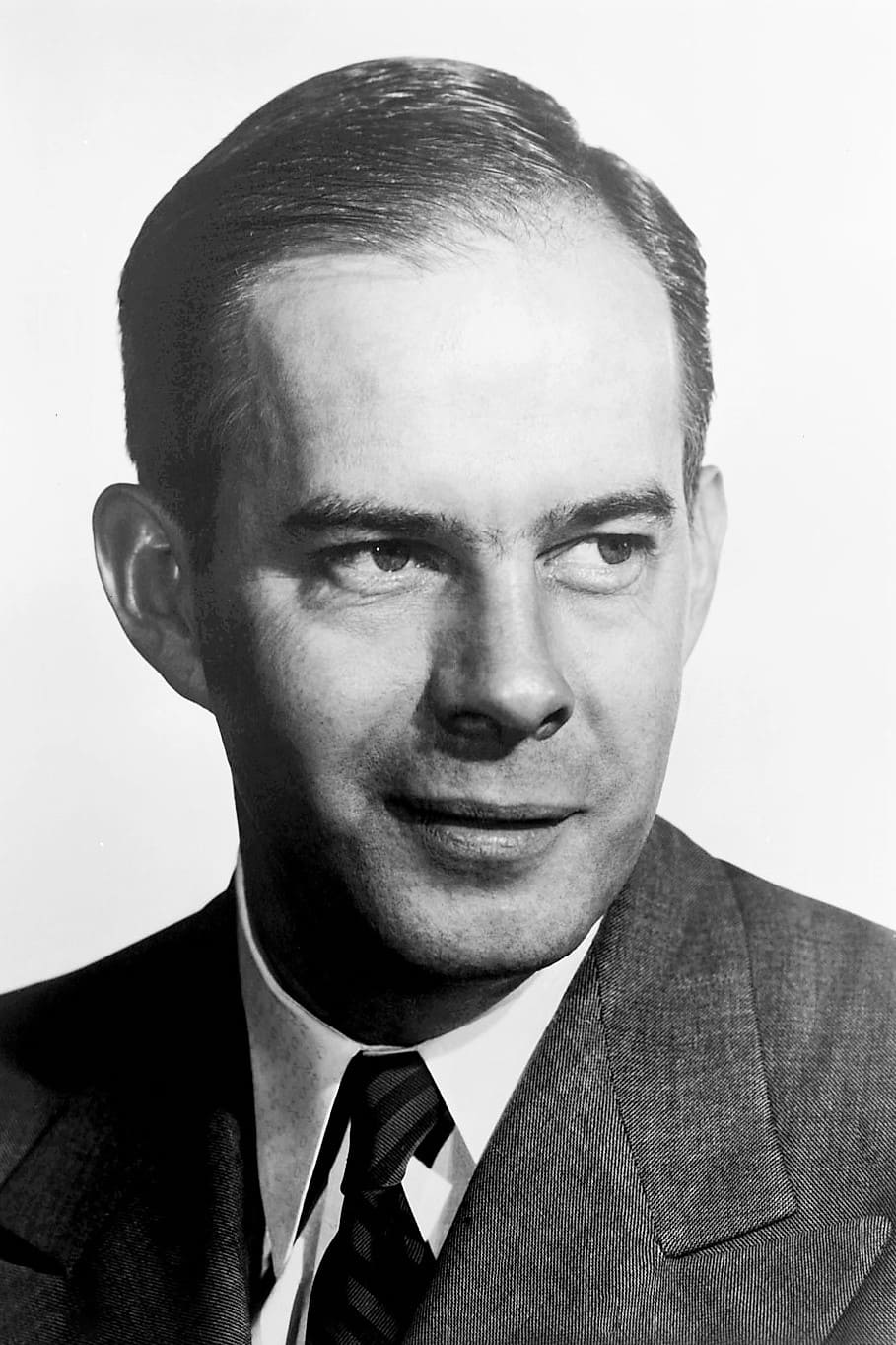
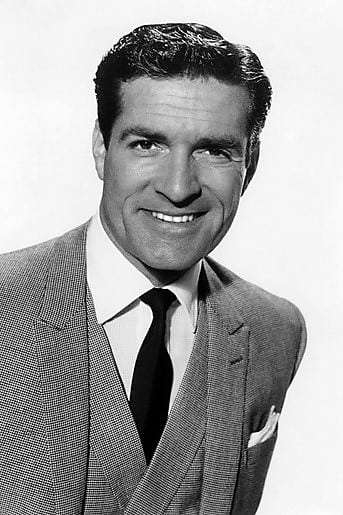
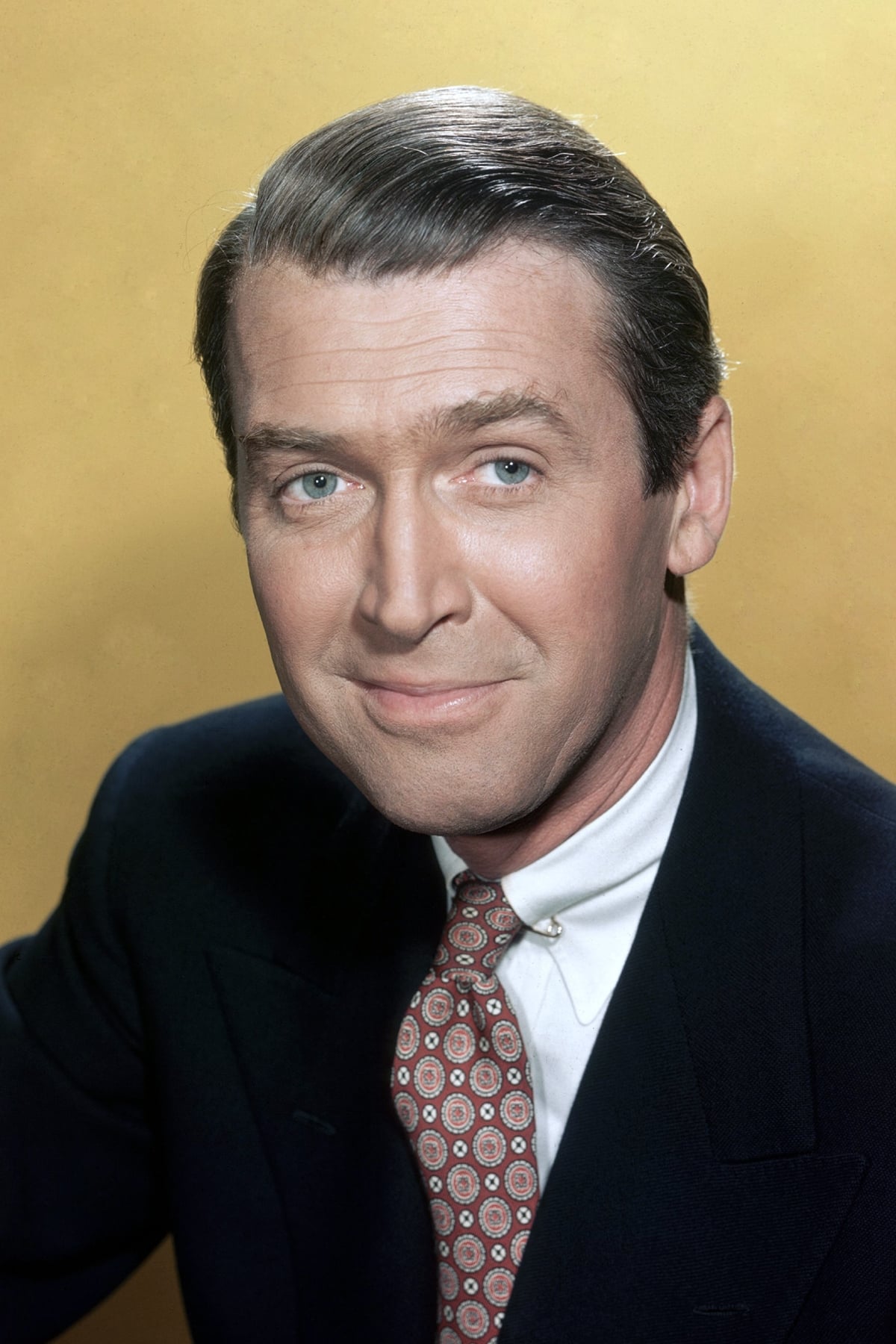
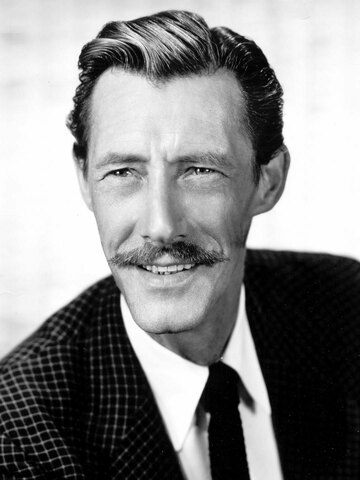
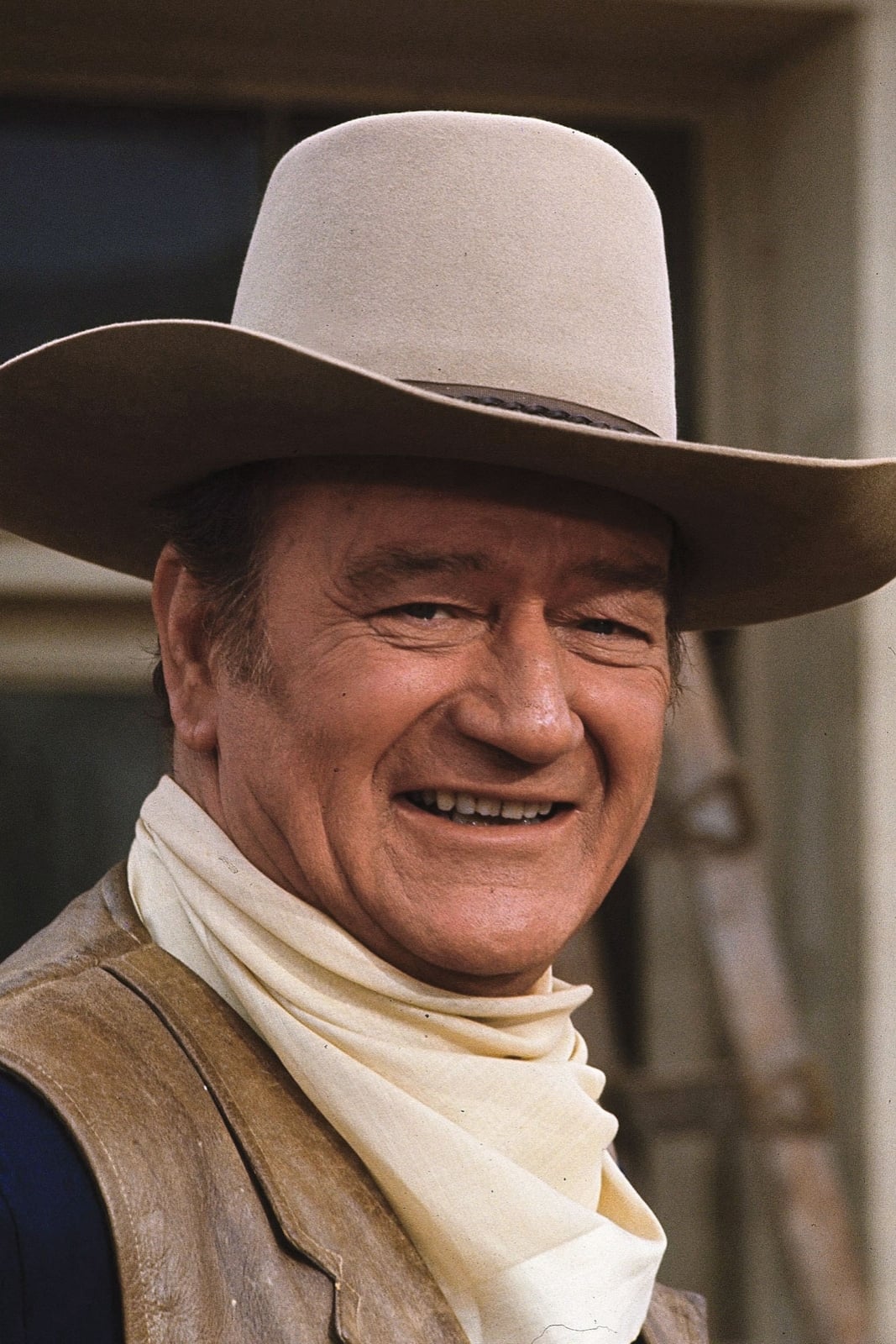
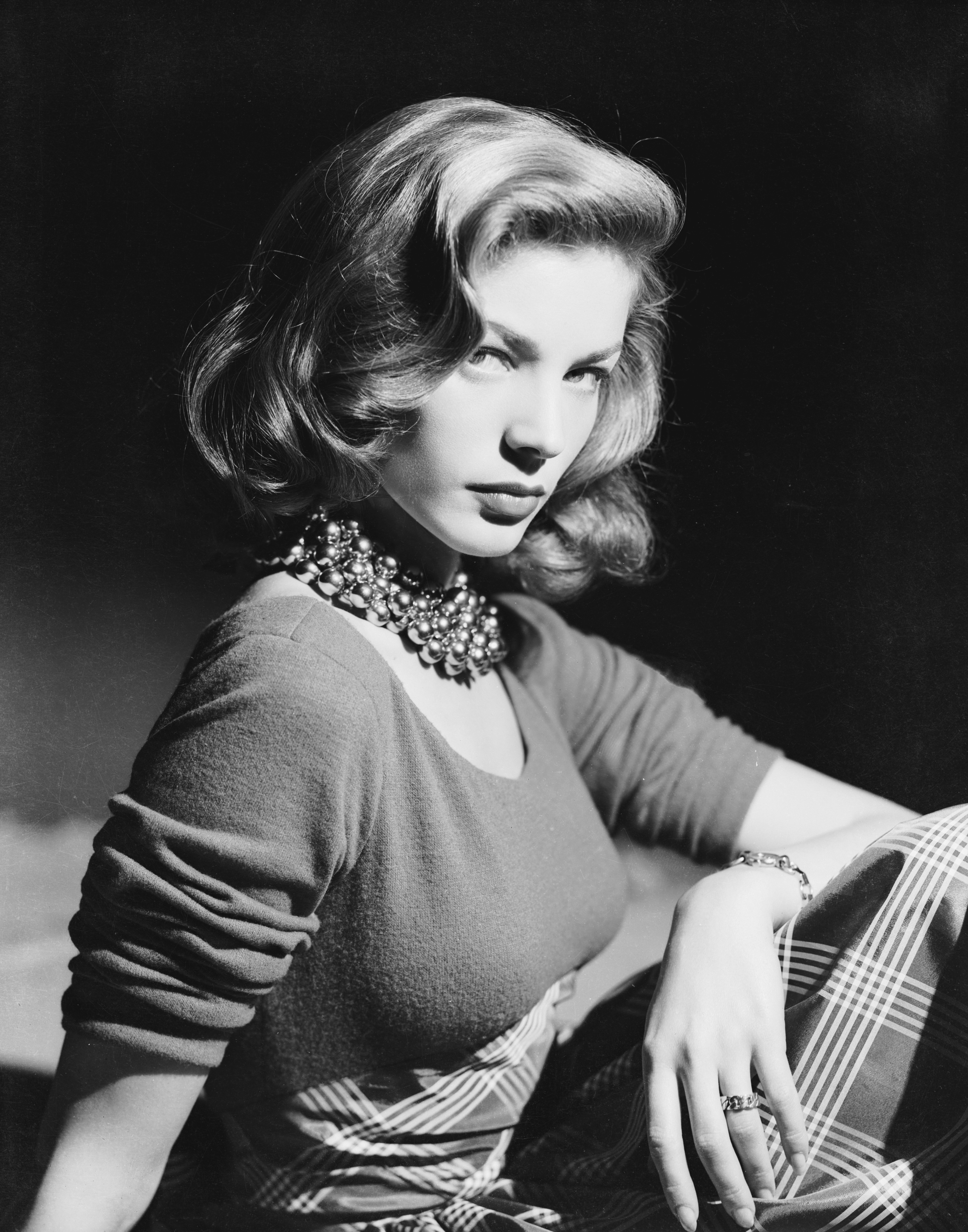
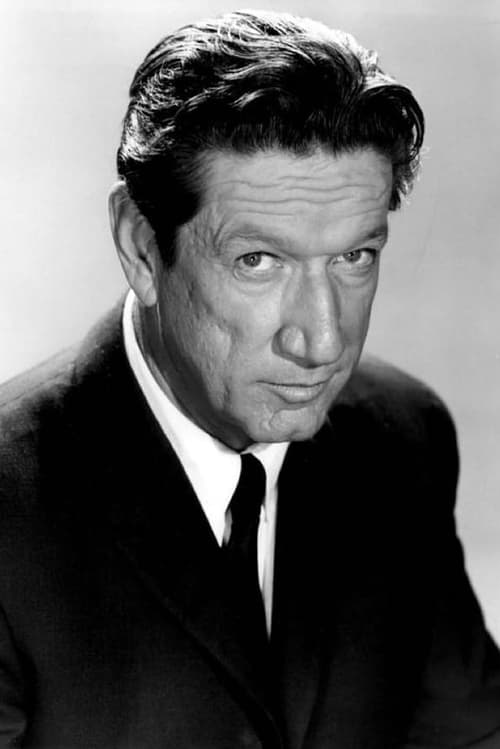
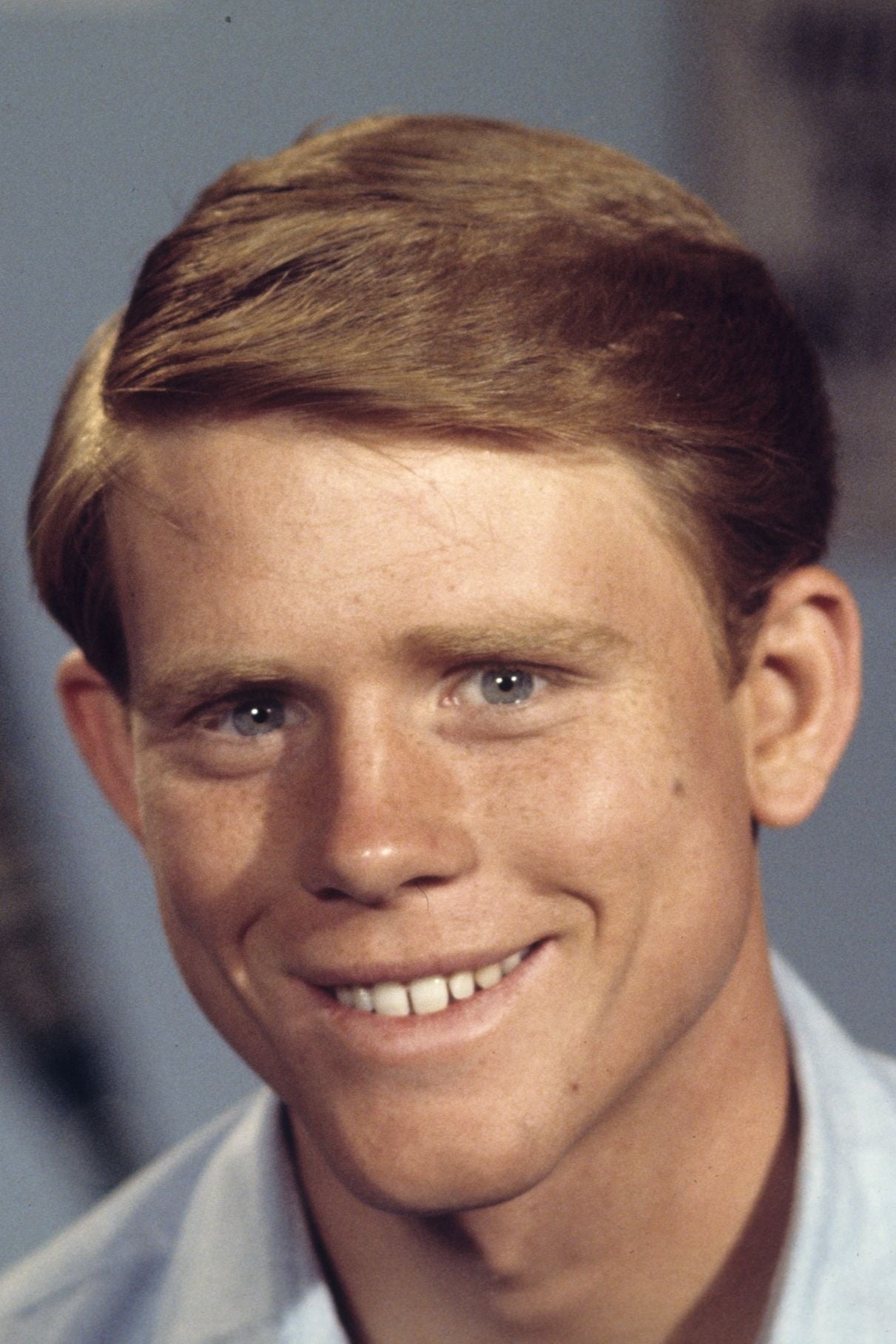
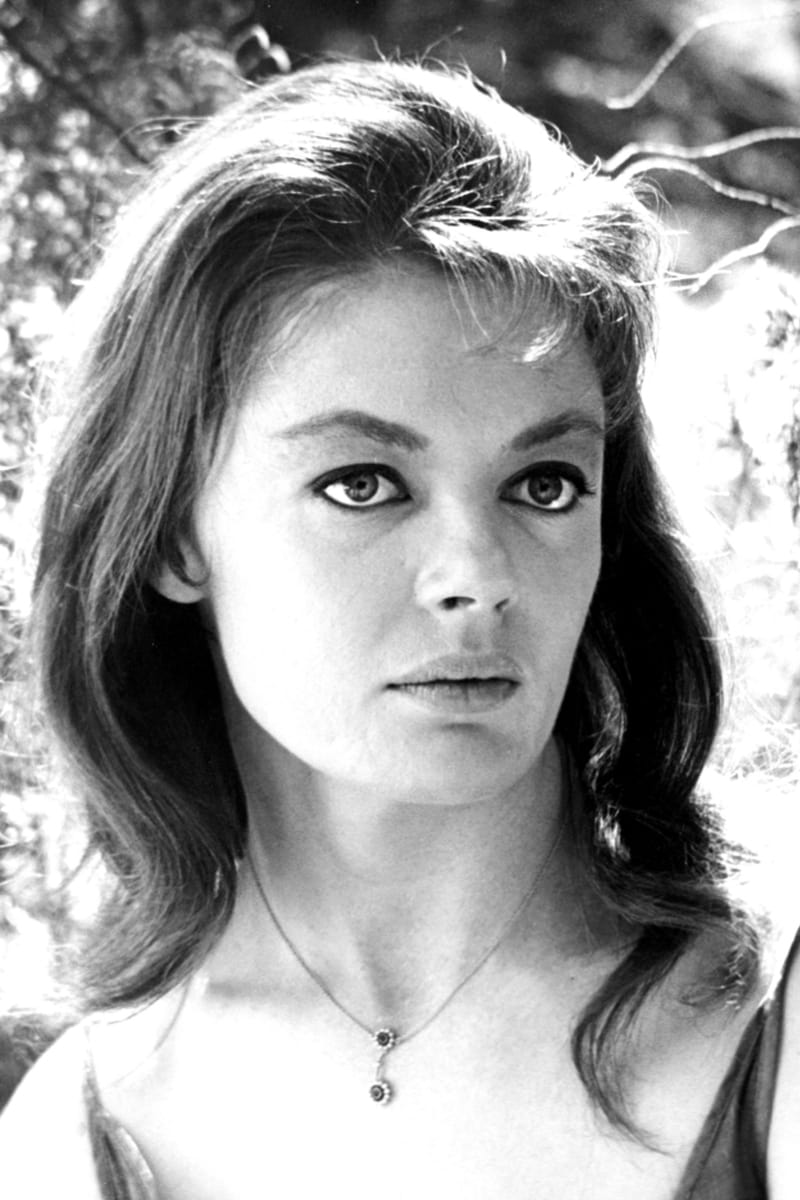
James Stewart agreed to play a cameo role in the film only because John Wayne had specifically requested him. His brief screen time proved to be rather difficult. The bad acoustics of the huge, hollow sound stages worsened his hearing difficulties, and he stayed by himself most of the time. He and Wayne muffed their lines so often in the main scene between them that director Don Siegel accused them of not trying hard enough. Wayne's reply was a variation on an old John Ford line, advising the director, "If you'd like the scene done better, you'd better get a couple of better actors." Later on, the star told friends that Stewart had known his lines, but hadn't been able to hear his cues, and that in turn had caused his own fumbling.
When J.B. Books (John Wayne) arrives at Dr. E.W. Hostetler's (James Stewart) office, Hostetler mentions that it has been 15 years since they last saw each other. The inside joke is that Wayne and Stewart last worked together on The Man Who Shot Liberty Valance (1962), 15 years before. The undertaker, John Carradine, also appeared with Wayne and Stewart in that film.
John Wayne fell ill with influenza during production and was hospitalized for two weeks, during which time production was shut down. It was uncertain at one point whether the film would actually be completed because Wayne was so ill his doctors were close to forbidding him to finish it.
James Stewart had not made a film for five years. He agreed to play the doctor as a favor to John Wayne.
Lauren Bacall, James Stewart, Richard Boone and John Carradine were all cast at John Wayne's request.
Continuity
Books' hair goes from being parted on his left to his right then back to his left after he tells Marshal Thibido he (Books) is going to die when they first meet while in Books' room.
Towards the end of the movie, before the final gunfight, Sweeney drives up and parks his automobile outside the Metropole. As he gets out of the auto, he raises the tiller. Moments later when Books arrives at the Metropole, the tiller on Sweeney's auto is in the lower position.
In the final shoot-out the mirror behind the bar is real at the beginning and up to the first shot when it shatters. Thereafter it is replaced by something which is obviously not mirror glass and which punctures rather than shatters.
After Books and Gillom practice shooting at a tree, they go for a walk. Gillom pulls out a whiskey bottle. In the cut just before Books takes the bottle from Gillom's hand, the bottle position changes from Gillom's left hand to his right hand. The level of the whiskey in the bottle changes as it is handed back and forth between Gillom and Books.
In the final shootout, Books fires his belly gun four times, before he drops it, and his holster gun three times. The two nearly simultaneous shots through Sweeney's table are so fast, they have to be one from each pistol. After Gillom takes the holster gun and fires it three times at the bartender, it should be empty. But as he prepares to throw the gun away, it is obvious there are still loaded rounds in at least two chambers.
Factual errors
Dr. Hostetler asserts that the strongest analgesic available at the time (January 1901) is laudanum, or tincture of opium. This is untrue. Both morphine, isolated in 1803 and commercially available from Merck from 1827 on, and heroin, isolated in 1874 and commercially available from Bayer from 1895 on, would give far better pain management. Those substances would be administered intravenously, however, and laudanum had the advantage of being administered orally.
When Books arrives in Carson City, the newspaper he buys says "Monday Morning January 22, 1901" at the top. 22 January 1901 was actually a Tuesday.
When Books is riding the trolley for the last time and talking with a young lady, a modern garage door is visible behind him when he mentions 'Fall Spring'. This type of garage door was not invented for another 25 years.
When Bond and Books first meet, Books tells Bond that his name is William Hickock, former marshal of Abilene. Bond tells Gillom what Books said, and Gillom tells her that Wild Bill Hickock died before he (Gillom) was born. Wild Bill Hickock's name was James Butler Hickock, not William Hickock. Hickok's legal birth name was James Butler, but he called himself William like an alias. That's why people called him Wild Bill. So for Gillom to call him William is not a mistake. Someone from that time might have never heard his real name.
Incorrectly regarded as goofs
In the movie, a trolley car is seen (and used) several times. In each scene the street name of the car changes, yet the car number itself is always '16'. The route signs on trolleys change, depending on where they are on the route. Being on a circuit, it would change its destination sign at least two points.
Revealing mistakes
When Books shoots Cobb in the final scene in the bar, Cobb's blood pack is clearly visible beneath his shirt.
When Gilliam picks up Books gun after the bartender shot him, there is red on the end of the barrel, apparently Books blood. When Gilliam shots the bartender, the red is still visible on the end of the barrel, but when he throws the gun away, there is no red on the end of the barrel.
Miscellaneous
During the attempted robbery of Books he shoots a shotgun laying on the ground. The shotgun flies in the opposite direction of what it should when being shot at from where Books was.
Anachronisms
In the opening scene labeled as being set in 1871, a pair of Colt Peacemaker revolvers with 4-3/4 inch barrels is shown. This model was developed for the US Army in 1873. Civilian sales started in 1875, and the 4-3/4 barrel length wasn't available until 1877.
At about 0:53:00, as Books is leaving the boarding house and walking to the woodshed, a jet contrail is clearly visible in the sky.
Audio/visual unsynchronized
The first line spoken by the robber in the very beginning of the movie does not sync up with his mouth.
Crew or equipment visible
In the final shooting when the bartender shoots Mr. Books, the squib detonation wires are visible on the ground and leading up each man's leg.
When Sweeney drives up and stops his automobile outside the Metropole, there is a visible "stop" device for the car placed on the ground at the left front wheel.
When Sweeney is coming at Books with the table in front of him, the squib detonation wires are visible on the floor. The same wires are seen when Books falls to the floor after being shot by the bartender, and when Gillom shoots the bartender the second time.
Plot holes
The newspaper is dated 22nd January 1901 and says Queen Victoria is dead. She died at 6:30pm that day making it impossible for the town to have received and printed the news the same day. That said, London is eight hours (or more, Standard Time not having been implemented yet) ahead of Carson City, so it would depend on what time the paper was finalized for printing.
Character error
At the end of their bargaining for J.B.'s horse, Moses accidentally calls him "Brooks" instead of "Books".