
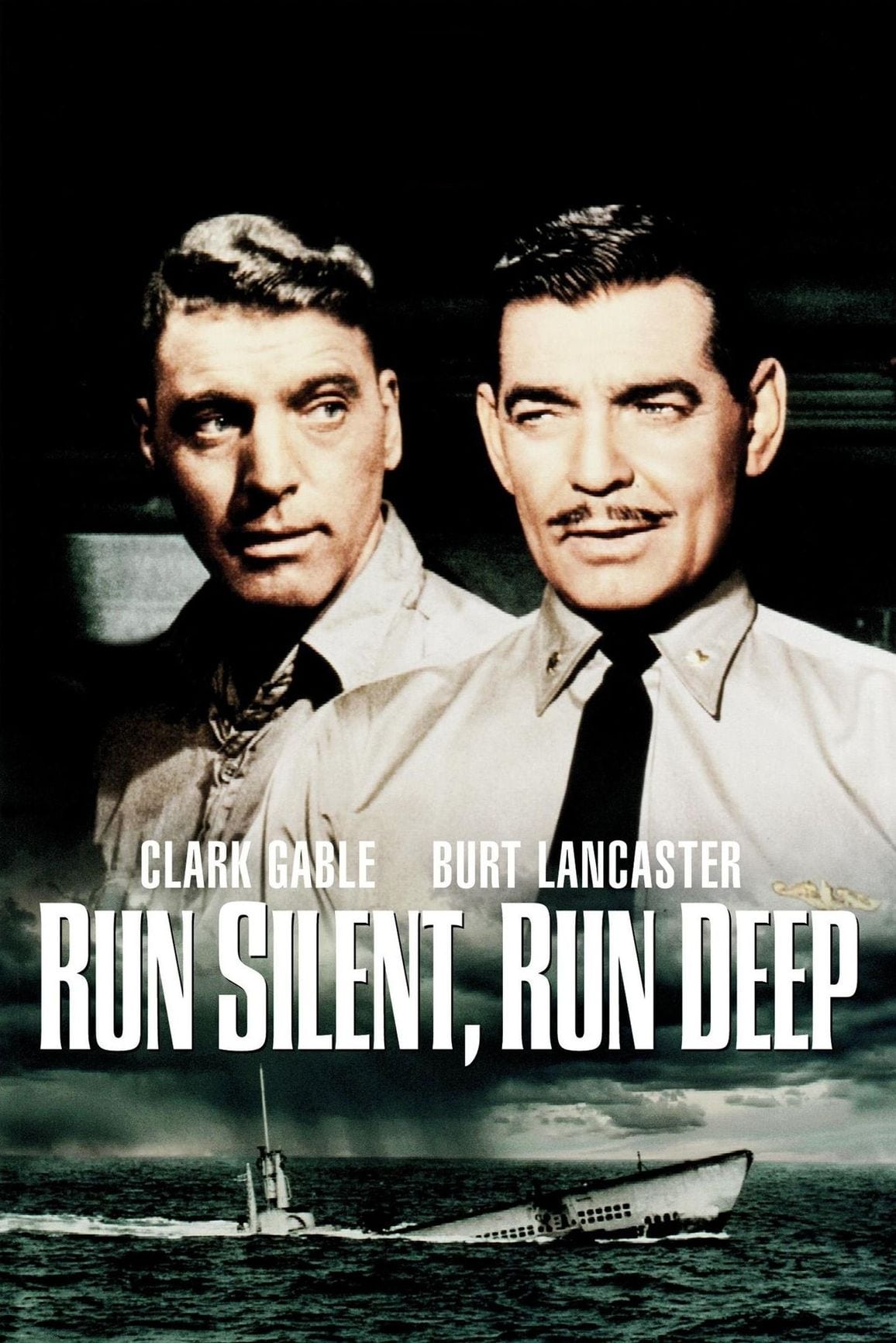
Run Silent Run Deep (1958)

The captain of a submarine sunk by the Japanese during WWII is finally given a chance to skipper another sub after a year of working a desk job. His singleminded determination for revenge against the destroyer that sunk his previous vessel puts his new crew in unneccessary danger.
In all the seven seas never two like these!
Commander Richardson: The best exec I could possibly get in the whole Navy. "The backstop" I think you said, and the first command you give as a captain is to order a retreat!
Salton Sea, California, USA
(battle scenes using miniatures and models)
San Diego, California, USA
(U.S. Navy base there used for Pearl Harbor's naval base)
Imperial County, California, USA
Samuel Goldwyn Studios - 7200 Santa Monica Boulevard, West Hollywood, California, USA
(Studio)




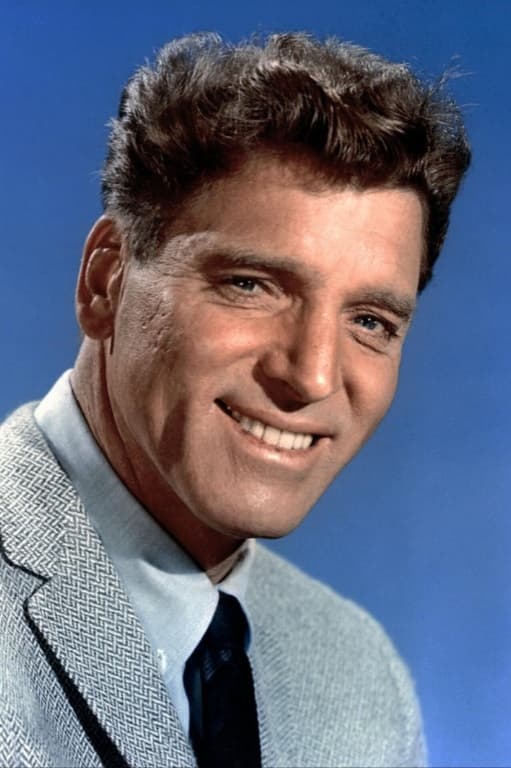
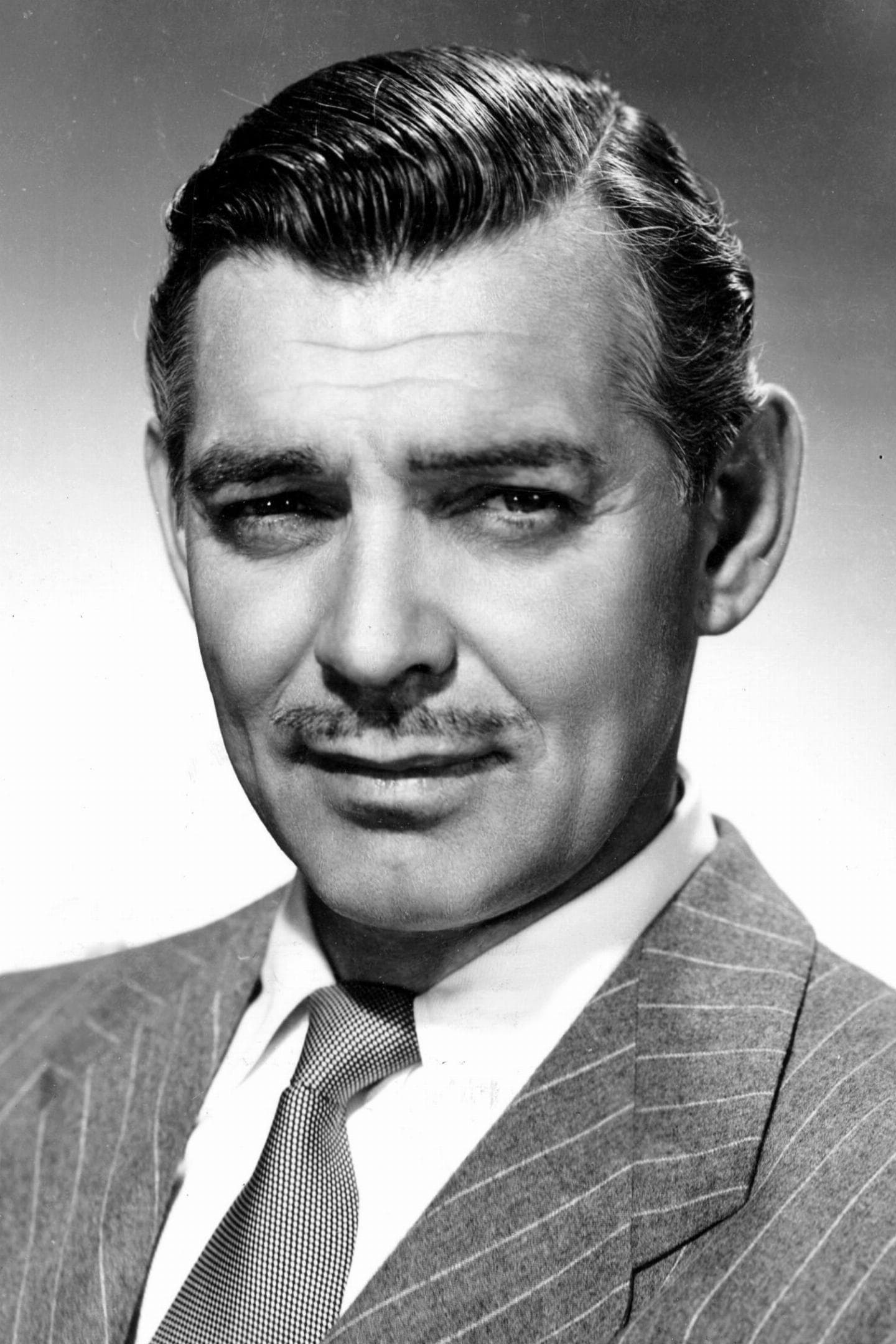

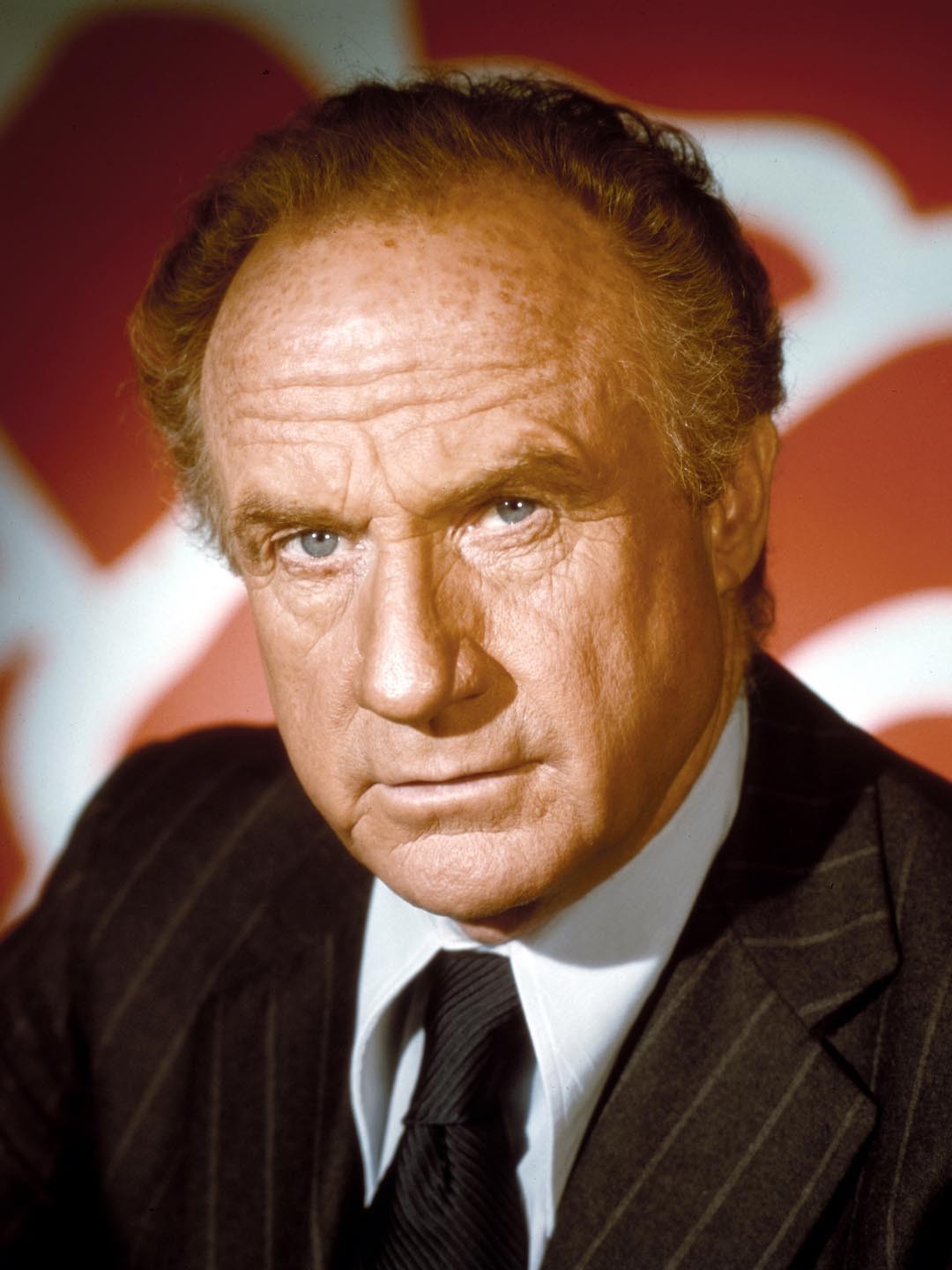
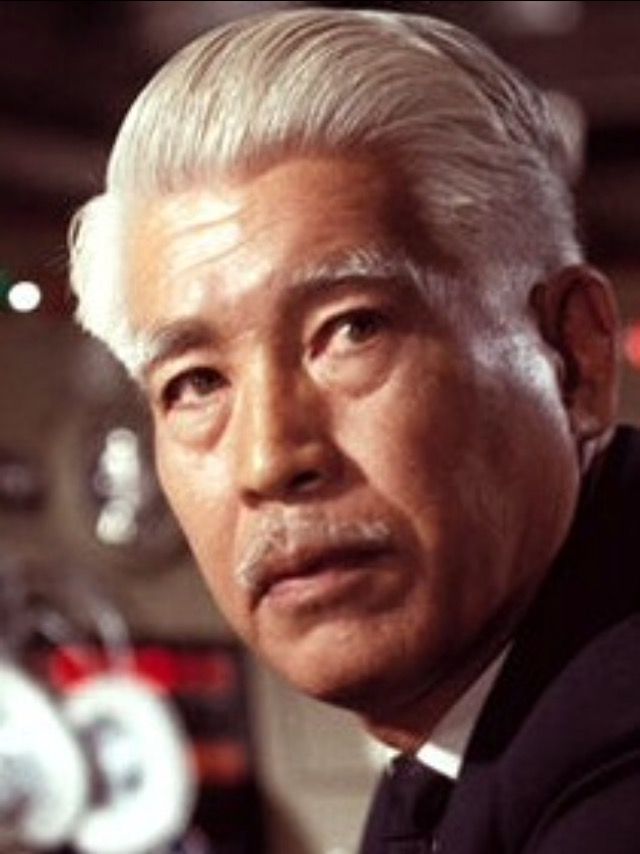
The real submarine captain that Clark Gable's character was based on, Captain Edward L. Beach, was only 23 years old at the time of the events depicted. Edward L. Beach Jr. wrote the book "Run Silent, Run Deep" (1955) as a work of fiction. While without doubt similarities exist between Commander Richardson (Gable) and Beach as submarine captains, the same can be said of Richardson and all USN submarine captains of that era. But to say that the Richardson character is "based" on Beach is a stretch, especially when one considers that the movie is only very loosely based on the book. BTW, Beach also penned a great non-fiction book - an excellent read - "Salt and Steel" (1999), his reflections on being a submariner.
Clark Gable was ill during filming, and his head violently shakes in several scenes. It is believed his shaking was caused by his chronic alcoholism and smoking four packs of cigarettes a day, although there were rumors he had Parkinson's disease.
Director Robert Wise observed that while Clark Gable was a highly professional actor, he didn't want to work past 5:00 p.m. because "at this stage in his life, he was tired and wrung out by five."
Although at the time of its release the movie was hailed as a fairly realistic portrayal of a submarine life and warfare in World War II, some controversy also existed since both Clark Gable and Burt Lancaster were much older than real US Navy captains and lieutenants in wartime. During filming, Clark Gable was 56 years old, and Burt Lancaster was 44. According to some sources, the average age of War II sub commanders was their early 30s.
Frank Gorshin was originally due to test for the role of Petty Officer Ruby but refused to fly to the testing. Instead, he drove and was involved in an accident, leaving him with a fractured skull. He spent four days in a hospital and awoke to find that the role had been given to Don Rickles.
Continuity
In the early part of the film where Lancaster meets Gable, who is pruning a tree, in the background you see the same half dozen cars driving back and forth constantly. Amongst the vehicles appears to be a '49 Buick convertible.
In the first attack in the opening scenes the range to the target is given verbally as 1,500 yards. The range to target on the TDC (Torpedo Data Computer, an electromechanical analog computer) is shown a few seconds later as 4,400 yards.
Torpedo tubes on submarines are numbered odd on the port side and even on the starboard side. When they fire #1, it comes out the starboard side from # 2 tube. In fact, all the shots come out of the same tube.
At approximately 1 hour and 17 minutes, the submarine breaches the surface at a steep angle. The periscope is fully 90 degrees to the surface of the water. The submarine begins to level off and the periscope does not change angle.
In the protracted scene between Capt. Richardson and Mueller where Mueller is on report, Richardson pulls out a pack of cigarettes and lights one. The next several close-up shots of him do not show him with a cigarette, he is playing with a model of a ship, or smoke from a lit cigarette. Near the end of the scene we see smoke from the cigarette rising.
Factual errors
A depth charge is seen rolling off the sub's deck and exploding directly under the keel. And later, three depth charges explode one after the other, all around the stern of the boat. A depth charge exploding that close under the middle of the keel would have broken the sub's back and sent it to the bottom, let alone three close in nearly simultaneous detonations. These images were meant to build tension, but are totally unrealistic.
A submarine operating in hostile territory never 'pings', or uses its active sonar. The pings can be picked up by enemy submarines and surface ships and homed in on, similar to calling out or making other noise on land.
After sinking the Akikazi, the American sub dove to 120 feet. In the next shot, the depth gauge on the Japanese submarine also shows 120. This is incorrect because Japan uses the metric system.
When the USS Nerka encountered the Japanese sub early in their patrol they remained on the surface watching it as they continued on course. This was counter to the accepted procedure when encountering an unexpected submarine. Typical response was to immediately go to general quarters, dive, and call for a change in direction once submerged. And prior to detecting the Japanese sub the Nerka would have been "Zig-Zagging" (altering their course starboard & port) to avoid a submarine attack.
During the sequence where the submarine comes under Japanese air attack the one shot we have that shows the Japanese planes up-close is clearly stock footage of the American SDB Dauntless dive bomber, to the point that the American insignia have been obviously airbrushed out.
Incorrectly regarded as goofs
There's a black man on the sub, though in WWII the armed forces weren't yet fully integrated; however, black men did serve as mess cooks and stewards on submarines.
Revealing mistakes
In several underwater scenes, the bottom of the tank the film is being shot in can be seen - it has a very flat, level bottom, and light can be seen reflected on it.
In one underwater shot you can see the side of the water tank.
At various times they shoot torpedoes, all from the forward tubes, saying, "fire one," "fire two," "fire three," "fire four," "fire five" or "fire six," but from the underwater camera shots, the submarine clearly has only four forward tubes, not six.
Near the end of the film, when they finally realize that there is a Japanese submarine nearby shooting torpedoes at them, the first time we see inside the Japanese sub, a close-up of its periscope shows that it has an air outlet plug marked "air-out." (There are drying inlet and outlet plugs on periscopes that are used during maintenance to force dry nitrogen through the mechanism to dry out the interior of the periscope.) It's a Japanese sub, so the words would not be in English.
The depth gauge on the Japanese sub is identical to the one on the USS Nerka, only Japanese characters have been added.
Miscellaneous
During the time Cmdr. Richardson is bedridden, when the sub fires torpedoes no movement of the boat is seen, even though all the previous times a torpedo was fired, the whole boat moved. Cmdr. Richardson's stateroom should have been seen to shudder when the torpedoes were fired.
In some attack scenes, the view from Clark Gable's binoculars shows masses of land beyond the target ships, although they're supposed to be in the middle of the ocean.
Anachronisms
When torpedoes hit a ship and explode, the target ship doesn't explode unless it's carrying ammunition and that ammunition is directly hit. In most cases, all that's seen is a geyser where the hit occurs. The target ship may or may not slow down, stop, or begin to 'list', or tip over, towards the side where the hit or hits occurred.
In the opening scene the U.S. sub is detected by a Japanese Destroyer. The order is given to dive. Then an explosion, and the captain and some crew are seen among the wreckage. Japanese depth charges could only do such catastrophic damage if detonated within 15 or so feet from a subs hull. Also Japanese depth charges before 1943 only had two depth settings, 100, and 200 feet. So any such destruction of a sub at 100 feet would mean none of the crew would survive.
At Pearl Harbor in Clark Gable's office is a keyed Continental 500 desk set telephone. Those were not in use yet. The earlier Continental 300 is correct for 1943.
The action of the film takes place in 1943, but the song "It's Been a Long, Long Time" featured in one of the scenes was written and copyrighted by Jule Styne and Sammy Cahn in 1945.
When Gable and Warden are playing sink "Bungo Pete" in Gable's office, a model battleship is on Gable's desk. This was obviously a Revell kit, likely a model of the USS Missouri, that dates from the mid 50's.
Audio/visual unsynchronized
At the 16:45 mark when the submarine is in the process of taking a dive, Clark Gable's character closes the hatch and as he faces his crew, he asks "what's the depth?" His mouth doesn't match the line.