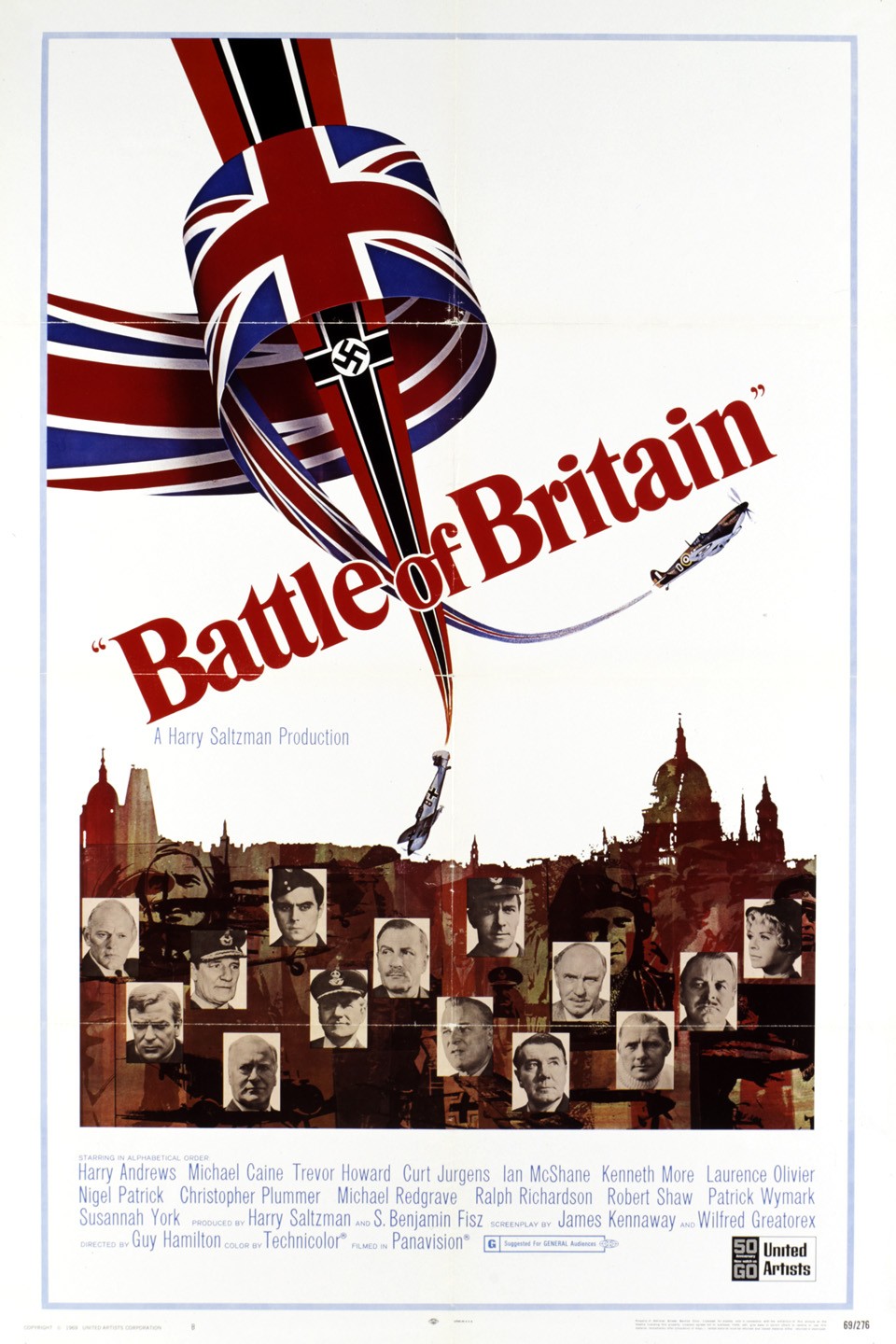
Battle Of Britain (1969)

Historical reenactment of the air war in the early days of World War II for control of the skies over Britain as the new Luftwaffe and the Royal Air Force determine whether or not an invasion can take place.
Winston Churchill: Never in the field of human conflict was so much owed by so many to so few.
The Jackdaw Pub, Denton, Barham, Kent, England, UK
(Nr Hawkinge)
RAF Hawkinge, Hawkinge, Kent, England, UK
RAF Duxford, Duxford, Cambridgeshire, England, UK
North Weald Aerodrome, North Weald, Essex, England, UK
El Corporo air base, Sevilla, Andaluc?a, Spain



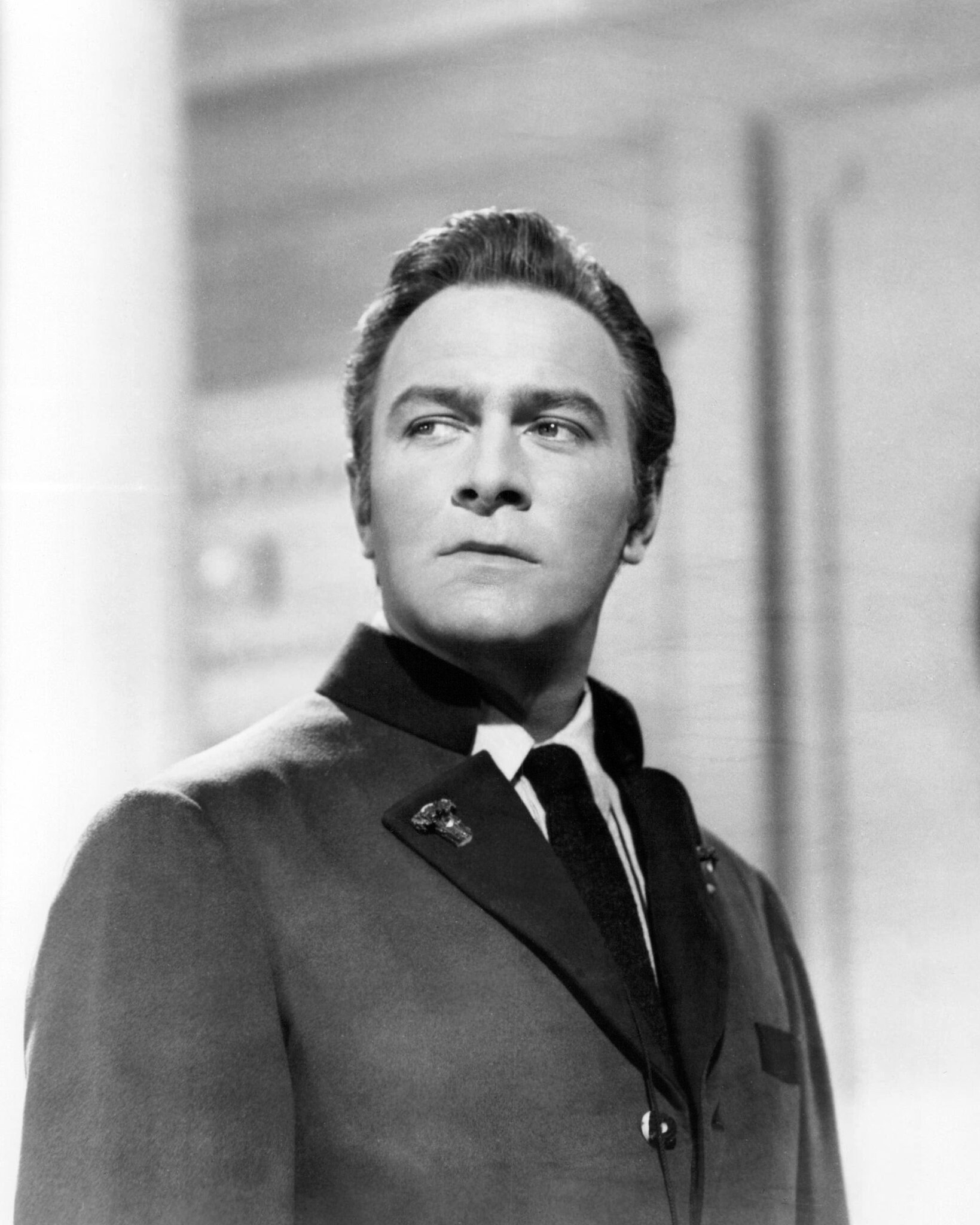
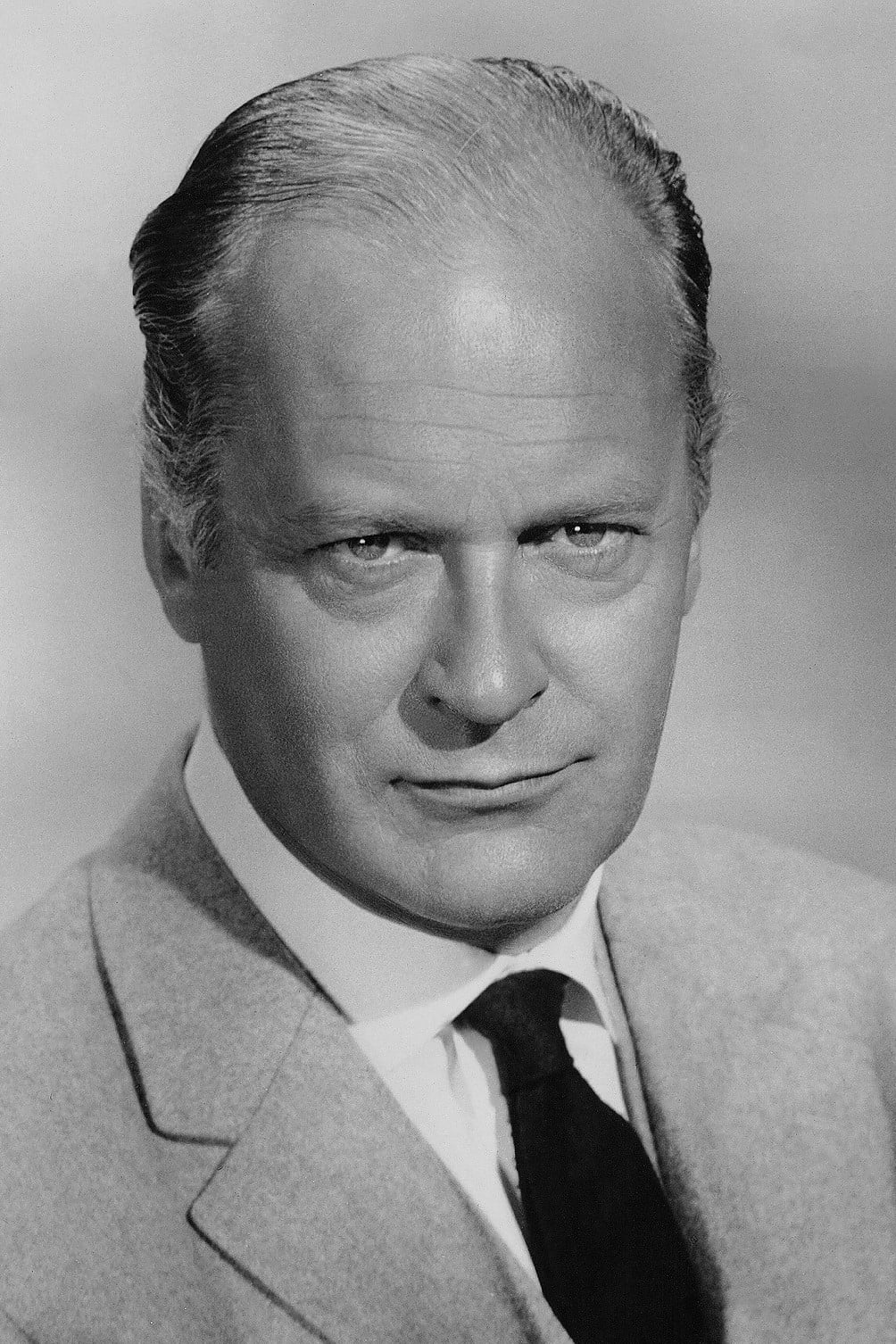
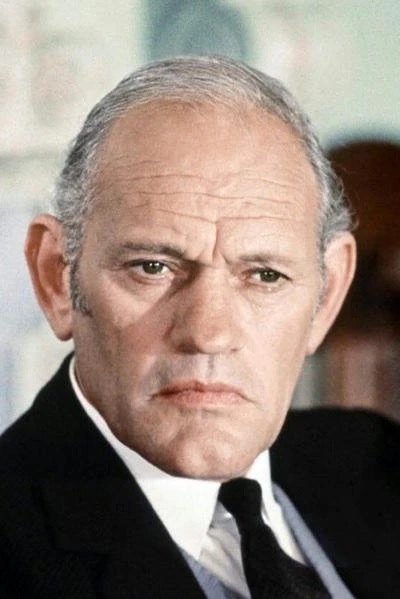
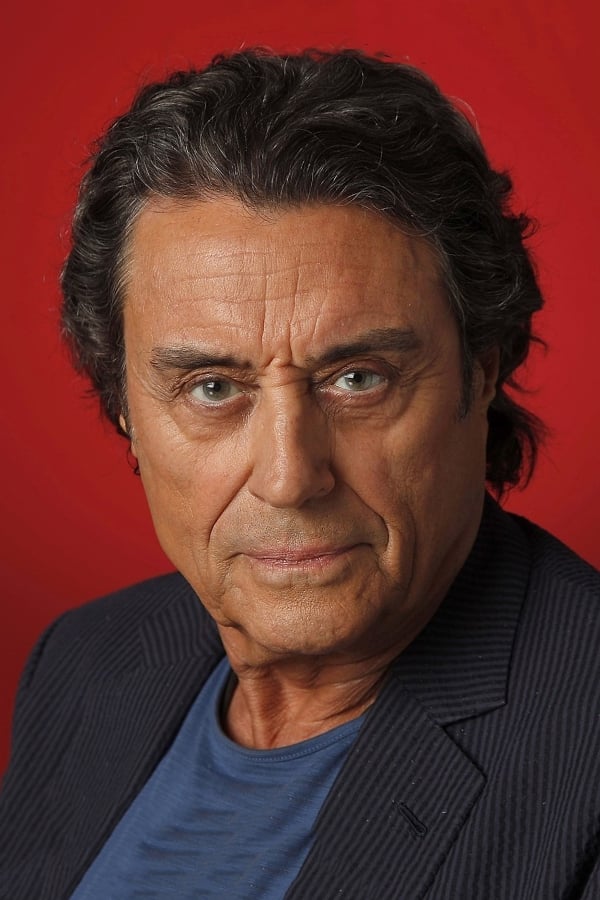
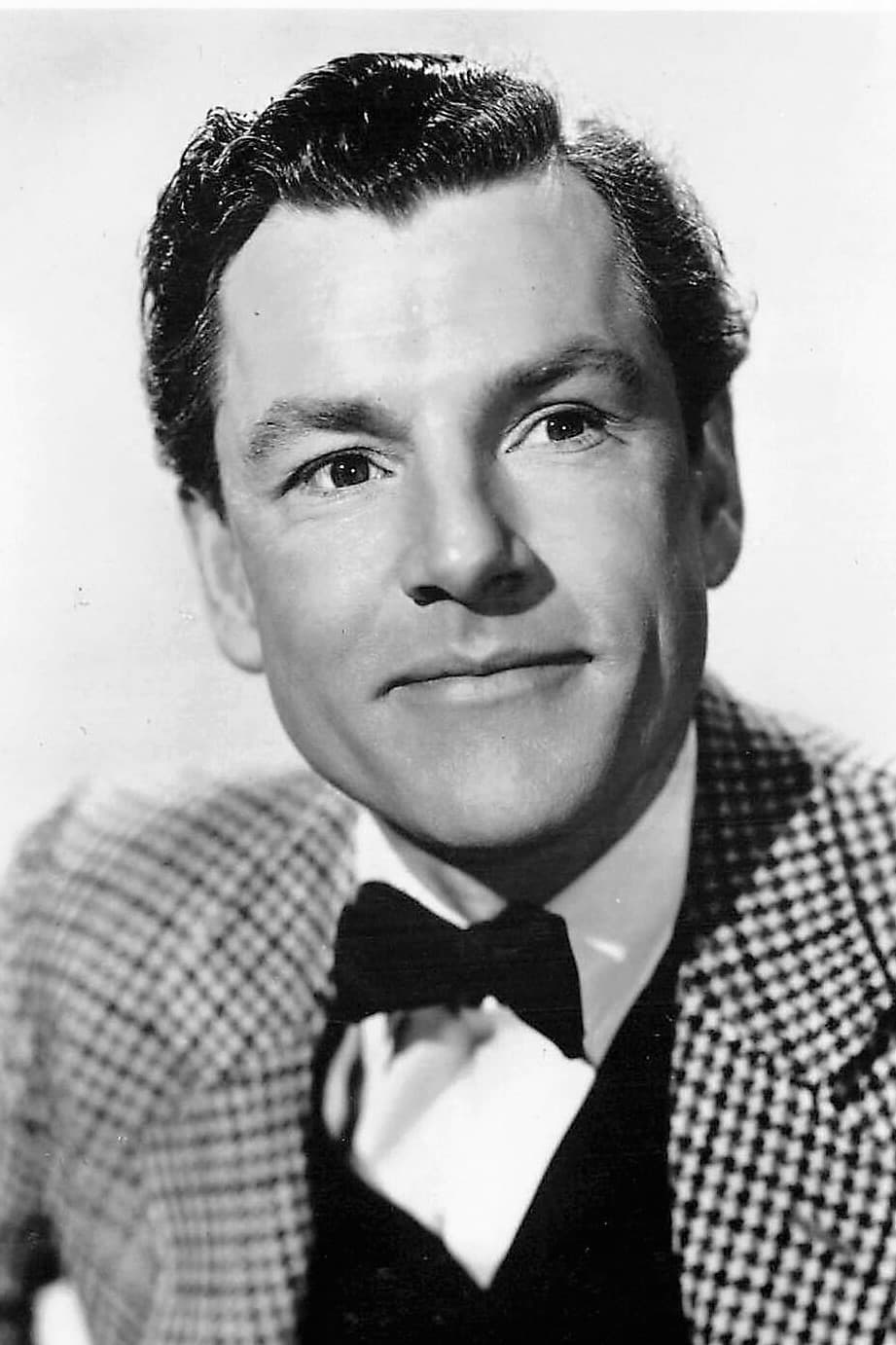
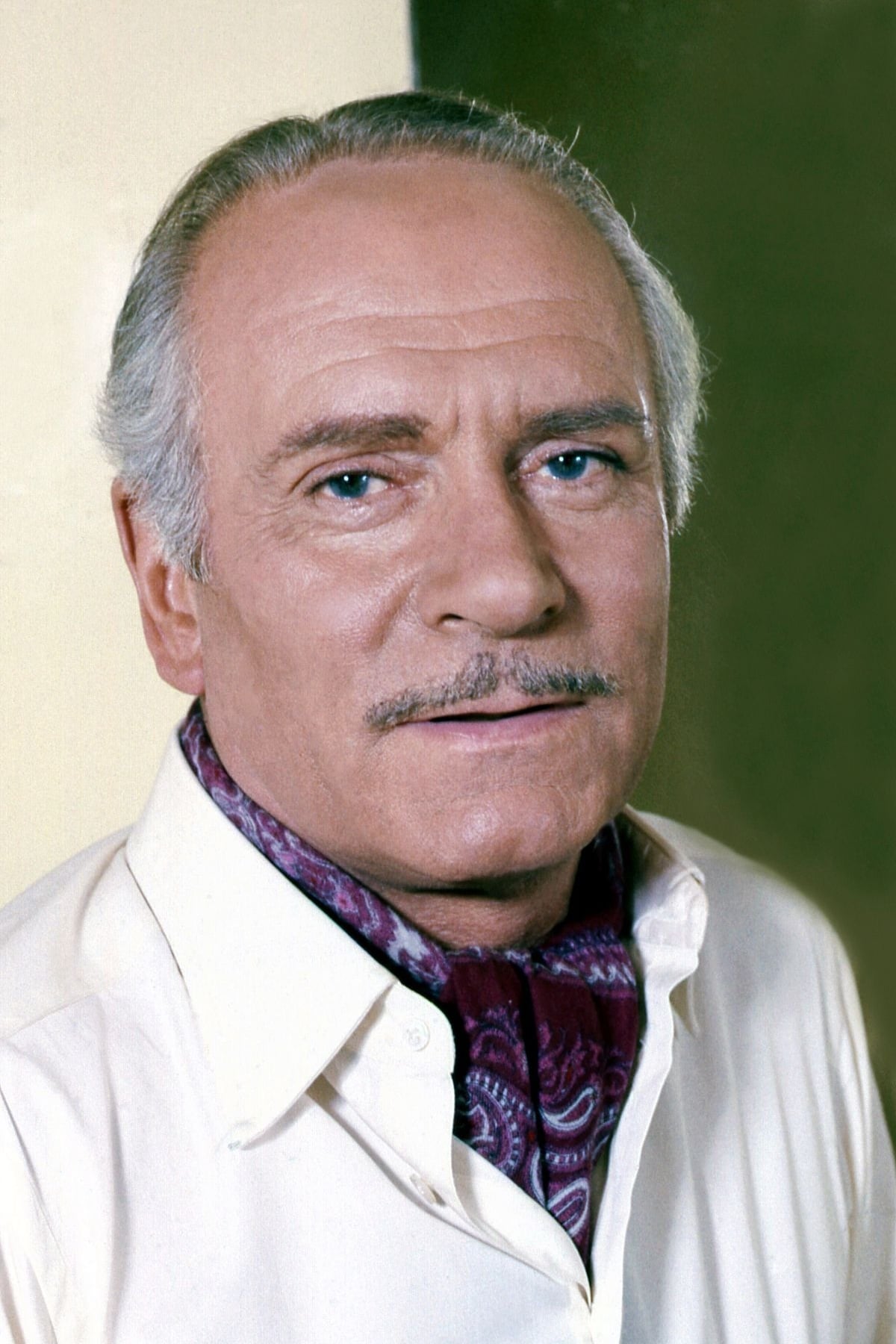
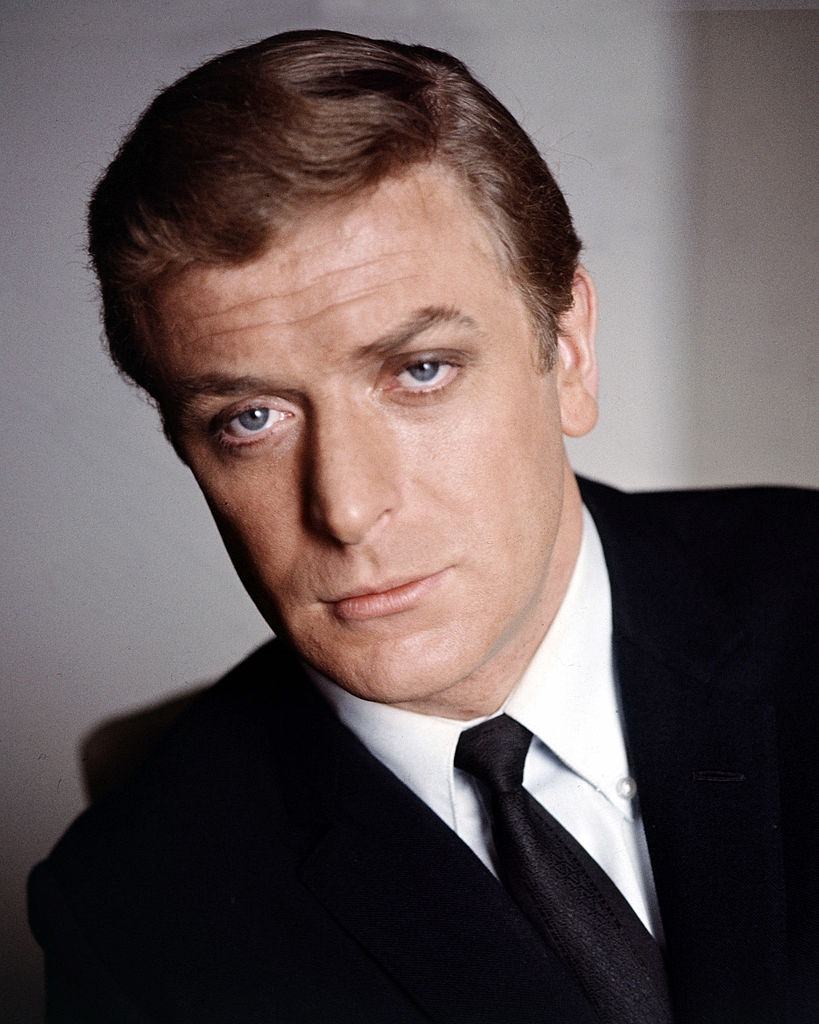
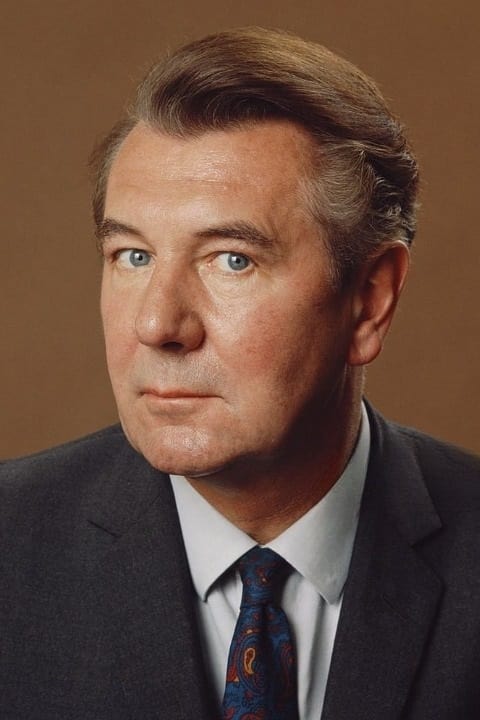
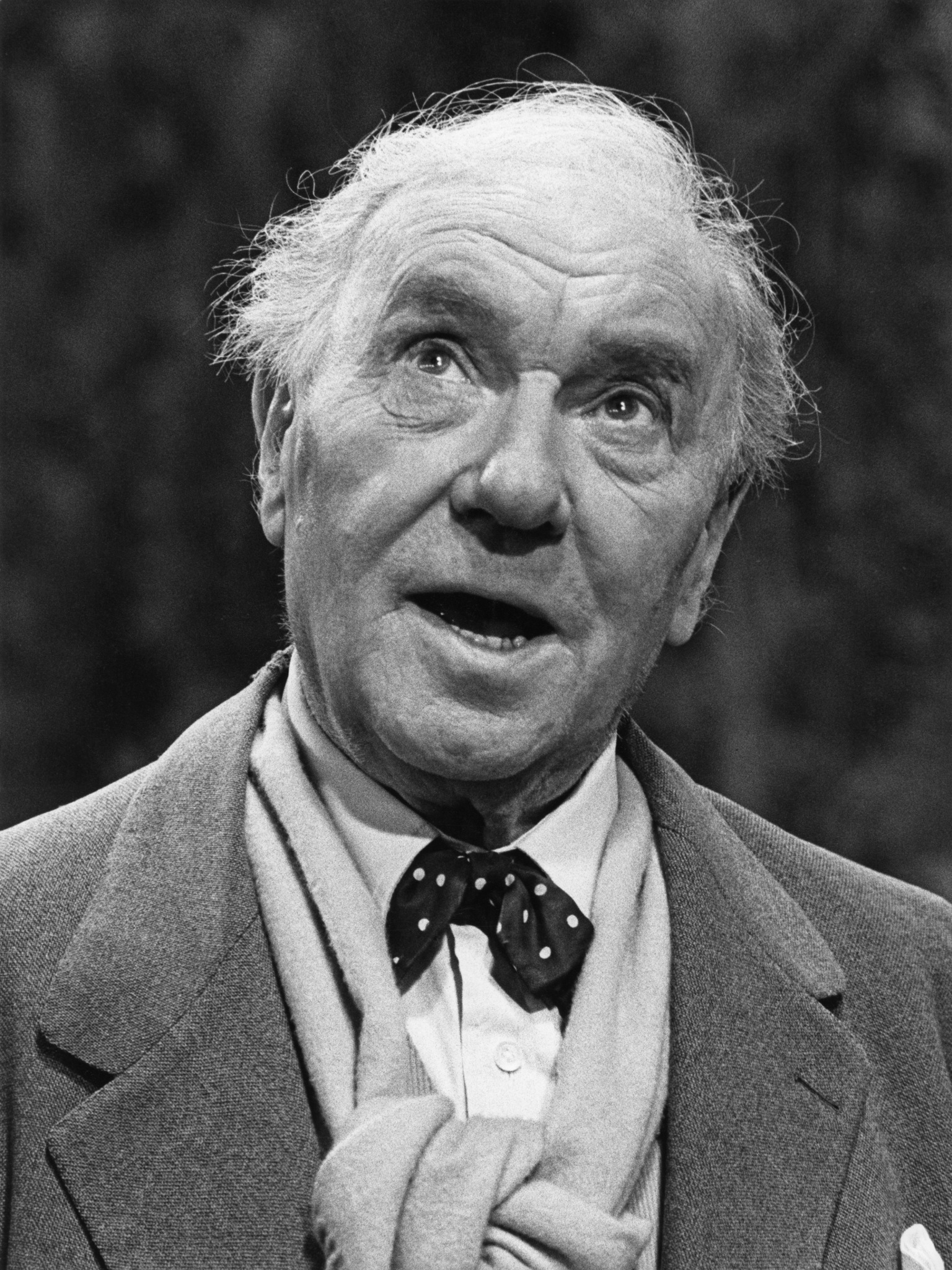
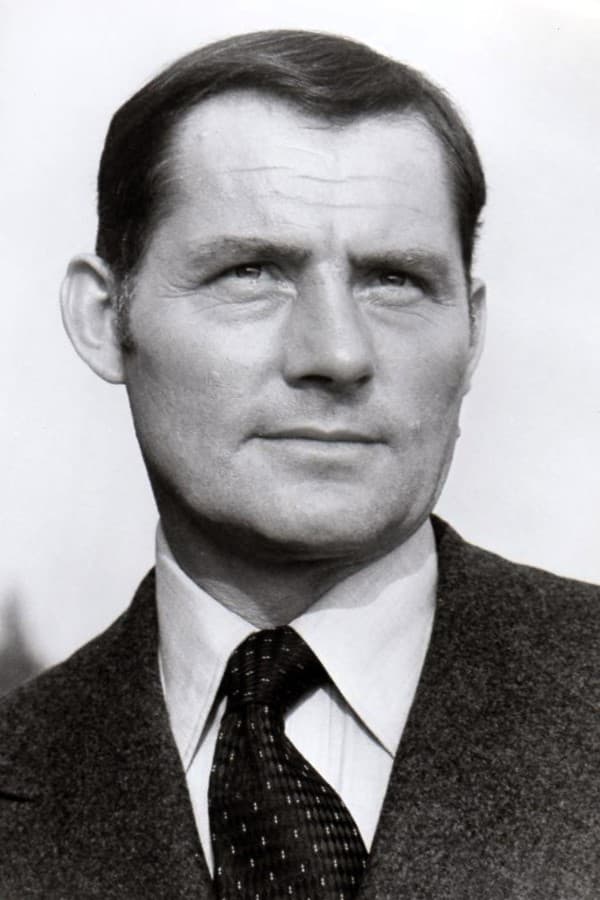

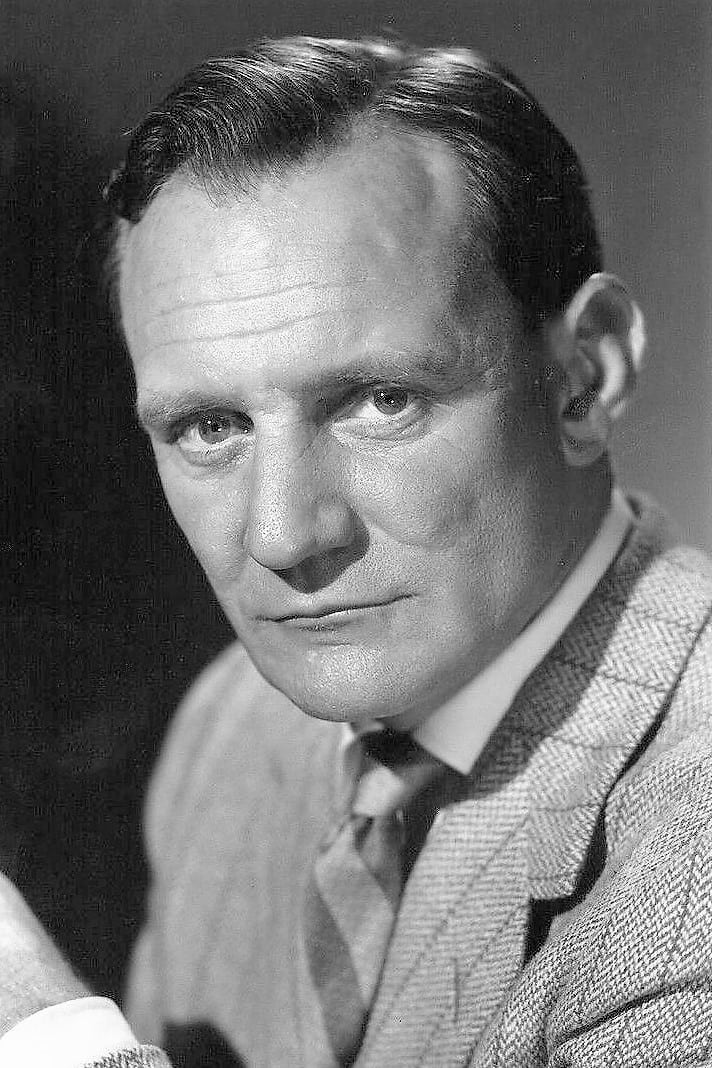
Sir Michael Caine initially thought he was too young to play a squadron leader. However, veterans of the battle told him he was actually too old for the part.
Many of the actors were too old to play pilots. In reality, the average age of a pilot during the Battle of Britain was only twenty.
Sir Michael Caine tells in his biography that there were severe arguments with the German former Luftwaffe pilot Adolf Galland, who served as a Technical Advisor for this movie. Galland maintained that Luftwaffe did not really lose the Battle of Britain. He further argued the battle was irrelevant as Adolf Hitler never intended to invade the UK. Galland shared Field Marshal Gerd von Rundstedt's view that Operation Sea Lion was a deliberate bluff to put pressure on the UK to accept Hitler's peace offers while the Axis prepared for Operation Barbarossa.
The large number of aircraft collected for this movie made it the thirty-fifth largest air force in the world.
Adolf Galland, the Luftwaffe pilot who fought during Battle of Britain, who later became the youngest German General at the age of twenty-nine, was hired as a Technical Advisor.
Continuity
On "Eagle Day" the Germans begin their bombing raids and Air Vice Marshal Park orders the squadrons to scramble. The clock in the command center doesn't change, even though Park admits that several of the squadrons took "six or seven minutes," to scramble.
Harry Andrews' character is seen seated at his desk, wearing glasses, reading Dowding's letter to Churchill. As Dowding enters the room Andrews turns to speak to him and his glasses are now absent. The timing of the scene precludes him removing them as part of the action.
When the first Spitfire lands at the beginning of the film it has a round rear-view mirror at the top of the canopy. It switches to a rectangular model when the pilot is seen climbing out.
During the dogfight sequence when Canfield is shot down by German fighters, the shot of his aircraft exploding in mid air as it is heading for the ground is not a Spitfire, but Canfield flies a Spitfire during the film and during this all important scene. He is seen taking off in one immediately prior to this sequence.
When Hitler is giving his speech, camera angles from the back of the room show rows of men in the audience all the way up to the podium. Camera angles from behind Hitler show the first several rows filled with women auxiliary (wearing white shirts).
Factual errors
The first German-language scenes show the Luftwaffe's inspector-general (Field Marshal Milch) making an inspection of several bases in occupied France. Despite his rank as a field marshal (as evidenced by the marshal's baton he carries), he is only addressed as "general," and the rank insignia on his shoulder boards appear to show the three pips appropriate to a full general (Generaloberst), rather than the crossed batons that would be correct for his actual rank.
The Stukas level off before dropping their bombs. In reality, the bombs were dropped while the aircraft was still diving to ensure they hit the target they were pointed at. The aircraft leveled out only after the bombs were released.
When Goering is being addressed, the English subtitles translate "Reichsmarschall" (Marshal of the Reich) as Vice Marshal.
The bombsight on the German 'Heinkel' is misrepresented. The open sights with the wire crosshairs shown were indeed used for rough aiming to steer the aircraft towards the target. But once over the target the bombardier switches to a regular monocular optical bombsight located in a compartment underneath the open sights. In the movie the bombardier dropped his bombs using the open sight.
Section Officer Maggie Harvey's underclothing does not match those provided to WAAFs in the 1940s. Furthermore, her hairstyle, is not the 1940s WAAF prescribed hairstyle.
Incorrectly regarded as goofs
At the end of the movie a list showing all of the non-UK pilots flying for the RAF is shown. At the end of the list they mention one Israeli pilot flying for the RAF. Israel was not created until 1948, and in fact the pilot in question was from British Mandated Palestine. Due to the confusion with the more modern usage of Palestinian, George Goodman is credited as a pilot from Israel, although the modern state of Israel was not created until 1948. Haifa, at the time of his birth, was part of the former Ottoman Empire administered by the British military.
In the opening scenes, all the British Hurricane fighters are shown with individual letters, but none show squadron designations. This was not uncommon during the Battle of France.
Revealing mistakes
(at around 30 mins) A Polish flight of Hurricanes is flying in formation with Messerschmitt 109s (the 109s at the rear). The 109s can be easily distinguished from the Hurricanes by their tailplane struts.
During scenes shot in the British cockpits it becomes obvious that many of the British aircraft have been painted on the inside of the cockpit canopies. All the real aircraft are seen to gently rise and drop through out the scene, but the aircraft painted on the canopies stay put in their positions. Sometimes a distant aircraft will partially overlay the closer real aircraft.
A Spitfire gets bombed during a take off run and crashes into a truck which explodes. The stuntman who runs away from the truck can clearly be seen waiting for his cue to start running. Audible aircraft tire squealing is heard on a grass field. The truck also explodes just before the Spitfire actually hits it.
In the scene of Heinkels taking off, you can clearly see the painted Spanish Air Force roundel on the upper surface of the wing, under the "German" paint scheme.
At the beginning of the film, an Me109 strafes a Hurricane. The 109 is over the Hurricane before the bullets strike the ground and airplane.
Miscellaneous
When Hitler is giving the speech about the bombing of London in retaliation of that of Berlin, he is incorrectly translated. He talks about 'kilograms' of bombs being dropped, the translation gives only 'number of bombs' and not the correct number at that.
When the Germans are strafing the airfield one plane flies towards the camera with the sound of guns firing. A moment later another plane crosses from the right, with guns firing and the charges simulating bullet strikes erupt beneath it as it flies by. Immediately afterwards, the charges that were supposed to be synched with the first plane go off in the direction of the camera.
In the scene where Kenneth More is talking to Susannah York and the Germans start to bomb the airfield; the blast from the first bomb landing in the distance is heard at the same time as the blast occurs. Both actors react to the true sound seconds later, making them look rather slow on the uptake.
One of the Heinkel III bombers taking off to attack England on Eagle Day has a Spanish Air Force Roundel just visible under the paint (port side wing by the German Black Cross). The Spanish Air Force supplied the "Luftwaffe" planes for the film.
The Spitfires have the Squadron code of "AI" -- there was no "AI" squadron in the BOB. "AF" and "AK" were Hurricane squadrons, and "AZ" was a Spitfire squadron. There weren't any other "A" coded squadrons. Also, Michael Caine's squadron letters are "CD" - there weren't any "C" coded squadrons either.
Anachronisms
When ACM Dowding and the Air Minister are discussing relative aircraft numbers, the minister states, "We have radar". The term radar was not used in Britain in 1940. The term RDF was used. The term radar was invented by the US Navy in 1940 and held as secret until later in the war.
As Andy and Skipper exit the white cottage, we see a modern-style plastic doorbell button, an up-and-over garage door and a 1960s exterior lamp.
In one airfield bombing scene, a Land Rover is seen driving on the airfield. The first Land Rovers did not go into production until 1948.
Many of the female extras have 1960s hair styles.
Set in 1940, the German army's convoy in Nazi-occupied France contains at least three Mack B-Series trucks, which were only built from 1952 to 1966. The Germans are also shown riding in US half-tracks.
Audio/visual unsynchronized
As the Heinkels are flying up the Thames for the first daylight raid on London, the lead bombardier clearly says "Five seconds" in English, although the audio track has him saying "F?nf Sekunden" in German.
A vehicle is seen skidding in grass into a fuel truck making the fuel truck explode in a ball of fire, however the skidding sound effect used is of wheels on concrete or bitumen, not grass.
Crew or equipment visible
In the prologue set in France, when the first Hurricane taxis to a halt and the pilot gets out, the head of someone else in the plane is visible. It was probably the "driver" of the plane - several models constructed for the film which were capable of taxiing only.
During the Stuka raid on the radar stations, the guidance wires are clearly visible as one Stuka crashes into the ground.
During the Stuka attack on the British radar station one Stuka sustains a hit and crashes into the radar control hut. The wires suspending the model Stuka are clearly visible.
Errors in geography
At 26m 18s, a burning Heinkel is descending over Admiralty Arch in a north-easterly direction, precisely away from Buckingham Palace, which is about a half a mile to the south-east. A couple of seconds later, it continues its descent straight over Buckingham Palace.
At about 33mins in there is a German pilot briefing using a map of Southern England. The officer points out the targets, Dover, Manston.... Hawkinge. When he points to Hawkinge, he is really pointing at Hastings, which is about 40miles to the West.
At 1:24:20 a train is arriving at Pas-de-Calais. This is shown as a mountainous area, whereas in reality the area is relatively flat.
(at about 33 minutes) The briefing to German airmen also incorrectly mentions Manston (Thames estuary) when the officer actually is pointing at the map roughly near Worthing - about 150km away on the south coast.
When Goering visits the Pas-de-Calais, he looks across the English Channel at the White Cliffs of Dover through large binoculars. In the background, the sedimentary rocks are shown as dipping at about 45 degrees to the left. The dip of the rocks in the Pas-de-Calais area are very shallow and nowhere are the dips this steep. Presumably, these sequences were filmed in Spain.
Plot holes
Archie parachutes and lands in a greenhouse full of primulas in full flower. Primulas are a spring flower (early spring if in a greenhouse) and the action at that point takes place in September.Sgt Pilot Andy never pays the taxi driver who brings him to the London docklands. As the driver only explains that the route is blacked after he has stepped out, he could not have paid the correct fare inside the cab.