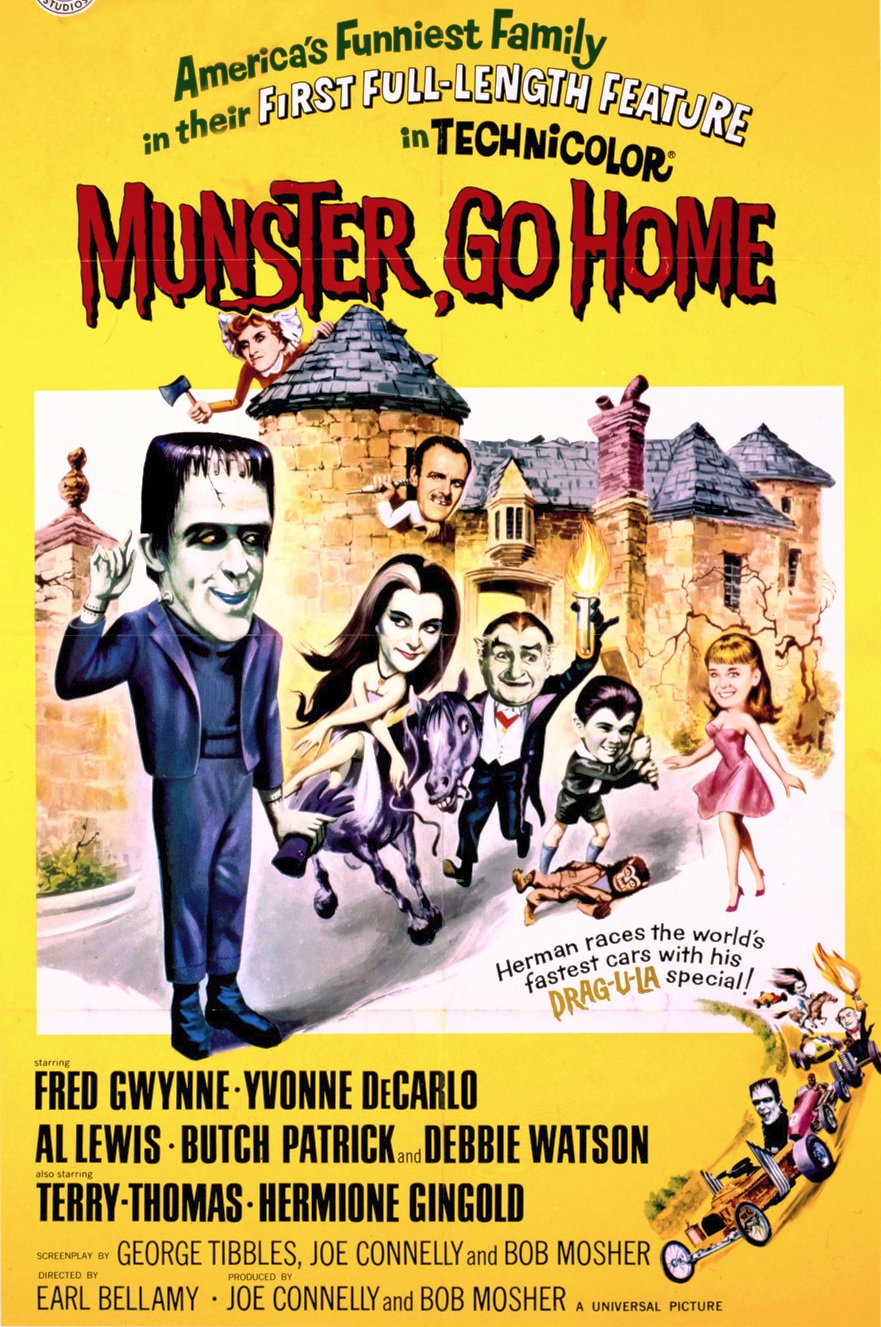
Munster, Go Home! (1966)

When Herman Munster inherits a real state in England with the title of Lord, his family and he travels to England by ship. Along the journey, Marilyn Munster falls for Roger Moresby, who is a racer and fan of racing cars. When Herman and his family arrive at Munster Hall, in Shroudshire, they learn that the locals hate them. Soon Herman and Grandpa learn that their English branch of the Munster family are involved with counterfeit, under the command of the notorious The Gryphon. But Herman needs to participate in the car race to honor the Munster name and The Gryphon is planning to kill him.
America's Funniest Family in their FIRST FULL-LENGTH FEATURE
Herman: Goodbye, Spot. Don't eat anybody till we get back!
Paramount Ranch - 2813 Cornell Road, Agoura, California, USA
(old racetrack on the site)
Backlot, Universal Studios - 100 Universal City Plaza, Universal City, California, USA
(Main titles, showing "Psycho" house on Universal backlot)
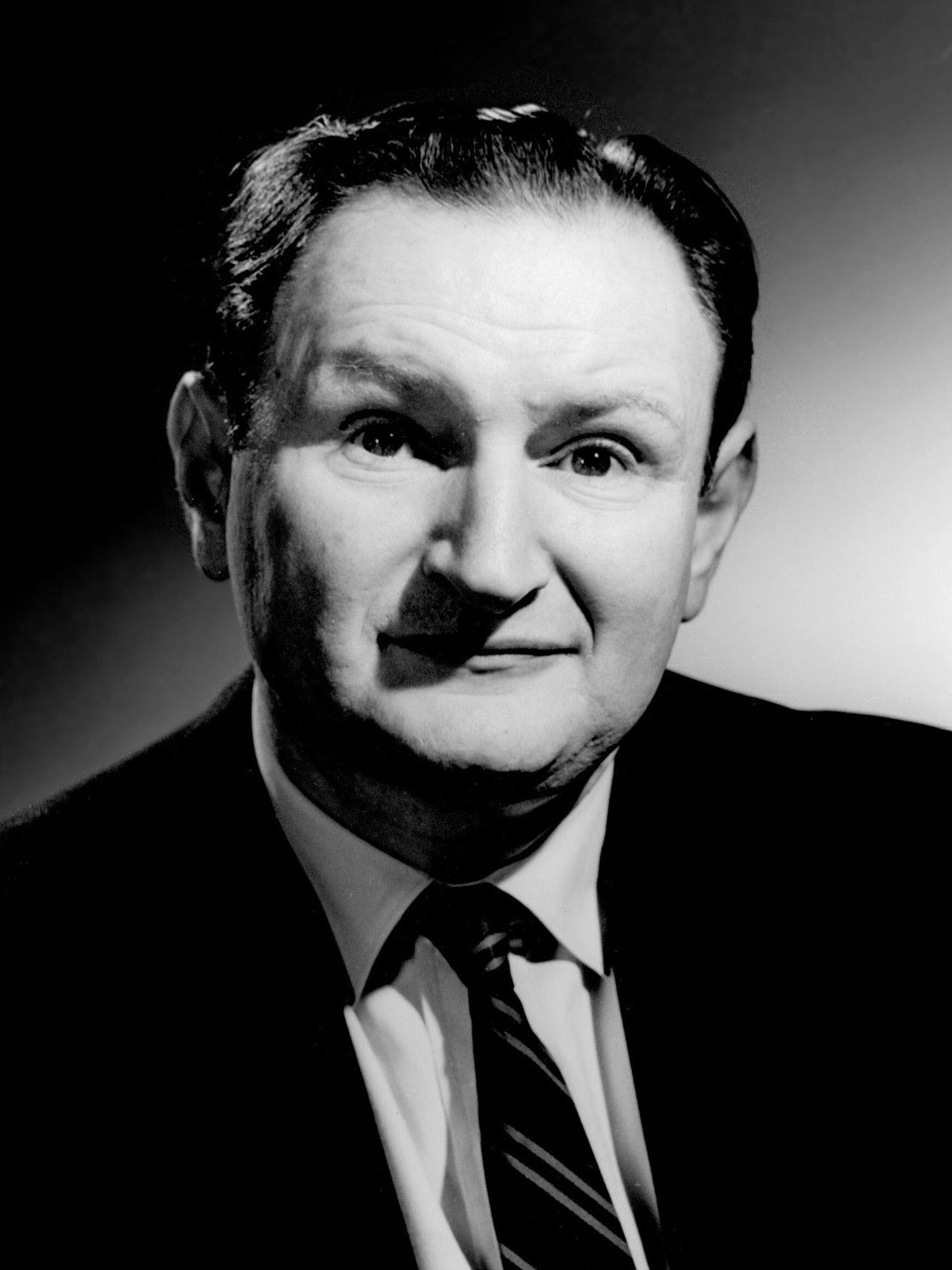
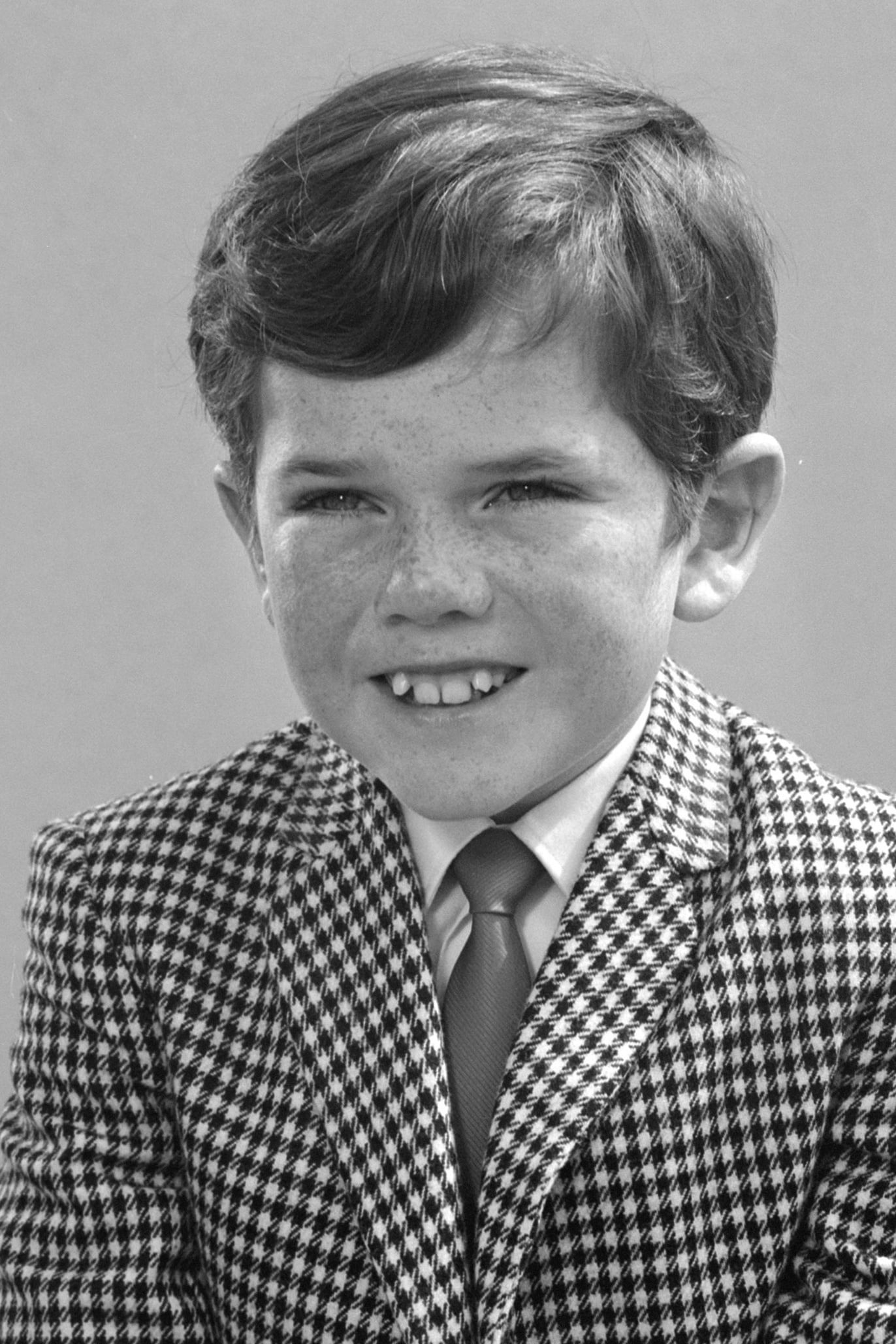
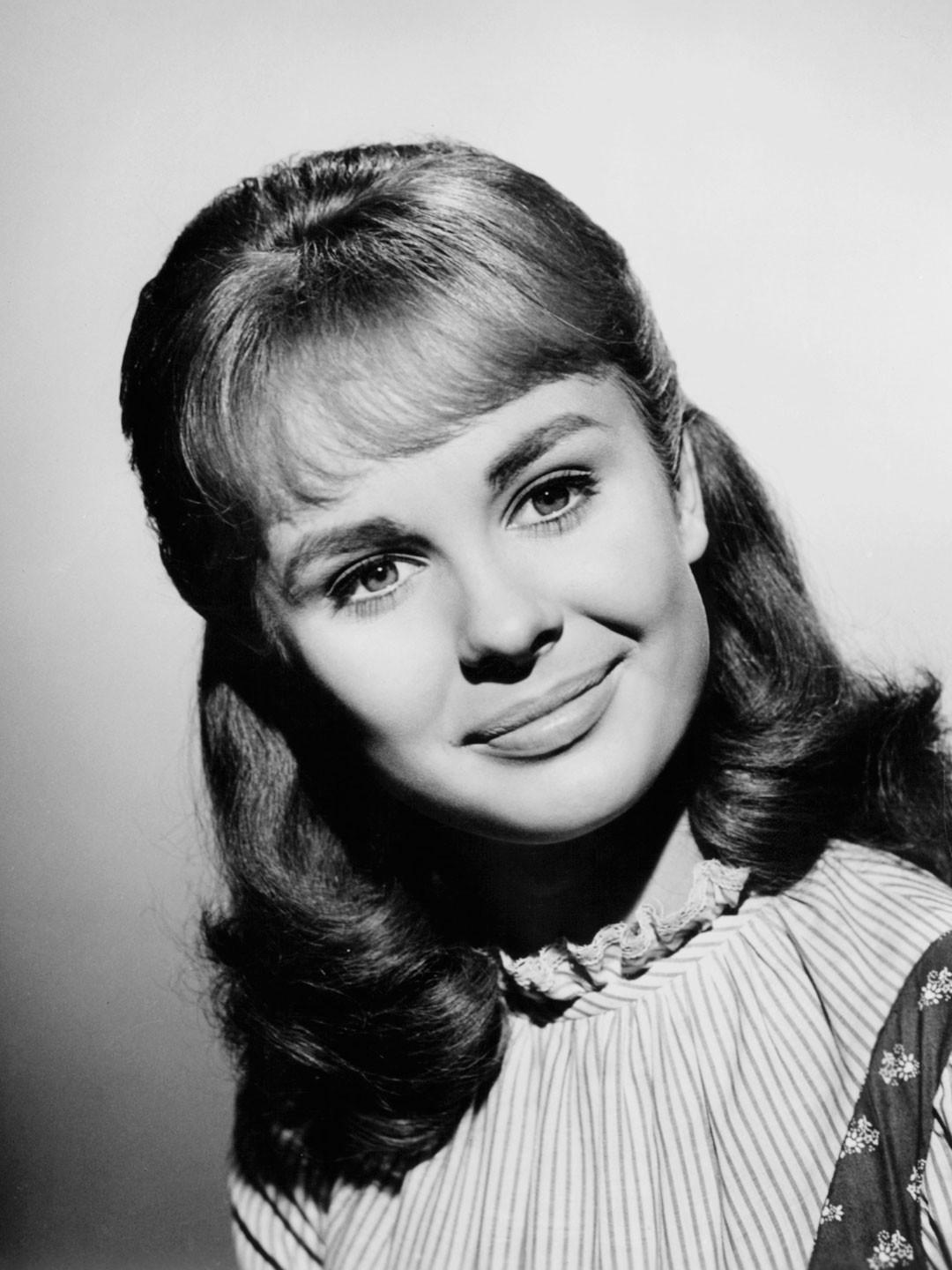
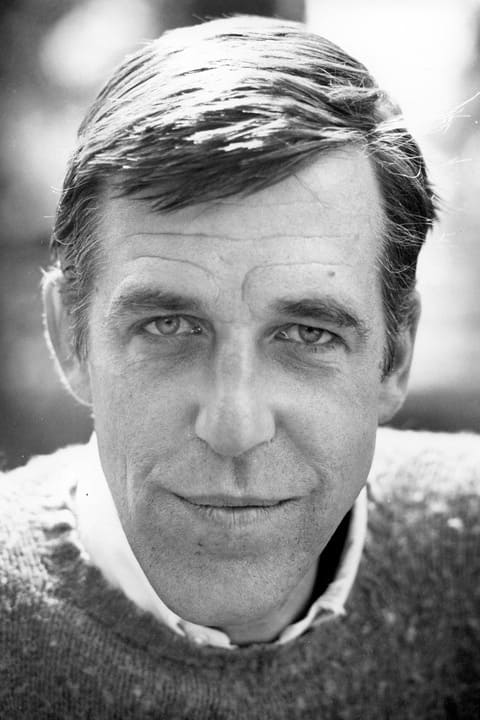
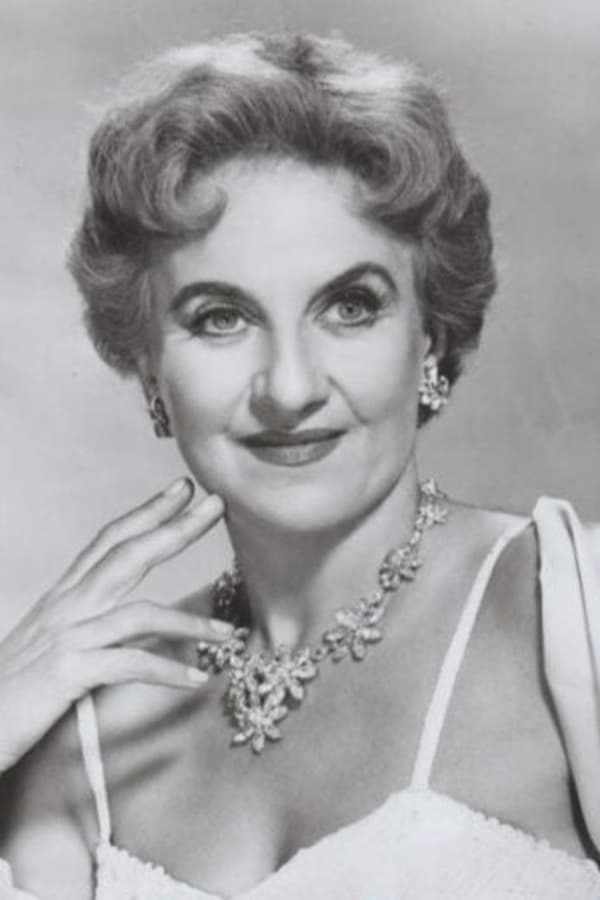
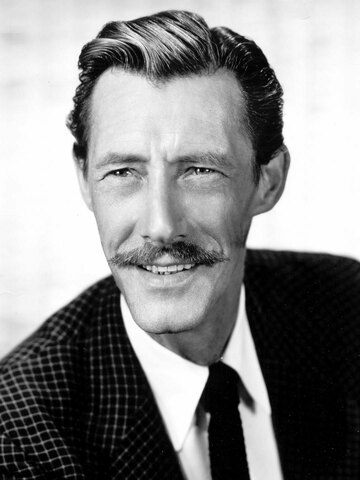
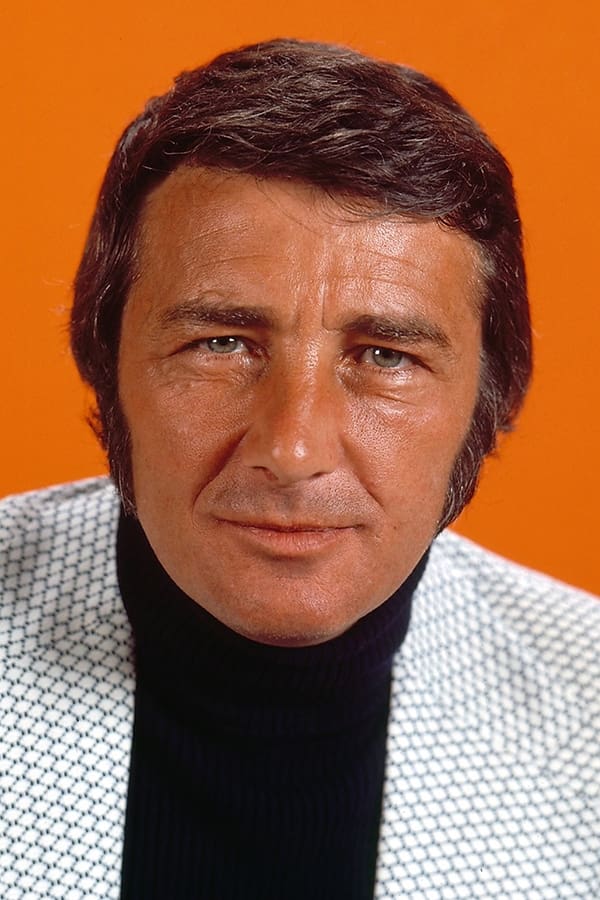
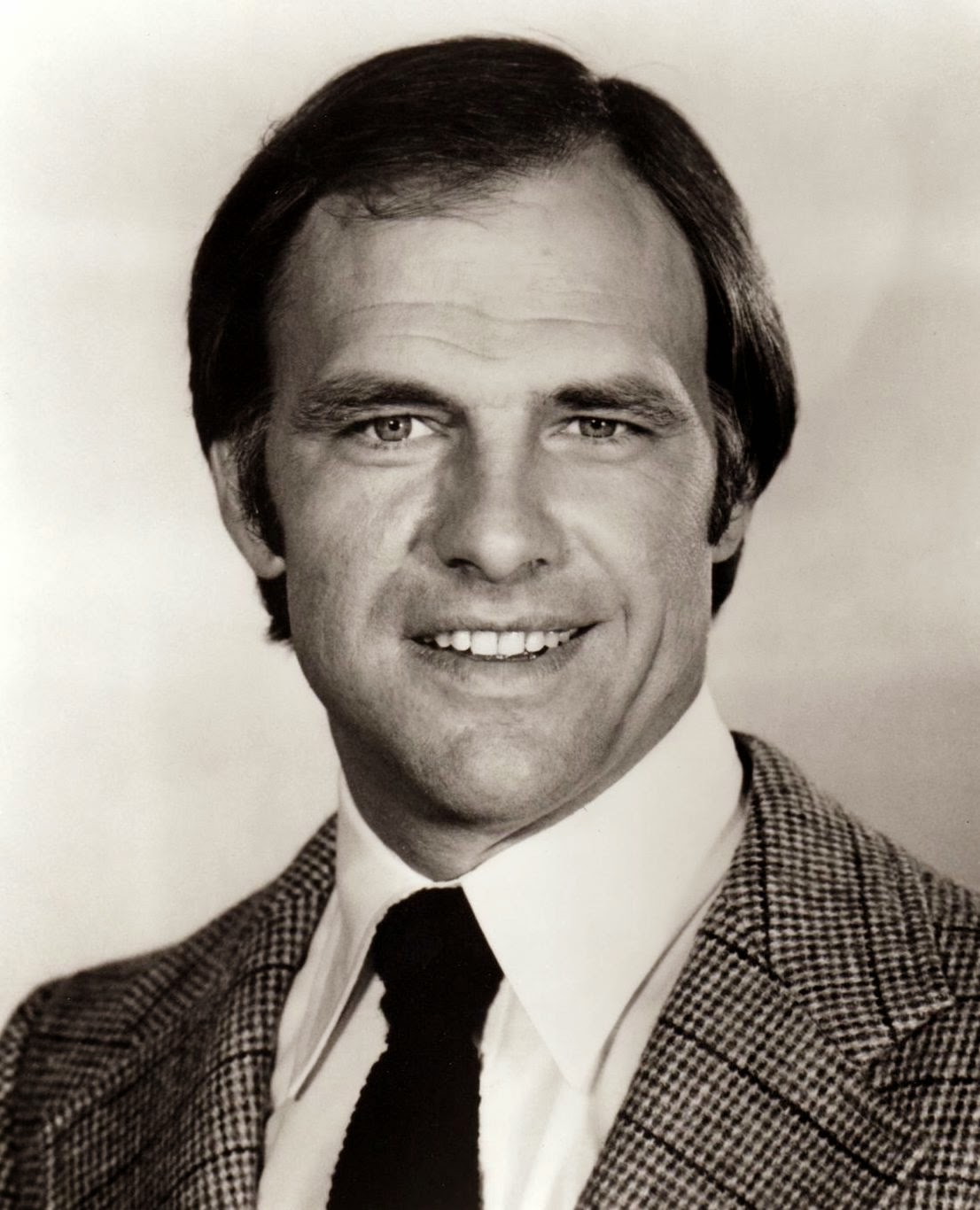
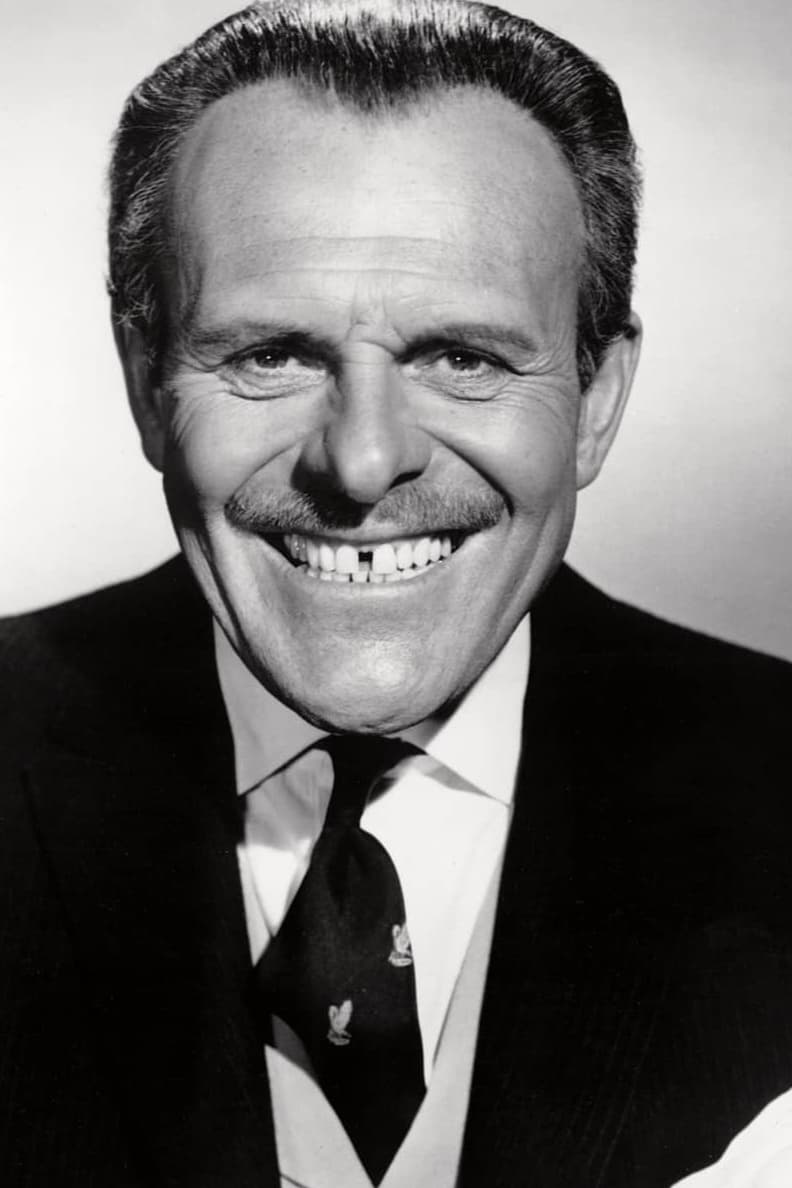
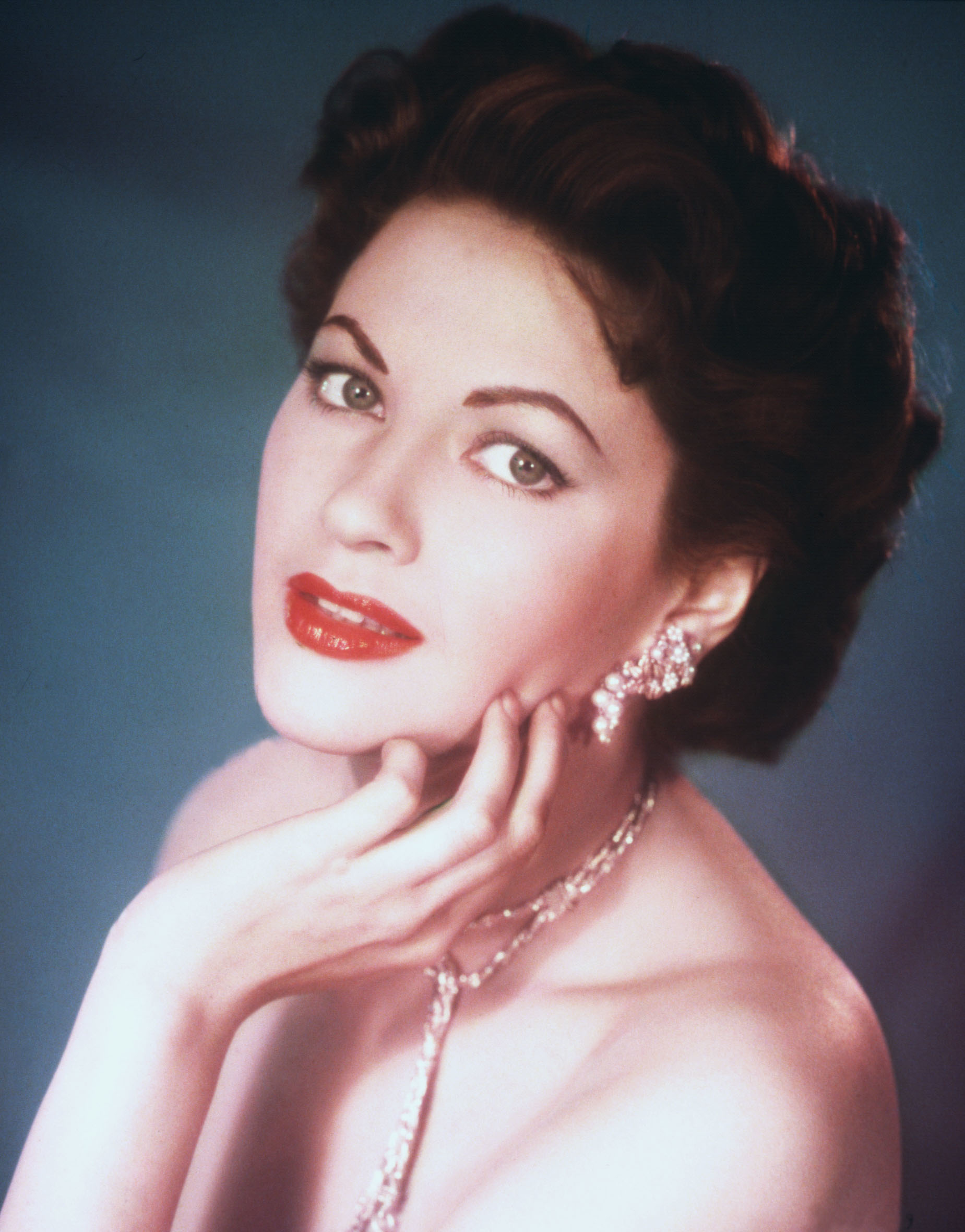
The reason Pat Priest was not used in this film was that "Universal" wanted to build up the career of Debbie Watson. Priest was over 30 at the time though Marilyn was obviously college age. In the film, the character was made to be only 19, another reason they cast the younger Watson. This not only devastated Priest, it also angered most of the fans. Additionally, Watson's career never took off.
When Herman (Fred Gwynne) and Grandpa (Al Lewis) are locked in the counterfeiting room and shouting for help, Herman says, "Call Batman," then adds, "Car 54, where are you?" "Car 54, Where Are You? (1961)" was a comedy series that featured both Gwynne and Lewis. Also, "Batman (1966)" was a direct competitor of "The Munsters (1964)" in 1966, and its success and high ratings may have led to the cancellation of the latter series as its viewership significantly declined.
The Drag-u-la car is modified with a real coffin.
The Munsters (1964) move to the big screen came about after the show was canceled having been trounced by Batman (1966). Cast and crew were informed of the series cancellation just before filming on the feature film began, having had a week hiatus after the second season of The Munsters had wrapped. The hope was the film would introduce the series to the world in advance of negotiating future syndication rights.
Released in the United States in mid-summer 1966, this movie was frequently double-billed with the similarly-themed "The Ghost and Mr. Chicken (1966)."
Continuity
When Grandpa is trying to get Herman to take the "sea-sick" pill, he is wearing gloves. When he, himself, takes the wolf pill by mistake, his left hand starts to change and he is no longer wearing a glove on that hand, but he is still wearing a glove on the right hand.
When Herman goes to the kennels where Grandpa is being held as a wolf, he unhooks the chain with the "No admittance" sign. He is then interrupted by a ship's steward, who replaces the chain on the hook. Herman then trips over the chain when he goes to re-enter the kennels. When the other ship's steward races out of the room after being scared by Herman, the chain is unhooked again.
When Roger Moresby is knocked out, taken the small building, and tied up, he is wearing a helmet. When he tries to escape, he is no longer wearing the helmet.
Factual errors
It is mentioned that Freddie Munster's father disowned him so the title "Lord Munster" would pass to Herman. In English peerage, a title passes onto the next in line of succession regardless of the previous holder's wishes. Only an Act of Parliament may remove an heir. Freddie's father could leave all the money and land to Herman, but the title would go to Freddie.
The SS United States is depicted as having wooden doors and furniture; neither of these existed aboard the real liner. The designer of the ship was a fanatic about fire safety, and virtually no wood was aboard. Additionally, the portholes in the cabins were sealed, whereas in the movie, they are shown open.
British titles are inherited by the next in line. Even if Freddie had murdered Herman, Eddie, Herman's son, would have inherited the title. Besides, if Herman was put together in Germany, he was not genetically related to the English Muster Lords.
Being in England the direction sign post would be in kilometers not miles.
Revealing mistakes
Makeup is missing from the back of Eddie's ears and neck, as well as Lily's palms.
The masked stunt driver who plays "The Griffin" is obviously a male (The Griffin in actuality was later revealed to be Millie, the Barmaid), as in close-ups of the hands on the wheel the viewer can see that the quite hairy and masculine wrists of the driver.
Obvious stunt doubles for Lily and Grandpa in the long shots of them riding the horses. The makeup and hair for Grandpa's double is a bit more exaggerated.
When Herman is racing towards the oil slick near the finish line, the Drag-U-La car begins to spin out before the car reaches the oil slick. By the time the car reaches the oil, it is already sideways, and the rear wheels hitting it are used to propel oil into the air.
The race cars are all left-hand drive cars. While it is logical that the Drag-U-La car would be left-hand drive, since this was supposed to be England, at least some the others should be right-hand drive cars.
Errors in geography
The background scenery of the race is obviously Southern California, not England. At least there must have been a good amount of rain before this movie was filmed, all the vegetation is green.
Character error
Freddie complains, "I'm Lord Munster, not HIM!" Lady Effigie explains that Freddie should have used the pronoun HE because "the objective pronoun always takes the nominative case". While she is right that Freddie should have used the pronoun HE, her explanation should have been, "When the predicate pronoun refers to the subject, the pronoun takes the nominative case". In fact, most pronouns in the predicate of a sentence are in the objective case, not the nominative case.