Midway (1976)

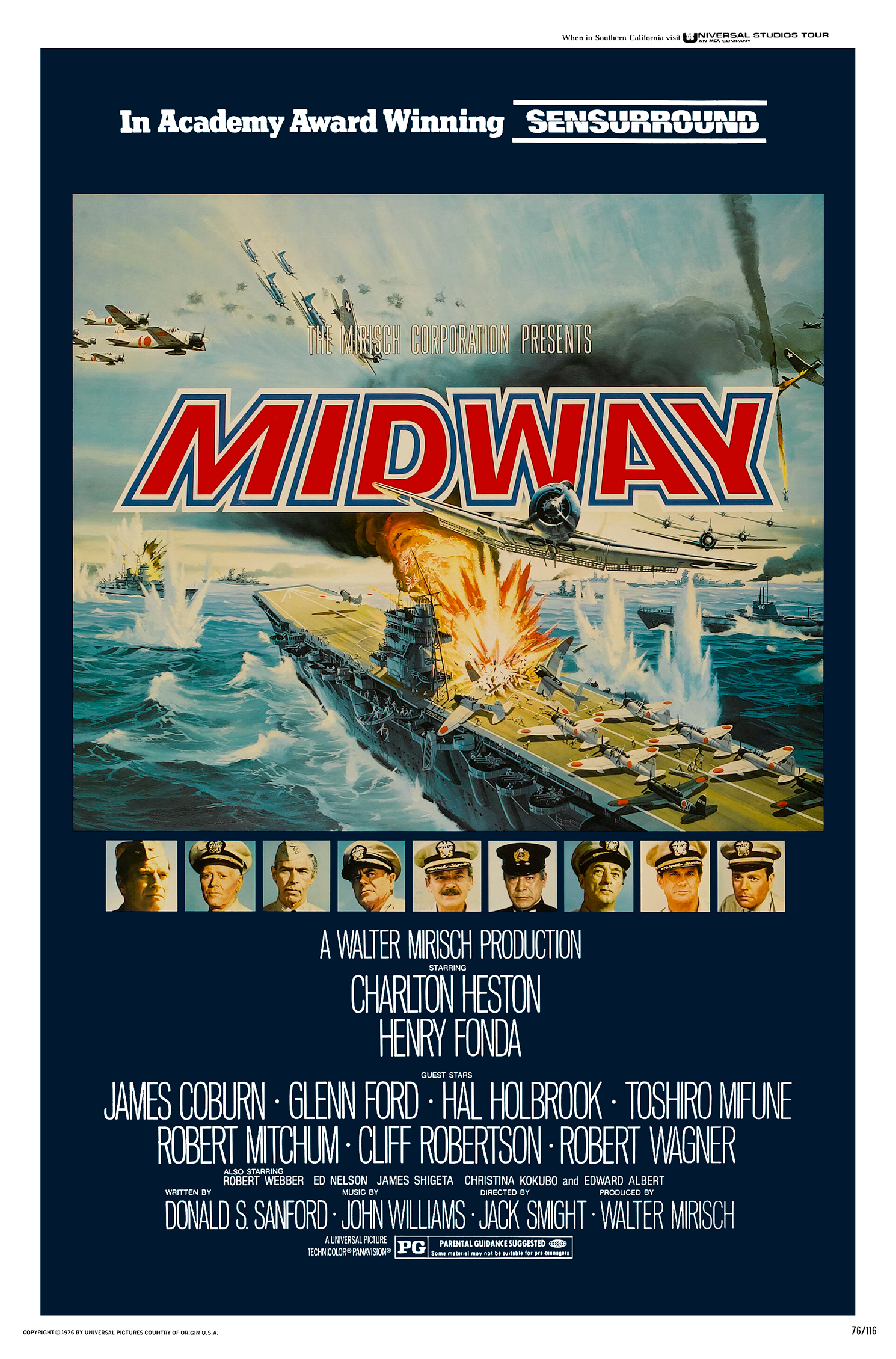
May 1942. After the Doolittle Raid Japan aims to expand its territory in the Pacific, to make such raids less likely. Their next target: Midway Island. However, the US Navy is intercepting their messages and has partially cracked their encryption code, forewarning them of Japan's intentions. Two US aircraft carrier task groups are sent to Midway, resulting in one of the most important battles in history.
The glory, the suspense, the spectacular drama of the men who won the most decisive naval battle in U.S. history.
Vice Adm. Chuichi Nagumo: [commenting on the American torpedo bombers] They sacrifice themselves like samurai, these Americans.
USS Lexington
Naval Air Station Point Mugu, Point Mugu, California, USA
(Midway Island under attack by Japanese aircraft.)
Pearl Harbor Naval Station, Pearl Harbor, O'ahu, Hawaii, USA
Long Beach Naval Shipyard - Ocean Boulevard & Navy Way, Long Beach, California, USA
(Terminal Island Naval Base)
U.S. Naval Station, Long Beach, California, USA
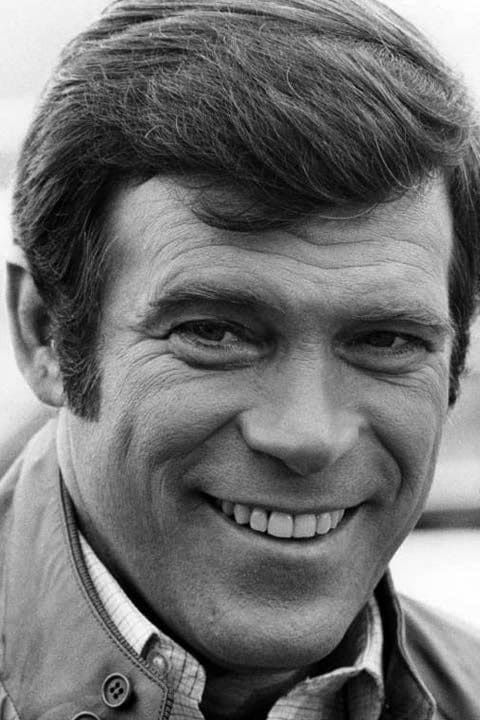
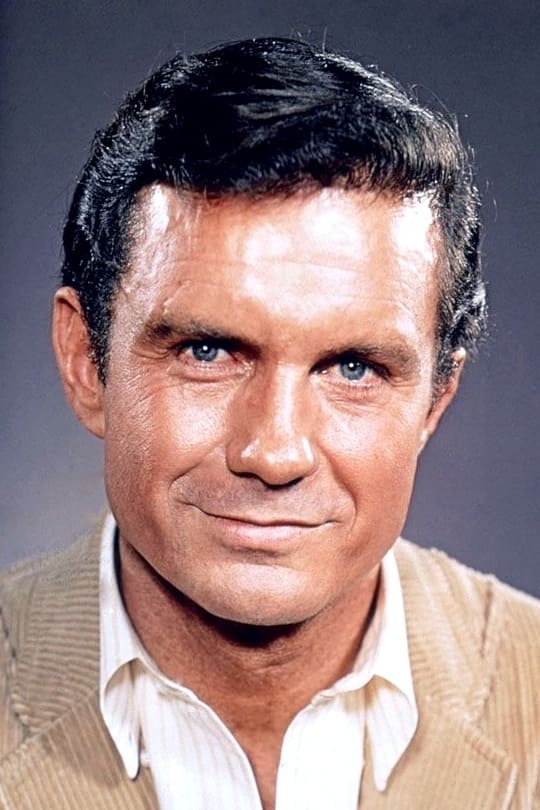
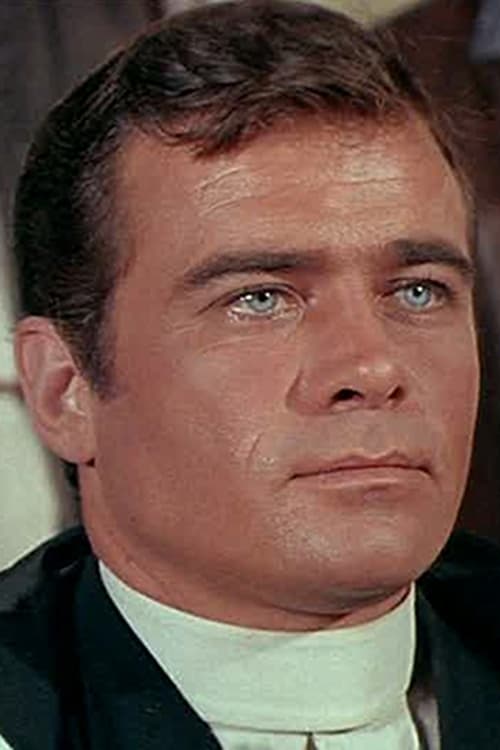
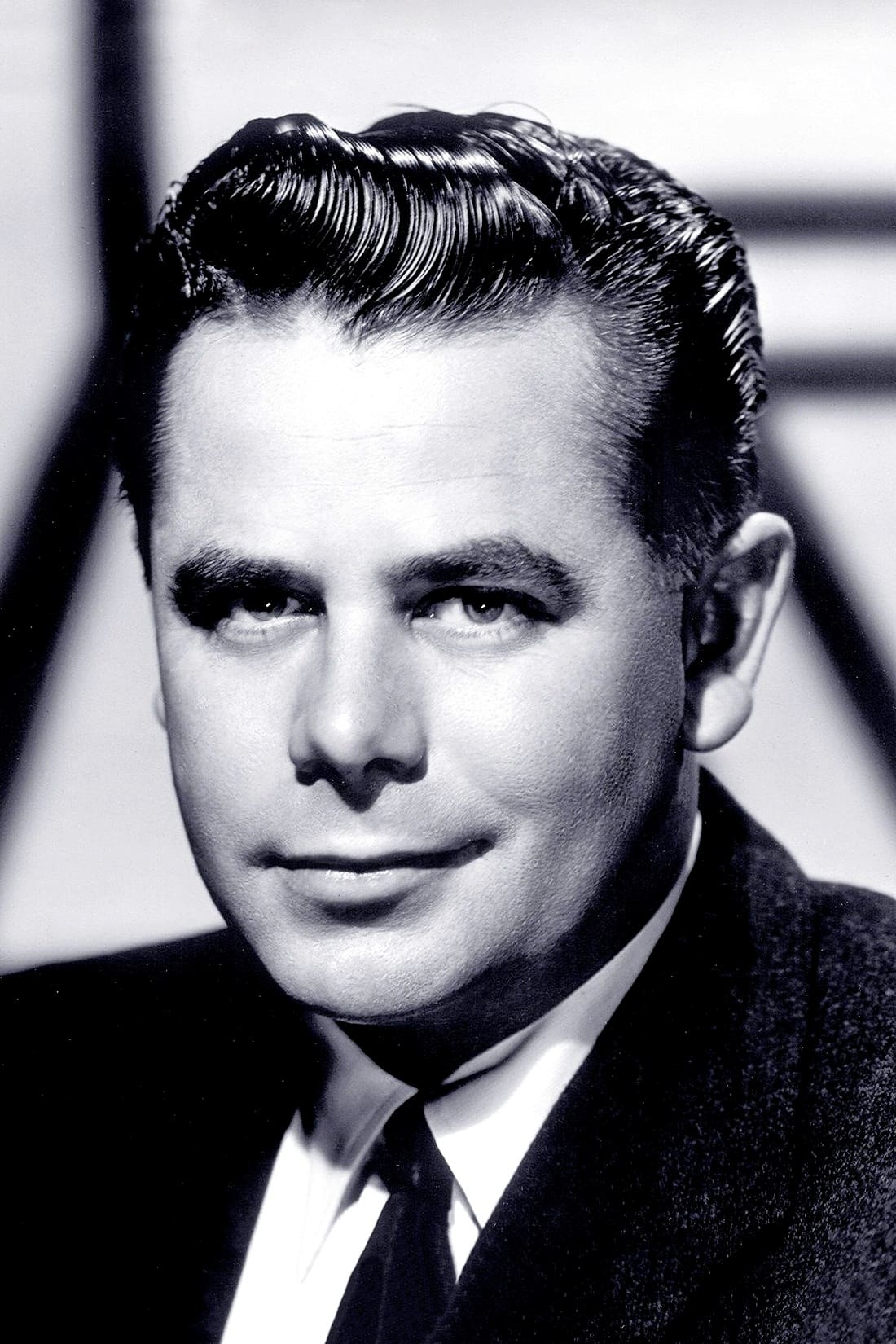
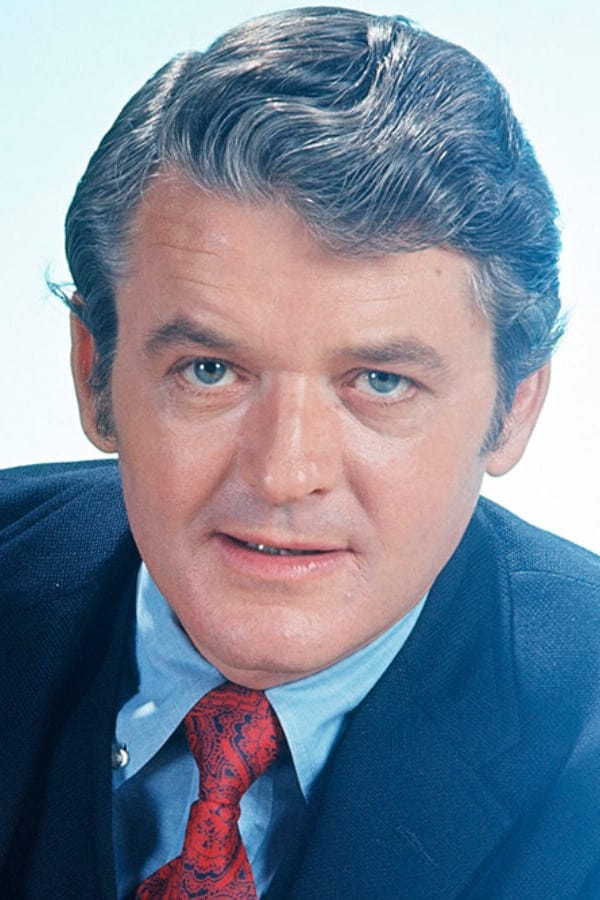
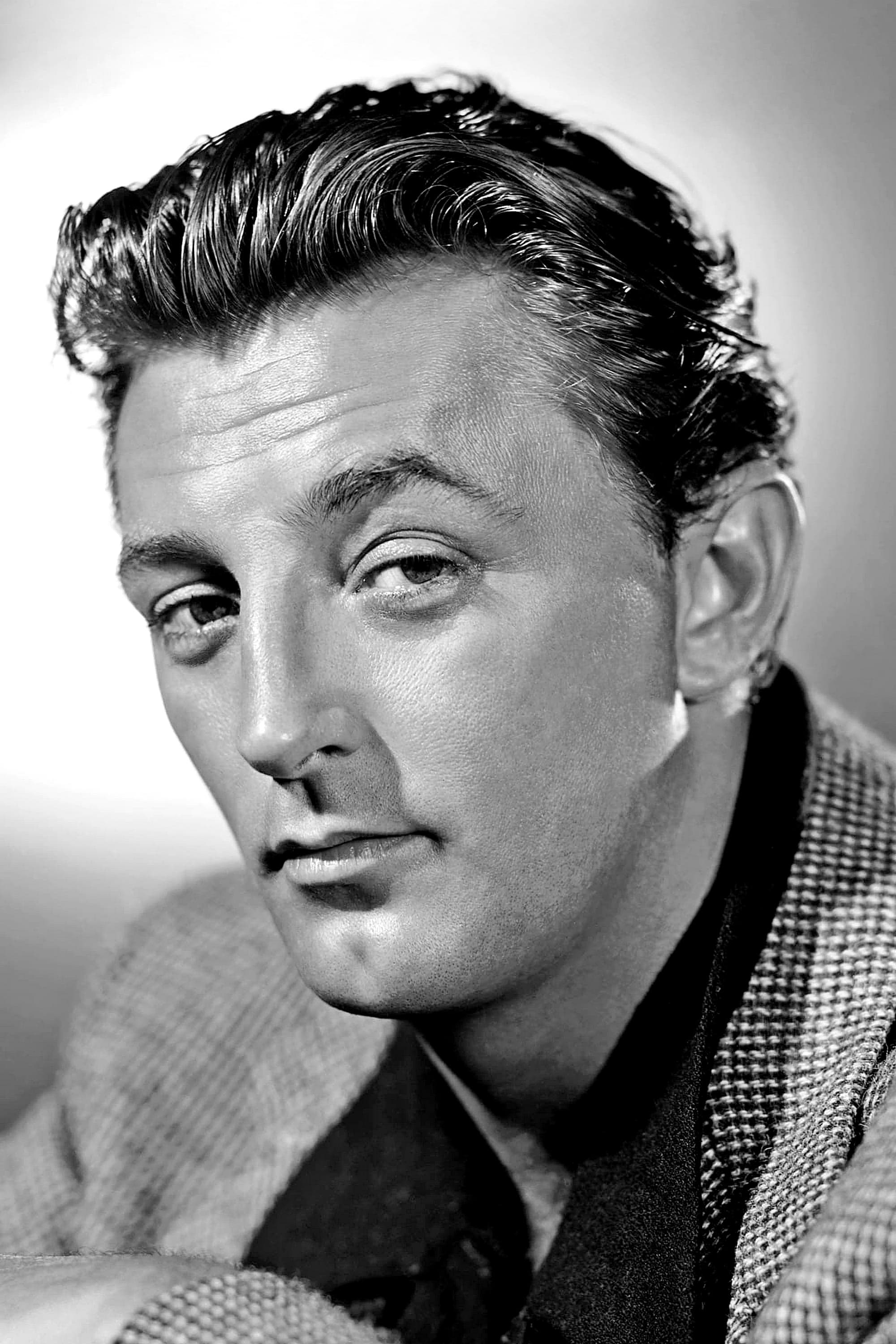
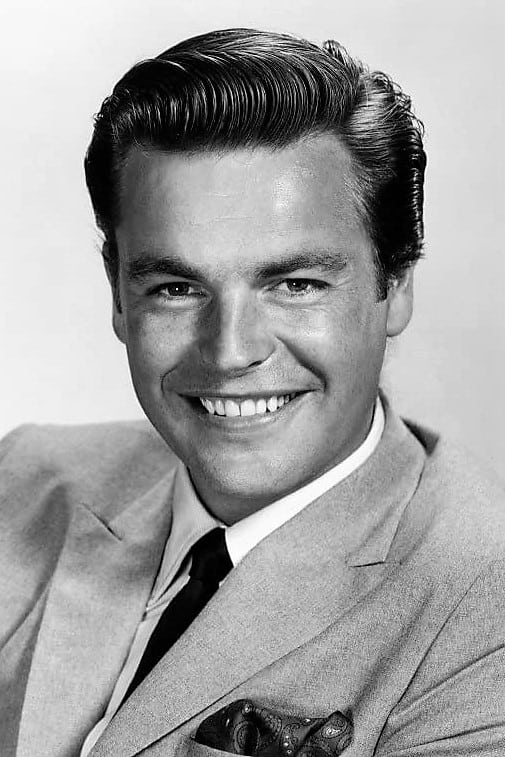
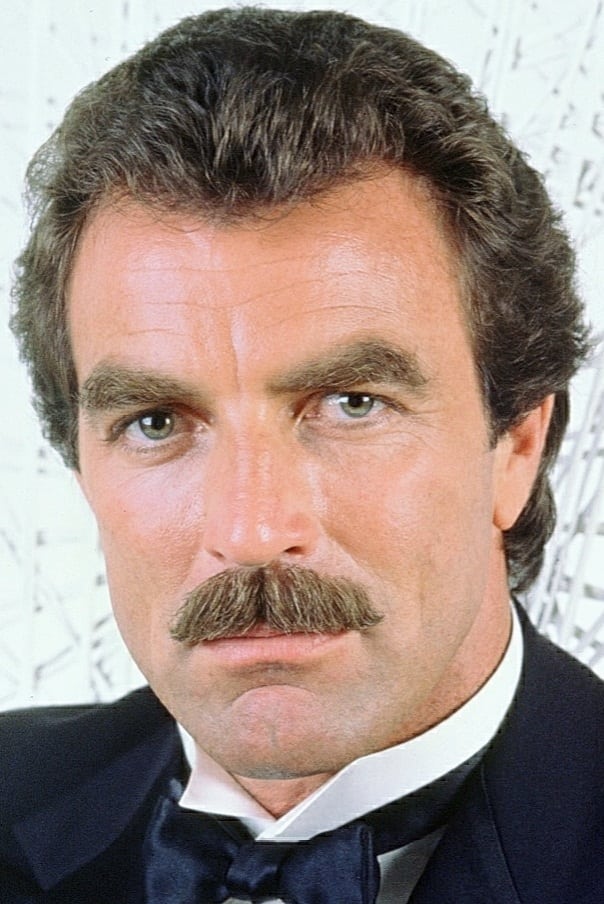
Kevin Dobson's character Ensign George Gay, was the sole survivor of Torpedo Squadron 8. Gay wrote a book about his experiences (Sole Survivor) and was an advisor on this film.
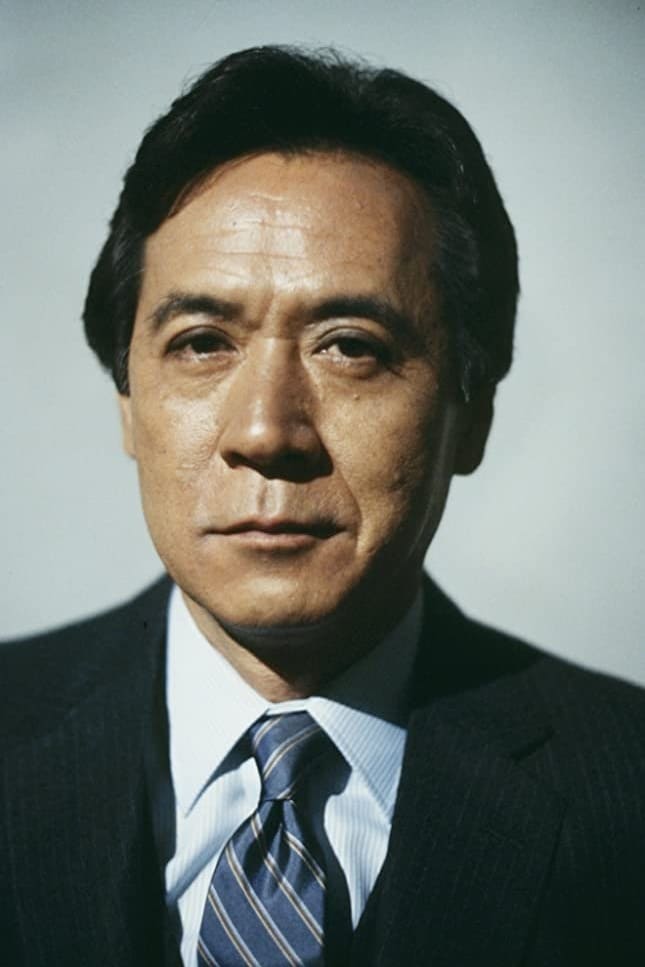
During the real Battle of Midway, Toshir? Mifune was in Manchuria, training to be a fighter pilot.
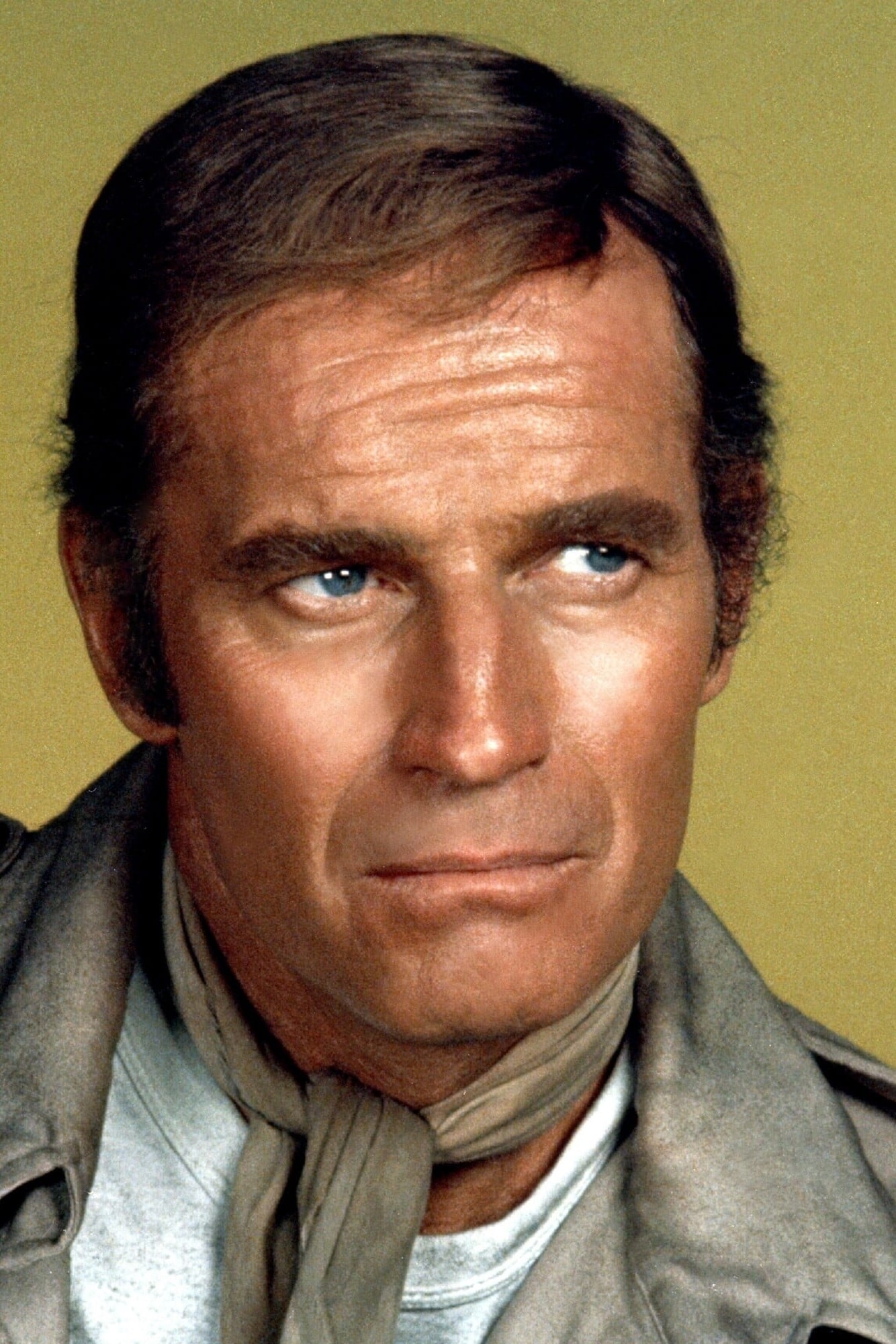
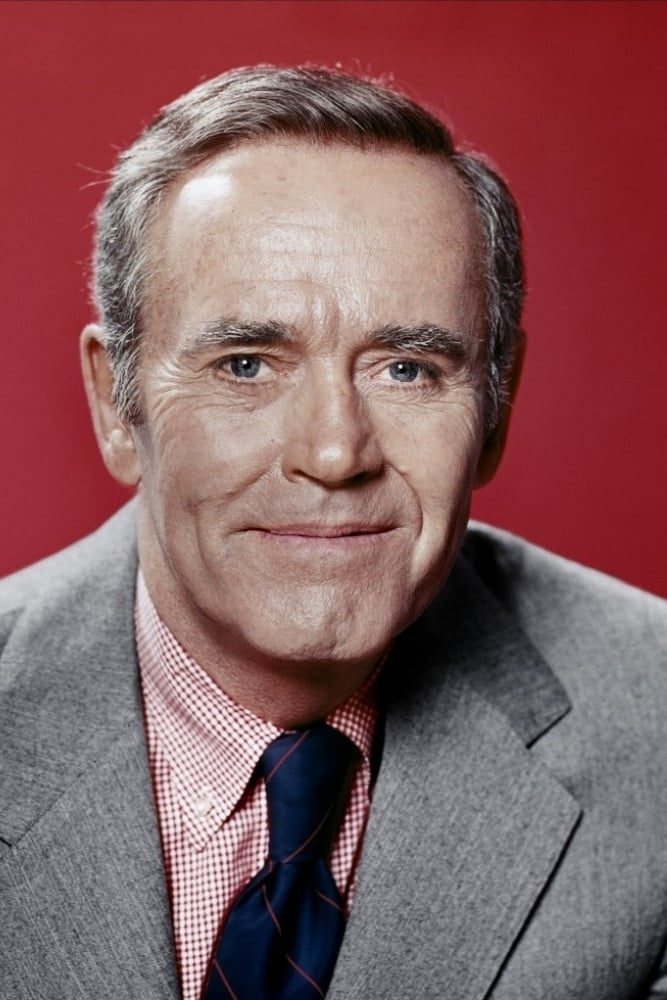
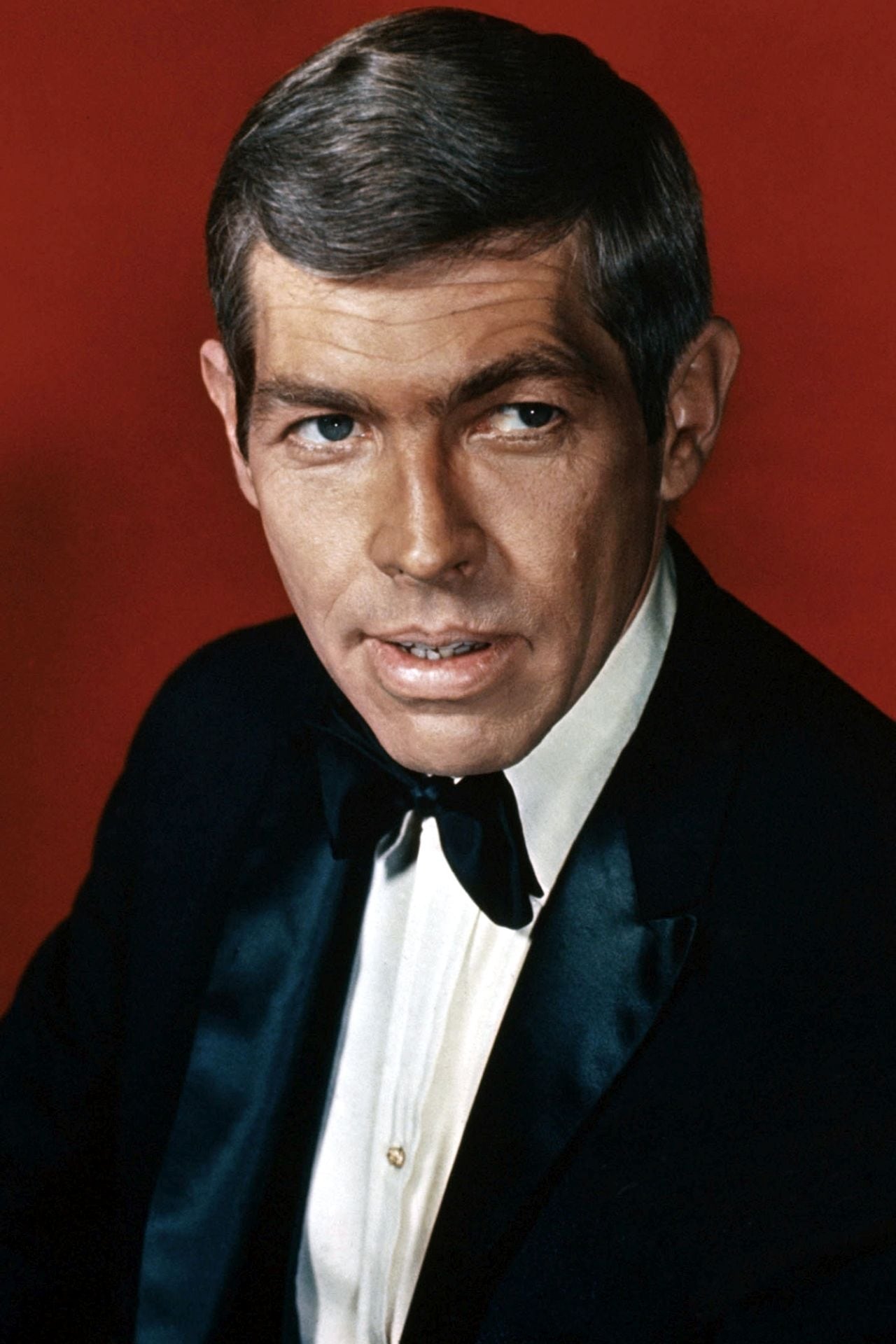
Henry Fonda, Charlton Heston, Glenn Ford, Hal Holbrook, Cliff Robertson, Robert Webber, screenwriter Donald S. Sanford and director Jack Smight were all war veterans.
Almost all the on-board scenes were filmed on the U.S.S. Lexington, an Essex-class "fast carrier" commissioned in February, 1943. Even some of the Japanese carriers shown in birds-eye views were actually the Lexington; with the film reversed to put the island superstructure on the port side (all U.S. carriers had it on the starboard side). Decommissioned in 1991, the Lexington was the longest serving carrier in history. It is now a museum ship in Corpus Christi, Texas.
Most dogfight sequences come from 1942 newsreels, with considerable cropping to adapt the image to the Panavision framing.
Continuity
During the Japanese bombing of Midway, you can briefly see battleship masts in the background. This is recycled footage from Tora! Tora! Tora! (1970).
The actor portraying the radio operator aboard the Soryu search plane trying to radio back the location of the Yorktown is also in the group of Japanese sailors aboard the Hiryu watching the other three Japanese carriers burn. These two events are supposed to be happening simultaneously.
Ensign George Gay is shot in the right hand and arm. But, when he is swimming in the water, he is favoring his left arm, and reaching for his flotation device with his right hand. Later, when he is in the water watching the attack, the wounds are gone.
Ensign George Gay flies a torpedo plane but when his plane crashes, stock footage of a Grumman Hellcat is used to depict the crash.
As Torpedo Sqn. 8 turns to attack the Japanese carriers, it can be clearly seen that they have no weapons underneath the aircraft.
Factual errors
In the discussion with Admiral Nimitz about determining the meaning of "AF", Nimitz orders the fake message sent to Midway via a courier flight. The message was actually sent to Midway via the Trans-Pacific Cable which was still operating from the west coast of the U.S. to Midway. Due to its distance from Pearl Harbor, there were no daily courier flights.
During the second attack on the Yorktown, stock footage shows a battleship blasting a Japanese bomber out of the sky with its 16-inch guns. Those main guns did not have an AA capability nor did any gun above five inches because of the slow rates of fire and the inability to fire above a certain angle.
In order to save on weight and extend range, the planes on the Doolittle raid did not have machine guns. As a gesture to intimidate possible fighters, the machine guns were replaced with broomsticks painted black.
Rear Admiral Spruance is shown smoking a cigar at one point in the film, while watching flight deck operations from the carrier's flag bridge. In reality, Spruance was known amongst his peers for his healthy personal habits. He did not smoke or drink.
During the events on the main day of the battle (June 4, 1942) there are orders frequently given to 'sound general quarters'. In a real combat situation, the task forces should have gone to battle stations automatically shortly before dawn and stayed there until shortly after sundown.
Incorrectly regarded as goofs
Though the movie shows two Kamikazes hitting the Yorktown, there are no reports of them hitting any ships during Midway. In fact, the long shot of a kamikaze smashing into the island of the Yorktown is actually real footage of a suicide plane hitting a carrier during the Battle of Leyte Gulf.
In the overhead shots of the carriers the island is on the port side and the angled flight deck on the starboard side. This is backwards and due to film reversal, but this was intentional. These are supposed to be the Japanese carriers Akagi and Hiryu, which had their islands on the port side. Neither ship, however, had an angled deck.
Revealing mistakes
When Yamamoto asks how (Doolittle's) bombing raid was done, the messenger tells him that US land-based bombers were launched from carriers. It would have been impossible for the Japanese to have that information 10 minutes after the attack.
(at around 1h 13 mins) Admiral Spruance and Captain Browning are on the deck, receiving information about the sighting of Japanese carriers. A closeup of Captain Browning looking through binoculars shows "Japan" printed on the binoculars. The U.S. Navy would not have owned "Made in Japan" equipment during the time setting of the film.
Just before the gunner on Ensign Gay's plane is shot, the spots where the "bullets" will hit the plane can be clearly seen. The skin of the plane is rough and slightly discolored in those spots.
There were over 20 scout planes sent to look for the Japanese fleet and a large grid was used to plot their movement. The path of the plane that first spotted the Japanese fleet ("Strawberry 5") was circled - before its report was radioed in.
As Ensign George Gay's plane crossed over the carrier, just before crashing, the green plane that goes over the Japanese carrier's deck has Japanese Hinomaru markings on the wing, rather than a blue/gray plane with star markings.
Miscellaneous
On the Yorktown Matt Garth is reading Admiral Nimitz's message about the "Main Body" discovery and tells Fletcher to dismiss this Main Body sighting and continue to point as previously ordered, Fletcher says to Garth "I guess Nimitz thinks this is Kondo's Invasion force. Garth then says ?but if it's Nagumo's attack force with Carriers" etc... There is no way Fletcher or Garth would know about 3 different forces, let alone who was in command of them.
In the beginning of the scene where USS Enterprise and USS Hornet are leaving Pearl Harbor, it has a shot panning across Pearl Harbor showing an aircraft carrier marked "3" (meaning CV-3 USS Saratoga). But it is not a Lexington class ship (the class of ship that the USS Saratoga belonged to) it appears to be an Essex class carrier that someone has changed the number on (probably CV-9 USS Essex).
In crowd scene at end of movie, a man in the crowd can be seen wearing headphones. In time of event, portable headphones would not have been worn by the average civilian.
Throughout the movie, when both Japanese and American planes are flying through clouds, no droplets of water appears on the planes.
At the end when Adm. Nimitz is discussing the outcome, in port, back ground extras are all dressed in 1970s clothing, not 1942 apparel.
Anachronisms
When the cockpit of one of the planes catches fire, the pilot pulls out a fire extinguisher. It is a more modern one, not a fire extinguisher that would have existed in the 1940s.
During the Midway sequence, a US flag with 50 stars is shown prior to the Japanese air attack on the US carriers. At the time, there were only 48 states.
"Strawberry 9's" co-pilot is shown eating Graham Crackers from a box. The artwork and brand "Honey Maid" was from a mid-1970's era box.
The final scene of the movie pans the Carrier berthed in Pearl Harbor showing "bridle catchers" on the bow of the carrier. Bridle catchers are for catching the early catapult launch rigs from launched aircraft. Needless to say, the Yorktown class carriers did not have catapults at the Battle of Midway.
Some of the Jeeps in this movie have one piece windshields. These Jeeps were not produced until after WWII.
Crew or equipment visible
At one point in the conversation between Pearson and Garth in front of the desk, the camera zooms in on them. As it does, a camera shadow appears on Pearson.
Errors in geography
As planes are taking off from Midway, mountains can be seen in the far background. There are no mountains on Midway, as it is a small atoll only 2.5 miles square miles.
The final climatic battle takes place on the open sea, but since shots from Tora! Tora! Tora! (1970) were used in this sequence, land based shore facilities can be seen in the background.
The large map of the Pacific Ocean used by the American officers throughout the battle shows Midway Island as a large circle, about the same size as Hawaii's big island. In fact, Hawaii is nearly 100 miles across, while Midway is two tiny narrow islands, each less than 3 miles long, attached to a lagoon about six miles across.
When USS Enterprise returns to Pearl Harbor at the end of the film, southern pine and oak trees surround the port. The landscape clearly is not Hawaii, but Pensacola, Florida, home port of USS Lexington at the time.
Character error
At one point Admiral Nimitz says, "It's times like these I miss the flatlands." Nimitz was born and raised in Fredericksburg, Texas, in a part of the state known as the Texas Hill Country. According to his US Navy biography, Nimitz left high school in 1905 to enter the Naval Academy. Annapolis was probably the first time in his life that the future Fleet Admiral saw anything resembling "flat lands."
Admiral Fletcher seems is shocked that Admiral Spruance had replaced the ill Admiral Halsey because Spruance is cruiser admiral. This is odd considering Fletcher himself was a cruiser admiral who had only commanded carriers for a fewmonths.
Commander Joseph Rochefort was played by an actor with grey hair. Rochefort was far much younger in reality in the 1940s.