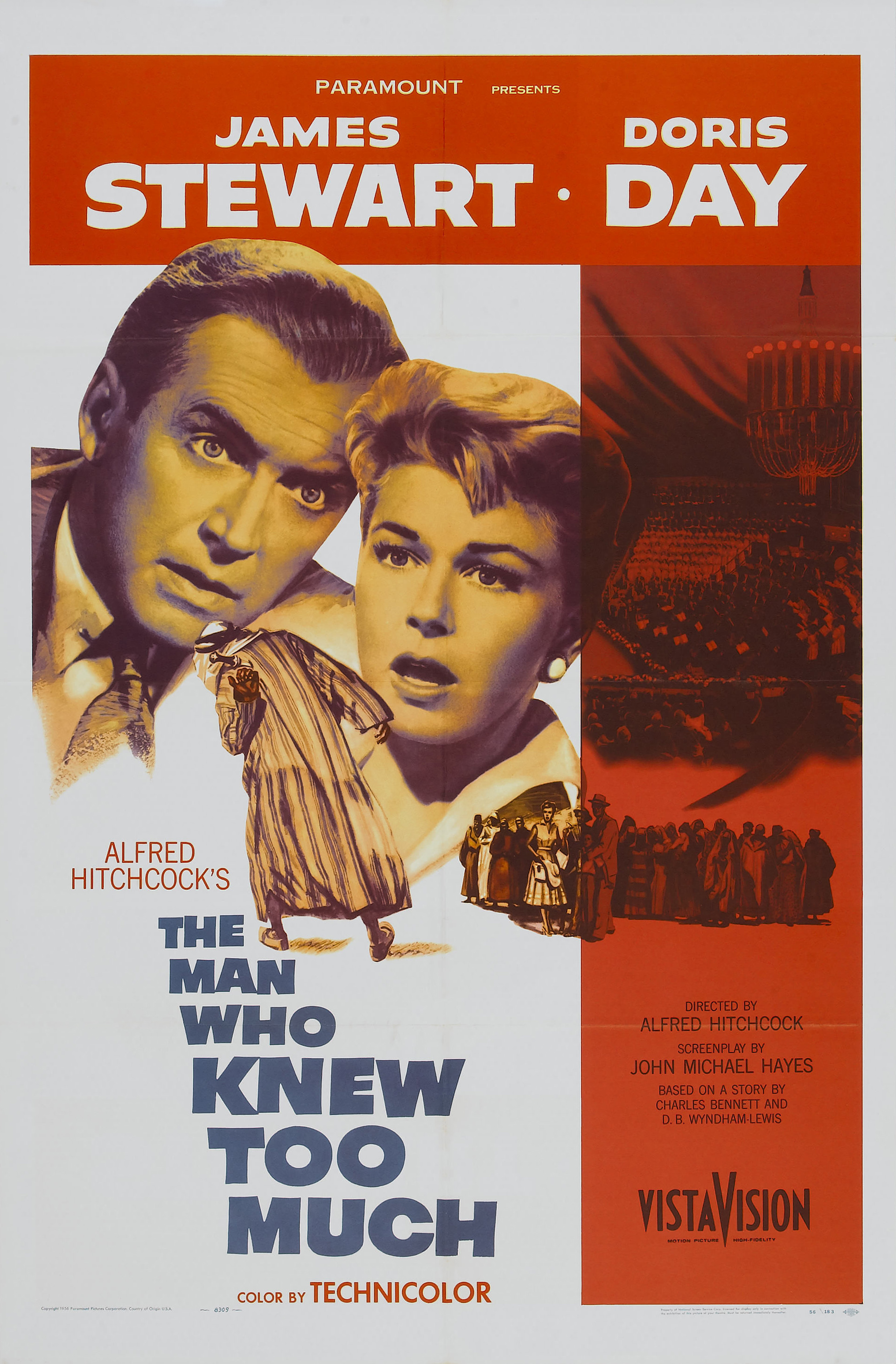
The Man Who Knew Too Much (1956)

While attending a medical conference in Paris, an American physician, Dr. Ben McKenna, along with his wife, retired musical theater actress and singer Jo McKenna n?e Conway, and their adolescent son, Hank McKenna, decide to take a side trip to Marrakesh, French Morocco. On the bus to Marrakesh, they meet a Frenchman, Louis Bernard. The following day at the market, Louis is masquerading as an Arab and approaches Ben with a knife plunged in his back. Before dying, Louis cryptically whispers into Ben's ear that there will be an attempted assassination in London of a statesman. Ben is reluctant to provide any information of this news to the authorities because he learned Hank was kidnapped by a British couple, Edward and Lucy Drayton. The people the Draytons were working for threatened to kill Hank if Ben divulged any information told to him by Louis Bernard. With what little information they have on hand, Ben and Jo head to London to try and thwart the assassination attempt and more importantly find Hank alive and safe. Scotland Yard is aware of some pieces to the puzzle, including the fact that Louis Bernard was a French secret service agent and that there will be an assassination attempt on someone. They will have to work together as they hit a diplomatic roadblock, one that may be overcome with a special Jo Conway song.
A little knowledge can be a deadly thing!
Ambassador: You have muddled everything from the start, taking that child with you from Marrakesh. Don't you realize that Americans dislike having their children stolen?
St Saviour's Church Hall, St Saviour's Church, Lambert Road, Brixton, London, Greater London, England, UK
(Ambrose Chapel, demolished)
Djemaa el Fna, Marrakech, Morocco
(Marrakech main square)
H?tel la Mamounia, Avenue Bab Jdid, Marrakech, Morocco
(Car parking, facade, brief scene of the garden, and interior of a suite and of the restaurant with beautiful tiles and carved wood.)
Royal Albert Hall, South Kensington, London, England, UK
(Establishing shot outside, box office area, stairs to the boxes, and concert scene.)
Park Lane House, Park Lane, Mayfair, Westminster, Greater London, England, UK
(As the foreign embassy, later demolished.)
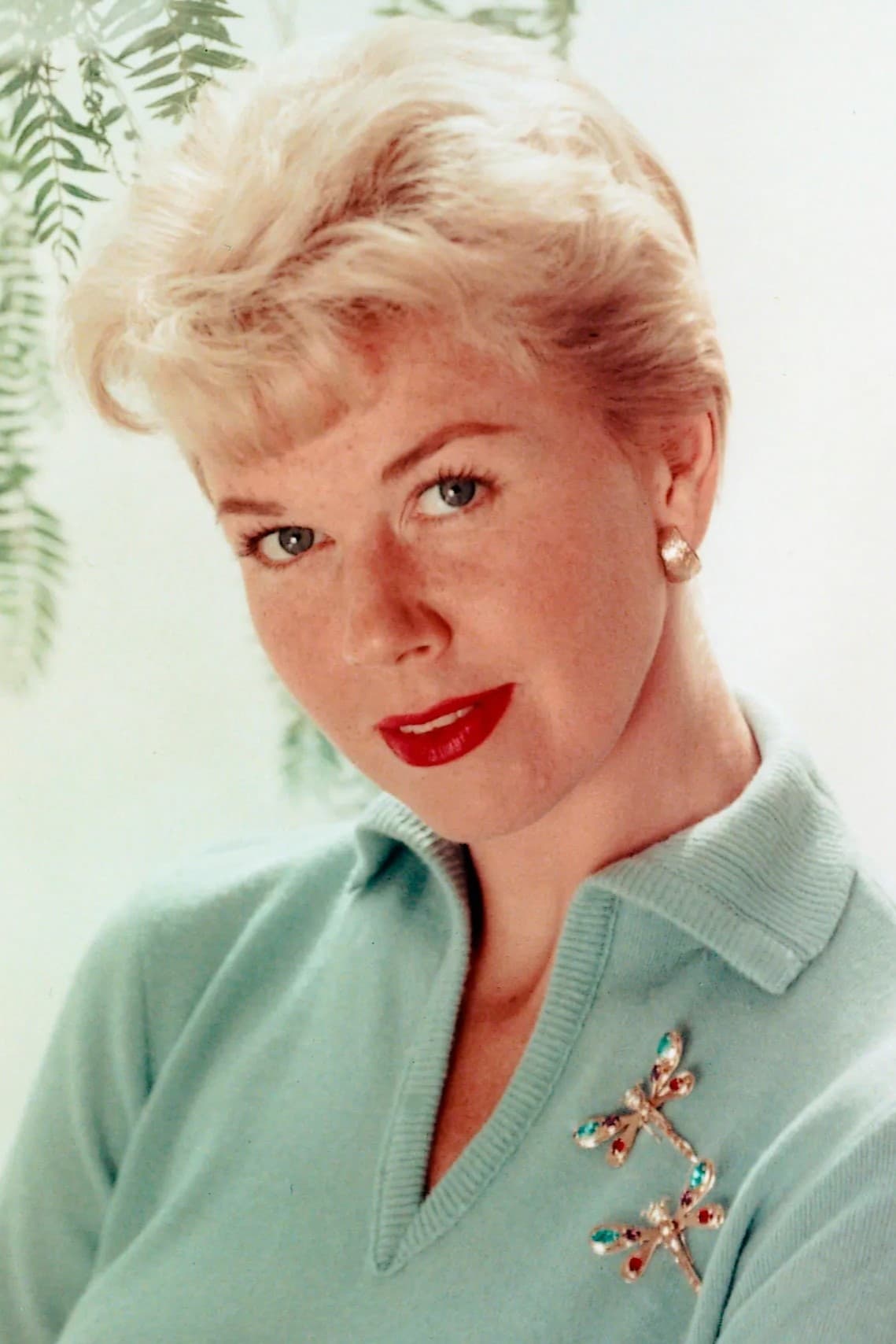
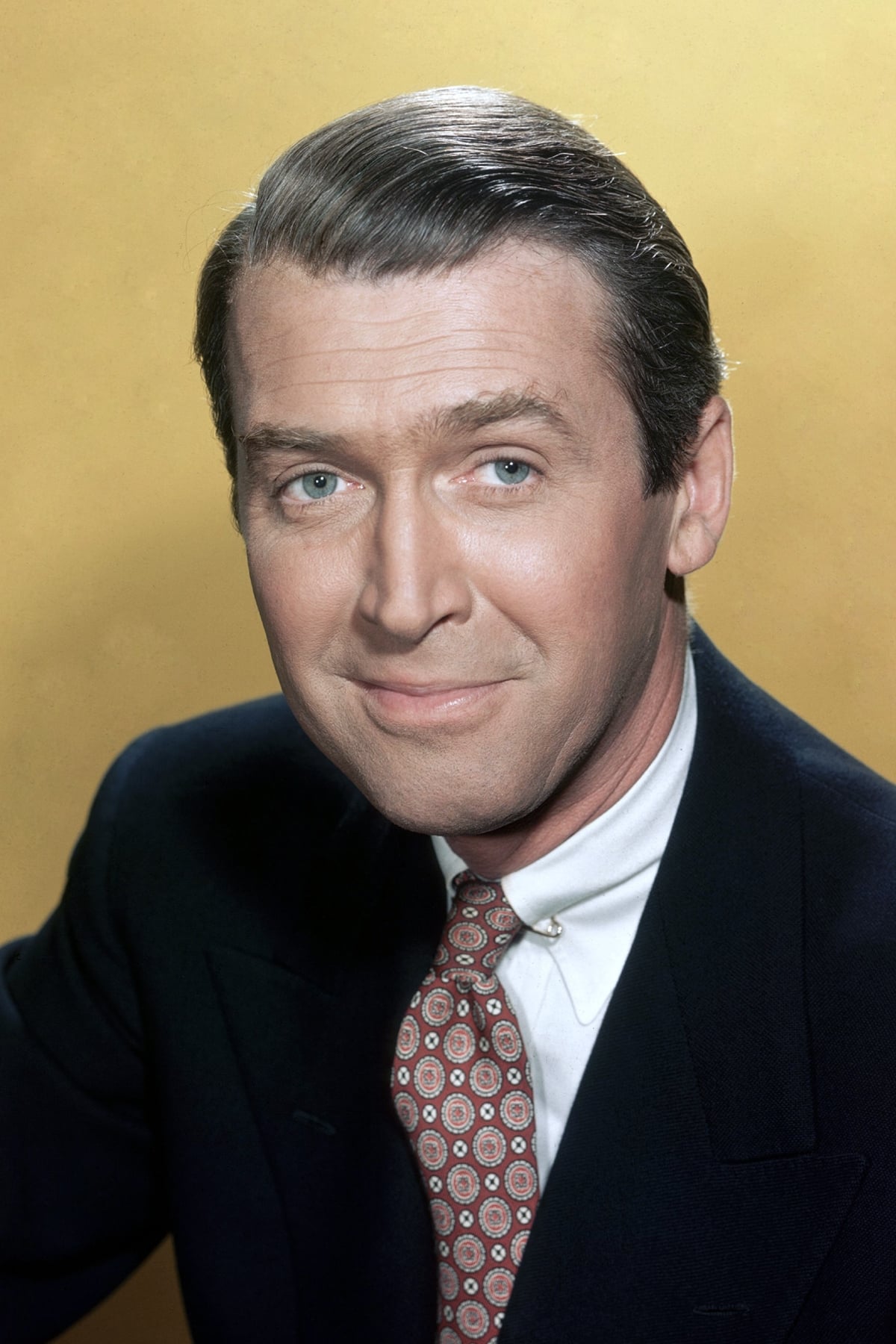
Throughout the filming, Doris Day became increasingly concerned that Sir Alfred Hitchcock paid more attention to camera set-ups, lighting, and technical matters than he did to her performance. Convinced that he was displeased with her work, she finally confronted him. His reply was, "My dear Miss Day, if you weren't giving me what I wanted, then I would have to direct you!"
At first Doris Day refused to record "Que Sera, Sera" as a popular song release, dismissing it as "a forgettable children's song". It not only went on to win an Academy Award, but also became the biggest hit of her recording career and her signature song. She sang the same song in two more movies, Please Don't Eat the Daisies (1960) and The Glass Bottom Boat (1966), and it was used as the theme song for all one hundred twenty-four episodes of her television series, The Doris Day Show (1968).
It was during the making of this movie, when she saw how camels, goats and other animal extras in a marketplace scene were being treated, that Doris Day began her lifelong commitment to preventing animal abuse. She was so appalled at the conditions the animals were in that she refused to work unless they were properly fed and cared for. The production company actually had to set up feeding stations for the various goats, sheep, camels, et cetera, and feed them every day before Day would agree to go back to work.
Doris Day was so popular with the British that when she arrived at her London hotel for location shooting, mobs of fans had gotten word that she would be staying there and had gathered. Pandemonium erupted when they saw her, and she needed a police escort to get in. Fans continued to surround the hotel, camping out, shouting her name, asking for autographs, and hoping for a chance to see her. The hotel management finally had to ask her to leave.
Doris Day had a fear of flying ever since touring with Bob Hope in the 1940s and enduring some close calls in impenetrable winter weather. She almost turned down her role in this movie because it required travel to London and Marrakesh. Her husband and manager, Martin Melcher, talked her into accepting it.
Continuity
When Hank is being taken by his kidnappers from the chapel to the embassy, the group gets in a left-hand drive large 1953 Humber Mark IV Super Snipe on a Hollywood sound stage. The pretend driver enters on the right, but the supposed front seat passenger can be seen releasing the handbrake, and holding the steering wheel. The car's exhaust sound also does not match the Humber. In the second scene later, the same car enters the embassy rear gate, also on a Hollywood sound stage, and the car can be seen as having red seats. In the next cut, the car pulls up at the rear of the embassy, and Hank and the kidnappers exit. The car has now become a smaller and earlier 1951 Humber Mark IV Hawk, with tan seats, filmed on location in London, although both cars show the same registration number.
Prior to Dr. McKenna and Jo entering Ambrose Chapel, there is a white stain on Dr. McKenna's left shoulder, apparently from the struggle at the taxidermist. As soon as Dr. McKenna enters the chapel, the stain disappears, then reappears after they take their place in the chapel.
In the initial bus ride, the seat row in front of the McKenna family alternates between being filled with passengers and being empty.
In the beginning, as the bus is entering Marrakech, a high, wide-angle shot shows a black Volkswagen Beetle driving in front of it. (In fact, it's going so slowly that the bus has to slow down in order not to hit it.) In the very next shot, taken from a side angle, the VW has disappeared.
McKenna's tie-knot continually retied in a different position.
Factual errors
During the initial bus ride when the driver slams on the brakes, Hank falls backward. However, if the bus were actually in motion, his inertia would have carried him forward, toward the front of the bus.
Ben climbs up the bell rope and out the top of the bell tower to escape the chapel. A bell in such a small tower could not possibly be heavy enough to counterbalance Ben's body weight. Therefore, Ben would pull the bell to its limit whilst climbing, and the bell would not ring repeatedly as he climbs the rope. When Ben pulls the rope taut so that he can rappel down the roof, the bell rings twice more.
The English police/Scotland Yard have excellent reputations, but in this movie they act like they have no experience. More to the point, they didn't seem to recognize the expediency of a situation involving an international conspiracy to assassinate a foreign Prime Minister and the related kidnapping of an American couple's child. Mr. Buchanan's assistant, in particular, acted like it was his first day on the job.
In the opening scene, when Hank is jostled on the bus and accidentally falls onto a native woman, nearly causing an incident, Louis Bernard, smooths things over and explains to the parents that Hank had pulled off the woman's veil, which is a sacrilege among Muslims. However, a Muslim's woman's head covering is actually called a hijab. A man well attuned to Muslim culture, like Bernard, would surely know this.
Revealing mistakes
When playing the record to the assassin Rien, Drayton implausibly manages to place the stylus on precisely the exact same point on the vinyl no less than three successive times.
When the McKennas are riding to their hotel in the horse-drawn wagon after getting off the bus, the shadows are mismatched between the foreground and the back-projected scene. In the foreground, the shadows are on the left of the characters, as if the sun is on the right of the frame; in the back-projection, the shadows are on the right of the cars, as if the sun is on the left of the frame.
Some of the addresses and phone numbers on the phone book page Ben looks at are reused with different names on the page Jo looks at.
In close-ups, the timpanist next to the cymbals player is obviously not hitting his kettle drum.
When Ben finds the telephone number for Ambrose Chappell, there are too many pages in front of the names beginning with 'C'.
Errors in geography
At police headquarters, after the Albert Hall scene, the telephone is a Western Electric American-made phone, instead of a British-made phone, indicating that the interiors for this picture were shot at Paramount Studios, Hollywood.
Plot holes
Multiple times during the movie, there are references that Jo Conway left the stage 4 years before to marry Ben. Their son Hank shouldn't be older than their marriage, and he's clearly more than 4 years old.
The gathering at the embassy would most likely be canceled if their own prime minister was assassinated. It is strange for the ambassador to believe that he could celebrate right after the public assassination. After the failed assassination attempt the prime minister could be in a state of shock or he might be rushed to a hospital to make sure the superficial injury is treated properly. There is a high chance he would not attend if the gathering was still arranged, making the rescue of Hank more complicated.
Boom mic visible
After Dr. McKenna tells his wife Jo about Hank being missing, she begins to fall asleep and the shadow of the boom mic falls on the wall behind Dr. McKenna's head.
Character error
Twice after going to London, Ben says "McKenna's boys" instead of "Buchanan's" when referring to the British inspector's ability to help them.
Considering his extreme worry about losing his son, a man of Ben's intelligence should have avoided making the phone call to Chappell through a potentially compromised hotel switchboard connection. It would have been safer to just go to the address in the phone book without talking to anyone first.