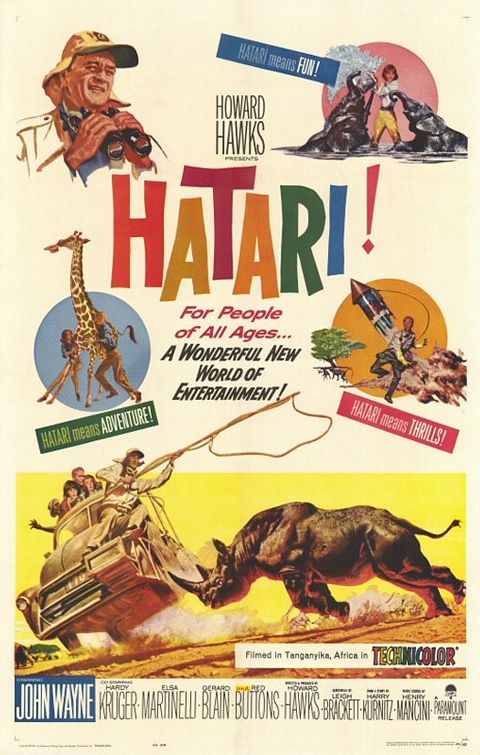
Hatari! (1962)

Hatari! is Swahili for "danger"?and also the word for action, adventure and broad comedy in this two-fisted Howard Hawks effort. John Wayne stars as the head of a daring Tanganyka-based group which captures wild animals on behalf of the world's zoos. Hardy Kruger, G?rard Blain and Red Buttons are members of Wayne's men-only contingent, all of whom are reduced to jello when the curvaceous Elsa Martinelli enters the scene. In tried and true Howard Hawks fashion, Martinelli quickly becomes "one of the guys," though Wayne apparently can't say two words to her without sparking an argument. The second half of this amazingly long (159 minute) film concerns the care and maintenance of a baby elephant; the barely credible finale is devoted to a comic pachyderm stampede down an urban African street, ending literally at the foot of Martinelli's bed. The other scene worth mentioning involves comedy-relief Red Buttons' efforts to create a fireworks-powered animal trap. Not to be taken seriously for a minute, Hatari is attractively packaged and neatly tied up with a danceable-pranceable theme song by Henry Mancini.
"Wayne means adventure!"
[first lines]
Sean Mercer: [over two-way radio] Kurt, can you hear me?
Kurt Muller: Go ahead, Sean.
Sean Mercer: At about eleven o'clock... right in the middle of that herd of wildebeest - see him?
Kurt Muller: Oh, that's a good one.
Sean Mercer: Let's go
Arusha National Park, Tanzania
Meru, Tanzania
Mount Meru, Tanzania
Serengeti National Park, Tanzania
Tanganjika National Park, Tanzania
Tanzania
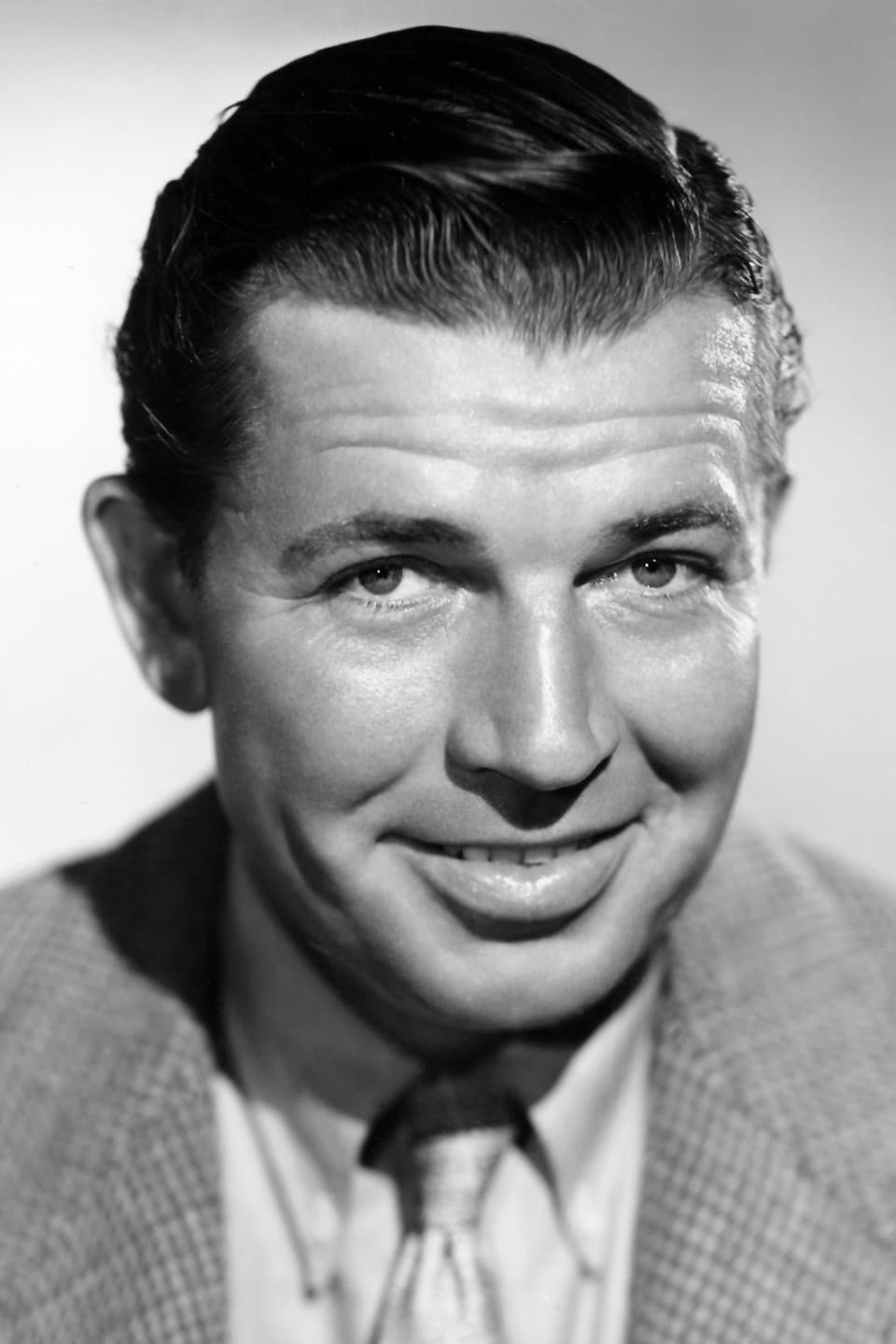
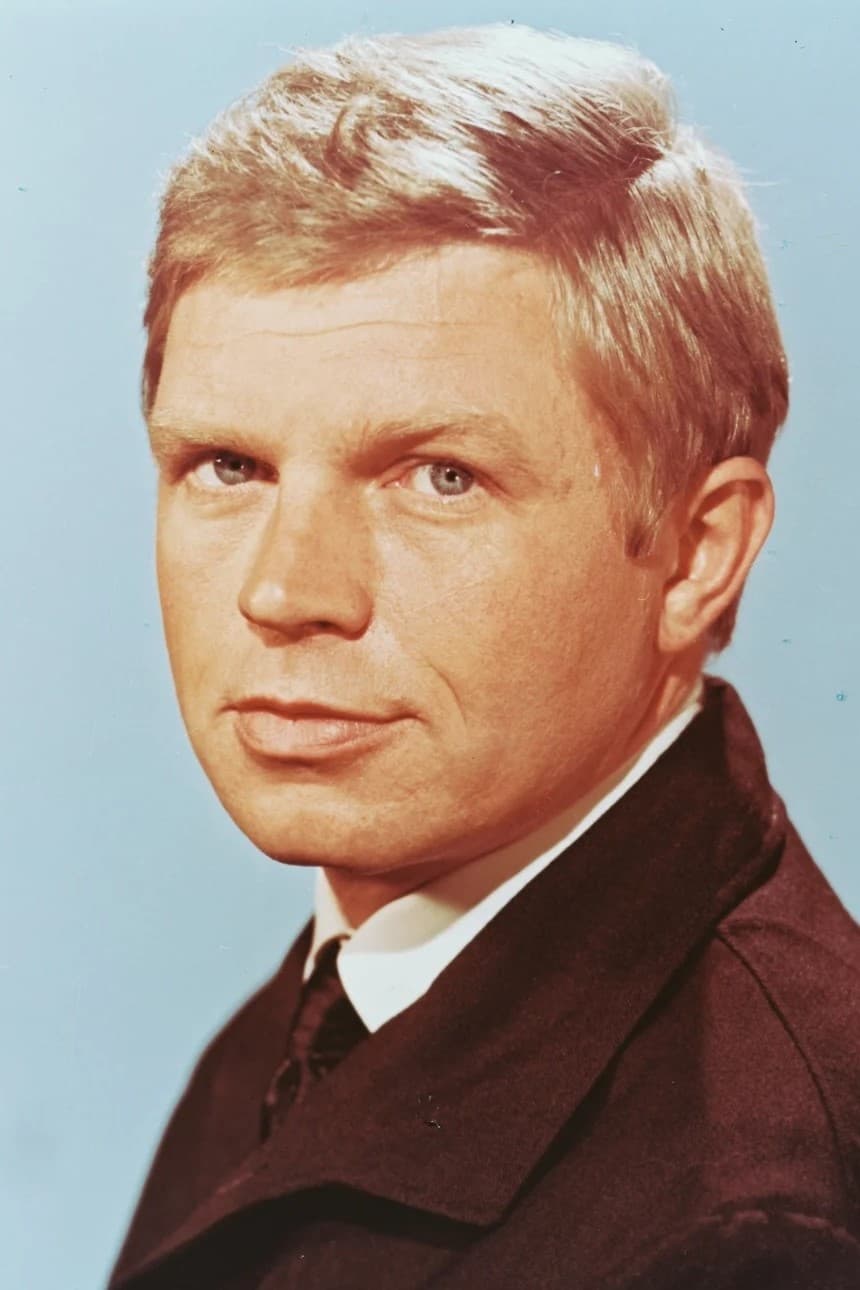
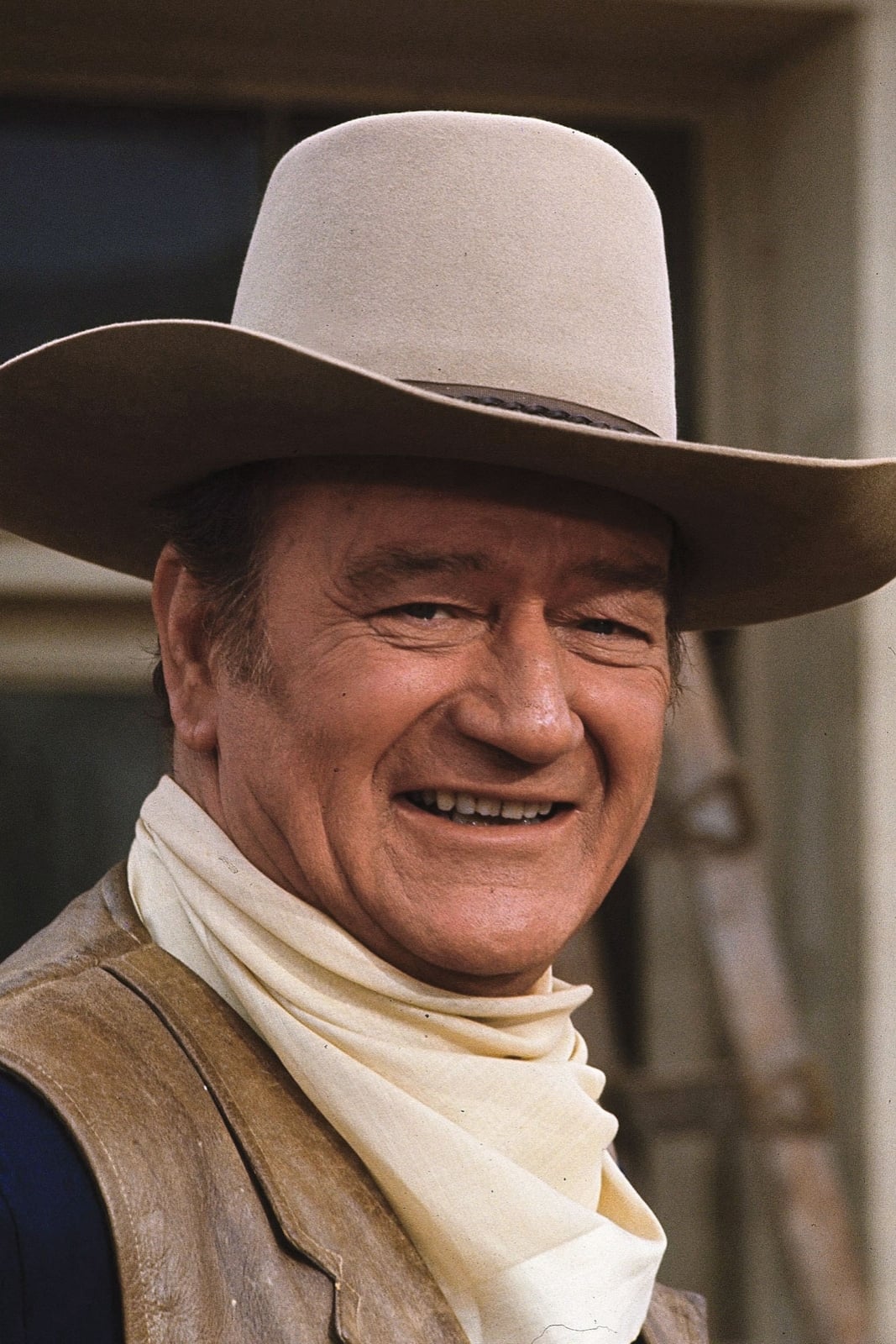
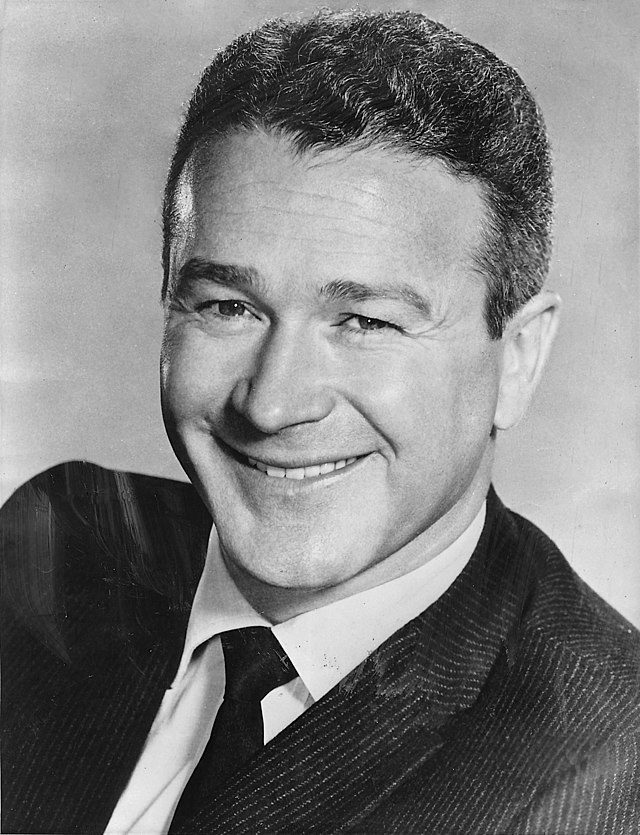
According to director Howard Hawks, all the animal captures in the picture were performed by the actual actors; no stuntmen or animal handlers were substituted onscreen. The rhino really did escape, and the actors really did have to recapture it-- and Hawks included the sequence for its realism.
Congo, the baby elephant in the filming, died in November 2000 at the Dubbo Zoo. He was the only male elephant in captivity in Australia at the time.
Hatari means "danger" in Swahili.
Composer Henry Mancini wrote a brief piece of incidental music to go with a scene where a baby elephant is taken for a walk. The simple little song became an international hit as "Baby Elephant Walk", and has been recorded by a large number of artists and in many different styles.
Much of the action sequence audio had to be re-dubbed due to John Wayne's cursing while wrestling with the animals.
Howard Hawks originally wanted to make the film with John Wayne and Clark Gable, but Paramount would not raise the budget to finance Gable.
In an interview for a shooting and hunting magazine, Wayne related that in the original cut he killed an elephant, shooting it with the .458 Winchester Magnum rifle he is seen carrying in the movie.
Jan Oelofse, the animal supervisor, captured and tamed all the animals in Africa; the elephants, leopard, the cheetahs, and flew with 40 animals aboard a DC6 across Africa, through South America to Hollywood to continue scenes shot in Hollywood.
It is often censored on TV because of the racist portrayal of the tribes people, homophobia, treatment of animals and excessive promotion of cigarettes.
Continuity
When Sean Mercer first catches Dallas with cold cream on her face, there is no cream on her chin; the scene cuts to Sean, and then when it cuts back to Dallas, she has cream covering her entire face, including her chin.
When "Mother Tembo" is bathing the elephant calves at the hose, she drench her pants, minutes later when the bath is over, her pants are dry.
The crew's trip to the hospital, during the main credits, traverses the same countryside hours apart. The Film Editor and the Technical Advisor's credits cover a late afternoon pan shot. Three images later, though the sun has set, Howard Hawk's credit is covering the identical landscape pan just shown.
Side shots of Dallas standing in a red shirt under a porch with two other people show them all in shadow, while the frontal shots are all in direct sunlight.
In the final rhino chase scene, the rhino's horn changes length several times.
Factual errors
When the doctor needs a blood donor for Little Wolf near the beginning of the film, he states that it will be difficult to find suitable blood because the type is AB-. In fact though the type itself is rare, an AB- recipient can accept blood from any Rh- donor: A-/B-/o- are all ok, and type-specific AB- blood isn't required. Rh- blood is less common than Rh+, but not that rare (particularly o-, the universal donor).
It is impossible to sing into a two-way radio and hear the other party at the same time.
The group is returning from the hospital in the two vehicles; all the characters are singing on the radio with each other. This cannot be done over this type of radio. Only one vehicle can talk over the radio at one time.
Luis tells Dallas that they had to release a giraffe because its neck was too long to go through a railway tunnel. There is no such tunnel in that region. Besides, they would have taken the animals to the port of Dar es Salaam in Tanganyika, not to Mombasa, Kenya.
The doctor mentions that the Indian has a rare blood type, he's correct. However, someone with an AB-negative type can receive blood from anyone who has an Rh negative type, not just AB-negative.
Revealing mistakes
After the rocket has dragged the net over the monkey tree, the tree is cut down. When it falls over it is clear that all the monkeys on its branches are dummies, as they're not moving. Branches that previously were horizontal and had monkeys standing on them upright are becoming vertical, with the monkey dummies still glued into place upright.
Miscellaneous
The aforementioned missing left windshield of the catching truck, when in place, is also hinged along the top. Sometimes, from the passenger side of the vehicle you can see the hinge and a visible gap between the windshield and the cab frame. In addition, the windshield cracks partway open at the film's beginning. Racing across the uneven terrain of the Ngorongoro Crater, the catching truck goes hurtling over a ridge, and as it slams down, the left panel windshield comes ajar.
The Swahili spoken in this film is extremely poor. There is also little regard for accents. The Africans in the interior scenes, which were filmed in California, all speak in American accents. While it may be surprising, there weren't many Swahili-speaking African actors in California in 1961.
Even though the cast is handling roped wild animals, they do not wear gloves.
After the jeep is rolled and uprighted, the chassis is quite obviously bent, but it is described as being okay. In later scenes, the chassis in perfectly straight.
Although the lodge's windows are open, permitting access by mosquitoes, Dallas leaves the mosquito net up.
Audio/visual unsynchronized
During one of the animal chase scenes, the truck makes screeching sounds as it turns, though it is not on a paved road.
Several of the animals (especially the rhino) make sounds that they don't make in the wild.
When the little elephant chases Dallas through the grocery store he knocks over two pyramids of canned food. From the sound the cans make and the way they bounce it is obvious that they are empty.
Errors in geography
As the crow flies, the distance between Sean's base and Arusha is sixteen miles. This would be too much of a distance for a pair of baby elephants to run.
Plot holes
Dallas makes no further attempt to finish dressing herself after her distraction causes Pockets to crash the vehicle.
Character error
Dallas is trying to feed milk to the baby elephant. The elephant tries to drink with his trunk, but she keeps the bucket out of his reach. If the staff had any experience with elephants, they would have known this.
Pockets, who should be conversant in basic Swahili says, "Jumbo" to the African cook. The cook, who should have a total mastery of Swahili, says "Jumbo" in return (and with an American accent). "Jumbo", was the name of an elephant in the London Zoo in the 19th century. Once purchased by P.T. Barnum and brought to America, the name became slang for "large". The correct greeting is "Jambo" ("Hello").
Dallas is supposed to be a professional photographer but she holds the camera by the left and right sides. The proper way is to hold it with your left hand with the index finger on the shutter release and to rest it on the left palm while using the left fingers to adjust the focus.
John Wayne does not know how to pronounce the name "Mombasa". The "a"s are soft.
Several times before heading out, Pockets uses the word "bwana" ("boss"). He mispronounces it as ba-wa-na. He should be quite familiar with basic Swahili.