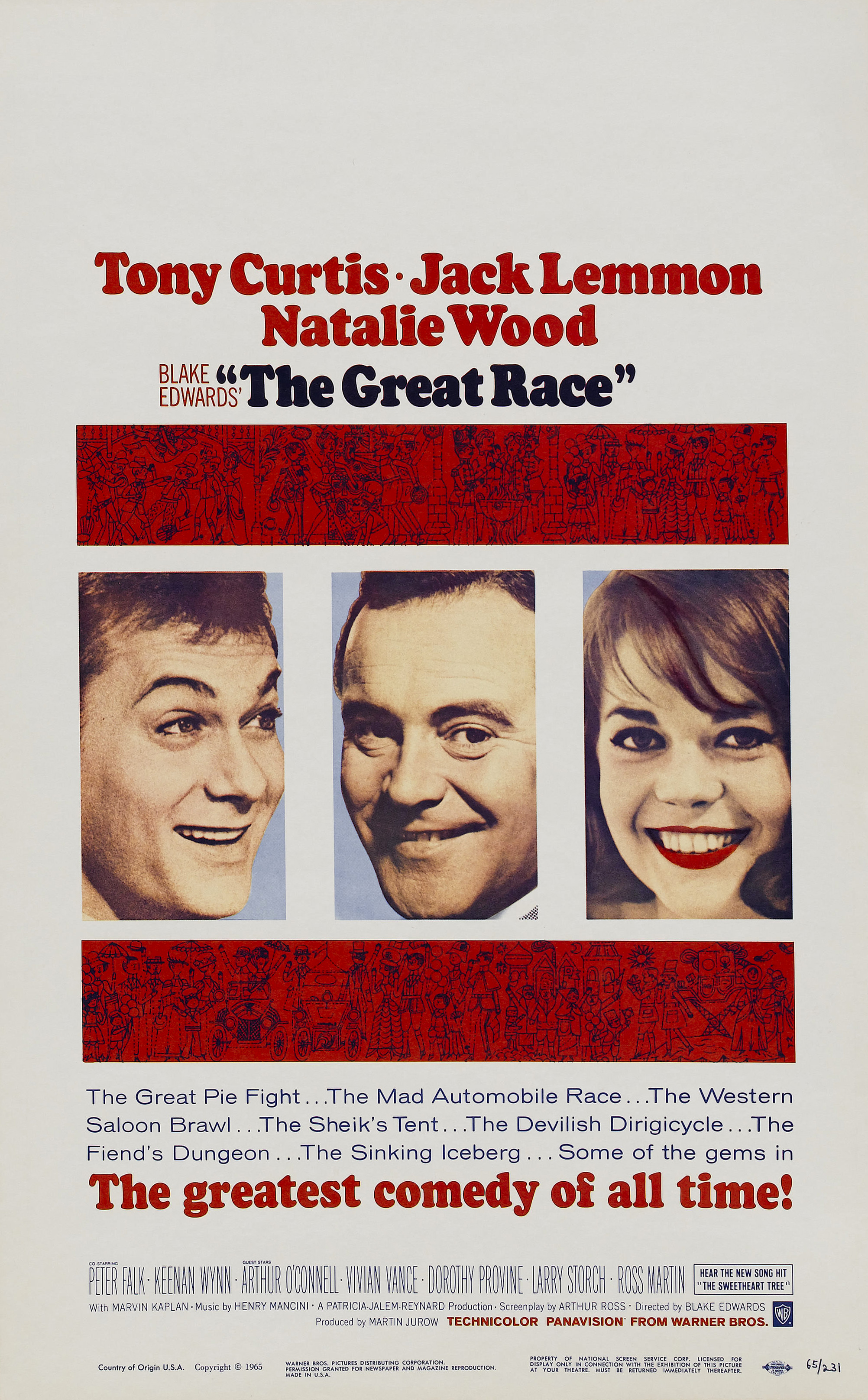
The Great Race (1965)

Professional daredevil and white-suited hero, The Great Leslie, convinces turn-of-the-century auto makers that a race from New York to Paris (westward across America, the Bering Straight and Russia) will help to promote automobile sales. Leslie's arch-rival, the mustached and black-attired Professor Fate vows to beat Leslie to the finish line in a car of Fate's own invention.
The movie with 20,000-mile or one-million-laughs guarantee!
The Baron: As a very wise English gentleman once said, "He who fights and runs away may live to fight another day." So, until another day, Mr. Leslie. Please excuse me, I have a boat waiting.
[leaps through a window and dives... and crashes into his boat]
Anif Palace, Anif, Salzburg, Austria
(Baron von Stuppe's castle)
Big Bear Lake, Big Bear Valley, San Bernardino National Forest, California, USA
Lake Arrowhead, San Bernardino National Forest, California, USA
Salzburg Cathedral, Salzburg, Austria
Train Station, Backlot, Universal Studios - 100 Universal City Plaza, Universal City, California, USA
(train scenes)

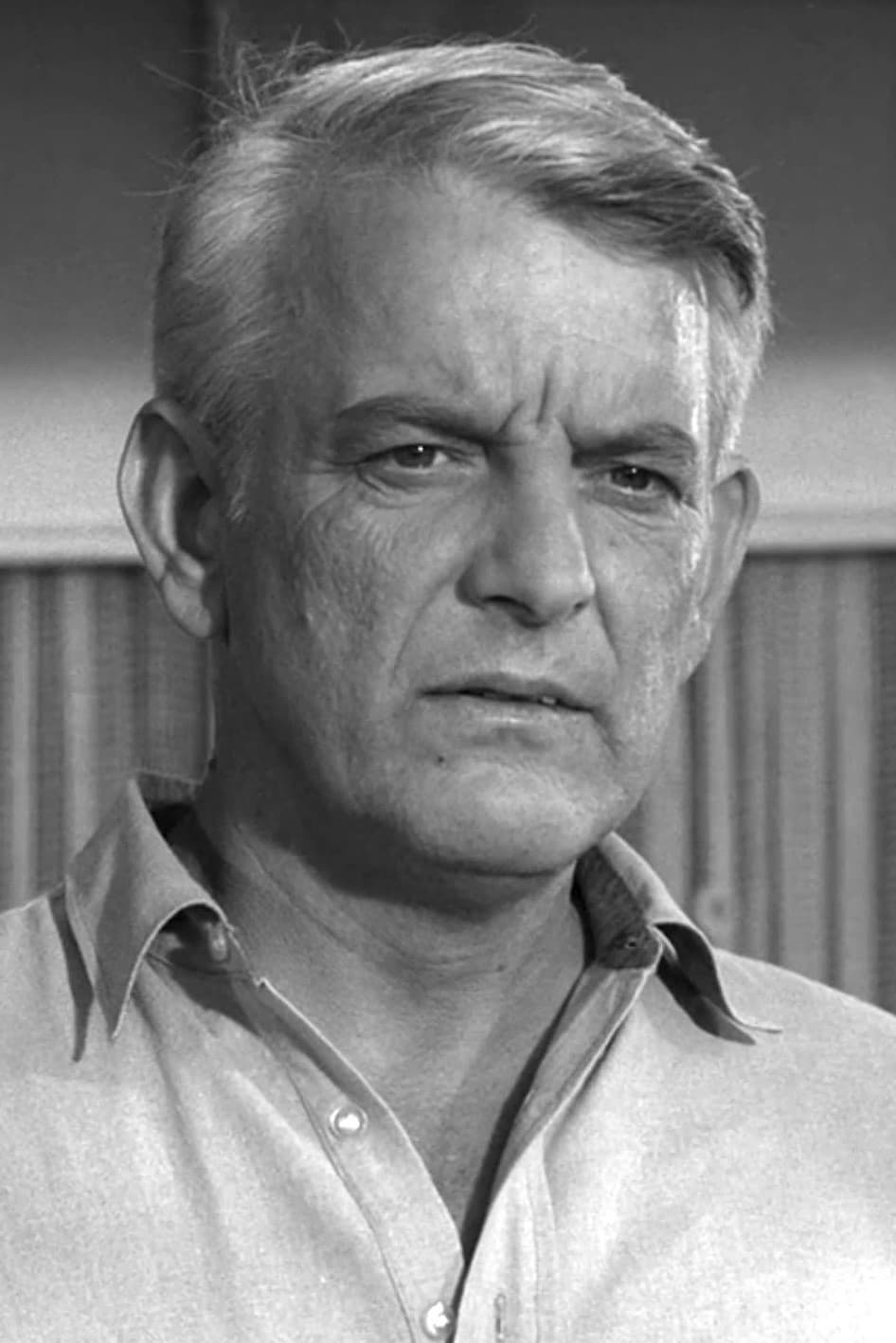
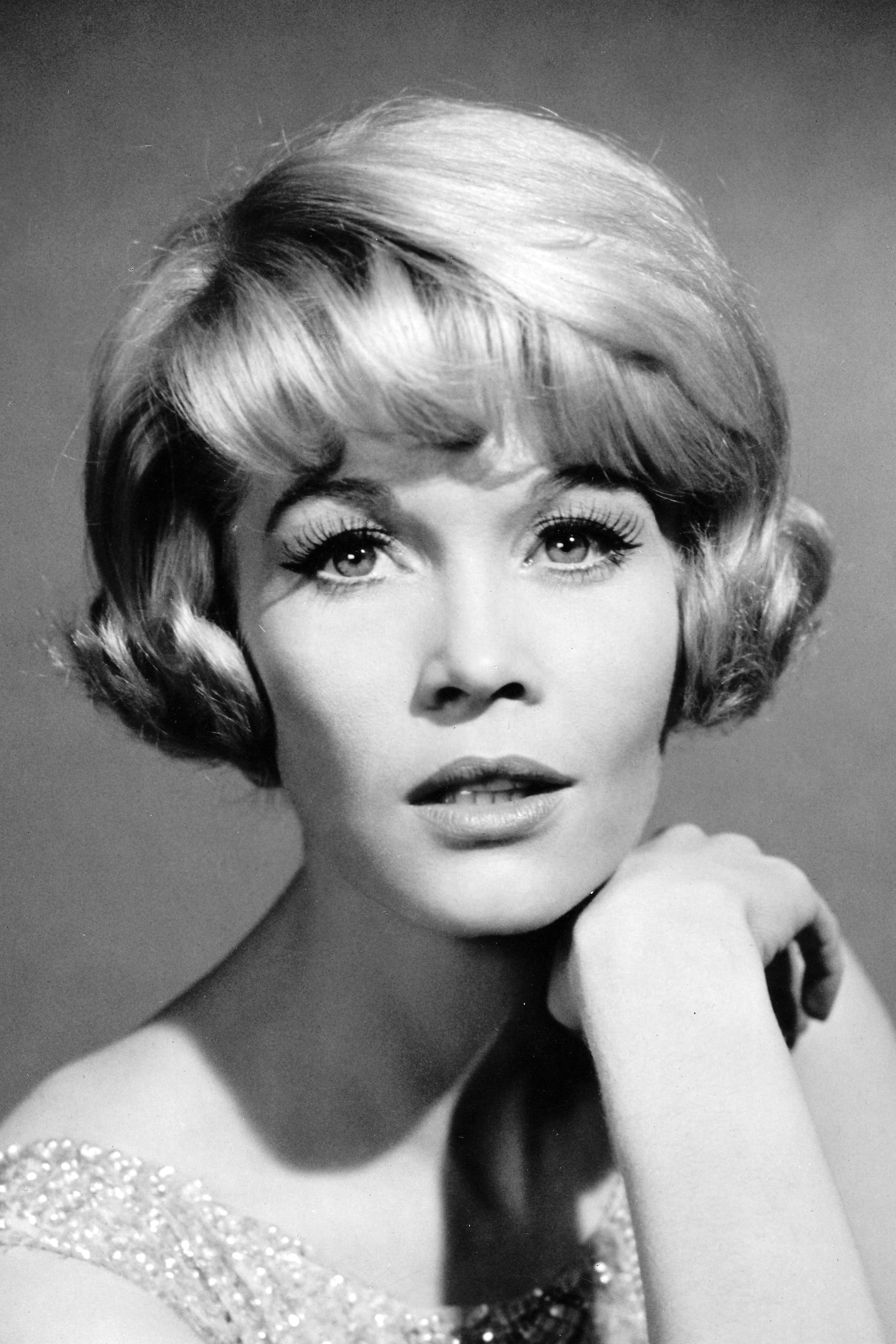
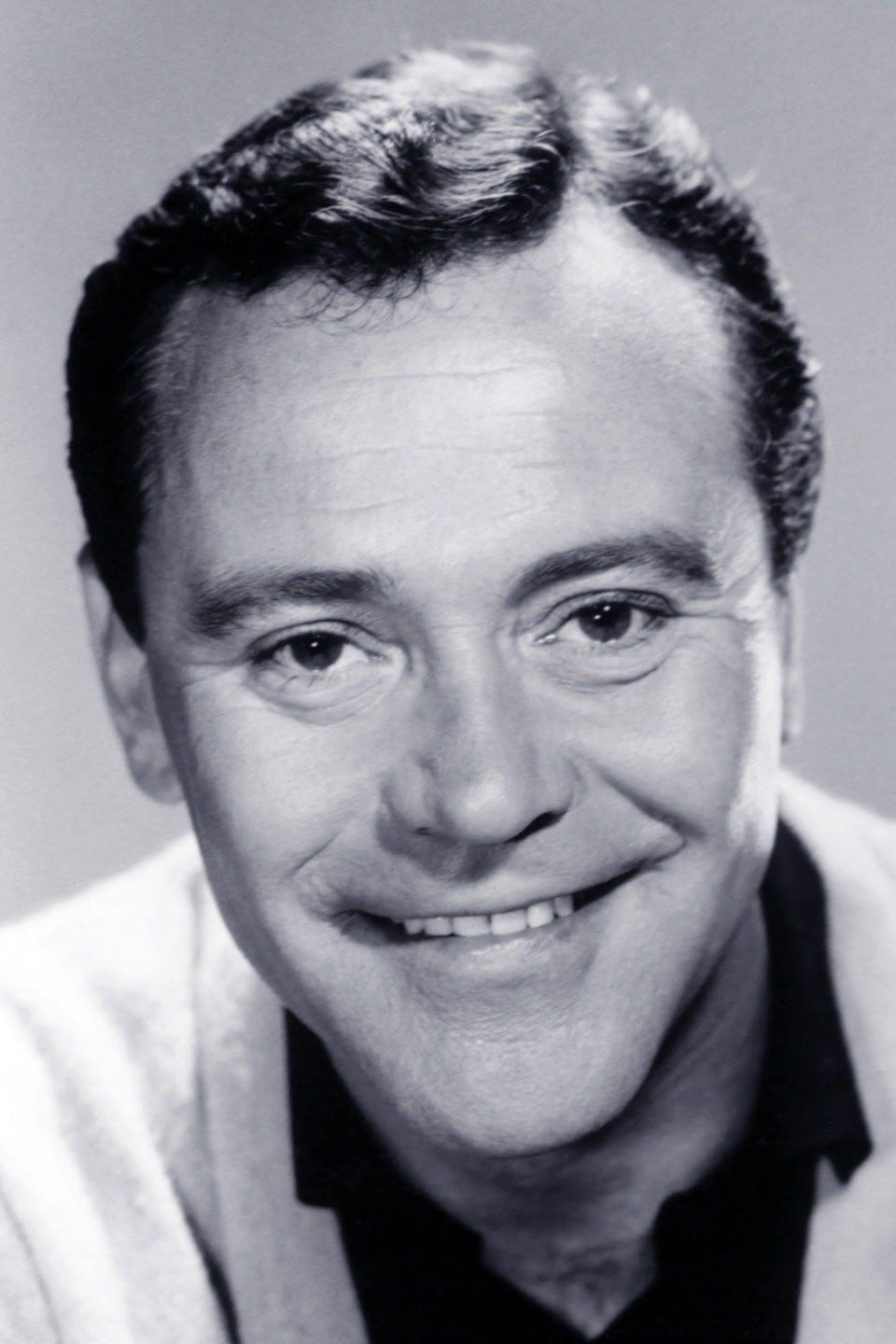
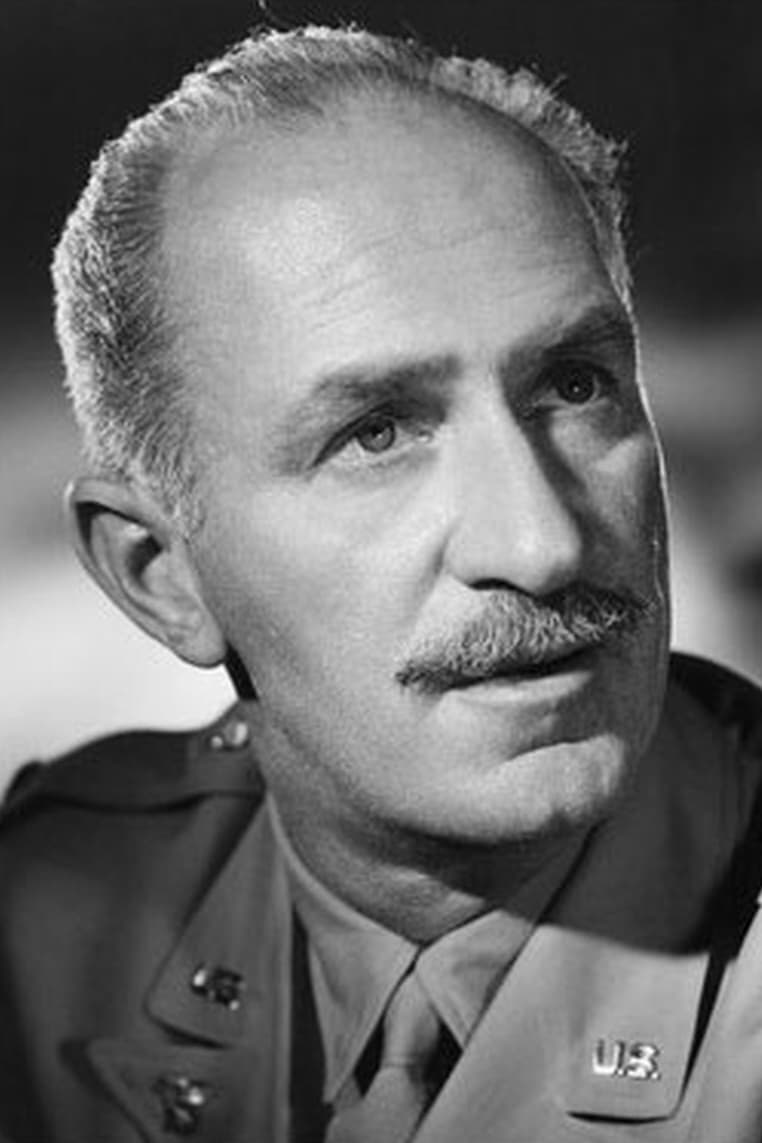
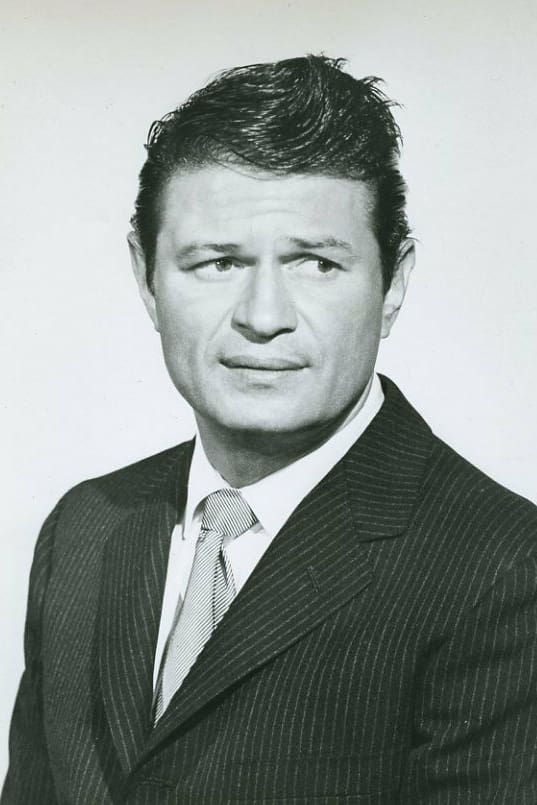
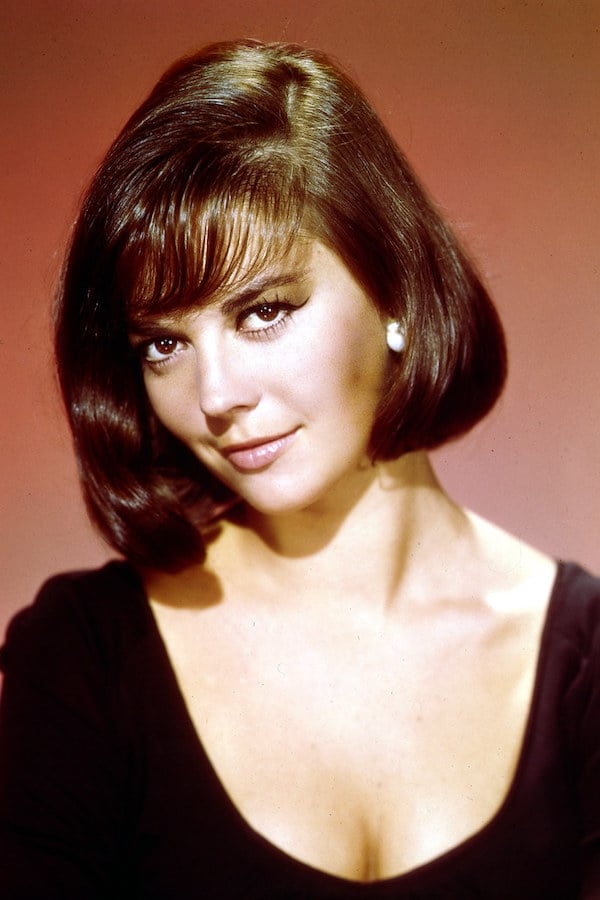
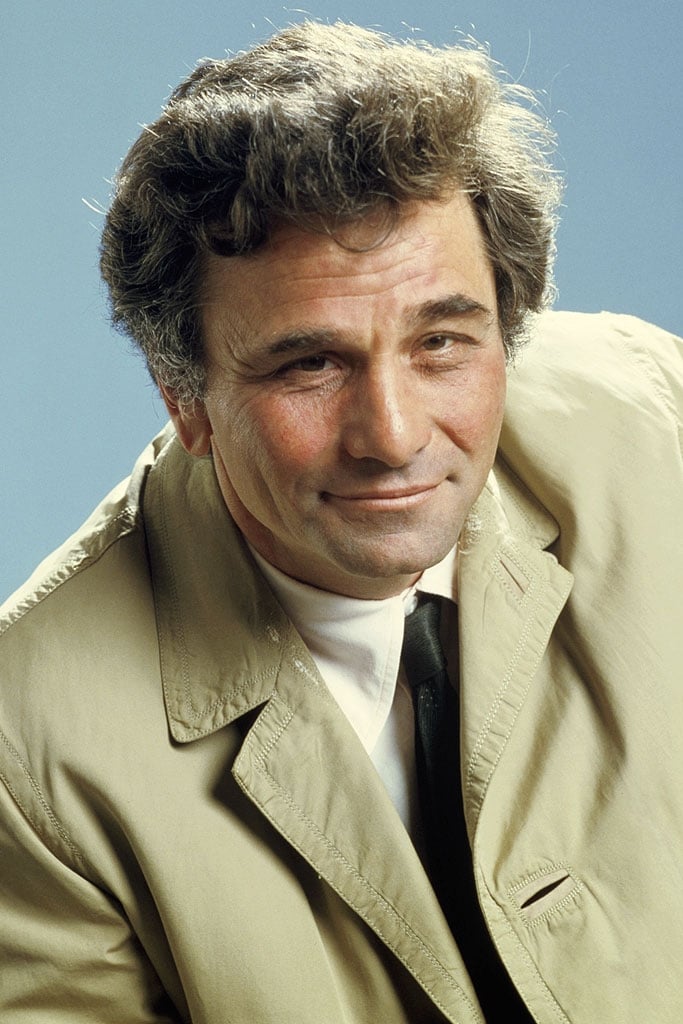
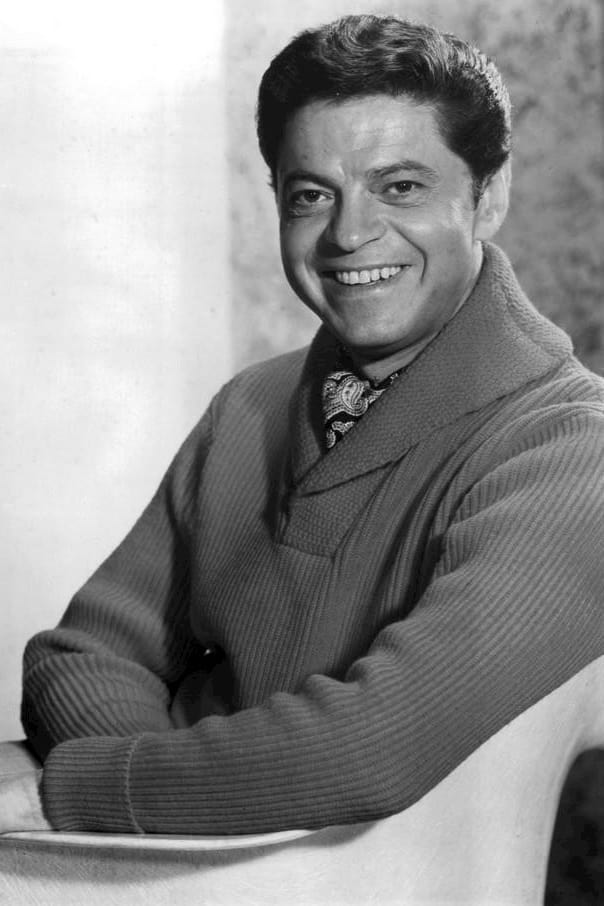
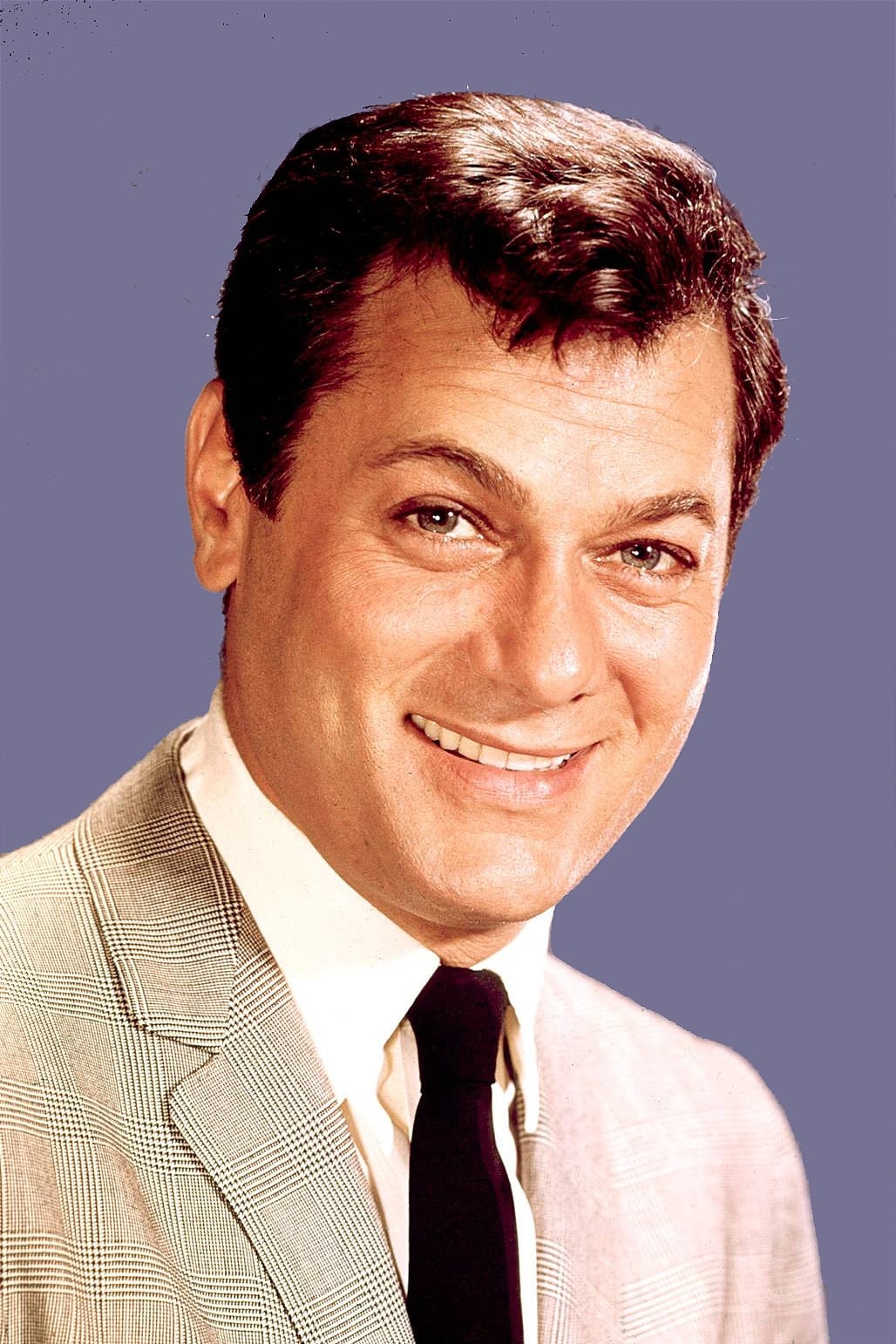
The pie fight scene lasts four minutes and was shot in five days. It is the longest pie fight sequence in movie history. At first, the cast had fun filming the pie fight scene, but eventually the process grew wearisome and dangerous. Natalie Wood choked briefly on a pie which hit her open mouth. Jack Lemmon got knocked out a few times: "a pie hitting you in the face feels like a ton of cement". At the end of shooting the fight, when Blake Edwards called "Cut!" he was barraged with several hundred pies that members of the cast had hidden, waiting for that moment.
This film was the inspiration for the Saturday morning cartoon show Wacky Races (1968): Dick Dastardly and his sidekick Muttley were based on Professor Fate and Max, Penelope Pitstop was based on Maggie DuBois and Peter Perfect was based on Leslie.
Jack L. Warner asked Tony Curtis if he would give a percentage of his film royalties to Natalie Wood as an inducement, but Curtis refused. He said, "I couldn't give her anything to make her want to do the movie." In the two films Wood and Curtis worked on previously, they developed an acrimonious relationship.
Chris Lemmon, son of actor Jack Lemmon (Professor Fate), said in an interview on KMOX-Radio in St. Louis that he considers Lemmon's role in this film to be his father's finest. Jack Lemmon himself has said he got more mail about Fate than about any other character he played.
In the film's press kit, Natalie Wood divulges that she took fencing lessons, sidesaddle lessons and practiced smoking cigars, but her biggest challenge was driving the Stanley Steamer. The steering was difficult ("like turning a tractor, I suspect", she says) and going into reverse was nearly impossible.
Continuity
When Leslie is putting on the parachute in the hot air balloon, there's a shot of the crowd below in which the spectators are clearly visible, not much more than a hundred feet below. But when he jumps, the pullback shot is much higher, possibly thousands of feet. The balloon was supposed to be losing altitude due to the hole from Professor Fate's arrow. Additionally, the first shot is likely not high enough for a parachute to work.
When Professor Fate is fleeing from the "Indians" he turns on the smoke screen. In long shots the smoke can clearly be seen filling the car's interior. In close-up the car is smoke free.
During Lily Olay's musical number, the amount of foam in Professor Fate's beer changes radically when she blows it in his face.
When the Leslie Special car is being pushed out of the garage its on red carpet immediately in front of the garage. When viewed from above the red carpet is now just surrounding the car. There's no red carpet in front of the garage's opening.
At the end of the pie-throwing scene (done on an interior set), Natalie Wood is thoroughly covered with pie filling, topping, and crust. When she is seen entering the car (an exterior shot), though this ostensibly takes place just moments after the end of the pie fight, she is now only picturesquely dabbed with pie debris.
Factual errors
Maggie Dubois sends photo negatives to the newspaper by using homing pigeons. The negatives from the camera she is using would be too heavy for a pigeon to carry. Also, since there is no protective covering, the negative would have been ruined long before reaching its destination.
Dr. Fate's submarine would not operate under water using a paddle wheel as shown. The submarine would stay in one place.
When Leslie reaches the Eiffel Tower, there's a banner with the word "FINIS" on it. In correct French, one should have been "ARRIVEE". "Finis" is more or less an accurate translation of "ended" or "Finish". The french counterparts for START/FINISH are indeed DEPART/ARRIVEE.
Leslie's comment about being warmed by alcohol is in error; an error that is often presented in film and on TV. This can be very dangerous if viewers were to try this. As alcohol is a depressant, it lowers the body temperature, which seems to make one feel warmer. In actual freezing conditions, drinking alcohol would increase one's risk of hypothermia and death.
The sabers Baron von Stuppe and Leslie fight with have the sort of blades used in sport competitions. Sabers used in actual combat have much wider and heavier blades.
Incorrectly regarded as goofs
In the final sprint to Paris, Maggie DuBois's costume changes. Since her costume changes at a phenomenal rate throughout the film, this was probably intentional.
When Leslie drives on the beach his tires are heard to screech when he brakes. Tires will only screech on pavement, never on sand or dirt. This was possibly intentional, as the film is a spoof. But movie sound technicians often get this wrong as tires don't screech on sand or other soft surfaces.
A left-handed musician playing a guitar (or similar instrument) upside down without restringing it is not an error. Many left-handed musicians do this.
Leslie agrees to take Maggie Dubois to Grommet if she sends a homing pigeon ahead of them with a message to send for gasoline. But since homing pigeons are bred to return to the place they nested from, it would be impossible to get one of hers to fly to Grommet. However, the pigeon isn't supposed to fly to Grommet at all; the idea is that it flies back to the newspaper office and a telegram can be sent from there.
Revealing mistakes
Professor Fate's car, the Hannibal Twin 8, has the ability to elevate the chassis above the ground. However, whenever this function is used, both the engine and drive train of the vehicle also rise, leaving the wheels on the ground with no method of propulsion nor steering. So the car is driving around on wheels apparently not powered by anything. Note that while the car is being driven around the castle courtyard, small boxes are visible next to the rear wheels: these are almost certainly batteries for an electric motor. And in this example, with there being no ability to steer, the wheels were almost certainly fixed to drive in a circle.
The guide wire is visible on the missile following Professor Fate's car.
When Frisbee loses his footing when retrieving the pigeon at the newspaper office, his right leg "disappears" as he hangs from the ledge. This is due to his leg swinging into the matte shot that was created to "place" him into the shot to complete the building's appearance - the initial setup was done on a soundstage.
During the hot air balloon scene, wires on the balloon are clearly seen.
When Fate first reveals the Hannibal Twin 8 to Max, the camera pulls back to a wide shot. To change from the dramatic lighting of the close up, you can see many more off-camera lights being switched on to light up the entire garage for the reveal of the car.
Anachronisms
The large American flag hanging outside a window (with the French flag) near the beginning of the race has 48 stars. In 1908, when this movie supposedly takes place, there were only 46 states (New Mexico and Arizona were admitted in 1912, and Alaska and Hawaii were admitted in 1959). Many flags (perhaps all, it's hard to tell) being waved by the crowd have 46 stars.
Set in 1908, TV antennae visible on the Eiffel Tower.
When Professor Fate is lifted by an airplane flown by Max, the plane resembles a Curtiss Headless Pusher. This plane was not designed and built until 1912, four years after the year in which this movie was set. In July of 1908 Glenn Curtiss flew his June Bug design, which was the first public exhibition of flight in the US (the Wright Brothers had not yet flown publicly). The 1908 June Bug and the 1912 Headless Pusher bear little resemblance to each other. In reality, the June Bug was not as nimble and stable as the Pusher, so it is understandable why the 1912 design was used in the movie.
The Great Leslie exits the balloon using a knapsack parachute. This was not invented until 1911 three years after the year in which the movie is set.
In the scene on the beach in the tent when Leslie and Maggie DuBois drink champagne, Leslie puts on a phonograph record of "The Desert Song." The film is set in about 1908; "The Desert Song" did not premiere until 1926.
Audio/visual unsynchronized
In the saloon scenes several gunshots have no accompanying sound effect.
Crew or equipment visible
During the pie fight (particularly at the start), the sound of a 35mm still camera's motor drive can be heard.
Character error
As the Baron prepares to jump out the window after the sword-fight with Leslie, he attributes his parting quip to "a famous English gentleman" that starts out "He who fights and runs away . . . ". That passage, however, is from a poem by Oliver Goldsmith, a doctor from Ireland.
Baron Von Stuppe is known, according to Prince Hoepnick, for his swordsmanship. It is odd that he would not be aware that Leslie had won the "International Men's Fencing Championship" when he asks Leslie if he know how to use a foil.