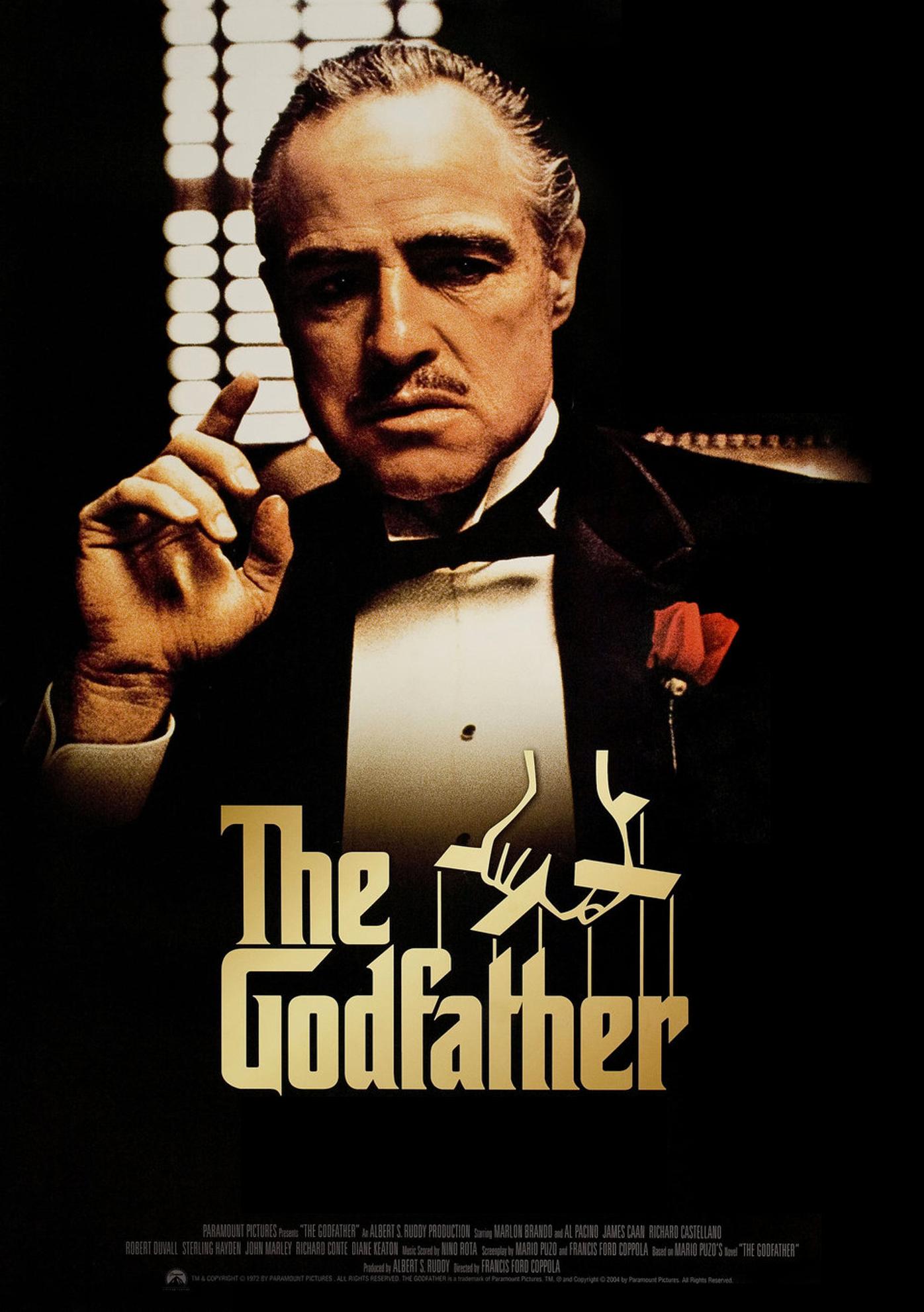
The Godfather (1972)

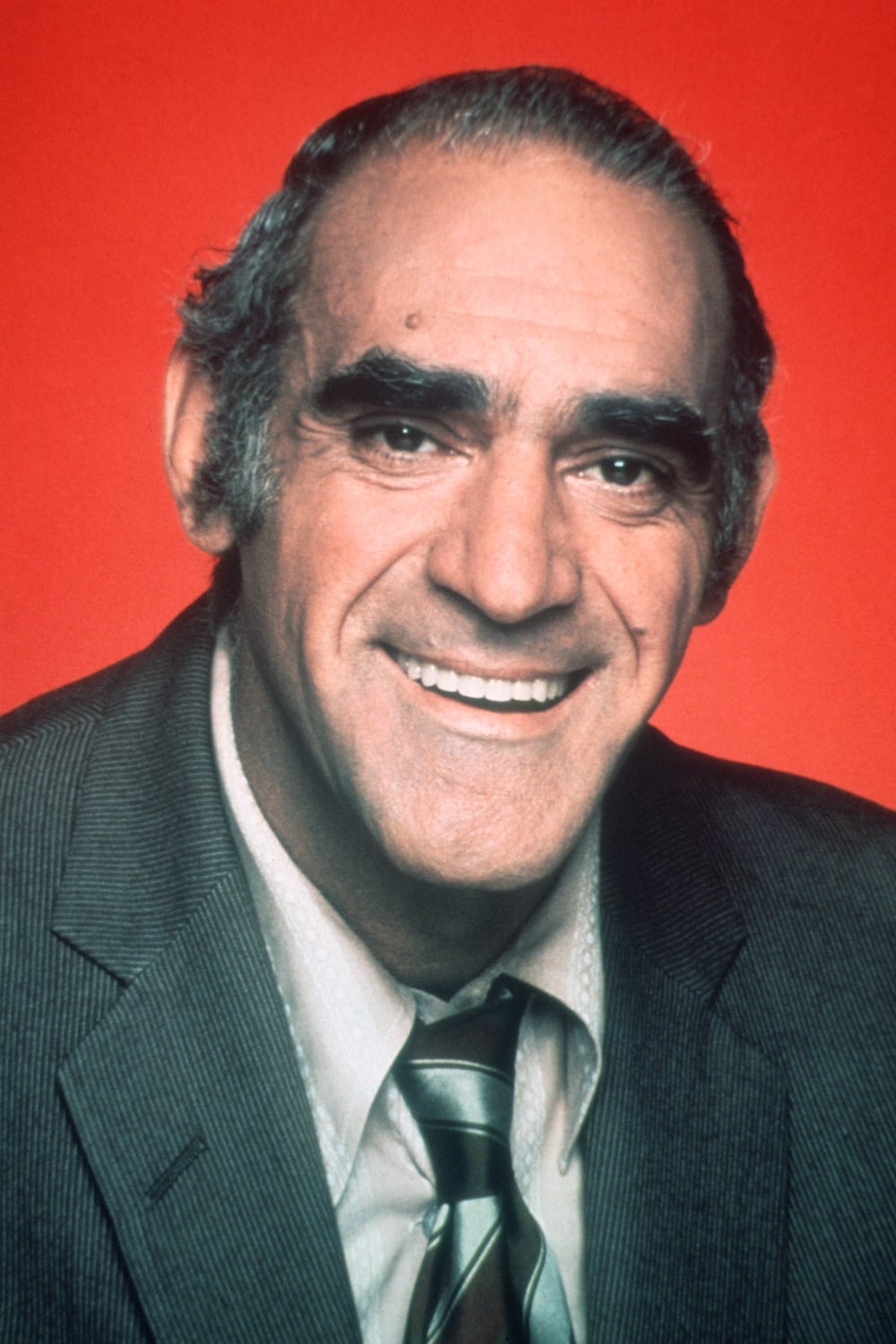
Popularly viewed as one of the best American films ever made, the multi-generational crime saga The Godfather is a touchstone of cinema: one of the most widely imitated, quoted, and lampooned movies of all time. Marlon Brando and Al Pacino star as Vito Corleone and his youngest son, Michael, respectively. It is the late 1940s in New York and Corleone is, in the parlance of organized crime, a "godfather" or "don," the head of a Mafia family. Michael, a free thinker who defied his father by enlisting in the Marines to fight in World War II, has returned a captain and a war hero. Having long ago rejected the family business, Michael shows up at the wedding of his sister, Connie (Talia Shire), with his non-Italian girlfriend, Kay (Diane Keaton), who learns for the first time about the family "business." A few months later at Christmas time, the don barely survives being shot by gunmen in the employ of a drug-trafficking rival whose request for aid from the Corleones' political connections was rejected. After saving his father from a second assassination attempt, Michael persuades his hotheaded eldest brother, Sonny (James Caan), and family advisors Tom Hagen (Robert Duvall) and Sal Tessio (Abe Vigoda) that he should be the one to exact revenge on the men responsible.*After murdering a corrupt police captain and the drug trafficker, Michael hides out in Sicily while a gang war erupts at home. Falling in love with a local girl, Michael marries her, but she is later slain by Corleone enemies in an attempt on Michael's life. Sonny is also butchered, having been betrayed by Connie's husband. As Michael returns home and convinces Kay to marry him, his father recovers and makes peace with his rivals, realizing that another powerful don was pulling the strings behind the narcotics endeavor that began the gang warfare. Once Michael has been groomed as the new don, he leads the family to a new era of prosperity, then launches a campaign of murderous revenge against those who once tried to wipe out the Corleones, consolidating his family's power and completing his own moral downfall. Nominated for 11 Academy Awards and winning for Best Picture, Best Actor (Marlon Brando), and Best Adapted Screenplay, The Godfather was followed by a pair of sequels.
Michael: [speaking to Carlo] Only don't tell me you're innocent. Because it insults my intelligence and makes me very angry.
110 Longfellow Road, Staten Island, New York City, New York, USA
3531 White Plains Road, Bronx, New York City, New York, USA
(Italian restaurant)
59th Street Bridge, Manhattan, New York City, New York, USA
5th Avenue, Manhattan, New York City, New York, USA
(Best & Co. Store)
Bellevue Hospital - 550 First Avenue, Manhattan, New York City, New York, USA
Beverly House - N. Beverly Drive, Beverly Hills, California, USA
(Woltz's mansion)
Calvary Cemetery, Woodside, Queens, New York City, New York, USA
Edison Hotel - 228 West 47th Street, Manhattan, New York City, New York, USA
Federal Reserve Bank - 33 Liberty Street, Financial District, Manhattan, New York City, New York, USA
Fieldstone Mansion, Riverdale, Bronx, New York City, New York, USA
(Corleone estate)
First United Methodist Church - 6817 Franklin Avenue, Hollywood, Los Angeles, California, USA
Forza d'Agr?, Messina, Sicily, Italy
Hollywood, Los Angeles, California, USA
Jack Dempsey's Restaurant - Broadway & 49th Street, Manhattan, New York City, New York, USA
Jersey City, New Jersey, USA
Las Vegas, Nevada, USA
Little Italy, Manhattan, New York City, New York, USA
Long Beach, Long Island, New York, USA
Mitchell Field, Garden City, Long Island, New York, USA
(Tollbooth scene)
Mott Street, Manhattan, New York City, New York, USA
New York County Courthouse - 60 Centre Street, New York City, New York, USA
Queens, New York City, New York, USA
Queensboro Bridge, Manhattan, New York City, New York, USA
Radio City Music Hall - 1260 6th Avenue, Rockefeller Center, Manhattan, New York City, New York, USA
Riverdale, Bronx, New York City, New York, USA
Ross, California, USA
(Kay Adams' school.)
Sands Point, Long Island, New York, USA
Savoca, Sicily, Italy
(bar sequence)
St Regis Hotel, Manhattan, New York City, New York, USA
Staten Island, New York City, New York, USA
Woodside, Queens, New York City, New York, USA
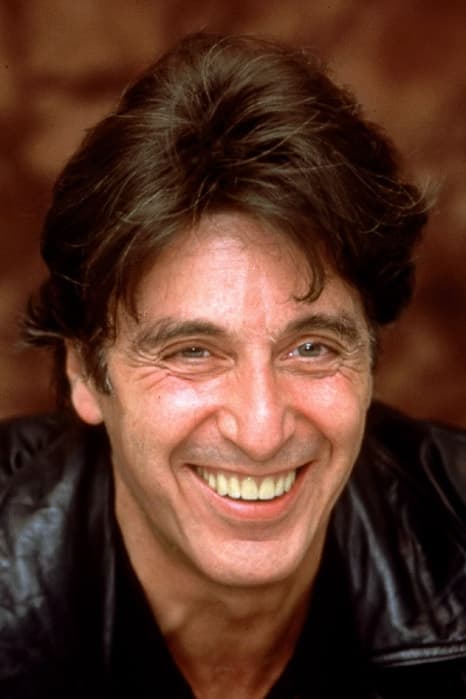
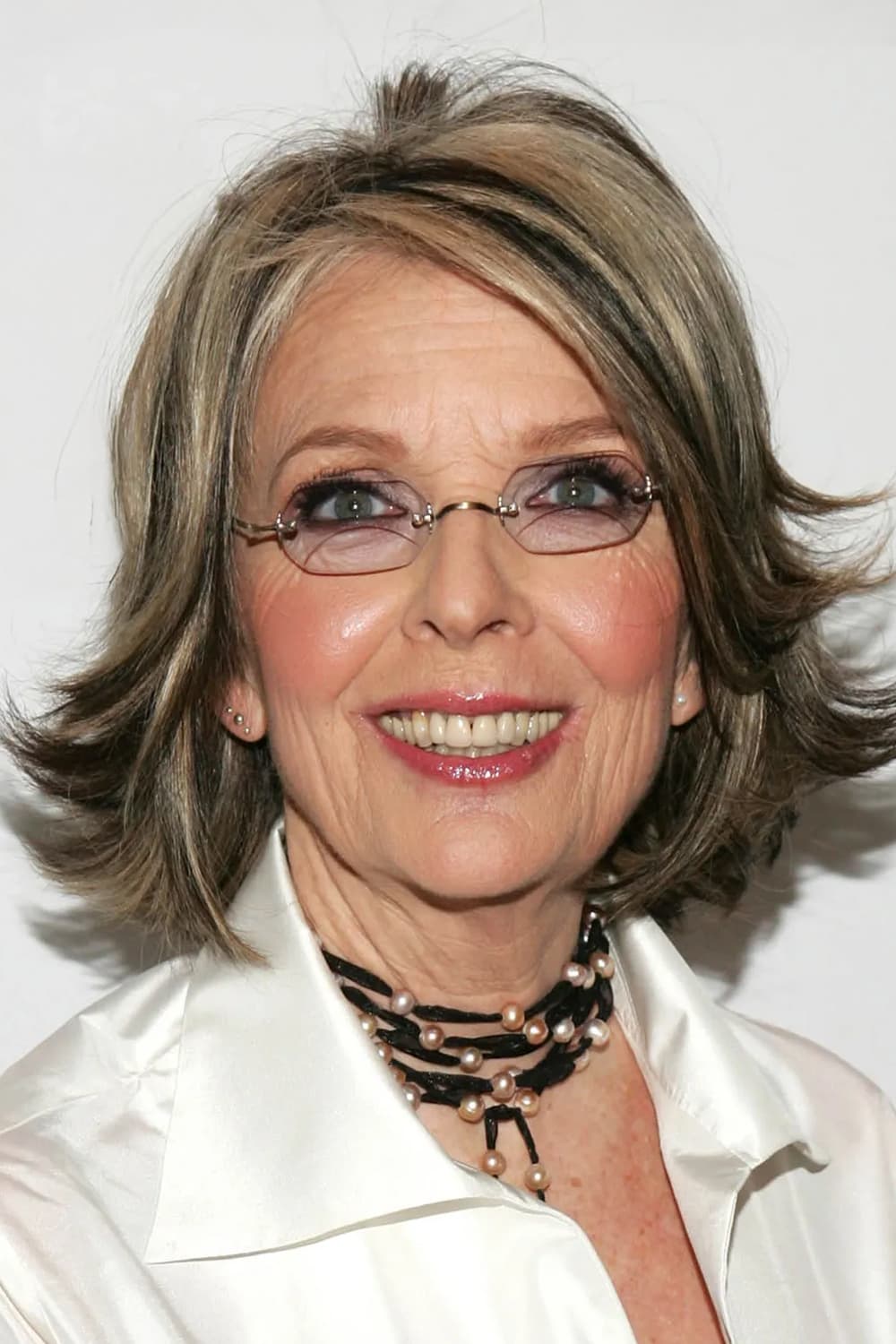
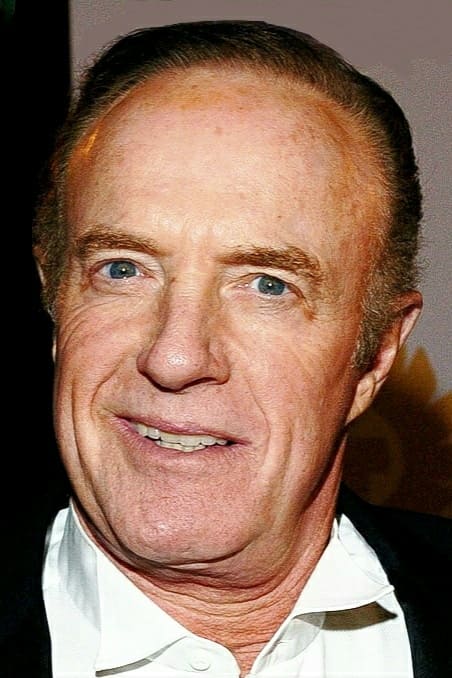
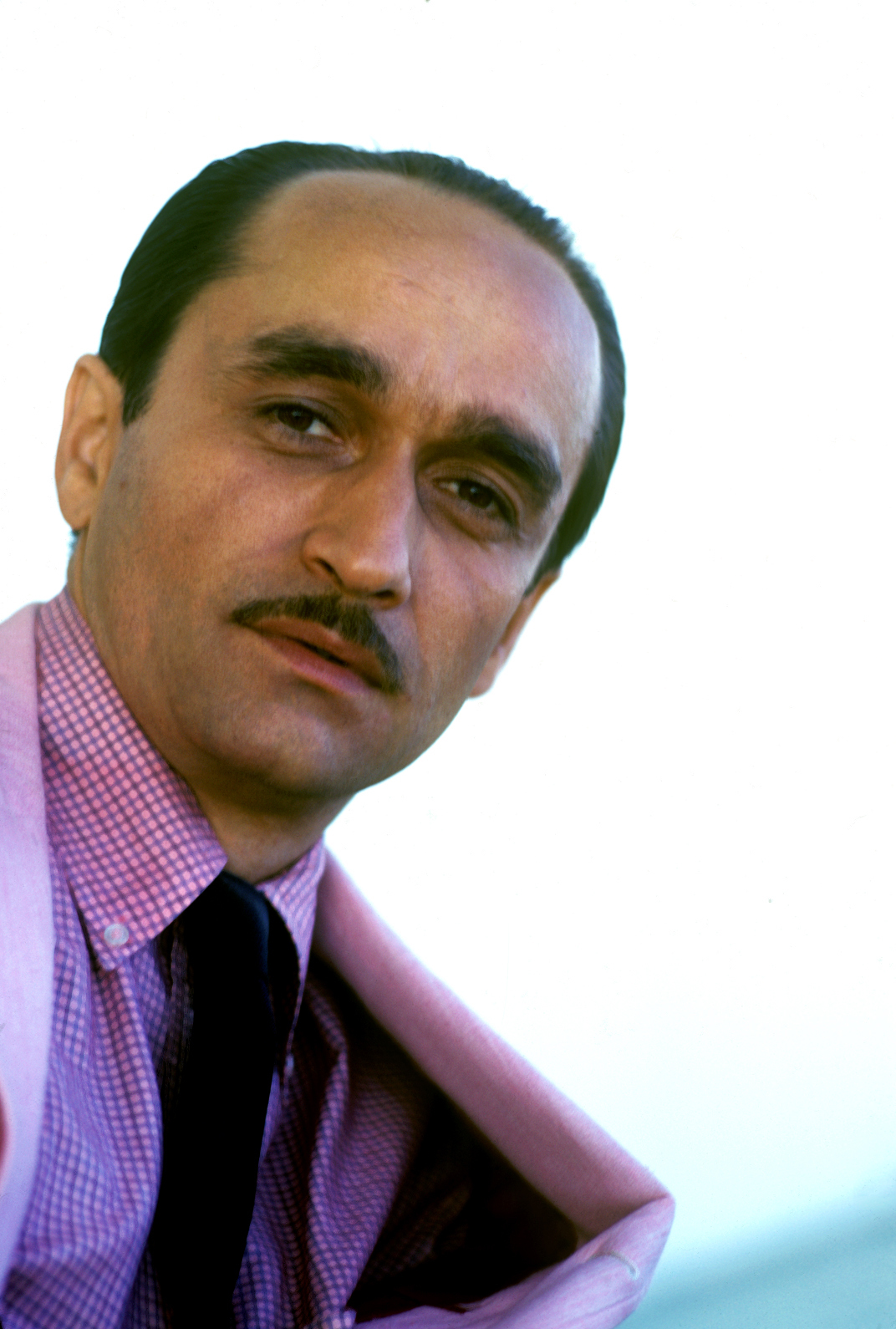
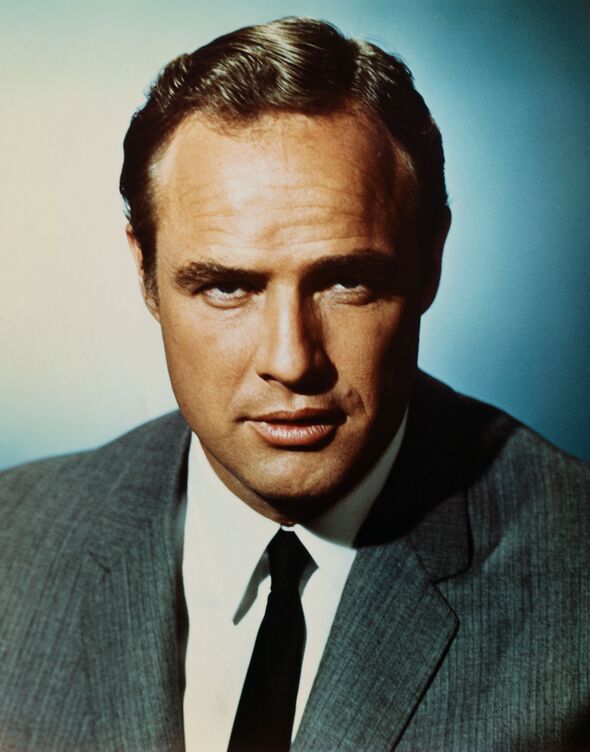
Ernest Borgnine, Edward G. Robinson, Orson Welles, and George C. Scott were considered by Paramount Pictures for the role of Vito Corleone. Burt Lancaster wanted the role but was never considered. When Paramount considered casting Italian producer Carlo Ponti, director Francis Ford Coppola objected, as Vito was Italian-American and more a New Yorker than Italian, and thus wouldn't speak with Ponti's Italian accent. When asked his opinion by the Paramount brass, Coppola said he wanted to cast either Laurence Olivier or Marlon Brando as the Don. In a September/October 2003 "Cigar Aficionado" magazine cover story, Coppola said, "I wanted either an Italian-American or an actor who's so great that he can portray an Italian-American. So, they said, 'Who do you suggest?' I said, 'Lookit, I don't know, but who are the two greatest actors in the world? Laurence Olivier and Marlon Brando. Well, Laurence Olivier is English. He looked just like Vito Genovese. His face is great.' I said, 'I could see Olivier playing the guy, and putting it on.' [And] Brando is my hero of heroes. I'd do anything to just meet him. But he's 47, he's a young, good-looking guy. So, we first inquired about Olivier and they said, 'Olivier is not taking any jobs. He's very sick. He's gonna die soon and he's not interested.' So, I said, 'Why don't we reach out for Brando?'" Frank Sinatra, despite his reported distaste for the novel and opposition to the film, had discussions with Coppola about playing the role himself and at one point actually offered his services. Coppola, however, was adamant in his conviction that Brando take the role instead. This would be the third time Brando performed in a part sought by Sinatra, after playing Terry Malloy in On the Waterfront (1954) and Sky Masterson in Guys and Dolls (1955/I). Brando's previous film, Queimada (1969), had been a terrible flop and he could not get work in American pictures, being considered by many producers as "washed up". Paramount executives initially would offer Marlon Brando only union scale for the role of Don Corleone. Finally, the studio relented and paid Brando $300,000, according to Coppola's account. In his autobiography The Kid Stays in the Picture (2002), former Paramount production chief Robert Evans claims that Brando was paid $50,000, plus points, and sold back his points to Paramount before the release of the picture for an additional $100,000 because he had female-related money troubles. Realizing the film was going to be a huge hit, Paramount was happy to oblige. This financial fleecing of Brando, according to Evans, is the reason he refused to do publicity for the picture or appear in the sequel two years later.
At Connie's wedding, Sonny is seen in close quarters with Lucy Mancini (Jeannie Linero) Connie's maid of honour at the event (wearing a pink dress). According to the novel, Sonny takes Lucy as his mistress (she is "that young girl" Don Corleone mentions to Sonny; she is also seen before Sonny visits Connie). The novel and film trilogy differ on her fate, though: in the novel she eventually moves on, settling down with a Las Vegas doctor; she is briefly seen in The Godfather: Part III (1990), with her son Vincent playing a major role.
A promotional board game titled "The Godfather Game" was released in 1971.
According to an August 1971 article by Nicholas Pileggi in The New York Times, a supporting cast member became so committed to his role that he accompanied a group of Mafia enforcers on a trip to beat up strike breakers during a labor dispute. But the enforcers had the wrong address and were unable to find the strike breakers. The actor's name was not revealed.
According to an August 1971 article by Nicholas Pileggi in The New York Times, Paramount received many letters during pre-production from Italian-Americans - including politicians - decrying the film as anti-Italian. They threatened to protest and disrupt filming. Producer Albert S. Ruddy met with mob boss Joseph Colombo and his organization The Italian-American Civil Rights League. Colombo and his League demanded that the terms "Mafia" and "Cosa Nostra" not be used in the film. Ruddy gave them the right to review the script and make changes. He also agreed to hire League members (read: mobsters) as extras and advisers. The angry letters ceased after this agreement was made. Paramount owner Charlie Bluhdorn read about the agreement in The New York Times and was so outraged that he wanted to fire Ruddy. But production chief Robert Evans convinced Bluhdorn that the agreement was beneficial for the film.
The early buzz on the film was so positive that a sequel was planned before the film was finished filming.
According to an interview with Gianni Russo, he used his organized crime connections to secure the role of Carlo.
Voted #7 in TV Guide Magazine's list "50 Greatest Movies on TV and Video" (August 8-14, 1998 issue). The sequel The Godfather: Part II (1974) took top honors, ranking #1.
Voted #2 on AFI's 100 Greatest Movies 10th Anniversary Edition.
Voted #3 on AFI's 100 Greatest Movies.
The movie's line "I'll make him an offer he can't refuse." was voted as the #10 of "The 100 Greatest Movie Lines" by Premiere in 2007.
Paramount senior management, dissatisfied with the early rushes, considered replacing Francis Ford Coppola with Elia Kazan with the hope that Kazan would be able to work with the notoriously difficult Marlon Brando. Brando announced that he would quit the film if Coppola was fired and the studio backed down. Paramount brass apparently did not know of Brando's dismay with Kazan over his testimony before the House Un-American Activities Committee in the 1950s.
Sergio Leone was approached to direct the film, but turned it down since he felt the story, which glorified the Mafia, was not interesting enough. He later regretted refusing the offer, but would go on to direct his own critically acclaimed gangster film, Once Upon a Time in America (1984).
Screenwriter Robert Towne wrote the scene on the patio in which Vito warns Michael of the assassination attempt that will be made on him.
Marlon Brando wanted to make Don Corleone look "like a bulldog", so he stuffed his cheeks with cotton wool for the screen test. For actual filming, he wore an appliance made by a dentist. Al Pacino wore a foam latex facial appliance that covered his entire left cheek and was made up with colors to match his skin tone and give the effect of bruising. This was to simulate the effect of having his jaw broken by Captain McCluskey. Brando's mouthpiece is on display in the American Museum of the Moving Image in Queens, New York.
During rehearsals, a false horse's head was used for the bedroom scene. For the actual shot, a real horse's head was used. The head was acquired from a dog-food factory.
The cat held by Marlon Brando in the opening scene was a stray the actor found while on the lot at Paramount, and was not originally called for in the script. So content was the cat that its purring muffled some of Brando's dialogue, and, as a result, most of his lines had to be looped.
During an early shot of the scene where Vito Corleone returns home and his people carry him up the stairs, Marlon Brando put weights under his body on the bed as a prank, to make it harder to lift him.
Marlon Brando did not memorize most of his lines and read from cue cards during most of the film.
As Vito Corleone picks oranges prior to the assassination attempt, there's a poster in the store window advertising a boxing match involving Jake LaMotta. Robert De Niro plays the young Vito in The Godfather: Part II (1974) and also went on to play LaMotta in Raging Bull (1980).
In the scene where Sonny beats up Carlo, the actor Frank Sivero is an extra. He would later appear in The Godfather: Part II (1974) as Genco.
While Sonny is driving alone in his car, he's listening to the 3 October 1951 radio broadcast of Russ Hodges calling the Dodgers-Giants playoff - a half-inning before Bobby Thomson's "Shot Heard 'Round the World."
The phone number Michael calls to find out news about his father is Long Beach 4-5620.
The name of the traditional Sicilian hat (worn, for instance, by Michael's bodyguards) is "coppola".
Apart from as required by his Marine Corps uniform, Michael Corleone does not wear a hat until he becomes involved in the family business.
Director Francis Ford Coppola worked with relatives in this film, (making it a family film in many contexts). In chronological order of appearance: - his sister Talia Shire portrayed Connie Corleone throughout the trilogy; - his mother Italia Coppola serves as an extra in the restaurant meeting; - his father Carmine Coppola is the piano player in the Mattress sequence; - his sons Gian-Carlo Coppola and Roman Coppola can be seen as extras in the scene where Sonny beats up Carlo, and at the funeral; - and his daughter Sofia Coppola is the baby Michael Rizzi in the baptism (she was three weeks old at the time of shooting).
The 45th Academy Award winner as Best Picture, it was the first winner to be even partially set in Los Angeles, the first to depict the film industry, and the first in which an Oscar statuette is visible.
Food and drinking are prolific throughout the movie. There are approximately 61 scenes or shots with people eating, drinking, or with food featured.
The room where Don Corleone negotiates an end to the Five Families war was actually the board room of the New York Central Railroad, which explains the train mural that you see behind Richard Conte throughout the scene.
Nino Rota was originally nominated for an Oscar for his score (and would probably have won) but the nomination was withdrawn when it was realized that he had substantially re-worked parts of his earlier score for Fortunella (1958).
Don Vito Corleone's distinctive voice was based on real-life mobster Frank Costello. Marlon Brando had seen him on TV during the Kefauver hearings in 1951 and imitated his husky whisper in the film.
In the scene where Sonny beats up Carlo, a truck in the background and a wooden box on the sidewalk are strategically placed to hide anachronistic objects in the background.
The film makes use of a variety of Italian words: - Paulie says "sfortunato," which means unfortunate; - Michael explains that Tom is a "consigliere," or a counselor; - Vito calls Johnny Fontane a "finocchio," an offensive term for a homosexual; - Sonny refers to Paulie as a "stronzo," a term equivalent to "asshole"; - and both the Dons Corleone say the word "pezzonovante," which means ".95 caliber," a more accurate meaning would be "big shot".
Cameo: [Gray Frederickson] the cowboy in the studio when Tom encounters Woltz the first time.
The movie Michael and Kay were watching before Michael finds out that his father was shot was Leo McCarey's The Bells of St. Mary's (1945). McCarey's name appears outside of Radio City Music Hall.
The mansion of Jack Woltz was also used as the mansion of Alan Stanwyk in Fletch (1985).
Body count: 18 (including the horse).
The three-year-old child actor Anthony Gounaris responded best when his real name was used while shooting the film. That's why Michael's son's name is Anthony.
During the sequences filmed in Sicily, Michael's broken-jaw make-up does not match the make-up used during the sequences filmed in New York. This is because Paramount Pictures would not pay the costs of sending makeup artist Dick Smith to Italy with the rest of the crew.
This was voted the "Greatest Film of All Time" by Entertainment Weekly.
In 2007, the American Film Institute ranked this as the #2 Greatest Movie of All Time.
Ranked #1 on the American Film Institute's list of the 10 greatest films in the genre "Gangster" in June 2008.
The line "I'm gonna make him an offer he can't refuse" was selected by the American Film Institute on it's list as one of the top 100 movie quotes, it was at #2 right behind "Frankly my dear, I don't give a damn" from Gone with the Wind (1939).
According to Al Pacino, those were real tears in Marlon Brando's eyes when Michael pledges himself to his father in the hospital scene.
The horse's name is Khartoum.
According to an interview with Gianni Russo, Marlon Brando was initially against having Russo, who had never acted before, in the film. Russo became angry and threatened Brando. Brando thought Russo was acting and was convinced he would be good in the role.
Sylvester Stallone auditioned for the role of Paulie, but did not get the role, so Stallone decided he might have better luck as a writer. He wrote the screenplay for the modestly successful The Lord's of Flatbush (1974) and had a featured role in the film.
Francis Ford Coppola turned in an initial director's cut running 126 minutes. Paramount production chief Robert Evans rejected this version and demanded a longer cut with more scenes about the family. The final release version was nearly 50 minutes longer than Coppola's initial cut.
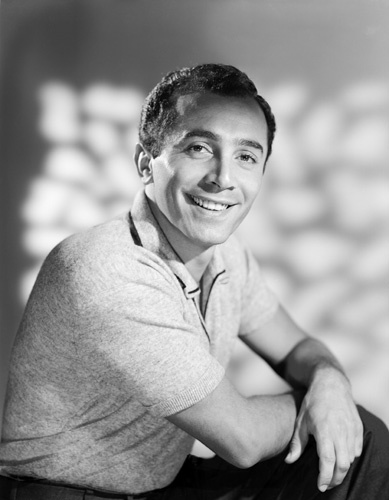
Among those who tested for the role of Johnny Fontane were Frankie Avalon and Vic Damone, both established singer/actors with movie experience. It is Damone's very first song hit "I Have But One Heart" (1947) that Al Martino, who eventually got the part, performs at the wedding.
Francis Ford Coppola was hired by Robert Evans to direct the movie after Peter Bogdanovich, among others, turned it down.
The actor playing Luca Brasi, Lenny Montana, was so nervous about working with Marlon Brando that, in the first take of their scene together, he flubbed some lines. Francis Ford Coppola liked the genuine nervousness and used it in the final cut. The scenes of Brasi practicing his speech were added later.
According to Francis Ford Coppola, the term "Don Corleone" is actually incorrect Italian parlance. In Italian, addressing someone as "Don" would be like addressing them as "Uncle" in English, so the correct parlance would be "Don Michael" or "Don Vito". Coppola says that Mario Puzo, who couldn't speak Italian, simply made up the idea of using "Don" with a person's last name, and it has now become a pop culture staple.
The character Moe Greene was modeled after Jewish mobster Bugsy Siegel.
At the meeting in the restaurant, Sollozzo speaks to Michael in Sicilian so rapid subtitles could not be used. He begins with: "I am sorry. What happened to your father was business. I have much respect for your father. But your father, his thinking is old-fashioned. You must understand why I had to do that. Now let's work through where we go from here." When Michael returns from the bathroom, he continues in Sicilian with: "Everything all right? I respect myself, understand, and cannot allow another man to hold me back. What happened was unavoidable. I had the unspoken support of the other Family dons. If your father were in better health, without his eldest son running things, no disrespect intended, we wouldn't have this nonsense. We will stop fighting until your father is well and can resume bargaining. No vengeance will be taken. We will have peace. But your Family should interfere no longer."
When Michael and Kay are having dinner together, the song on the radio is Irving Berlin's "All of My Life".
The scenes in which Enzo comes to visit Vito Corleone in the hospital were shot in reverse with the outside scene shot first. Gabriele Torrei, the actor who plays Enzo, had never acted in front of a camera before and his nervous shaking after the car drives away was real.
After Michael and the bodyguards pass the memorial for all the men who died in vendettas he walks through a small square. This is the same square where young Vito was smuggled out of town at the beginning of The Godfather: Part II (1974).
Mario Puzo gave Vito's eldest son the nickname of "Sonny" after the nickname given to the son of 'Al Capone (I)'. The similarities end there. Sonny Capone did not enter his father's business.
To save production costs, Paramount originally wanted the entire film to be shot in Hollywood. Another city considered was Kansas City, Missouri, which was actively scouted for locations before it was finally decided to use the Hollywood back lots. However, when production designer Dean Tavoularis threatened to add two stories to each back lot building in order to replicate the look of New York City, the studio relented and allowed for shooting in New York. In reality, over 100 New York locations were utilized in the finished film.
Because Corleone, Sicily, was too developed even in the early 1970s, the Sicilian town of Savoca, outside Taormina, was used for shooting the scenes where Michael is in exile in Italy.
Film debut of Joe Spinell.
Production began on March 29, 1971, but Marlon Brando worked on the film for 35 days between April 12 and May 28 so he could honor his commitment to the film Ultimo tango a Parigi (1972).
In the shooting script and the novel, Don Cuneo's first name is Ottilio. But in the film, his name is Carmine. The reason for the change is unknown but could be a possible reference to Carmine Coppola. Also, Don Stracci is named Anthony in the script and novel, but is named Victor in the film.
Frank Puglia was originally cast as Bonasera but had to back out due to illness.
Paramount executive Peter Bart bought the film rights to Mario Puzo's "The Godfather" before it was even finished. It was still only a 20-page outline.
Along with Mario Puzo's source novel, Francis Ford Coppola based many of the characters on members of his own family.
Mario Puzo modeled the character of Don Vito Corleone on New York mob bosses Joe Profaci and Vito Genovese. Many of the events of his novel are based on actual incidents that occurred in the lives of Profaci, Genovese and their families. Puzo based Don Vito's personality on his own mother's.
Paramount's original idea was to make this a low-budget gangster film set in the present rather than a period piece set in the 1940s and 1950s. Francis Ford Coppola rejected Mario Puzo's original script based on this idea.
According to Francis Ford Coppola on the DVD commentary, the intercutting of the baptism scene with the gang killings during the movie's climax did not really work until editor Peter Zinner added the organ soundtrack.
According to Al Pacino in The Godfather Family: A Look Inside (1990) (TV), he nearly got fired midway through filming. At the time Paramount execs only saw the early scenes of Michael at the wedding and were exclaiming, "When is he going to do something?" When they finally saw the scene where Michael shoots Sollozzo and McCluskey in the restaurant, they changed their minds and Pacino got to keep his job.
According to a Playboy interview with Mario Puzo, the character of Johnny Fontane was not based on Frank Sinatra. However, everyone assumed that it was, and Sinatra was so incensed by it that he refused to speak to Puzo when first introduced but rather spoke to Puzo in rather vulgar terms through his (Sinatra's) friend, Jilly Rizzo.
Francis Ford Coppola insisted on the film being called "Mario Puzo's The Godfather" rather than just "The Godfather", because his original draft of the screenplay was so faithful to Puzo's novel he thought Puzo deserved the credit for it.
At one point during filming, Paramount production chief Robert Evans felt the film had too little action and considered hiring an action director to finish the job. To satisfy Evans, Francis Ford Coppola and his son Gian-Carlo Coppola developed the scene in which Connie and Carlo have their long fight. As a result, Evans was pleased enough to let Coppola finish the film.
Diane Keaton based much of her portrayal of Kay Adams on Francis Ford Coppola's wife, Eleanor Coppola.
The scene where Sonny beats up Carlo (Connie's husband) took four days to shoot and featured more than 700 extras.
Al Pacino's maternal grandparents emigrated to America from Corleone, Sicily, just as Vito Corleone had.
According to Francis Ford Coppola in his "Cigar Aficionado" magazine interview, he had a meeting at his home in 1969 with producers Albert S. Ruddy and Gray Frederickson to discuss The Conversation (1974). He had sent the script to Marlon Brando who called him during the meeting to politely turn it down. Right before the meeting, Coppola took note of a newspaper advertisement for an upcoming novel titled "The Godfather" by Mario Puzo. Just a few months later, all five people would meet to discuss a film version of the novel.
For the scene where Clemenza is cooking, Francis Ford Coppola originally wrote in the script, "Clemenza browns some sausage". Upon seeing this, Mario Puzo crossed out "browns" and replaced it with "fries", writing in the margin, "Gangsters don't brown."
Franco Corsaro filmed a scene as the dying consigliere Genco Abbandando but it was deleted. In the scene, which takes place after the wedding, Vito Corleone and his sons go to the hospital to pay their respects to Genco who is dying of cancer. They attempt to console him and Genco begs Vito to stay with him as he is dying. The scene does appear in some TV airings of the film (in place of edited versions of the murder scenes) and is in "The Godfather: A Novel for Television" (1977).
The ribbons on Michael Corleone's Marine Corps uniform are the Silver Star, the Navy and Marine Corps Medal, and the Purple Heart on the top row, and the Asiatic/Pacific Campaign Medal with a service star and an arrowhead, the European/African/Middle Eastern Campaign Medal with a service star, and the World War II Victory Medal on the bottom row. In The Godfather: Part II (1974), however, Michael tells a congressional committee that he was awarded the Navy Cross during the war.
According to Francis Ford Coppola, the film took 62 days to shoot.
Originally Francis Ford Coppola was against directing the film, as he felt it glorified the Mafia and violence and would reflect poorly on his Italian-Sicilian heritage. However, he eagerly took the job once he thought of making it an allegory of American capitalism.
The character of Hollywood mogul Jack Woltz's was patterned after Warner Bros. chief Jack L. Warner. His personality was based on MGM head Louis B. Mayer, who was a great racing aficionado and owned a racing stable. Mayer abandoned the sport, reportedly after his son-in-law William Goetz, who was his partner in the stable, got involved with the Mafia and fixed a race Mayer's horse was the favorite to win.
Olivia Hussey was considered by casting director Fred Roos for the role of Apollonia. Francis Ford Coppola originally wanted Stefania Sandrelli, but she turned it down.
August 1971: According to an article by Nicholas Pileggi in The New York Times, Paramount planned to release a line of spaghetti sauce bearing the Godfather logo to promote the film. It also planned Godfather restaurant franchises that would sell pizza, hero sandwiches, Italian ices and Italian breads and pastries. A spin-off television series was also planned but none of these ideas came to fruition.
1990: This film was selected for the National Film Registry, Library of Congress.
Francis Ford Coppola wanted to cast actor Timothy Carey but Carey turned the part down so he could film a television pilot.
Carmine Caridi was Francis Ford Coppola's first choice for the role of Sonny. Robert Evans insisted he cast James Caan instead because Al Pacino (who was relatively unknown) had been cast as Michael. Evans wanted at least one "name" actor to play one of the brothers. Caridi was later given a small part in The Godfather: Part II (1974). There is a rumor that Burt Reynolds was originally cast as Sonny Corleone but Marlon Brando wouldn't act with him, considering him more a TV star.
While filming the scene where Sonny beats up Carlo, James Caan purposely injured Gianni Russo leaving him with two broken ribs and a chipped elbow. Caan and Russo did not get along during filming.
During the scene in the study when the family decides Michael (Al Pacino) needs to kill Sollozzo and McClusky, Santino (James Caan) is seen idly toying with a cane naturally assumed to belong to the aging Don Vito (Marlon Brando); in reality, the cane belonged to Pacino, who had badly injured his leg while filming Michael's escape from the restaurant after having killed Sollozzo and McClusky.
Two Jewish actors, James Caan and Abe Vigoda, played Italian characters. An Italian, Alex Rocco, played a Jewish character (Moe Greene).
Although the dark photography of Gordon Willis was eventually copied by many other films, when the developed film came back from the lab, Paramount executives thought the look was a mistake. They ordered a different look but Willis and director Francis Ford Coppola refused.
James Caan credits the stage persona of "insult comic" Don Rickles for inspiring his characterization of Santino Corleone.
Martin Sheen and Dean Stockwell auditioned for the role of Michael Corleone. Oscar-winner Rod Steiger campaigned hard for the role of Michael, even though he was too old for the part. Warren Beatty, Jack Nicholson, and Dustin Hoffman were all offered the part of Michael Corleone, but all refused. Suggestions of Beatty, Alain Delon and Burt Reynolds were rejected by Francis Ford Coppola. Paramount production chief Robert Evans wanted Robert Redford to be cast in the part, but Coppola demurred as he was too WASPy. Evans explained that Redford could fit the role as he could be perceived as "northern Italian". Evans eventually lost the struggle over the actor he derided as "The Midget". The Irish-American Ryan O'Neal then became the front-runner for the part, though it eventually devolved onto James Caan. Before being cast as Michael, Al Pacino was committed to starring in The Gang That Couldn't Shoot Straight (1971). Coppola, in a 2003 "Cigar Aficionado" interview, said that Paramount pulled some strings and managed to get Pacino released. The Paramount brass, particularly Evans, were adamantly opposed to casting Pacino, who did poorly in screen tests, until they saw his excellent performance in The Panic in Needle Park (1971). Caan went back to his original role of Sonny when Pacino came on board. Robert De Niro tested for both Michael and Sonny and was almost cast as Carlo before being cast as Paulie. Then, De Niro was offered Pacino's former role in "Gang". With Coppola's blessing, De Niro backed out to take the part. This, in turn, enabled De Niro to star as a young Vito in the sequel, which won him an Oscar and made his career.
James Caan improvised the word "bada bing" in the scene where Michael offers to kill McCluskey. According to Francis Ford Coppola in his "Cigar Aficionado" interview, Caan learned the phrase from his friend, real-life mob boss Carmine Persico.
George Lucas put together the "Mattress Sequence" (the montage of crime scene photos and headlines about the war between the five families) as a favor to Francis Ford Coppola for helping him fund American Graffiti (1973). He asked not to be credited. Many of the photos are from real crime scenes. One of the most prominent is the photo of the two cops kneeling beside what looks like a man sleeping on the ground with his head propped up against a fence. That man is Frank "The Enforcer" Nitti, Al Capone's right-hand man who had, in fact, committed suicide with a gunshot to the head.
According to Francis Ford Coppola in the DVD commentary, in the scene where Captain MacCluskey confronts Michael in front of the hospital, the officer who balks at arresting Michael ("He's clean, Captain. He's a war hero.") is NYPD Detective Sonny Grosso, one of the detectives made famous by his involvement in breaking the "French Connection" case.
Al Pacino's first Oscar nomination marks his first of 4 consecutive nominations, a feat he shares with Jennifer Jones (1943-46), Thelma Ritter (1950-53), Marlon Brando (1951-54) and Elizabeth Taylor (1957-60).
Ardell Sheridan, who plays Mrs. Clemenza, was Richard S. Castellano's wife in real life.
In the scene where Carlo is beaten by Sonny, a poster bearing the name "Thomas Dewey" can be seen on a wall. Thomas E. Dewey was New York City prosecutor who pursued gangsters in the 1930's.
The film's opening scene, a three-minute zoom-out of Amerigo Bonasera and Don Corleone, was achieved with a computer-controlled zoom lens which had earlier been used in Silent Running (1972).
The only comment Robert Duvall will make about his performance is that he wished "they would have made a better hairpiece" for his character.
In reality, all the actors who played Marlon Brando's sons (Robert Duvall, John Cazale, James Caan, and Al Pacino) were only between six and 16 years younger than he was.
The director's mother Italia Coppola had a scene as a Genco Olive Oil Company switchboard operator, but it ended up on the cutting room floor.
Voted #1 On Empire's 500 Greatest Movies Of All Time (September 2008).
When Brando won the Best Actor Oscar for this movie, he sent Sacheen Littlefeather to represent him at the awards ceremonies. The presenters of the award were Roger Moore and Liv Ullmann. When Moore offered the statuette to Littlefeather, she snubbed him and proceeded with her speech about the film industry's mistreatment of American Indians.
Continuity
When the Godfather is talking to Johnny Fontaine in his office, Sonny Corleone is also present. Then, the scene cuts to the entrance of the wedding cake outside. Sonny can be seen with the white flower in his lapel standing by the cake. Then, the scene goes back to the office where Sonny is still present with the Godfather.
The waiter fills Tom Hagen's glass twice within seconds during his dinner with Woltz.
Enzo (the baker) visits Don Corleone in the hospital after he is critically wounded. Enzo is holding a large bouquet of pink carnations and baby's breath. Later, when he is standing outside the hospital with Michael, the bouquet has been changed to a much smaller one with orange carnations.
When Don Corleone is talking to the pastry shop owner during the wedding scene, the man is holding a small shot glass. As he is getting up to grab Don Corleone's hands, the glass is still in his hand but in the next shot it is gone.
In the wedding scene, immediately after Kay Adams meets Tom Hagen, the cigarette in her hand disappears and then re-appears.
Factual errors
The use of the title 'Don' is incorrect as the proper use of this term of respect is always attached to the individual's first name, not surname. Marlon Brando's character should have been addressed as Don Vito, not Don Corleone. Same rule would apply to the other 'Dons'... Barzini, Fanucci, etc.
When seen in uniform at the wedding, Michael's shirt collars are missing his captain's bars. Marine Corps officers wear their rank insignia on their shirt collar points as well as on the epaulets of their coats.
The typefaces shown in the headlines of the various New York City newspapers depicted are almost all incorrect for the newspapers shown.
When Don Corleone stops to buy fruit, there is a pile of oranges. In 1945 you could not get oranges in NYC in December.
If Capt. McCluskey had broken Michael Corleone's jaw, then Michael should not have been able to talk so soon afterward, when he's discussing the hit on Capt. Mark McCluskey and Virgil 'The Turk' Sollozzo in the restaurant. His jaw would have been wired.
Incorrectly regarded as goofs
The punch to Michael's face broke his cheek bone which gave him a permanent black eye (and caused his sinuses to continually run - hence the use of a handkerchief all the time) until he got back to America and had surgery to fix it (Freddie says, "that doctor did a good job.")
The car Michael and Apollonia drive is a right-hand drive, whereas Italy drives on the right and you would expect vehicles to be left-hand drive. However Italian car manufacturers Alfa-Romeo and Lancia continued to produce cars with right hand drive for sale in Italy until the 1950s.
The exterior set-up shot for the summit meeting of all families is of the Federal Reserve Bank of New York. While this seems like an unlikely place for a "family" meeting, it's an indication of how high their influence reaches.
When Michael is moving Vito to a different room in the hospital with the help of the nurse, we can see that Marlon Brando instinctively moves his hand when it hits the door post. However he is conscious, hence his crying while Michael is holding his hand, just heavily sedated due to the pain inflicted by his gunshot wounds.
Peter Clemenza's house has an A/C hanging out the window. However, window air-conditioners were first marketed in the mid-1930's - and, even though they were expensive, Clemenza would have been able to afford one.
Revealing mistakes
Outside the hospital, as Capt. Mark McCluskey prepares to punch Michael Corleone, as the shot changes showing McCluskey (Sterling Hayden) punching Michael, it is clearly not Sterling Hayden throwing the punch as evidenced by the longer, brown hair of the man doing the punching (vs. Hayden's short, grey hair).
Watch closely during the fight between Sonny and Carlo and you can see Carlo slightly jumping as Sonny throws him over the little fence.
During the sequences filmed in Sicily, Michael's broken-jaw make-up does not match the make-up used during the sequences filmed in New York. This is because Paramount Pictures would not pay the costs of sending makeup artist Dick Smith to Italy with the rest of the crew.
When Cuneo is killed in the revolving door, the bullet holes appear too late after each shot. The holes also appear nowhere near where the gun was aiming when fired.
When Sonny is beating up Carlo, the actor is momentarily changed to a stuntman who doesn't look much like Gianni Russo.
Miscellaneous
When Sonny beats up Carlo, James Caan can be clearly seen in profile faking a punch so badly that he misses Gianni Russo by a foot and a half, with his fist passing within eight inches of his own chest.
When Michael is at his father's funeral he says he will meet with the heads of the 5 families. But since he is the head of one of the families he should have said he would meet with the other 4 heads of the families. Moe Greene was not a family head.
Kay's hair style when she and Mike are having dinner just before he goes to the hospital to see his father is more suitable for later decades. However, it does resemble some hairstyles of Doris Day of the early 1950s.
Michael Corleone supposedly won the Navy Cross during World War II, but the ribbon for the Navy Cross does not appear on his Marine uniform at the wedding party scene in The Godfather.
During the hospital scene, as Michael and the nurse are wheeling Vito's bed into the storage room, they almost pinch Vito's hand in the door frame. He jerks his hand out of the way.
Anachronisms
When Michael is arriving in Las Vegas, supposedly set in the very early 1950s, when he, Fredo, Tom and others are getting out of the car in the hotel driveway, two long-haired, bearded "hippie types" from the early '70s can be seen through the window in the lobby. (In the DVD commentary, Francis Ford Coppola admits that he is embarrassed by this oversight, but that the shot was done on the cheap by the second unit.)
50 star U.S. flag in 1947 (on the building where the "peace conference" is held).
When Michael finds his father without protection in the hospital, he picks up the phone by the bed to alert the family. The receiver has a curly cord which wasn't available until the mid- to late-1950s.
When Capt. Mark McCluskey confronts Michael Corleone outside the hospital, the sound of a conversational, female voice is heard emanating from the police vehicles' radios. At the time, however, the New York Police Department's primary radio system was based solely on one-way broadcasts from headquarters, with male police officers behind the microphone.
When Michael moves his father's bed from the hospital room into the hallway, there is a sign on the wall over Michael's shoulder which lists Robert O. Lowery as the Fire Commissioner. He was Commissioner in the 1970s, not the 1940s (it should have been Patrick Walsh).
Audio/visual unsynchronized
During Sonny and Carlo's fight, one of Sonny's "movie" punches is shot from the wrong angle and clearly misses, but still produces the sound of an impact.
When Virgil 'The Turk' Sollozzo releases the abducted Tom Hagen, he says to him "... and bad luck for you if you don't make that deal!". His lip-movements, however, show that he only says "... and bad luck for you!"
When Moe Greene says his line "I talked to Barzini", it's obviously dubbed in.
When Don Corleone is heard, off camera, introducing the heads of the other families and where they're from, at the meeting, his voice is noticeably different than it was in scenes before or after.
In Vito's brush with death, one hitman's pistol emits a muzzle flash, visible just after a cut to the overhead shot of them running away, but there is no accompanying sound effect for this last gunshot.
Crew or equipment visible
When Carlo kicks the bathroom door trying to beat Connie, the camera is visible for a few frames through the mirror on the door.
After shooting Virgil 'The Turk' Sollozzo and Capt. Mark McCluskey, Michael Corleone walks into the camera.
When Fredo enters the car to drive just before Don Corleone's assassination attempt, you can clearly see a male crew member's face in the driver's side mirror as he opens/closes the door.
Errors in geography
When Virgil 'The Turk' Sollozzo takes Michael Corleone to the restaurant for their conference, his car drives onto a bridge, where Michael sees a sign reading "To New Jersey", and he asks, "We're going to Jersey?", just before the car U-turns in mid-span. In fact, the only bridge between Manhattan (where they picked Michael up) and New Jersey is the George Washington Bridge, and the bridge on which the car is shown is definitely not the GWB. (It may be the Williamsburg or 59th Street bridge.)
Plot holes
Lou would have shot Michael when he left the restaurant on his own.
To allow Michael to assassinate the Turk and McCloskey, the Corleones have to go through a risky scheme involving hiding a gun in a public bathroom and hoping Michael can find it. Their plan also requires Michael having to flee the country as a murder suspect and runs the risk that he could be convicted and sentenced to prison for life. However, once they know the location of the meeting they could have other hit men come in and carry out the assassination, thus avoiding any risk of Michael not finding the gun and reducing the chance that he gets blamed for the killings.
Virgil "The Turk" Sollozzo would have had a couple of his men at another table in the restaurant.
The Corleones discover where the meeting will take place from an informer at the police station. However, Virgil 'The Turk' Sollozzo would surely have known that the police captain had to remain on call 24 hours a day, and in any case, Capt. Mark McCluskey would have given a false location.
Boom mic visible
During the scene of the meeting between Moe Green and Michael, The boom mic can be seen clearly, as Moe sits down for the first time. A shadow also reflects a hurried movement behind the camera.
Character error
When Tom Hagen is trying to convince Sonny not to go to war after Vito Corleone was almost murdered, he states that the Corleone family will be outcasts and all the five families will go after the Corleone family. However, the Corleone family is one of the five families, so he should have said that the other four families will go after the Corleone family.
When an old man sings "A Luna Mezzo 'O Mare" during the wedding celebration, his dentures can be seen coming loose. He re-sets his teeth without missing a note.
(at around 2h 30 mins) At the Don's funeral one of the participants makes the sign of the cross incorrectly. He does Top, Right, Bottom, Left. It's Top, Bottom, Left, Right.
As Michael is walking out of the restaurant, after killing Sollozzo and McCluskey, you can see where he bumps into the camera by the momentary jerk of the picture just as he passes.
When Sonny is beating Carlo, the actor Frank Sivero is watching the fight. Frank Sivero played the young Genco Abbandando in the "back in time" scenes in The Godfather 2.