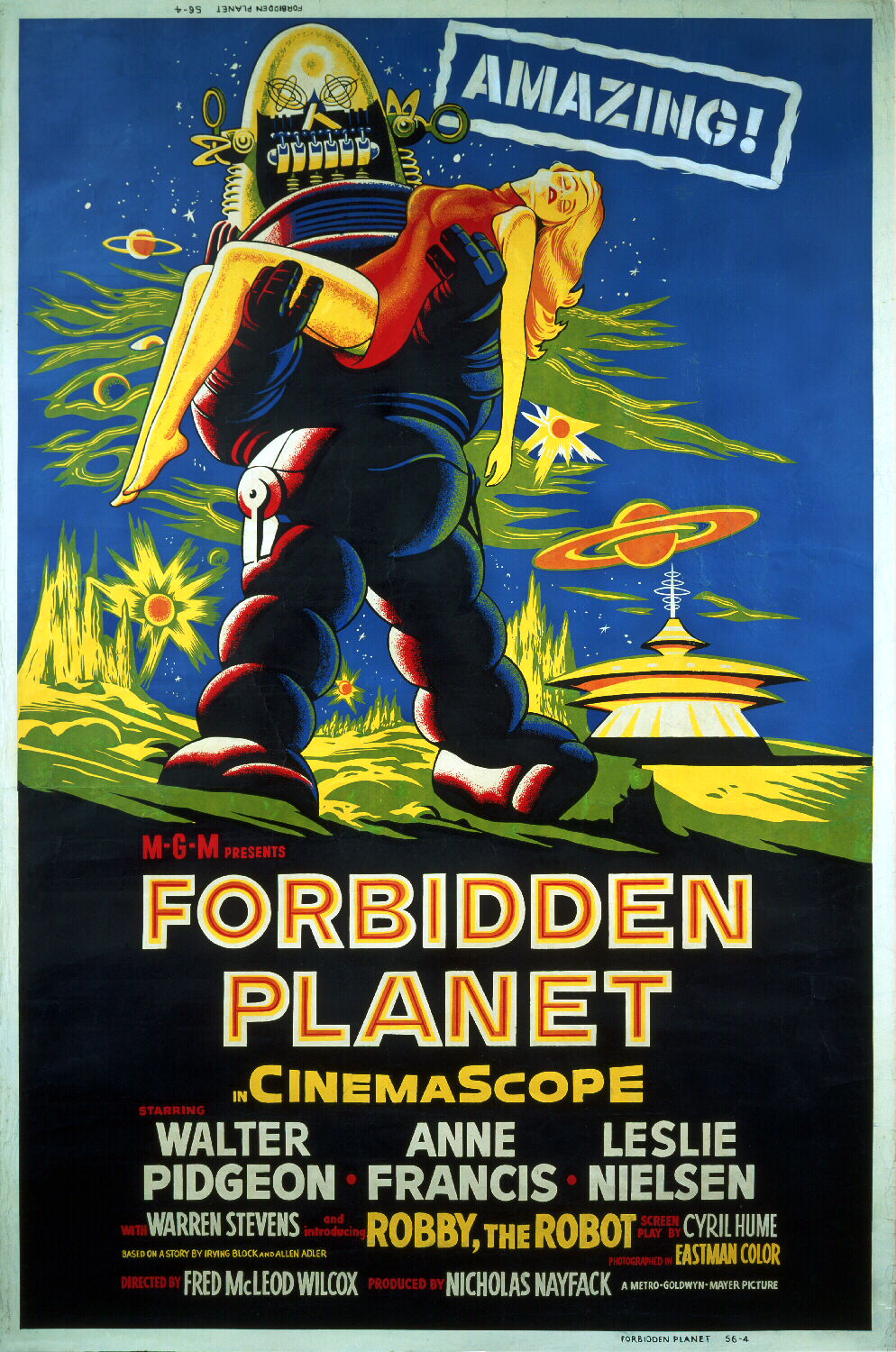
Forbidden Planet (1956)

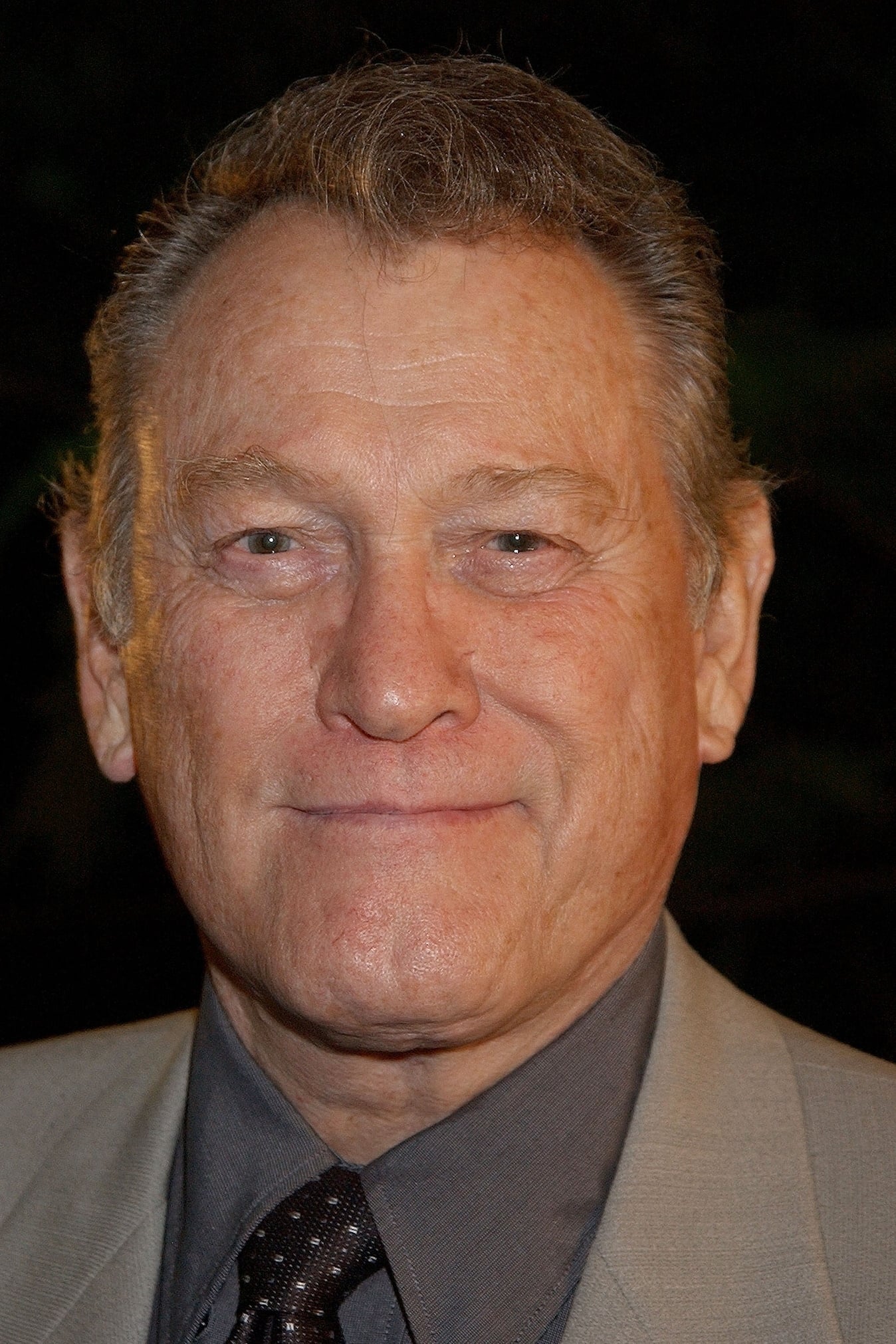
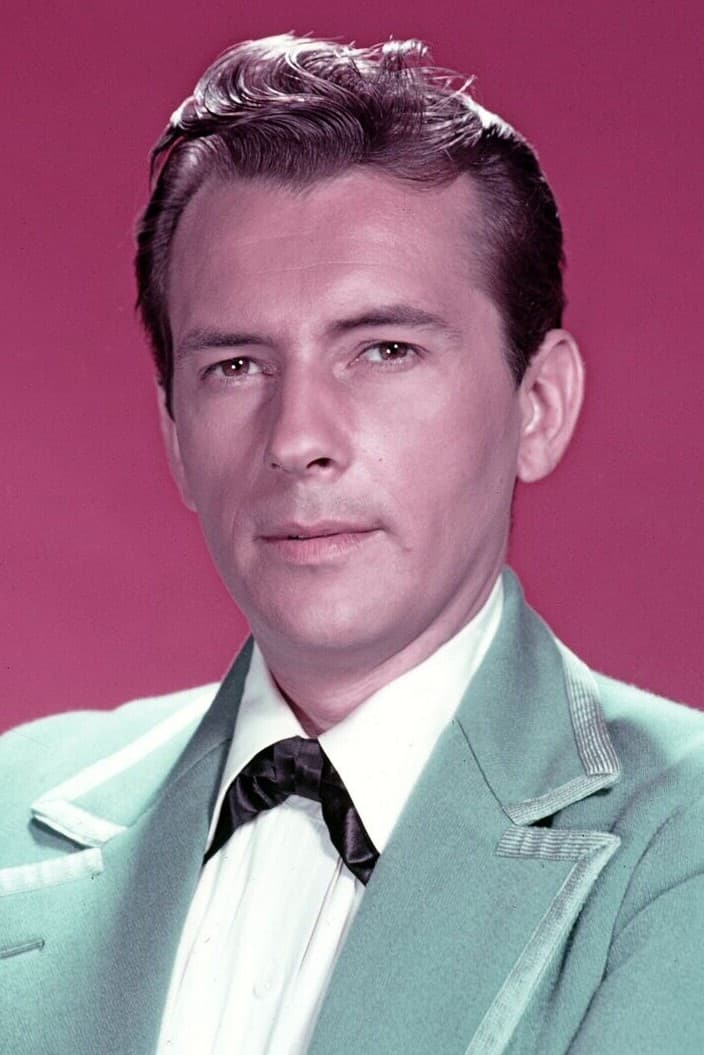
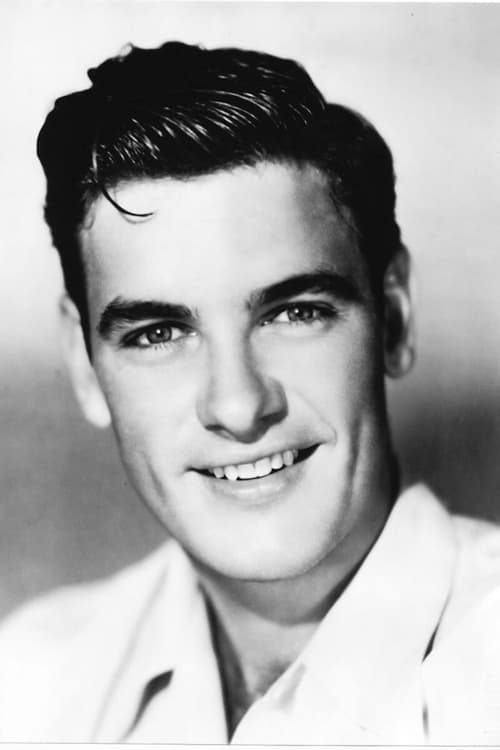
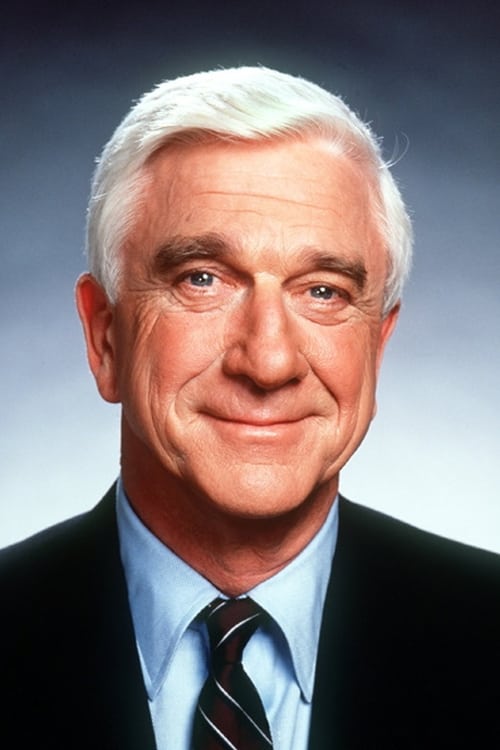
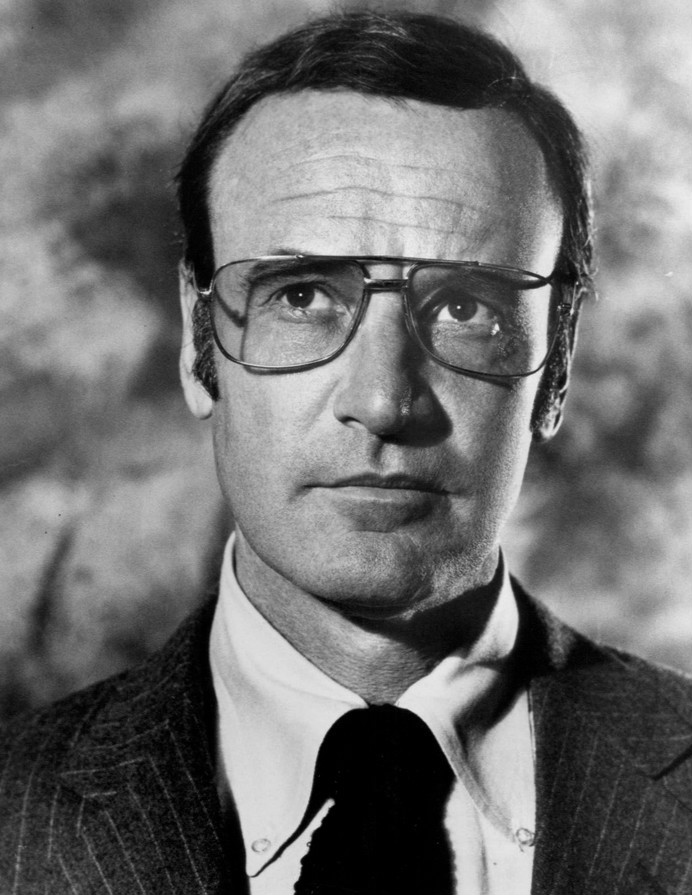
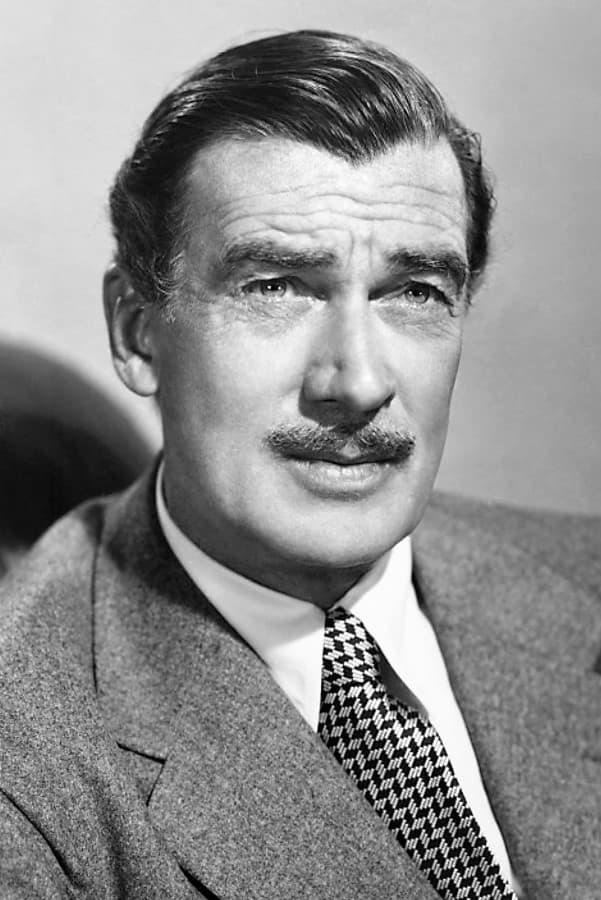
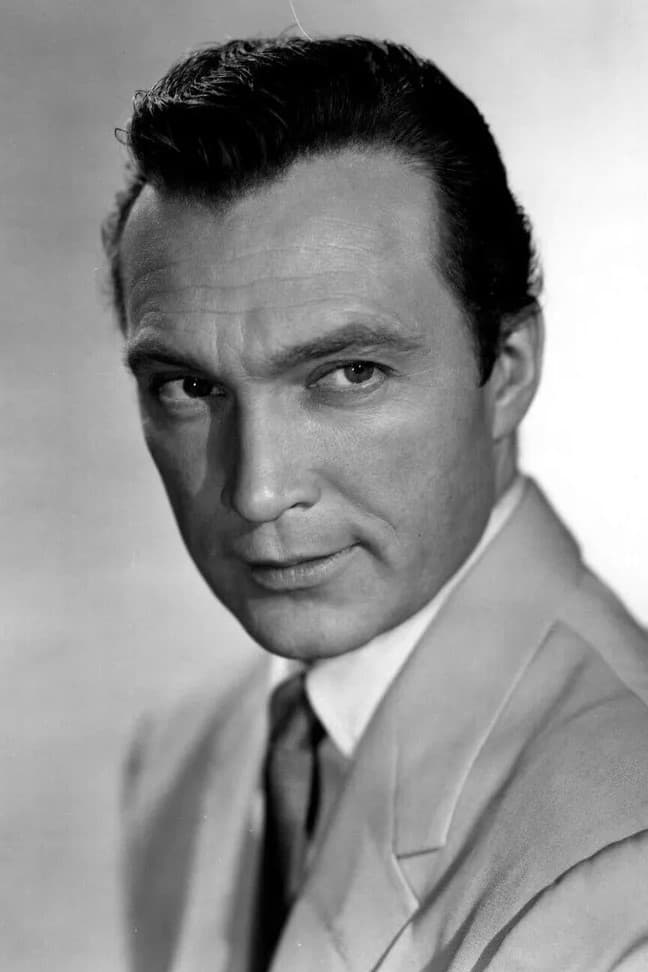
MGM's first big-budget science fiction film, Forbidden Planet, combined state-of-the-art special effects with a storyline based on Shakespeare's The Tempest. In the 23rd century, Cmdr. J.J. Adams (Leslie Nielsen) guides United Planets cruiser C-57-D on a rescue mission to faraway planet Altair-4. Twenty years earlier, Earth ship Bellerophon disappeared while en route to Altair-4. Only the ship's philologist, Dr. Morbius (Walter Pidgeon), survived; in the intervening decades, Morbius has created an Edenlike world of his own, for the benefit of himself and his nubile young daughter, Altaira (Anne Francis). His private paradise is zealously guarded by Robby the Robot, a piece of technology far in advance of anything on Earth. When Adams and his crew land on Altair-4, Morbius announces that he has no intention of being rescued and returned to Earth. When Adams attempts to contact home base, he finds that his radio equipment has been smashed by some unseen force. Holding Morbius responsible, Adams confronts the scientist, who decides to tell all. At one time, according to Morbius, Altair-4 was populated by the Krel, a wise, intellectually superior race. Using leftover Krel technology, Morbius has doubled his intellect and gained the ability to shape a new world to his own specifications. Forbidden Planet was a big influence on future sci-fi outer-space efforts, especially Star Trek.
IT'S OUT OF THIS WORLD! (original print ad - all caps)
Cookie: Another one of them new worlds. No beer, no women, no pool parlors, nothin'. Nothin' to do but throw rocks at tin cans, and we gotta bring our own tin cans.



First mainstream film to have the music performed entirely by electronic instruments.
Louis Barron and Bebe Barron worked on the electronic soundtrack music "tonalities" for only three months, the length of time given them by Dore Schary, head of MGM. He authorized the studio to send them a complete workprint at Christmas 1955. They received the complete 35mm Eastmancolor workprint at New Year's 1956, a week later, still with many visual effects sequences missing and timed in with blank leader by editor Ferris Webster. From January 1, 1956 to April 1, 1956, they worked on the soundtrack score in their Greenwich Village studio in New York City while the film was in post-production in Culver City. The score was completed and delivered to MGM on April 1, 1956, and the film was released for a studio sneak preview soon afterward. The musician's union, however, objected to the soundtrack, and blocked the Barrons from being credited as "composers", hence the term "electronic tonalities".
Apart from the electronic tonalities composed by the Barrons, the music score known to many as "Forbidden Planet Fanfare - Parts 1 & 2" on the original 1956 theatrical trailer was composed by Andr? Previn, and pieced together seamlessly by an MGM music editor. The music was originally written by Previn for the MGM films Scene of the Crime (1949) and Bad Day at Black Rock (1955).
David Rose, composer of light orchestral music such as "Holiday For Strings", was originally hired to write the score. He was relieved of his contract by producer Dore Schary in December 1955 when Schary discovered avant-garde electronic music creators Louis and Bebe Barron in a nightclub in Greenwich Village, New York, and hired them on the spot. The only confirmed piece of music which still remains from Rose's discarded original score is his Main Title Theme, which he released as a single on MGM Records in 1956.
Loosely based on "The Tempest" by William Shakespeare.
The model of the "flying saucer" style Earth space cruiser was retained by the MGM prop department and subsequently used in a number of productions on the MGM lot, including the "To Serve Man" of the "The Twilight Zone" (1959). Robby the Robot, his ground transporter, and crew uniforms would be used on that show as well.
MGM insisted on changes to Cyril Hume's script by adding comic relief scenes with the ship's cook (played in the final film by Earl Holliman). Among these scenes was one in which Robby the Robot responds to the cook's complaint about the lack of female companionship by bringing him a female chimp. The scene was reportedly not filmed.
In preparing this film for production, MGM borrowed a print of This Island Earth (1955) from Universal-International.
Film debut of Robby the Robot.
This movie was filmed on the same sound-stage on which the movie The Wizard of Oz (1939) had been filmed seventeen years earlier; the set of Altaira's garden is a reuse of the Munchkin Village set from The Wizard of Oz.
The reaction from the preview audience to this film was so positive that it was released as it was, with no further changes to the movie. The result is that there are several rapid takes toward the story's end.
Robert Kinoshita, who is credited as building Robby the Robot, was also Art Director for the TV series "Lost in Space" (1965). Many of the Lost in Space Robot's features are similar to Robby's: glass "head" with animated elements; rotating antenna "ears" (although LiS Robot's ears rarely moved after the pilot episode); flashing light "mouth"; chest panel with more animated elements. For that matter, much of the layout of Forbidden Planet's spaceship is mirrored by LiS's Jupiter 2: saucer shape; integral landing gear/entry stairs; lower external dome with animated lights; central, plexi-domed navigation station; vertical hibernacula arranged along perimeter. In addition, Robby and the LiS Robot had a couple of "family reunions" in two LiS episodes: "Lost in Space: War of the Robots (#1.20)" (1966) and "Lost in Space: Condemned of Space (#3.1)" (1967).
The trailer for this film was narrated by Marvin Miller, who also provided the voice for 'Robby The Robot'.
The planet on which Edward and Altaira Morbius live is Altair IV, which according to "Star Trek: Deep Space Nine" (1993) is also a Federation planet. Director Fred M. Wilcox consulted with scientists before making the decision that the planet's sky would be green.
The special effects artists used split-screen traveling mattes to make images appear and disappear, such as the piece of fruit Morbius lobs at the "household disintegrator beam" and the tiger that Commander Adams vaporizes. See the "Goofs" section for problems caused by this process.
The scene in which the image of Altaira appears in the Krell's "plastic educator" device was achieved with several special effects, including superimposed film footage of the charge from an electrical generator, hand-drawn animation, and a traveling matte cut from film footage of Anne Francis.
The "electronic tonalities" created by Louis Barron and Bebe Barron were reused several years later in another science fiction film From the Earth to the Moon (1958) that was produced by RKO.
Robby the Robot currently resides in the private collection of director William Malone.
To increase the sense of depth, the opening image of the spaceship approaching the camera is actually composed of two shots: the first of a small model, the second of a larger model travelling on the same track. The ship passes into and out of a shadow to conceal the cut.
When the film was first released theatre goers were given special paper glasses with red lenses. The glasses were to be used during certain scenes involving the invisible monster ("Monster from the ID"). You were alerted that it was time to put on your special glasses by flashes on the screen. When you put on the special glasses the invisible monster was revealed.
The movie's poster was as #5 of "The 25 Best Movie Posters Ever" by Premiere.
The film was originally conceived and approved by MGM's Dore Schary, himself no fan of science fiction, as a B-picture. The studio's art department, still headed by veteran Cedric Gibbons pulled out all stops. The budget ballooned to $1.9 million and barely managed to break even amid a dismal year for the studio. The relative failure of the film was cited as a reason for Schary's ouster soon after.
MGM had had a full animation department at one time but by 1956 it was largely dismantled. Critical animation effects (landing beam, weapons, Robby overloading, the Id Monster) were provided by Joshua Meador on loan to MGM from Disney. Meador's recognizable style can be readily discerned from that of the other three effects animators working on Alice in Wonderland (1951) and in other Disney releases.
The Spaceship C57D, models and full-size prop was actually used in seven episodes of "The Twilight Zone" (1959)l The list is as follows by season, "Third from the Sun", "The Monsters Are Due on Maple Street", "The Invaders", "To Serve Man", "Hocus-Pocus and Frisby", "Death Ship" and "On Thursday We Leave for Home". Robby's vehicle does appear in one episode. In "The Rip Van Winkle Caper", at the end when the final surviving gold thief is dying, a futuristic car stops and he begs for water. This is Robby's vehicle. The crew's outfits were used in a number of episodes, not to mention also in The Time Machine (1960) along with some props. The flickering force-field fenceposts appeared in Atlantis, the Lost Continent (1961) and were last seen being placed at the bottom of the ocean in Around the World Under the Sea (1966/I).
"Star Trek" (1966) creator Gene Roddenberry has been quoted as saying that this film was a major inspiration for the series. Perhaps not coincidentally, 'Warren Stevens (I)', who plays "Doc" here, would later be a guest star in the 1968 episode "By Any Other Name", where the true shape of the alien Kelvans, like the Krell in this movie, was implied to be extremely non-humanoid but never shown.
The time aboard the C57D is stated as being 17:01 hours when the ship enters orbit around Altair IV. Gene Roddenberry, a fan of this movie, would later use 1701 as the naval construction contract number of the Starship Enterprise.
Studio chief Dore Schary and producer Nicholas Nayfack were unsure about releasing the film with a solely electronic score by Louis Barron and Bebe Barron. A rough cut of the film was previewed with the electronic score. The audience reaction to the film overall was so favorable that Dore Schary ordered the rough cut to be released with the electronic score and no further editing.
This is the first science film to succeed without having a "name" character in the cast such as Flash Gordon.
Continuity
During the kissing lesson, Jerry goes from embracing Altaira to holding her by the arms between shots.
The sudden appearance of the cook behind the officers after Robby the Robot first arrives at the ship and his subsequent position relative to them before they leave with Robby.
As Altaira talks to the commander after being found kissing Lieutenant Farman, her position changes from being side-on to face-on to the commander.
When the commander and doctor make their second visit to Morbius' house, and after Altaira's swimming scene, the commander says, "Doc, something new has been added." indicating an action stage right. Doc looks in the direction and agrees, but the audience never sees just what they're looking at.
Factual errors
Robby the Robot shows up carrying lead shielding, which he says is "isotope 217", and he implies it is lighter than ordinary lead. The purported isotope lead-217 does not exist, and if it did, it would be 4% heavier than the most common (and heaviest) isotope of lead (atomic weight 208), not lighter.
Morbius shows the Captain and Doc Ostrow the power units, admonishing them to look only in the mirror. "Man does not behold the face of the Gorgon and live!" They then face away from the real window and look in the mirror. The viewer could believe they are seeing a perspective which is hiding a wall or other shield that they are standing in front of. However, the radiation from the real power unit window completely illuminates the Captain and Morbius's backs. If they are being lit up by the radiation, and it is truly that deadly, it makes no difference if they're looking at it or not. They all ought to be incinerated.
Morbius provides a longitude and latitude for the ship to land. Latitude can be calculated from determining the planet's axis of rotation, but the ship could not possibly have known what reference point is used for zero degrees longitude on Altair 4. Therefore, they could not have determined the location Morbius gives them. He should have provided a homing signal instead.
A large moon at close range is seen in the sky of Altair IV. An orbiting object of that size and proximity would likely cause gravitational induced seismic disturbances on the planet which are absent from the film.
Altair is twice the size of the sun in every dimension. At the indicated distance from the destruction of the planet, the star should be much larger on the screen than the sun would appear at that distance, not smaller. No zoom out of the viewer was indicated in the script.
Incorrectly regarded as goofs
Dr. Morbius invites Commander Adams to try his blaster on the Krell metal door. Cmdr. Adams inspects the result after firing, but he's not touching the spot where the beam hit the door. He was likely testing near the spot for any warmth as it could be dangerously hot.
The monster leaves a flat footprint, yet the cast of the footprint shows a huge curving claw and other three dimensional structures that could not possibly have been gleaned from the outline of a flat footprint. But the impression of the curved claw is indeed visible, in the front of each footprint.
There is nothing wrong with the ship landing around 83 degrees north latitude in the "deep Arctic" of the planet. This might be the habitable zone of the planet depending on its distance to its sun, it's angle of rotation, its geography. For example, the only place "habitable" on our own Mercury or Venue might be the "deep Arctic" zones of the planets.
When the commander and doctor make their second visit to Morbius' house, and after Altaira's swimming scene, the commander says, "Doc, something new has been added." indicating an action stage right. Doc looks in the direction and agrees, but the audience never sees just what they're looking at. The commander was looking in the general direction of where the doctor knew Altaira must be, so he understood the commander perfectly even if Altaira hadn't been visible to him personally either.
Morbius declares that his IQ is 183. A moment later he claims that the Krell technology doubled his IQ after he discovered it. This would have given him an IQ of 91.5 when he landed on the planet. 91.5 is classified as Borderline Dull. The 183 IQ, then must be a reference to his IQ before using the machine.
Revealing mistakes
When the ship's cook is picked up by the magnetic crane, one of the wires that really picks him up is clearly visible.
Altaira is supposed to be naked in the water, but closer inspection reveals her to be wearing some sort of flesh-colored dress. This is most noticeable when she gets out of the water and was obviously done to preserve the actress's modesty.
In several wide shots of the crew members outside the ship, there is a faint vertical shadow visible on the painted backdrop behind the ship. It appears to be either a fold in a piece of fabric or the corner of the sound stage wall.
When Robby takes Doc's lifeless body to the tractor, we see Robby is really carrying a dummy.
When the invisible Id monster is walking toward the spaceship's steps, its footprints in the dirt are obviously being made by foot-shaped templates beneath the dirt being dropped three inches downward, resulting in the dirt simply dropping down loosely, rather than being compressed by invisible feet.
Audio/visual unsynchronized
Just before they land, Adams impatiently flips off the radio as Morbius is in the middle of the word "recommend". Morbius should have been cut off immediately and in mid-word. But we hear him say the full word "recommend" even after Adams has shut the radio off.
Crew or equipment visible
As the vehicle driven by the robot first drives up to the residence, there is a tow cable visible in the foreground, partially obscured by the bushes. This cable is most visible behind the vehicle as it leaves the scene.
When Robby the Robot uses the blaster on the plant in the garden, an unidentifiable shadow suddenly appears on the green V support directly behind Commander Adams.
When Commander Adams leaves Lt. Ostrow to go outside the living quarters to see Altaira in the swimming pool, we hear a film crew member cough.
When the Monster is burning/melting the metal door, as it turns white hot and lumps start to fall, you can see a member of the crew in a heatproof suit prodding the material from behind to make it fall. Watch the second and third holes for movement behind the door. Then again, this motion could be taken to be the monster doing the poking.
When Robby the Robot carries the Doc out of the study after the latter has taking the brain boost, wires can be seen suspending the Doc from the ceiling. The actor inside the cumbersome robot costume was obviously not able to support the Doc's weight.
Plot holes
When Adams and Ostrow are about to leave for the Krell lab following the attack on the camp, Adams tells the Bosun to take off the minute the electronic fence on the perimeter shorts out again. But when they get in the tractor and drive away, no one turns off the power to the fence, which means the tractor should have disintegrated the moment it reached the perimeter.
If the size of the input headset of the "plastic educator" along with the shape and size of the doorways/archways suggests the size of the Krell as being considerably larger than the average human, there would be no way that even one Krell technician could fit in the cramped cabin of the shuttle that Dr. Morbius uses to show the captain and the doctor the inner workings of the subterranean power station beneath the planet's surface.
Moebius says the Krell visited Earth before humans evolved, and brought back biological specimens such as the deer and the tiger. But the deer and the tiger are modern species. The Krell would have brought back their distant ancestors. Even if they had evolved, it would not be to the same species that exist today.
Early in the film, Morbius states that he is thinking of sending his daughter Altaira to Earth to complete her education. However, that would reveal his presence on the planet that was home to the super advanced Krell civilization, whose very existence and secrets he desperately wanted to withhold from Earth.
In the final scene, Adams draws his side weapon, preparing to kill Morbius as a last resort. However, Robby neutralized it in a previous scene.
Character error
When Doc describes their C-57D star ship's weapon capacity as 3 billion electron volts, that value is actually quite minuscule, something less than the energy expended by a flying mosquito. For example, a weapon like a 20 kiloton nuclear detonation would be on the order of 10 to the 32 exponent electron volts.
Commander Adams tells Altaira that she can't go around dressed like that (meaning her short mini-skirt) so she has Robby make her a new dress where nothing shows "below, above or through". However, the dress she is wearing exposes almost all of her arms, and much of her legs. And after wearing it once for the Commander, she is shown twice later wearing different short mini-skirts again.
While the three men are standing on the walkway in the Krell machine, Morbius points to his right and says "Twenty miles". He then points to his left and says "Twenty miles". Since the three would then seem to be in the center of the machine, that would make it forty miles in total width, yet in the second scene following, he states "Yes, a single machine. A cube twenty miles on a side.". If it is indeed a cube, as Morbius indicates, the Krell machine shrunk from 64,000 cubic miles to 8,000 cubic miles in a little less than half a minute. That's quite an error for a scientist with an expanded mental capacity to make.
When in orbit around Altair IV, Lt Farman is remarked that there are no cities, dams or other large-scale structures visible indicative of civilisation. However, the mission is to investigate what happened to the Bellerophon, which is implied to be the only previous craft to reach the planet. The crew of a single ship would not have produced anything on the scale of cities or dams.
Altaira is referred to as Alta by both Commander Adams and Lt. Farman. That could have been a "pet" nickname (Alta shortened from Altaira) however when she "beams" for Robby to tell him she wants him to make her a new dress even it calls her "Miss Alta" and a robot shouldn't do that unless it was programmed to.