
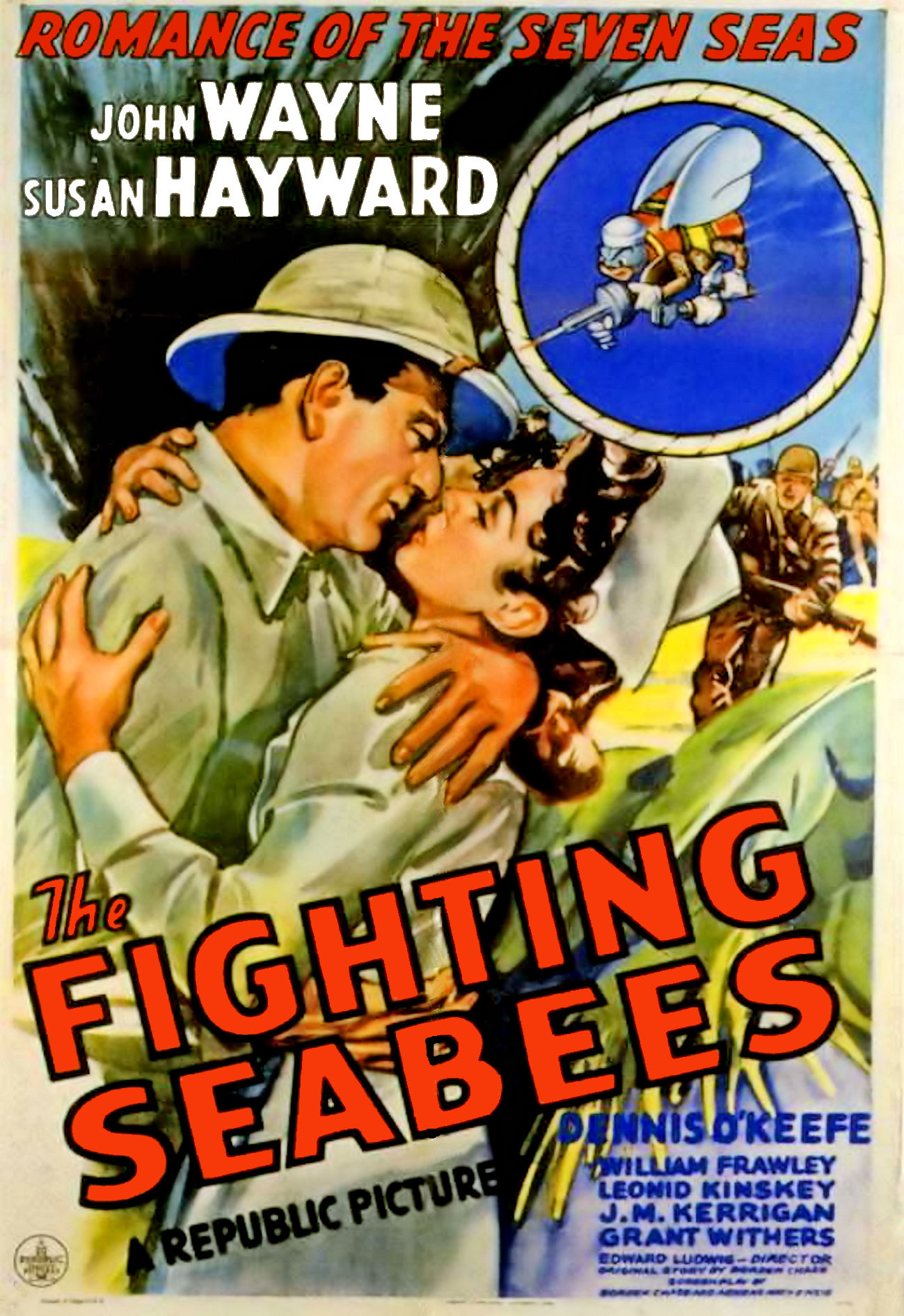
The Fighting Seabees (1944)

Construction workers in World War II in the Pacific are needed to build military sites, but the work is dangerous and they doubt the ability of the Navy to protect them. After a series of attacks by the Japanese, something new is tried, Construction Battalions (CBs=Seabees). The new CBs have to both build and be ready to fight.
ROMANCE OF THE SEVEN SEAS!
Eddie Powers: I'm Eddie Powers, Donovan's factotum, meaning, "Man Friday". That's Latin.
Lt. Cmdr. Robert Yarrow: Well, I'm glad to know you Friday even if it's only Thursday.
Marine Corps Base Camp Pendleton, California, USA
Port Hueneme, California, USA
San Diego, California, USA
Iverson Ranch - 1 Iverson Lane, Chatsworth, Los Angeles, California, USA
Camp Endicott, Rhode Island, USA
(parade ground scenes)


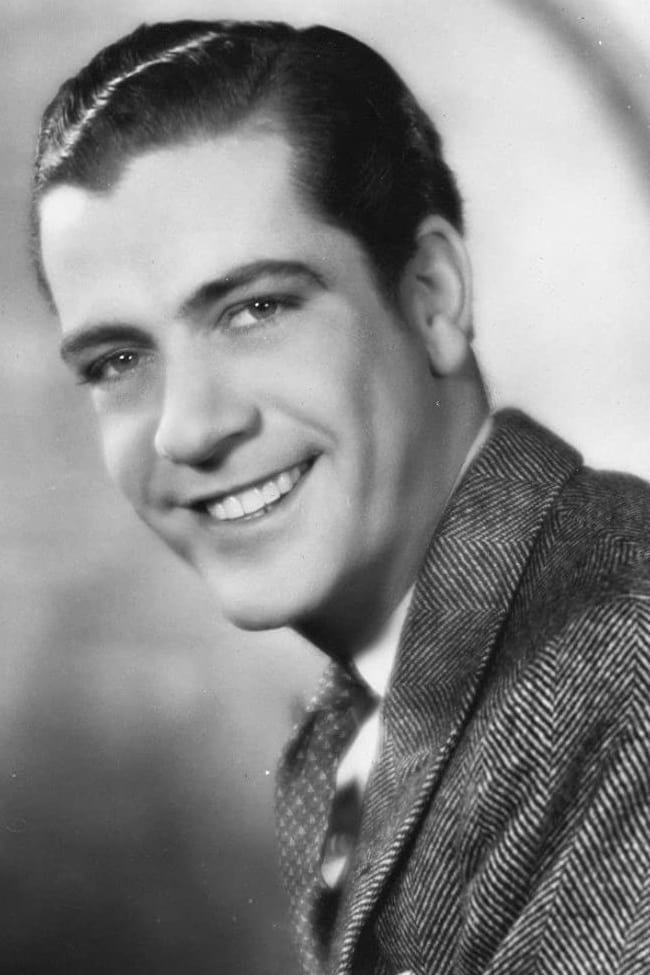
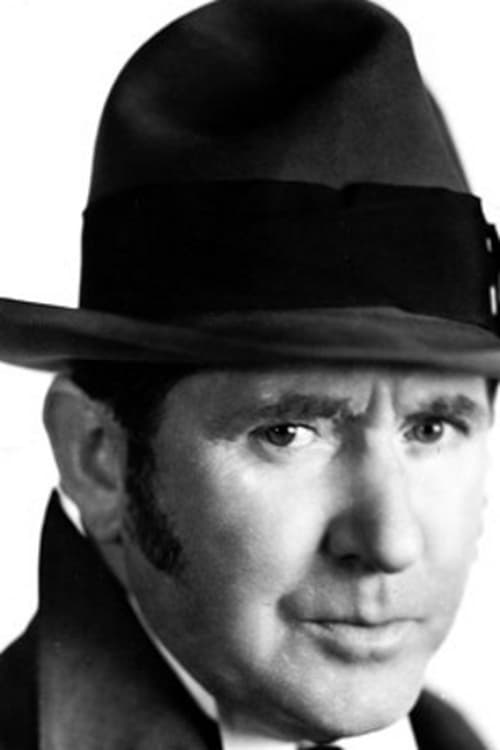
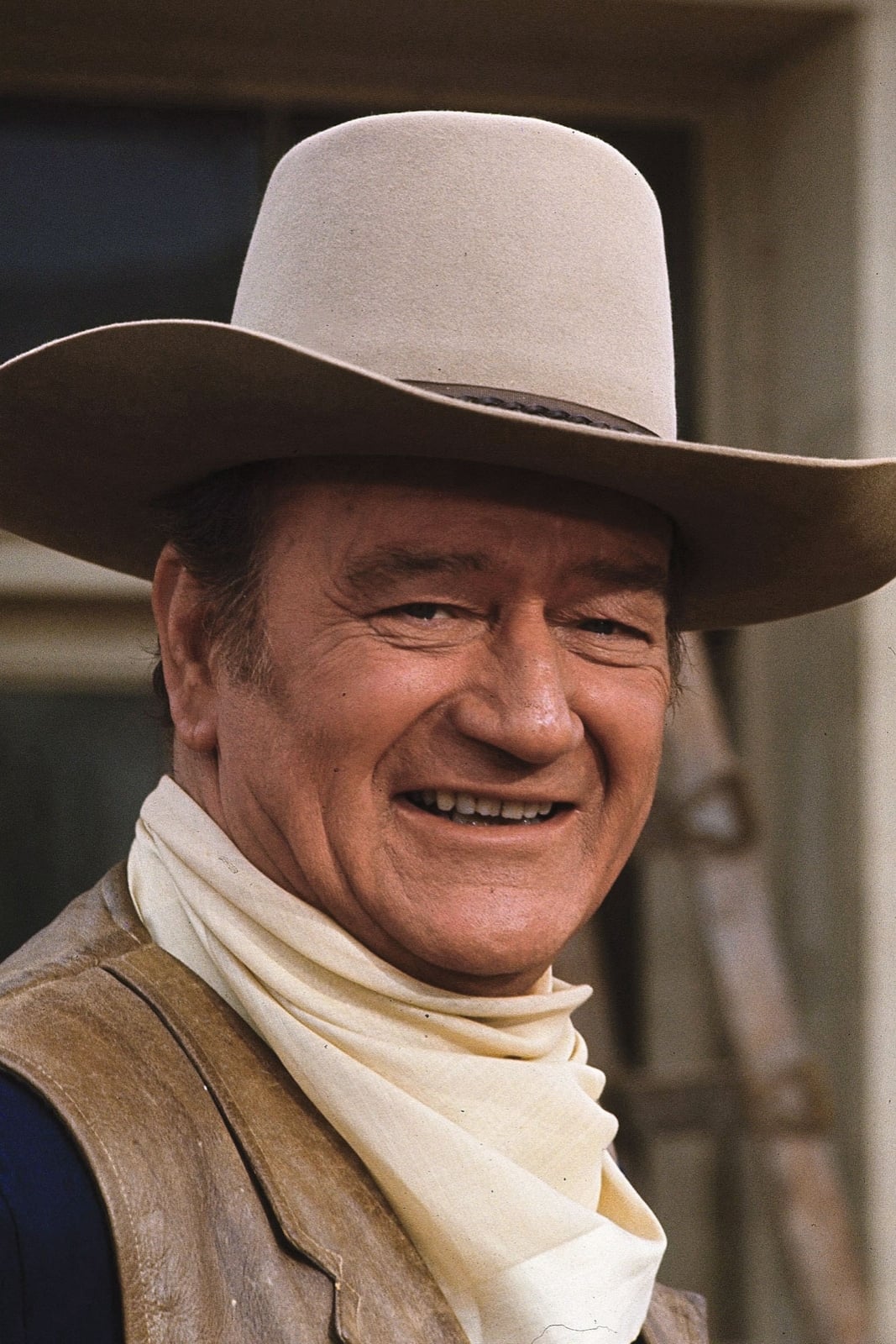
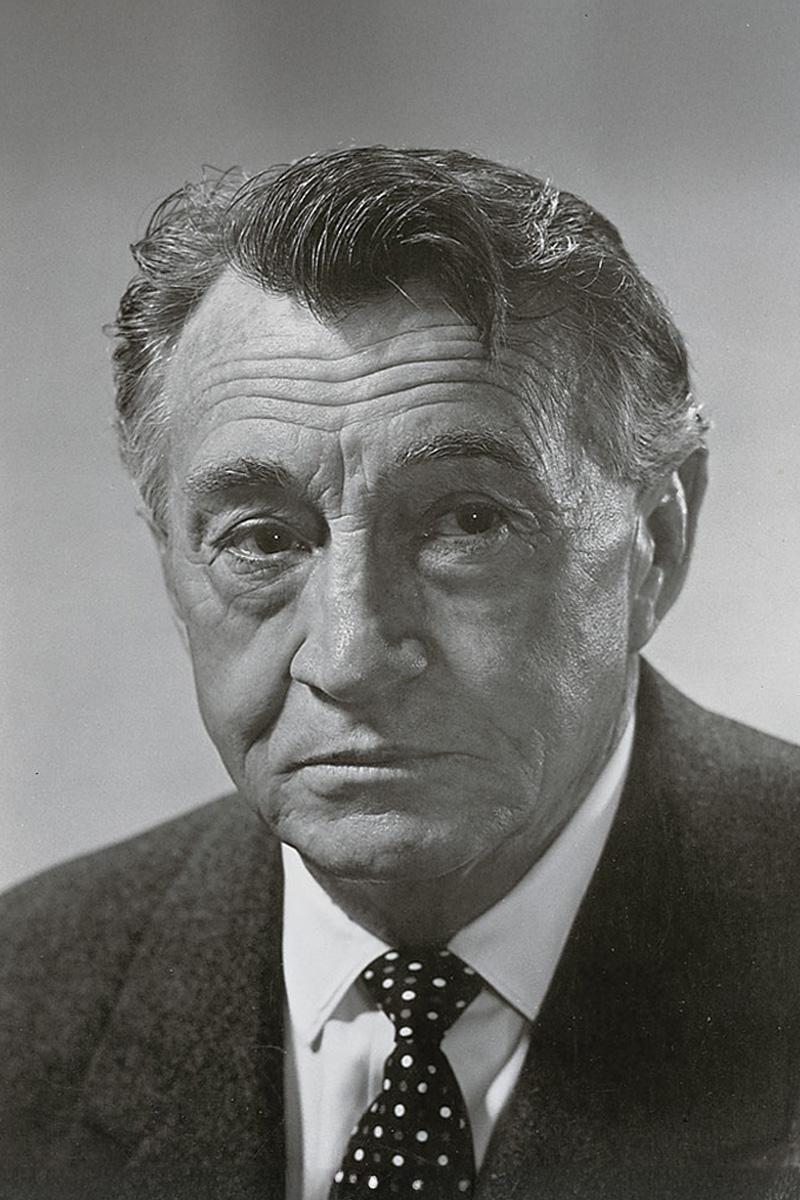

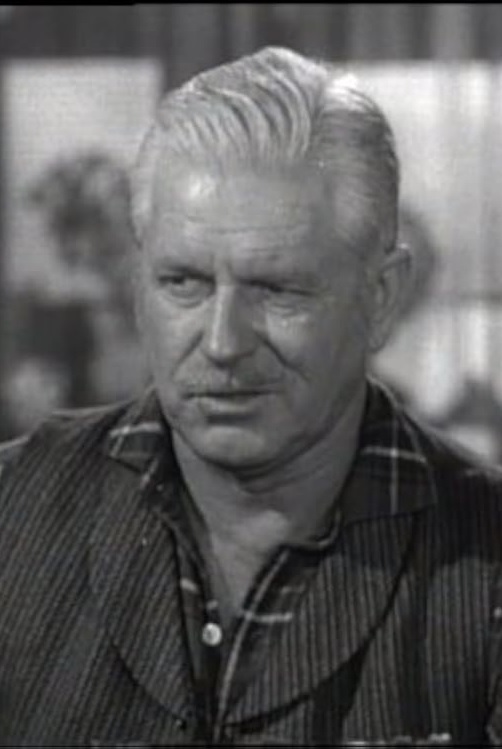
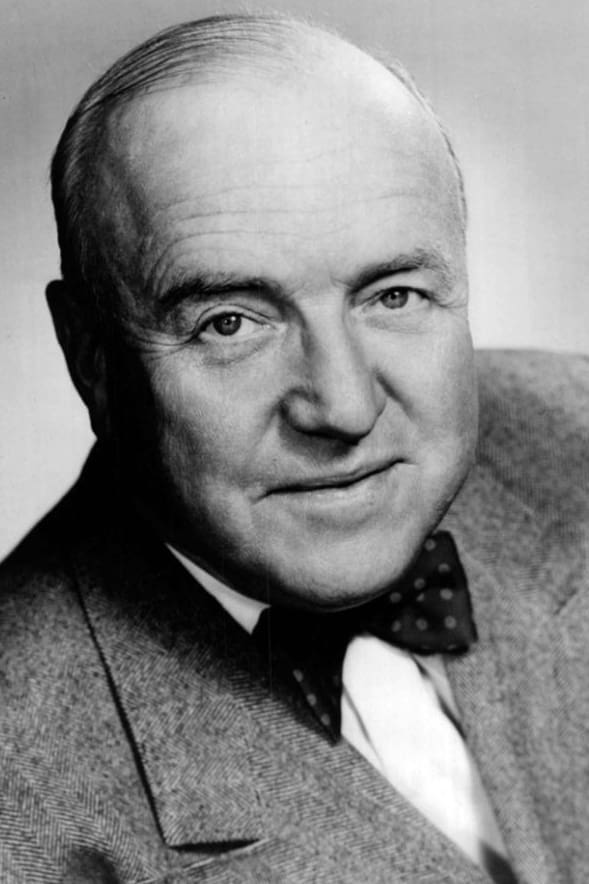
Republic, being as thrifty as it was, used a large number of stock shots from Flying Tigers (1942) for the scenes involving enemy aircraft.
The name "Seabees" is a nickname for the US Navy's Construction Battalions (CBs) division.
One of the rare times we see John Wayne dancing. He performs the jitterbug with Adele Mara in the nightclub scene.
At the time, this was Republic's most expensive film at a cost of $1.5 million.
The name for the Seabees was originated by Frank Iafrate of Rhode Island. He was a civilian employee working at Quonset Point Naval Air Station in Rhode Island. Mr. Iafrate was asked to sketch a Walt Disney type character for a new construction unit. He first thought of a beaver but found out beavers run at the first sign of trouble. Then he thought of a bee. The bee cartoon was approved by the Navy and CB for Construction Battalion was incorporated with the new bee insignia. Mr. Iafrate later enlisted in the Navy as a Seabee.
Continuity
When the Seabees are first deployed to the island, they embark in Higgins boats (no bow ramps). When they reach the shore, the Higgins boats are now LCVPs.
In the final battle scene, a clamshell bucket is seen picking up Japanese soldiers. There are legs (with feet visible) dangling from the bucket. In the next shot, the legs are replaced with tree trunks.
When the Japanese soldier is picked up in the clamshell bucket, the feet beneath the bucket are facing the opposite direction of the soldier.
Factual errors
In a couple of scenes, Japanese soldiers are seen pulling the pin out of grenades with their teeth and throwing them American style. Actual Japanese grenades had a compression actuator, not a pin. Typically, they would smack the top of the grenade on their helmet to start the fuse and then throw.
In the first landing by the Japanese, the landing craft are U.S.N. LCVPs, which are distinctly different than any landing craft used by the Japanese. Also, there are no ships offshore from which the landing craft could have come.
In some of the Japanese attacks, they are using belt-fed American light machine guns rather than Japanese stick-fed light machine guns.
Anachronisms
When the Japanese tanks attack at 1:30:19, the American "machine gunner" is wearing sunglasses.