Ensign Pulver (1964)

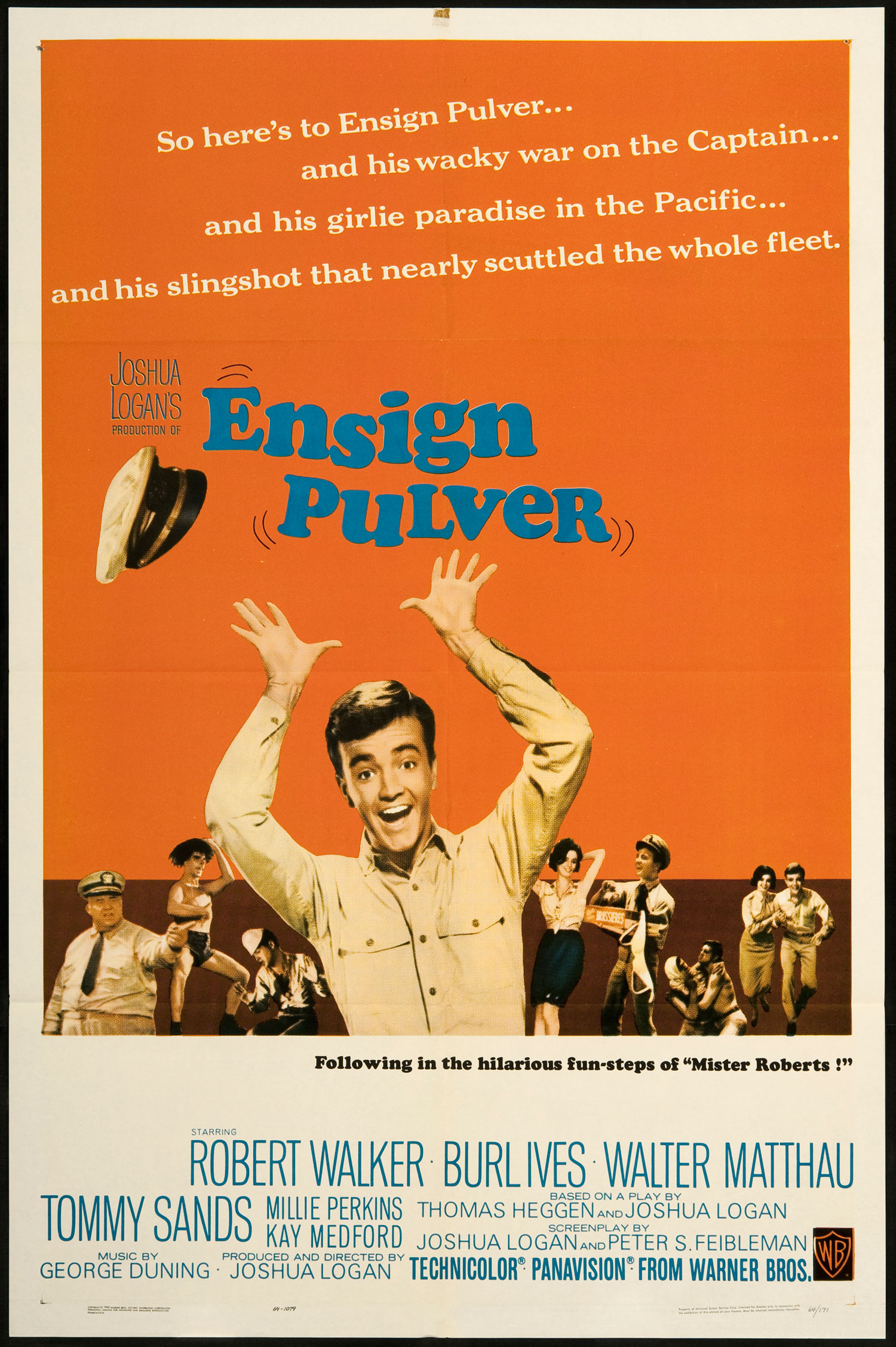
1945, on an old cargo ship somewhere deep in the Pacific ocean: Captain Morton strives to become commander, so he demands the maximum quality of work from his crew, without granting them any freedom or favors - ignoring that they're thousand of miles away from the front. In one word: he drives his crew crazy. They are near mutiny, but no-one dares to do the first step. Until Ensign Pulver plays a prank on the captain that triggers fatal consequences...
The man with the most original mind in the U.S. Navy...and the greatest collection of pin-ups!
Sailor: [Ensign Pulver is smuggling liquor aboard in a case marked "Brassieres"] Are bras that heavy, Mister Pulver?
Ens. Frank Pulver: Only when they're full.
Acapulco, Guerrero, Mexico
Warner Brothers Burbank Studios - 4000 Warner Boulevard, Burbank, California, USA
(Studio)
Mexico City, Distrito Federal, Mexico
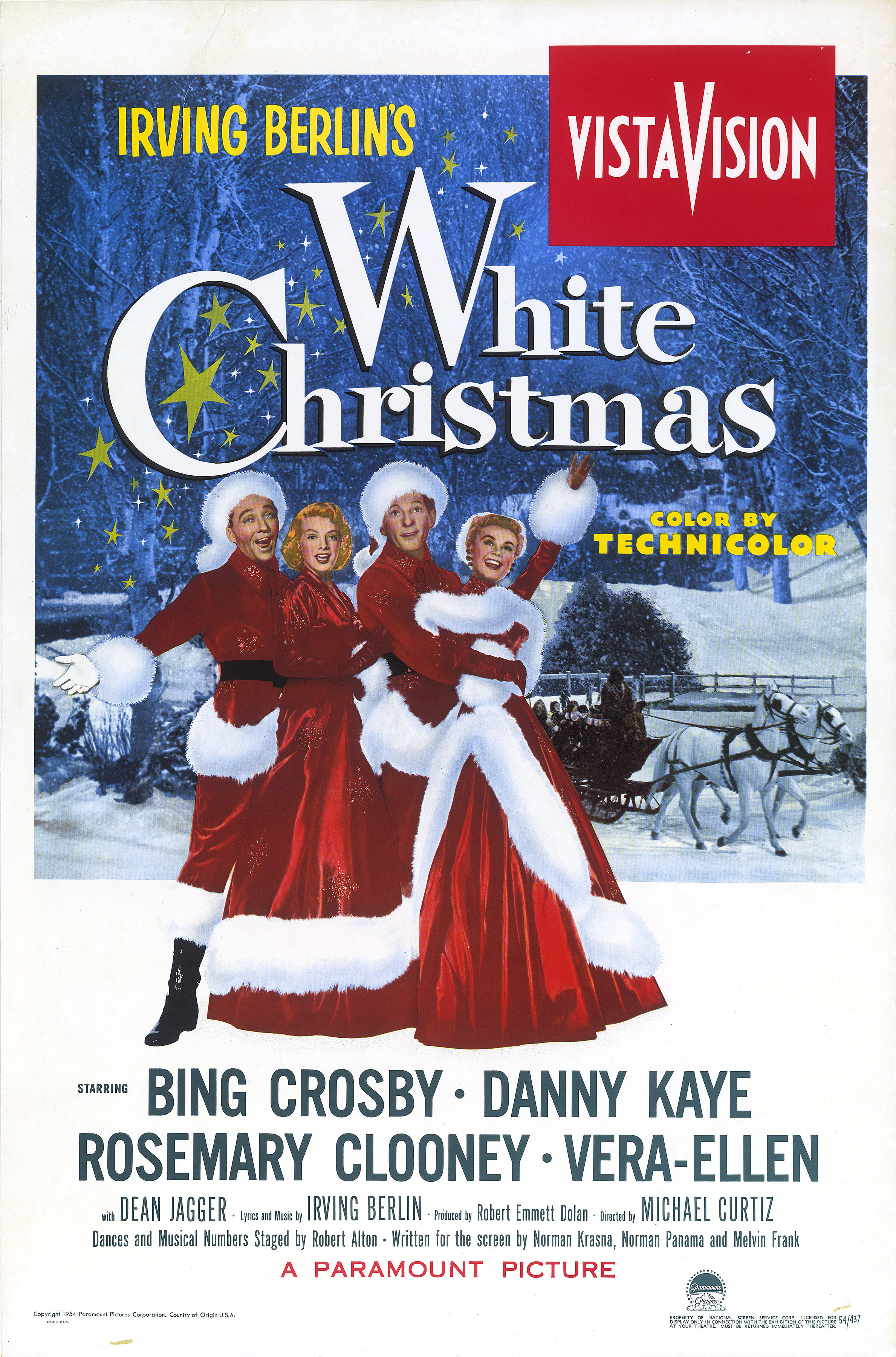
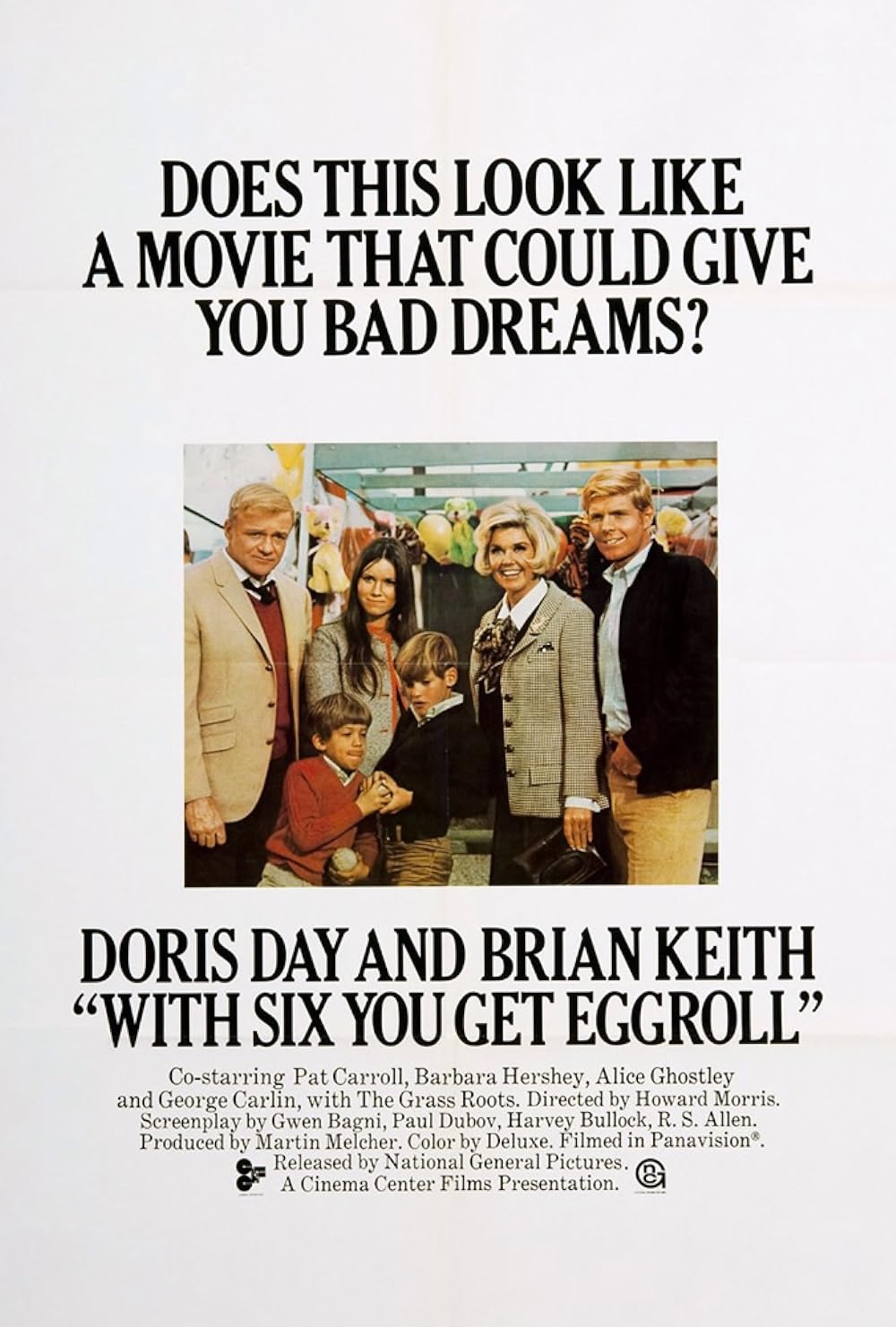
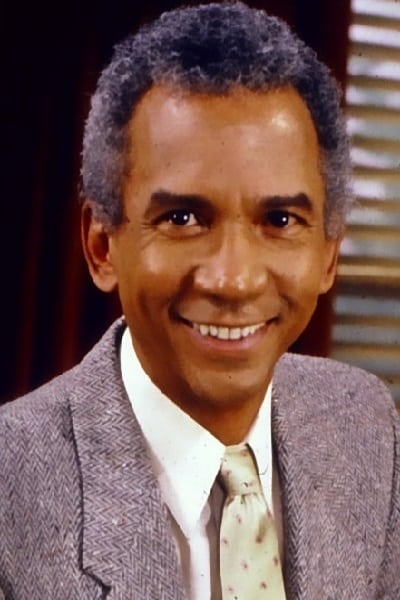
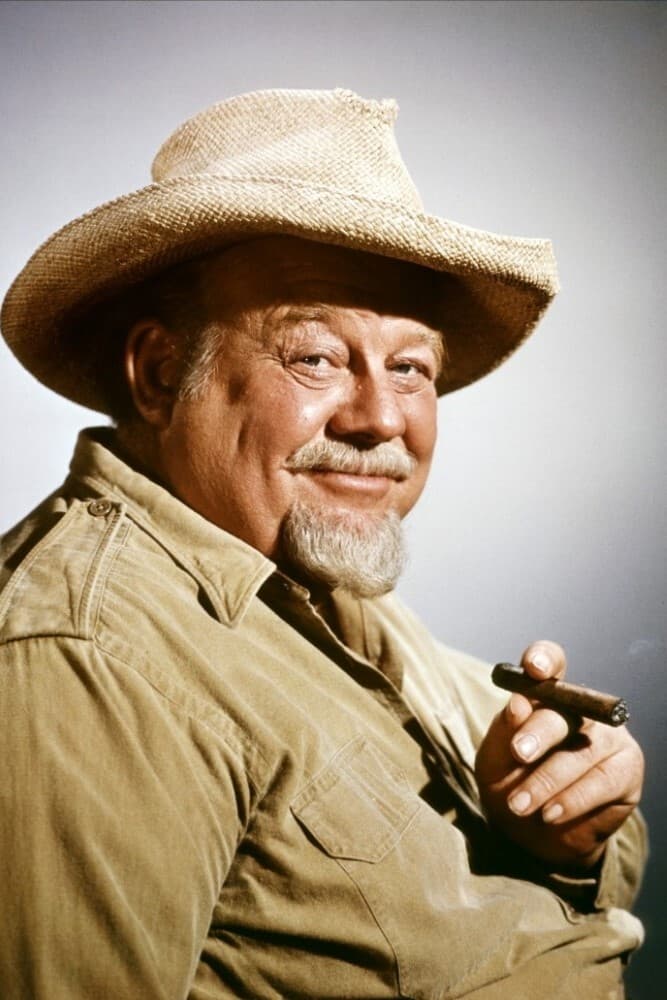
Many scenes featuring Jack Nicholson were left on the cutting room floor.
The movie viewed by the crew, "Young Dr. Jekyll Meets Frankenstein", never existed. It was fabricated by matching some newly made shots into existing footage from The Walking Dead (1936) a Warner Brothers release starring Boris Karloff and Edmund Gwenn. Karloff and Gwenn are credited on the screen, as is another actor, Morgan Paull, who appears in some of the new shots. Paull's on-screen credit reads "And Introducing Morgan Paull as Young Dr. Jekyll".
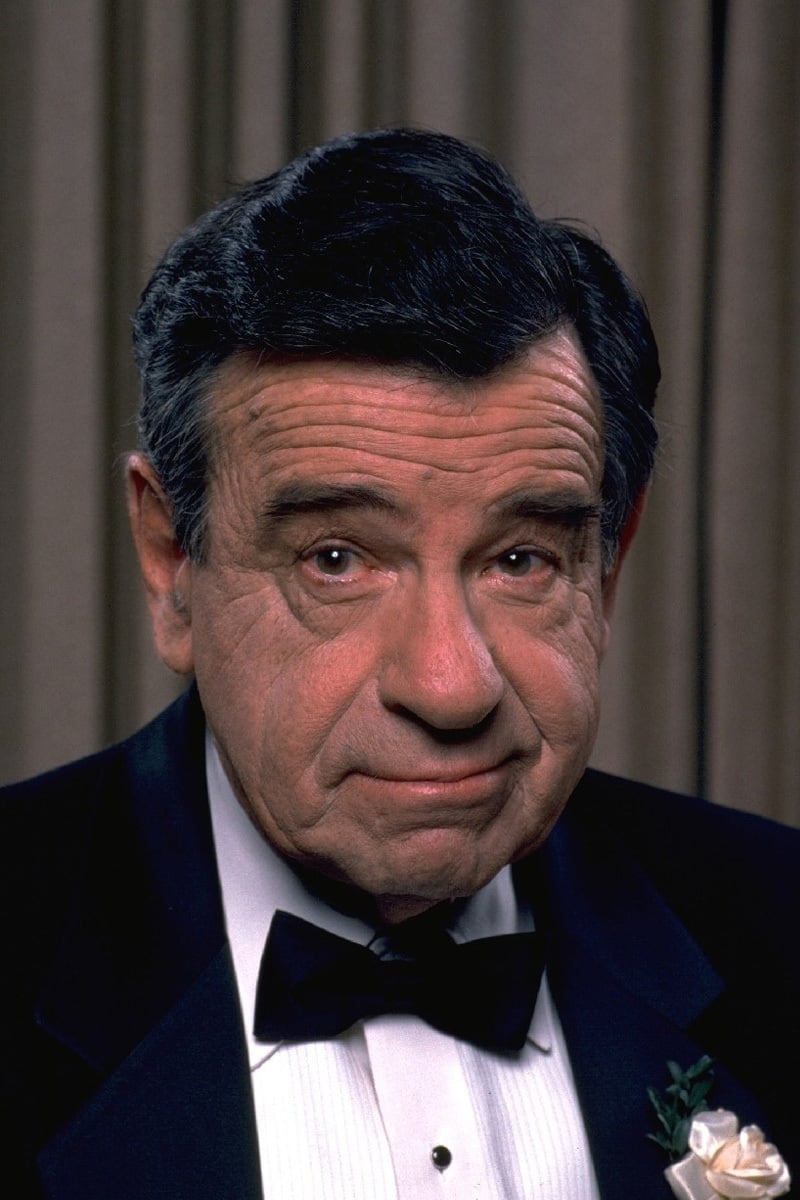
Jack Lemmon did not reprise his Oscar-winning breakthrough role from Mister Roberts (1955), however his future friend and frequent cast mate Walter Matthau does appear in this film. This was two years before their first film together, The Fortune Cookie (1966).
Several members of the cast and crew were actual military veterans. Most of whom served in World War II: Writer-director-producer Joshua Logan, editor William Reynolds and actor Peter Marshall were in the Army, while composer George Duning and author Thomas Heggen served in the Navy; Heggen based the novel "Mister Roberts" on his experiences as a communications officer aboard the Navy cargo ship, the USS Virgo. Actor Gerald S. O'Loughlin served in the Marine Corps while Walter Matthau and Burl Ives served in the U.S. Army Air Forces; Ives also served in the regular Army. Composer Les Brown performed in USO tours with Bob Hope for American troops around the world. Actor Warren Hull traveled about the country and in Canada entertaining troops at military bases. Actors Edmund Gwenn and Wade Boteler served in the First World War; Gwenn was an officer in the British Army, while Boteler served in the U.S. Army. Boris Karloff was rejected for military service in World War I due to health and back issues. Actors Al Freeman Jr., Larry Hagman and George Lindsey served in the Air Force during the Korean War. Other cast members served in the armed forces during peacetime: Jack Nicholson was a firefighter in the California Air National Guard. Tommy Sands also served in the Air Force while Dick Gautier, Ronnie Rondell Jr. and Buck Taylor served in the Navy.
Opening credits: This story takes place in the waning days of World War II aboard a navy cargo ship operating in the back areas of the Pacific.
Continuity
After Burl Ives falls overboard, Ensign Pulver releases a rubber raft to assist in the Captain's rescue. When the raft falls into the water, it obviously falls upside down, however, in the next shot it appears that the raft is upright and all of the equipment is still aboard.
Factual errors
Bruno is referred to as being a Seaman First Class, when his uniform insignia is clearly that of a Petty Officer Second Class.
Revealing mistakes
In the beginning of the scene where Captain Morton and Ensign Pulver are adrift and Morton begins telling the story of when his wife left him, a boat is visible on the horizon.
Anachronisms
During Captain Morton's appendix operation he sings The Joy Boy's radio theme song in his drunken stupor. The Joy Boy's show didn't premiere until 1955, more than 10 years after the movies time setting.