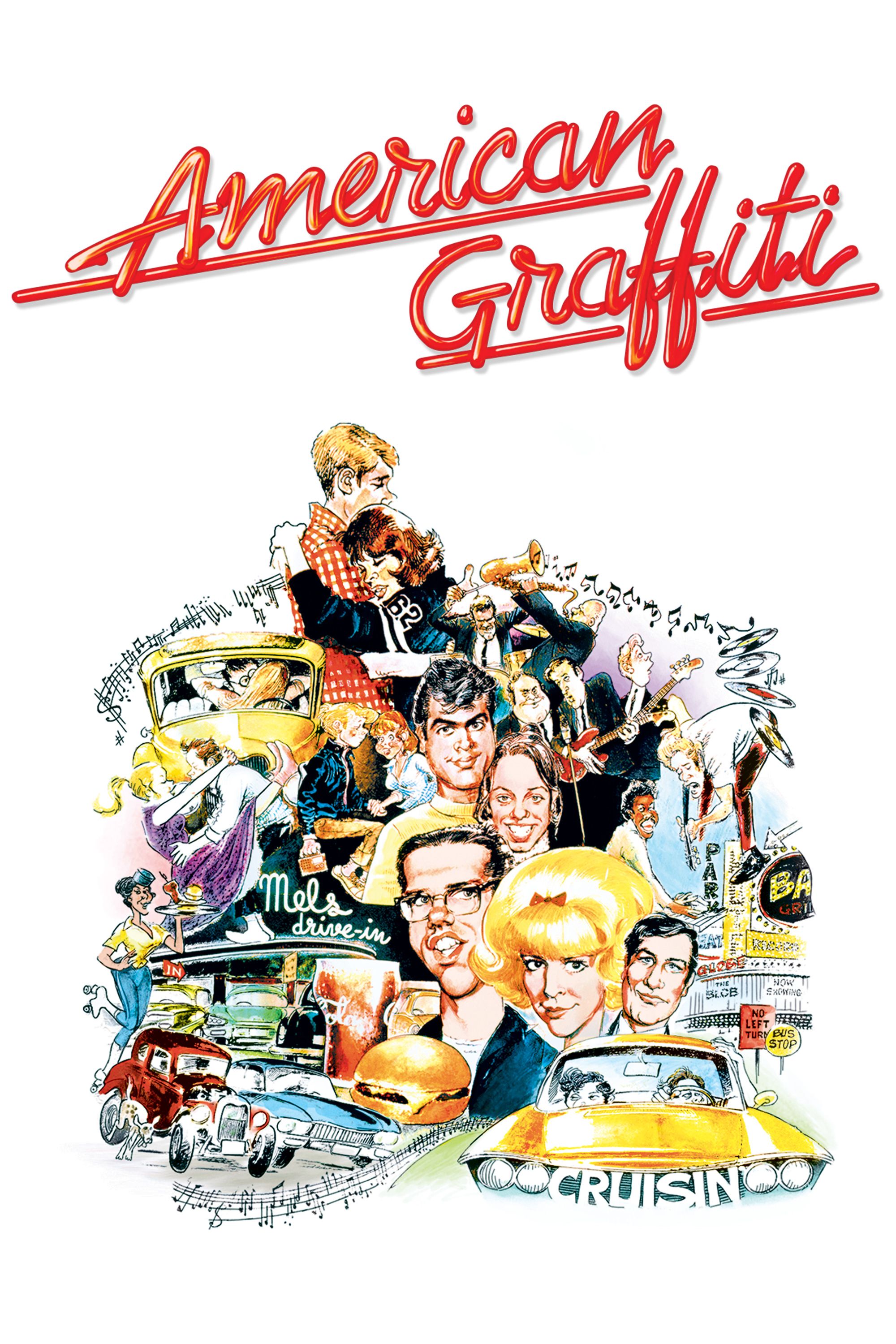
American Graffiti (1973)

It's the last night of summer 1962, and the teenagers of Modesto, California, want to have some fun before adult responsibilities close in. Among them are Steve (Ron Howard) and Curt (Richard Dreyfuss), college-bound with mixed feelings about leaving home; nerdy Terry "The Toad" (Charles Martin Smith), who scores a dream date with blonde Debbie (Candy Clark); and John (Paul Le Mat ), a 22-year-old drag racer who wonders how much longer he can stay champion and how he got stuck with 13-year-old Carol (Mackenzie Phillips) in his deuce coupe. As D. J. Wolfman Jack spins 41 vintage tunes on the radio throughout the night, Steve ponders a future with girlfriend Laurie (Cindy Williams), Curt chases a mystery blonde, Terry tries to act cool, and Paul prepares for a race against Bob Falfa (Harrison Ford), but nothing can stop the next day from coming, and with it the vastly different future ushered in by the 1960s. Fresh off The Godfather (1972), producer Francis Ford Coppola had the clout to get his friend George Lucas's project made, but only for $750,000 on a 28-day shooting schedule. Despite technical obstacles, and having to shoot at night, cinematographer Haskell Wexler gave the film the neon-lit aura that Lucas wanted, evoking the authentic look of a suburban strip to go with the authentic sound of rock-n-roll. Universal, which wanted to call the film Another Slow Night in Modesto, thought it was unreleasable. But Lucas' period detail, co-writers Willard Huyck's and Gloria Katz's realistic dialogue, and the film's nostalgia for the pre-Vietnam years apparently appealed to a 1973 audience embroiled in cultural chaos: American Graffiti became the third most popular movie of 1973 (after The Exorcist and The Sting), establishing the reputations of Lucas (whose next film would be Star Wars) and his young cast, and furthering the onset of soundtrack-driven, youth-oriented movies. Although the film helped spark 1970s nostalgia for the 1950s, nothing else would capture the flavor of the era with the same humorous candor and latent sense of foreboding.
Where were you in '62?
Terry Fields: A double Chubby-Chuck, a chili-barb, two orders of French fries and...
Concord, California, USA
(airport)
D Street, Petaluma, California, USA
Fourth Street, San Rafael, California, USA
Kentucky Street, Petaluma, California, USA
Mel's Drive-in - Cnr. South Van Ness Ave. & Mission Street, San Francisco, California, USA
(demolished)
Miller Avenue, Mill Valley, California, USA
Mission Street, San Francisco, California, USA
Mystic Theater - 23 Petaluma Blvd. North, Petaluma, California, USA
(State Movie Theater)
Old Opera House - 149 Kentucky Street, Petaluma, California, USA
Petaluma Blvd. North, Petaluma, California, USA
Petaluma, California, USA
(Drag race scene between the '32 Ford and '55 Chevy.)
Pinole, California, USA
Redwood High School - 395 Doherty Drive, Larkspur, California, USA
San Rafael, California, USA
(Main Street)
South Van Ness Avenue, San Francisco, California, USA
Tamalpais High School - 700 Miller Avenue, Mill Valley, California, USA
Washington Street, Petaluma, California, USA

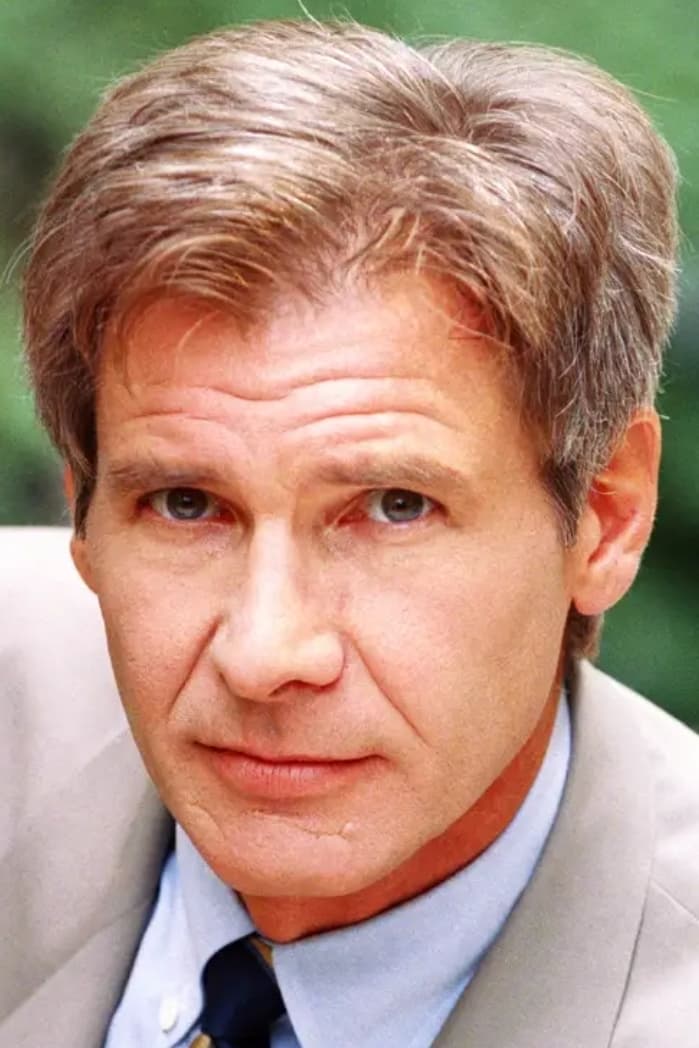
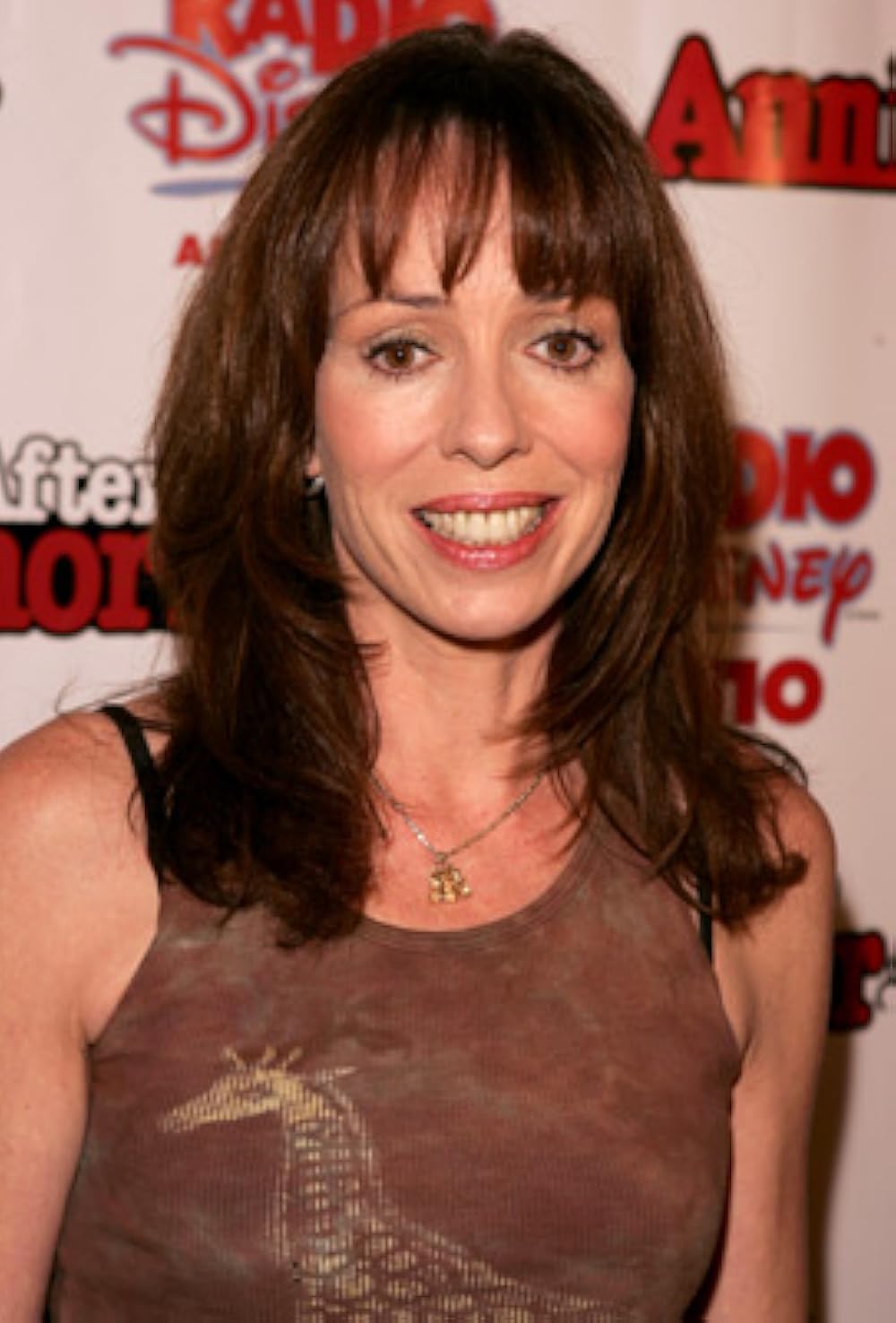
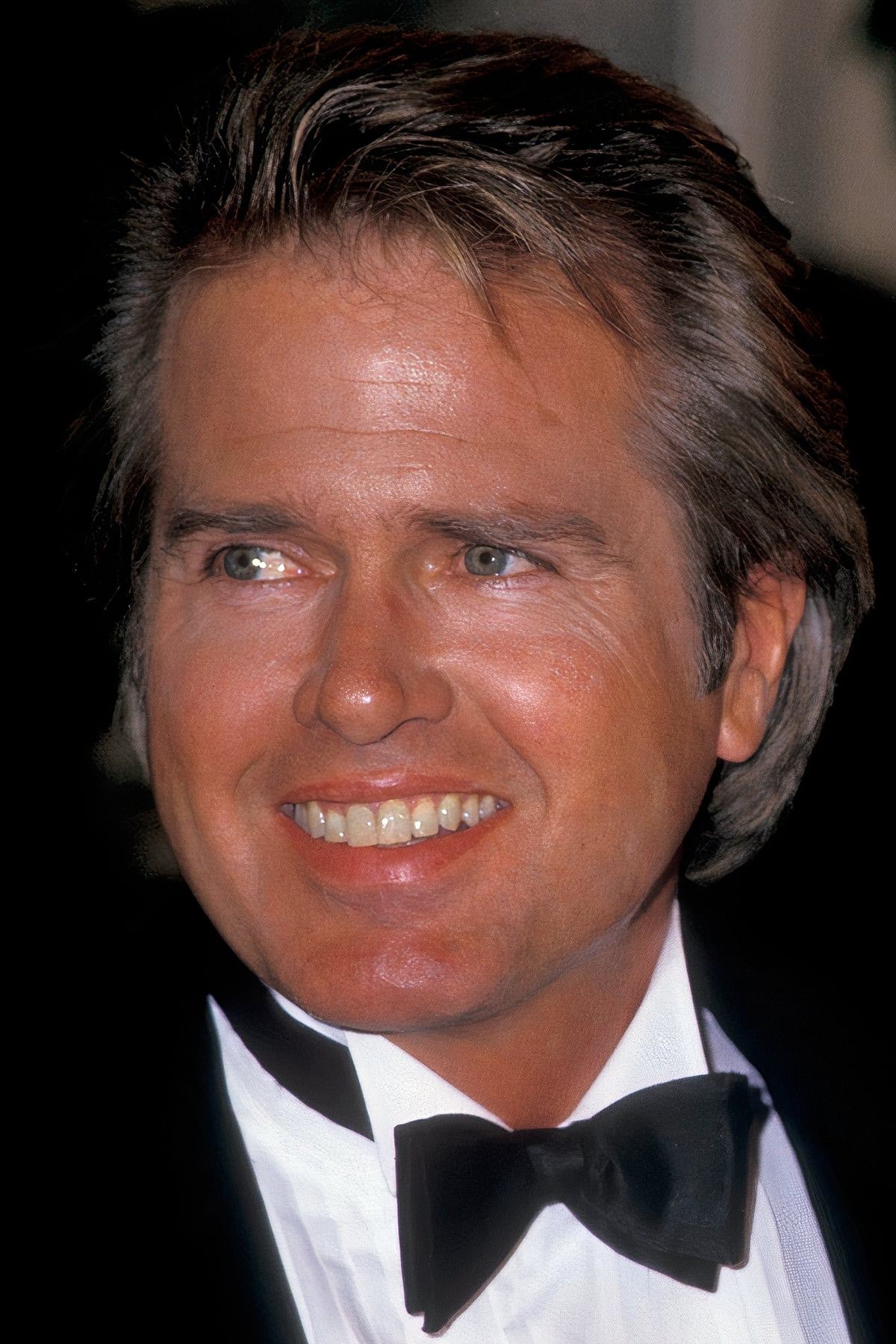
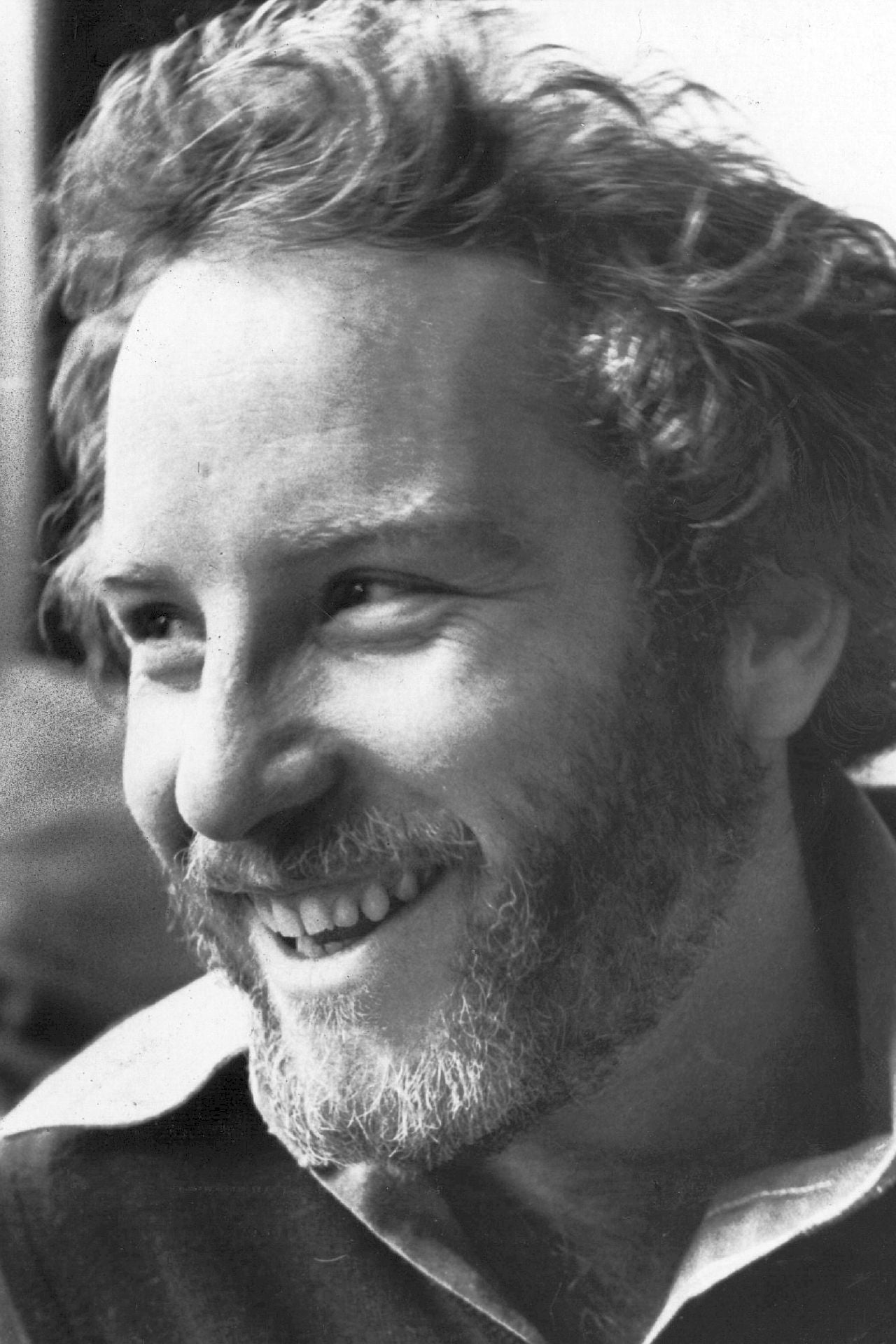
License plate on John Milner's car is "THX-138". THX 1138 (1971) is a film also directed by George Lucas. This number plate is on display inside 'The Main House' of LucasFilm's Head Office at Skywalker Ranch in Marin County.
Harrison Ford was asked to cut his hair for the film. He refused, stating that his role was too short, and offered to wear a hat instead.
The '55 Chevy Bob Falfa drove is the same '55 Chevy used in the movie Two-Lane Blacktop (1971).
They actually used 3 1955 Chevrolets in the film: the "hot rod" version that is seen the most, a car for interior camera shots, and one for the rollover after the drag race. Both the "hot rod" '55 and the 1932 Ford coupe were bought from the studio by an individual in Overland Park, Kansas in the mid-1980's who restored them back to their movie appearance.
When Charles Martin Smith pulls up on the Vespa in the beginning, his crash into the building wasn't scripted. He genuinely lost control of the bike, and Lucas kept the cameras rolling.
The Ford Coupe driven by Paul Le Mat's character had a 1966 Chevrolet 327 cu.in. engine. The black 1955 Chevy driven by Harrison Ford had a Chevrolet 454 cu.in. engine capable of doing 11-second quarter-mile times.
The owner of the Thunderbird was never more than a few feet away from his prized possession during filming, and was always wiping here and shining there. He also drove Suzanne Somers crazy telling her what to do and what not to do.
Cindy Williams originally wanted to play Carol, and was even willing to have braces put on her teeth for better effect.
During the sequence in which John and Carol smeared shaving cream on the 1960 Cadillac and deflated the tires, Paul Le Mat actually jumped onto and over the car during each take, and George Lucas became concerned that Le Mat's boots would put dents in the hood and trunk.
The Mel's Drive-in restaurant in the movie had been closed and was reopened specifically for filming. It was demolished after the movie was completed.
About 300 pre-1962 cars were needed to create the cruising scenes, and over a thousand car buffs who responded to ads in the local newspapers were interviewed.
Filmed in 29 days.
The entire sock hop sequence was filmed in one day.
As the plane takes off in the final scene, a Drive-in Movie screen can be seen in the distance. This was the original screen at the Solano Drive-in, which operated until the fall of 2004, and has since reopened, showing double-features as of December 2008.
This film is Kathleen Quinlan's first credited screen appearance. She plays Peggy, a girl who comforts Laurie, who just broke up with her boyfriend. Laurie's boyfriend is played by Ron Howard, director of Apollo 13 (1995), in which Quinlan starred.
The scene after the drag race in which John admits to Terry that he was losing when Falfa's car lost control and rolled was improvised by Paul Le Mat and Charles Martin Smith. They had not had time to prepare for that scene, as it had been scheduled to be shot at another time.
The scene at the liquor store in which Terry asks Debbie for money was shot in one take. Candy Clark wanted to do a second take because she flubbed her "Did you get it?" line, but Lucas said that was it, they were printing that first take.
Two cameras were used simultaneously in scenes involving conversations between actors in different cars. This resulted in significant production time savings.
The number 327 appears quite often in Lucas' movies. Here it is printed on the side of an engine. See also: Star Wars (1977), Star Wars: Episode V - The Empire Strikes Back (1980), and Star Wars: Episode I - The Phantom Menace (1999).
There is a rumor that while George Lucas and a co-worker were editing the film, the co-worker asked Lucas for "reel two, dialogue two", which abbreviated to R2-D2, a name which surfaced in Lucas' later film, Star Wars (1977).
Screenwriters Willard Huyck and Gloria Katz wanted an additional title card at the end detailing the fates of the women, but Lucas refused, arguing it would prolong the ending.
The soundtrack was originally to consist of some 80 classic rock and roll songs from the 1950s and '60s, but the budget couldn't stretch far enough to get licenses to afford that many. It was eventually whittled down to 45, with the Elvis Presley songs left out.
Filming was beset by a series of misfortunes and disasters. The day before filming was due to start a key member of the crew was arrested for growing marijuana. On the first night of shooting it took so long to get the cameras mounted onto the cars that filming didn't get started until 2 a.m., putting the crew half a night behind schedule before they'd even started. Most of the outdoor footage was to be shot in San Rafael. After the first night of shooting the city revoked the crew's filming permit due to complaints from a bar owner that their blocking off of the main street was costing him business. Filming proceeded in San Rafael for three more nights, then moved to Petaluma, 20 miles away. On the second night of shooting a fire in a nearby restaurant brought fire trucks into the area, their sirens and the resulting traffic jam preventing any filming. During the filming of Milner's deuce coupe, assistant cameraman Barney Colangelo slipped off the trailer of the camera truck and was run over, suffering minor injuries. Paul Le Mat also ended up being rushed to hospital after suffering an allergic reaction to the walnuts in the Waldorf salad he had at dinner. Another night LeMat threw Richard Dreyfuss into a swimming pool, gashing his forehead on the day before he was due to have his close-ups filmed. Dreyfuss also had wardrobe complaints - he refused to wear the loud Bermuda shorts and shirt Lucas had chosen for his character. During the filming of the drag race between Milner (LeMat) and Falfa (Harrison Ford), the car's axle broke and was replaced. On the second try, the replacement axle broke. On the next try the car failed to veer off the road as planned, narrowly missing two cameramen lying on the road.
Shot almost exclusively at night.
The film was shot in sequence, so as filming went on and the actors grew tired from the shooting schedule, the characters they played would also look more and more tired as the night went on.
The film was previewed before an audience of young people in Northpoint Theater, San Francisco, on a Sunday morning with Universal Studios rep Ned Tanen in attendance. In a story that is now legendary in Hollywood, Tanan was not impressed with the film, despite a good audience reaction, and called it "unreleasable". Francis Ford Coppola, enraged at the comment, offered to buy the film from Universal (some stories claim he offered to write the check then and there) while the exhausted, burned-out and ill George Lucas watched in shock. A compromise was finally reached whereby Universal could "suggest" modifications to the movie, a resolution Lucas was not happy with, as it took control of the film away from him.
The three scenes that were added to the 1978 re-release were cut from the original release as a result of the compromise with Universal Studios. George Lucas put them back in after Star Wars (1977) was released.
The TV show that Curt is watching through the store windows while he sings along with The Platters' song ''The Great Pretender'' is "The Adventures of Ozzie & Harriet" (1952).
The film's budget was exactly $777,777.77, and it was delivered on time - and on budget.
When John and Carol are sitting at the red light, the car full of girls pulls up next to them, one of the girls throws a water balloon through the window and it hits Carol (Mackenzie Phillips). It was scripted to hit the side window and drench Phillips' face, who was then supposed to act really angry. However, she was accidentally hit square in the face and unable to refrain from laughing. Still, she kept going, ad-libbed through the scene and Lucas kept it, as he did with many presumably garbled first takes in this movie.
Dissatisfied with the name "American Graffiti", producers Francis Ford Coppola and Ned Tanen suggested that George Lucas retitle it "Another Slow Night in Modesto" or "Rock Around the Block".
After the success of Easy Rider (1969), Universal Studios hit upon the idea to let young filmmakers make "semi-independent" films for low budgets in hopes of generating similar profits. The idea was to make five movies for low budgets (one million dollars or less), not interfere in the filmmaking process, and give the directors final cut. The other movies were: The Hired Hand (1971), The Last Movie (1971), Taking Off (1971), and Silent Running (1972).
Wolfman Jack, who played himself in the movie, was specifically chosen by George Lucas to play a role in the movie because Lucas remembered listening to him on the radio when Lucas was in high school.
Wolfman Jack's line, "Sticky little mothers, ain't they," when shaking Richard Dreyfuss's hand, was improvised.
Re-released as a double feature with The Sting (1973).
One of the main reasons why so many studios initially turned down the script was because George Lucas wanted at least 40 songs on the soundtrack, which would obviously lead to a large bill over the rights to these songs. Universal finally agreed to fund the picture when Lucas' friend Francis Ford Coppola (fresh from the success of The Godfather (1972) the year before) came on board as producer.
In 2007, the American Film Institute ranked this as the #62 Greatest Movie of All Time.
The scene in which Steve assures Laurie he is staying in town and not going with Curt was shot in one take. Ron Howard and Cindy Williams had already been released from shooting and were in their street clothes when they were told to put their costumes back on so they could shoot that scene.
The Douglas DC-7 airplane, shown at the end of the movie was previously owned by the rock group Grand Funk Railroad.
When the rear wheels/axle of Holstein's police car get yanked out by the cable, there is a movie theater in the background. The movie listed on the marquee is Francis Ford Coppola's Dementia 13 (1963).
Set designer Roger Christian claims he added the pair of dice hanging in the Millennium Falcon cockpit (briefly seen when Chebacca bumps his head on them as he first enters) because there were dice hanging in Harrison Ford's car in American Graffiti (1973). However, Ford's character had a skull hanging from his rear-view mirror. Ron Howard had the fluffy dice.
When Wolfman Jack makes an on-air prank call to Pinky's Pizza, the voice on the other end belongs to George Lucas.
When Curt is riding with the Pharaohs, we hear Wolfman Jack talking to "Floyd" and saying "Floyd, I cannot look on thee. Love took my hand, and smiling did reply: 'Who made the eyes but I?' " This is a quote from the poem "Love Bade Me Welcome" by the Welsh metaphysical poet George Herbert (1593-1633) (the poem says "Ah my dear, I cannot look on thee"). When Curt is riding with the Pharaohs, we hear Wolfman Jack reciting, as if it was a poem, "There stood a log cabin made of earth and wood, where lived a country boy . . . ." The words are from "Johnny B. Goode" by Chuck Berry.
Incorrectly regarded as goofs: The Botts Dots (raised reflective lane markers) were perfected by Elbert D. Botts in the 1950s.
Continuity: While John and Carol are cruising, the pack of Camels rolled up in John's sleeve switch front showing to back showing through the shirt fabric.
Continuity: John Milner's hot rod is missing the front license plate in some scenes.
Anachronisms: Television sets in the store window are early-1970s models.
Anachronisms: The coin telephone at Mel's is a model that didn't go into general use until the late 1960s.
Continuity: The license plate on the Studebaker with the girls from Turlock is the same as the plate on Steve's '58 Chevy.
Anachronisms: When John is stopped by the policeman, he's a few feet from a movie theater. The movie poster is for Cabaret (1972).
Factual errors: In the final scene Curt walks toward the airplane's open door to board while the number one engine (left outboard) is starting up. In real life, a pilot would never start an engine on the boarding side with a door still open and passengers behind a running engine.
Incorrectly regarded as goofs: Set in 1962, but a cinema marquee advertises Dementia 13 (1963). This was done on purpose by George Lucas, because Dementia 13 was Producer Francis Ford Coppola's first movie.
Anachronisms: When Milner has a run-in with Officer Holstein, the Wolfman Jack montage on the radio contains a clip from the song "Grazing In The Grass" by the Friends of Distinction, released in 1969.
Continuity: When Carol is on the hood of the car being shaving-creamed, she covers the front windshield with shaving cream and jumps off, but as she runs around the car, there's no shaving cream anywhere on it.
Anachronisms: The pinball machines that the Pharaohs rob are all newer than the 1962 setting of the film. Buckaroo-1965 Base Hit-1967; Royal Guard-1968; Wild Wild West-1969; SkyRocket-1970; Vampire-1971.
Miscellaneous: When Terry is trying to buy liquor, the sign on the door of the liquor store, although apparently appropriate to the period ("Winston" ad), says "Push" on the "Pull" side of the door.
Continuity: While talking to Kurt at the radio station, Wolfman Jack pulls the tone arm off of a turntable. Seconds later, he does it again.
Anachronisms: Guitar played by lead guitarist of "Flash Cadillac & The Continental Kids" at the sock hop plays a post-1966 Fender Stratocaster (with the CBS headstock, and a rosewood fretboard which wasn't made till late '62).
Anachronisms: In one of the first cruising scenes where Toad is trying out his new wheels, he drives past a 1967 Impala parked on the curbside.
Miscellaneous: Just before Curt goes to sit down on the car to watch TV he is running through the intersection on foot and behind him there is a 1973 Olds Cutlass.
Continuity: When Falfa's car rolls over, the trunk lid is open. When it blows up it is closed.
Miscellaneous: Toad crashes his Vespa and walks away, and in the very next shot it is standing up and nicely parked.
Continuity: When Wolfman is talking to Curt, the position of the top-right-hand tape in the rack behind him keeps moving up and down by one slot between shots.
Continuity: Milner stops at the gas station to open his headers in preparation for the race with Falfa, but there is exhaust visible from his tailpipes at the back of the car (due to the cold weather) as he's at the starting line on Paradise Road.
Continuity: When Carol and Milner jump out of the car to get the car full of girls, they leave the doors open. When running back in, the doors have been closed.
Anachronisms: When Carol and John are walking through the junkyard they go past many 1963, 1962, 1961, and 1960 cars. It would be improbable for these "late model" cars to already be in a junkyard in 1963. There is a 1963 Studebaker Lark, a 1961 Pontiac, and a 1960 Ford for instance.
Continuity: After Falfa rolls his Chevy, Milner aids him up the slope to the roadside. Falfa clearly has his white cowboy hat in his hand. Edit scene to the Chevy explosion. Scene cuts back to Milner handing Falfa his white cowboy hat.
Continuity: As Toad pours the Old Harper into a coke bottle, it's twilight. When Toad gets back into the car and hands Debbie her drink, the passenger window reveals total darkness. Moments later (after Toad and Debbie discover the car missing) they're walking down a dirt road in the sunlight.
Continuity: In the beginning, Falfas' 55 has chrome wheels. But when he rolls the car, it has painted wheels.
Anachronisms: At the airport when Curt is ready to leave for college, there is a 1964 van parked nearby.
Crew or equipment visible: When John Milner is cruising the strip for the first time he is supposedly alone in his rod, however right after the guy in the black coupe tells John to watch out for the cops, you can see that there's someone in the passenger seat beside him.
Continuity: When Milner gets blasted with the shaving cream, he wipes it away with his hand - all but a small smudge between his eyes. Even though he missed this smudge, it's clearly gone the next time we see his face.
Continuity: The popsicle the radio station DJ is eating disappears.
Continuity: Amount of shaving cream on the car when Milner and the young girl began blasting it on there.
Continuity: Toad backs Steve's car into another car, but his rear bumper is clearly undamaged in all subsequent scenes.
Anachronisms: Curt watches "The Adventures of Ozzie & Harriet" (1952) on televisions in a store window, sometime close to midnight. Sitcom reruns were not late-night staples in 1962, and "Ozzie & Harriet" was never scheduled later than 9:00 PM in prime time.
Continuity: In the latter half of the film, it's alternately sunrise/still night between shots.
Continuity: In some scenes, John Milner's yellow coupe has a windshield wiper on the driver's side; in other scenes it doesn't have it.
Boom mic visible: During the Curt/Wolfman scene, the boom mike is seen moving in the reflection on the studio window behind Wolfman Jack.
Continuity: For the original release, John Milner was shown to have died in June 1964, for the re-release John was shown to have died in December 1964. This was done for continuity's sake prior to the release of "More American Grafitti".
Revealing mistakes: In the scenes with the convertible Volkswagen Beetle, the exterior of the car is painted a shiny candy apple red. However, the interior shots reveal the door panels being painted white.
Revealing mistakes: When Falfa's '55 Chevy rolls over and reveals the inside of the trunk, it can be seen that the car used in the movie was originally white, and not black.
Continuity: When Curt is talking to Wolfman Jack, the studio clock says 10:25. But a short time later, everyone else is heading down 'Paradise Road' for the drag race at dawn.
Anachronisms: The Citroen 2CV Kurt drives, which has three windows on each side, was not in production until 1966.
Anachronisms: The Beach Boys song "All Summer Long" - which plays over the end credits - was released in the Summer of 1964 although the movie is set in the Summer of 1962, some two years before the song's release.