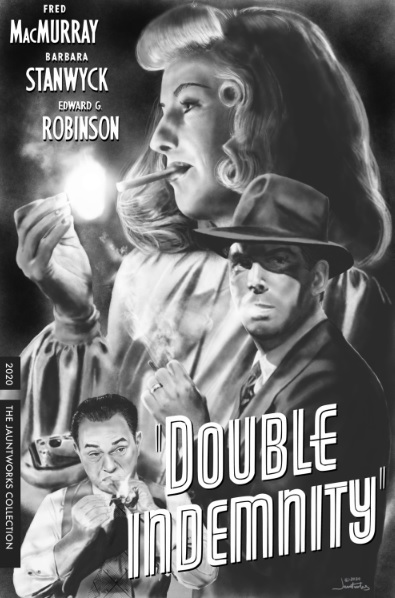
Double Indemnity (1944)

In 1938, Walter Neff, an experienced salesman of the Pacific All Risk Insurance Co., meets the seductive wife of one of his clients, Phyllis Dietrichson, and they have an affair. Phyllis proposes to kill her husband to receive the proceeds of an accident insurance policy and Walter devises a scheme to receive twice the amount based on a double indemnity clause. When Mr. Dietrichson is found dead on a train track, the police accept the determination of accidental death. However, the insurance analyst and Walter's best friend Barton Keyes does not buy the story and suspects that Phyllis has murdered her husband with the help of another man.
IT'S LOVE AND MURDER AT FIRST SIGHT!
Walter Neff: Yes, I killed him. I killed him for money - and a woman - and I didn't get the money and I didn't get the woman. Pretty, isn't it?
6301 Quebec Drive, Hollywood Hills, Los Angeles, California, USA
(Dietrichson house)
1825 N. Kingsley Drive, Hollywood, Los Angeles, California, USA
(Walter Neff's apartment)
La Golondrina Cafe, Olvera Street, Downtown, Los Angeles, California, USA
Raleigh Studios - 5300 Melrose Avenue, Hollywood, Los Angeles, California, USA
Burbank Southern Pacific Station, N Front St, Burbank, California, USA
(as Glendale Station)

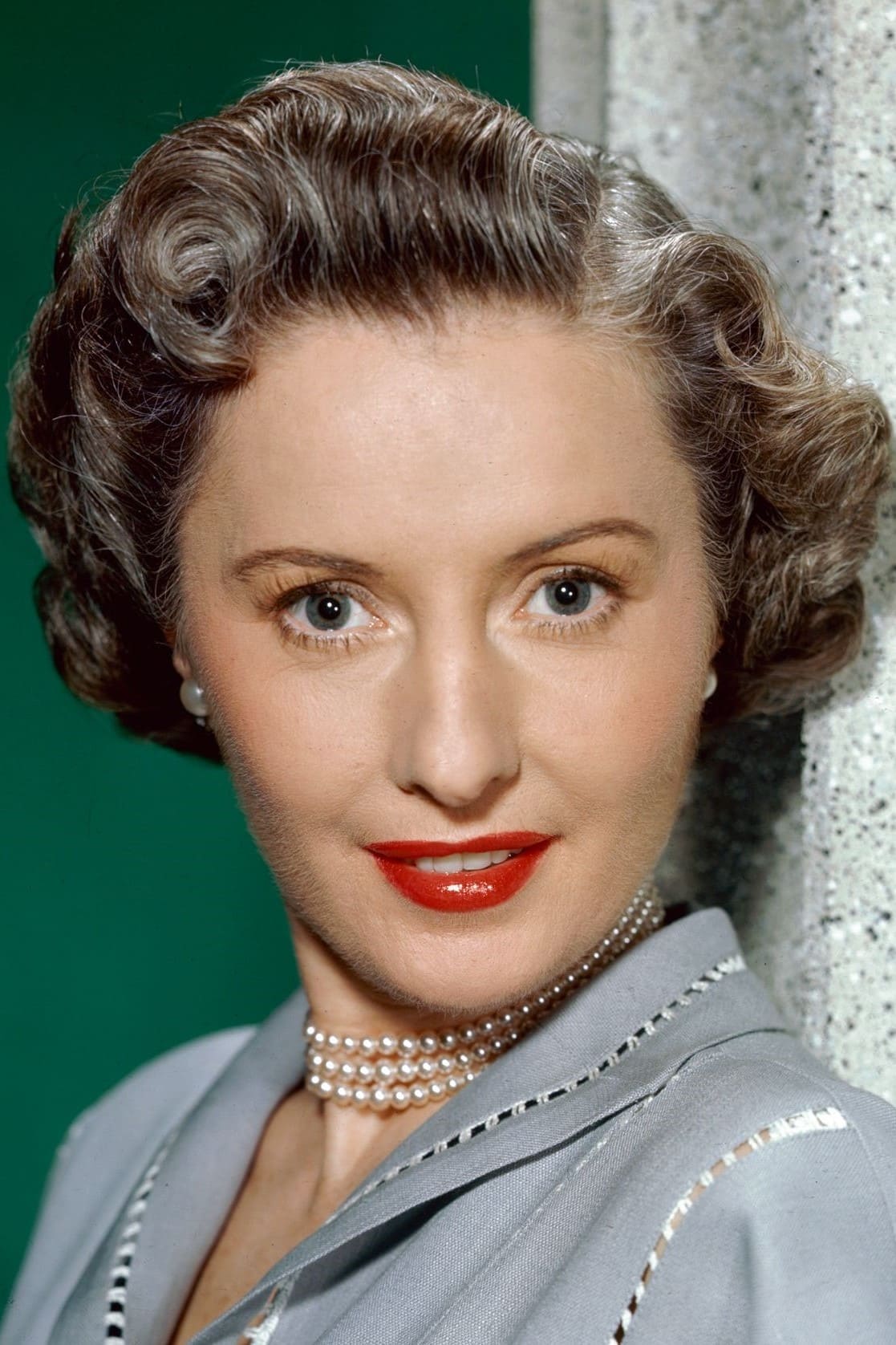
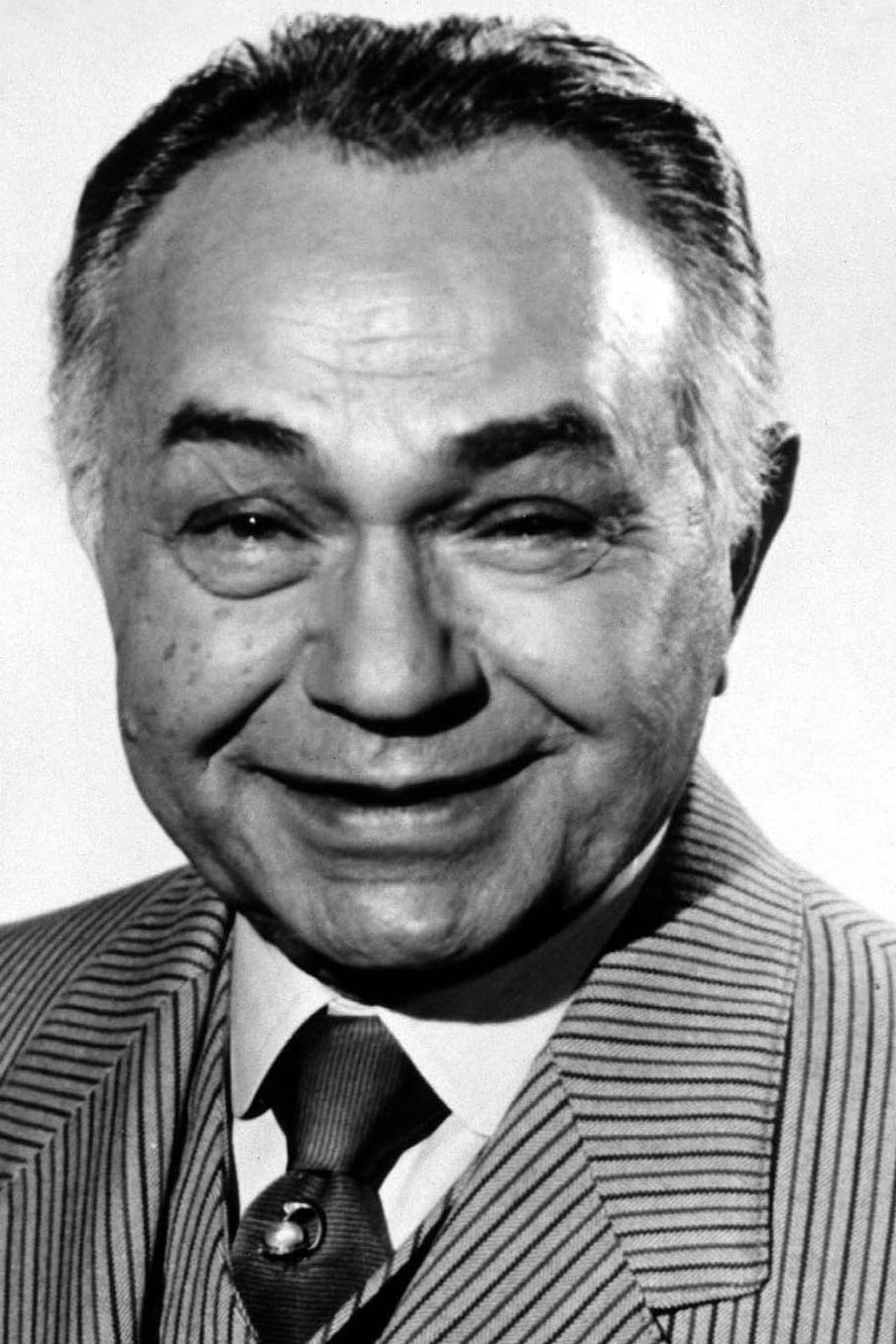
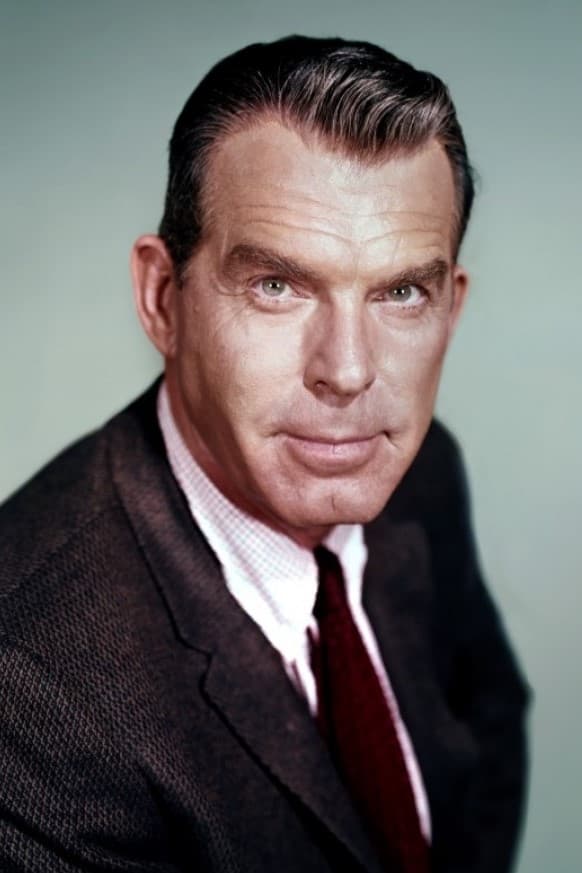
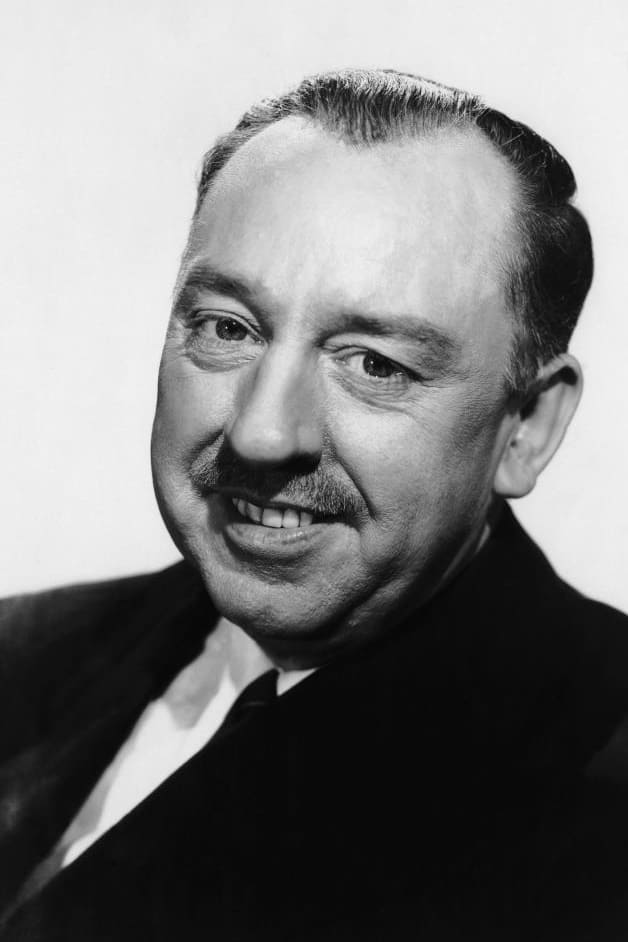
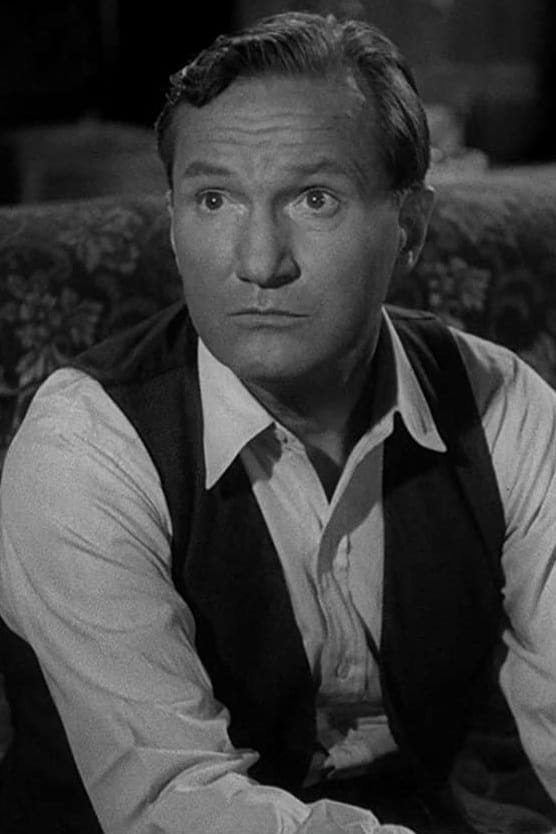
The house used as Barbara Stanwyck's character's home still stands today at 6301 Quebec Drive.
Author James M. Cain later admitted that if he had come up with some of the solutions to the plot that screenwriters Billy Wilder and Raymond Chandler did, he would have employed them in his original novel.
Edward G. Robinson's initial reluctance to sign on was largely because he had been demoted to third lead. Eventually, he realized that he was at a transitional phase of his career, and was getting paid the same as Barbara Stanwyck and Fred MacMurray for doing less work.
When Walter Neff first meets Phyllis Dietrichson, much attention is paid to her ankle bracelet ("anklet"). Urban legend states a married woman wears an anklet on her RIGHT ankle it indicates she is married but available to other men.
Due to strict wartime food rationing, policemen were stationed in the store where a scene with Fred MacMurray and Barbara Stanwyck was filmed, to make sure nobody on the film crew was tempted to take away any of the food. Paramount released publicity stills showing four policemen in the store with MacMurray and Stanwyck.
Continuity
When Neff stumbles into the office building at the beginning, he is hiding his wound under an overcoat; he grabs that overcoat as he leaves the office at the end. But he's had no overcoat when he goes to Phyllis' house, nor does he leave with one, nor have one when he talks to Nikko from the bushes . . . and why would he: it's mid-July in L.A.
Early in the film, as Phyllis finds Walter's address in the phone book and goes to his apartment, Neff turns on a three-way lamp by the door using a switch on the wall. Later in the film, the lamp is gone.
After Neff meets with the President of his company, he returns to his apartment and places a folder on the chair to the right of the door. When Keyes comes to the door, after Neff's brief phone conversation, the folder is nowhere to be seen.
When Walter and Phyllis are kissing and talking on his couch, they show Phyllis with her left hand, palm up; next shot is a side angle where she suddenly has her left hand caressing Walter's cheek.
When Walter Neff enters his flat before Keyes arrives his golf clubs are leaning to the left against the wall. When he goes to answer the door they are leaning to the right against the cabinet.
Factual errors
When Phyllis is listening at Neff's door as he talks with Keyes, Keyes exits into the hallway and Phyllis hides behind the door. The door opens into the hallway which isn't allowed by building codes, even back then, but it does give Phyllis something to hide behind and increases the tension.
Throughout the entire movie, Walter wears a wedding ring on his left hand despite the fact he is unmarried. Fred MacMurray was married and the ring was not noticed until post-production.
Walter Neff is dictating the whole story in flashback format on a Dictaphone Cameo Model, which, even with the "Longer Play" cylinders with 200 grooves per inch could record up to 4.5 minutes. He pulls his cylinder from a 6 cylinder holder. Even if he used all 6 cylinders, that would only allow 27 minutes of recording. But the time between turning the Dictaphone on and off is 1 hour and 38 minutes.
The tail sign said Southern Pacific 19. In 1939 train 19 became the KLAMATH which ran between Oakland and Portland and not southern California.
Incorrectly regarded as goofs
When Dietrichson's body is discovered on the tracks, and presumed to be the victim of an accident, his body would have been taken to the medical examiner's office for identification and autopsy. It might be thought how this would quickly reveal that he had been strangled, and had not fallen from the train due to the absence of bruises on the body - except Neff did not strangle Dietrichson in the car (he snapped the man's neck); and bruises on the body are possible but not guaranteed with such a small fall at low speed with the prime impact taken by the back of the man's neck.
When Keyes approaches to speak to Neff as Neff enters work one morning, Neff asks Keyes if it has to do with the "Peterson" case. The name of the character in question is "Dietrichson," not "Peterson". However, this could be seen as Neff's try to show no interest to the case.
Revealing mistakes
In the first scene in which Walter first kisses Phyllis, we see a wedding ring on Walter's hand. Fred MacMurray was married and the ring was not noticed until post-production.
When Phyllis arrives at Neff's door, she did not have an umbrella or a hat. However there is a downpour outside therefore her hair and face should have been drenched. In addition her coat only had a few rain droplets on it when it too should have been soaked.
When Walter and Phyllis retrieve the crutches from the railroad track to position them elsewhere, both put their fingerprints on them.. While Phyllis's prints might easily be explained, since she was Mr. Dietrichson's wife, it would be very difficult to explain Walter's prints, and they would have been even more pervasive since he'd actually used the crutches. Keyes even surmised that someone else had posed as Dietrichson on the train.
When Phyllis prepares to meet Neff for the last time, the effect of "moonlight" through the blinds appears in the room just before she turns out the lamps.
After Walter is shot by Phyllis, he places his hand over his lower arm to indicate where he was shot. After he leaves the house, he places his hand over his upper arm.
Miscellaneous
Neither Walter nor Phyliss seems to have anticipated someone sitting on the rear platform of the observation car, even though this would obviously be a popular place on the train. In fact, there may have been several people there. Nevertheless, after Walter distracts Jackson and persuades him to leave, Walter jumps from the train at the exact spot Phyliss has parked the car.
Anachronisms
Although set in 1938, Walter Neff makes reference to the "The Philadelphia Story", which did not debut on Broadway until 1939, and on film until 1940.
The movie is set in 1938, but at Stanwyck's house the radio is playing "Tangerine" which wasn't written until 1942.
The movie is set in 1938 but at 00:39:44 a 1941 Mercury coupe is shown passing in the street in front of Jerry's Market.
The film is set in 1938, yet Phyllis and Lola have hairstyles and Walter Neff has business attire more characteristic of the WWII era.
Neff quotes $147.50 to Dietrichson for the auto insurance renewal. That would be more than $2,500 in today's dollars, but Dietrichson doesn't even question it.
Errors in geography
When Neff is recording his confession he says that one night he and Lola went up on the hills behind the Hollywood Bowl. However the view is the front of the Hollywood Bowl therefore they cannot be on the hills behind it.
Plot holes
In the novel, Dietrichson's corpse is carried from the car to the railroad tracks. However, Fred MacMurray drags the body. A postmortem examination would show dirt and damage to the trousers and shoes, showing that he had been dragged.
It made no sense for Walter Neff to go to Phyllis' home to taunt her over the fact that Keyes was convinced that she and Nino Zachetti were guilty of murdering her husband and was going to so inform the police, and that he, Neff, was off the hook.
SPOLER: It is never explained why, if Walter intended fleeing to Mexico, he did not go there right away instead of staying behind to record his confession, thus delaying himself long enough to be captured.
Walter Neff planned on having Phyllis' stepdaughter witness the accidental death insurance policy on Phyllis' husband, but that never happened. The stepdaughter had left the house before Phyllis's husband signed the policy.
Character error
Neff's fingerprints were all over the crutches when they were left on the railroad tracks. They should have been checked for prints by the police to determine if anyone else had held or touched them other than Dietrichson. It is unclear why Keyes, after coming up with the theory that Dietrichson had been murdered, did not call for the crutches to be examined for prints other than Dietrichson's.
Keys says of Dietrichson, "The guy had a broken leg." In fact, he had only a broken ankle. If his leg had been broken, it would have been entirely encased in plaster. As it is, only his foot is in a cast.