
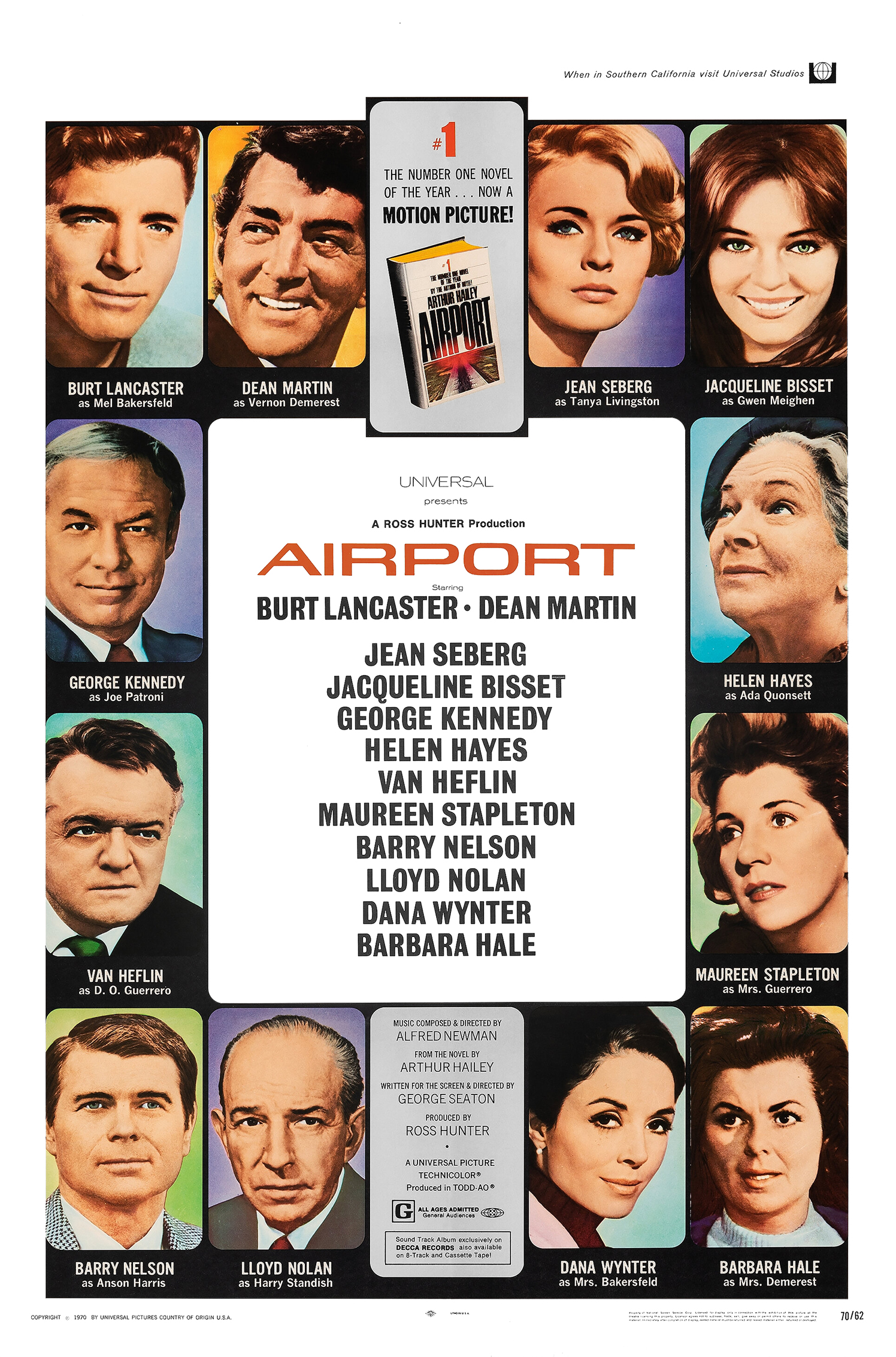
Airport (1970)

This precursor to later "epic" 1970s disaster films presents 12 hours in the lives of the personnel and passengers at the "Lincoln Airport." Endless problems, professional and personal, are thrown at the various personnel responsible for the safe and proper administration of air traffic, airline management, and aviation at a major US airport. Take one severe snowstorm, add multiple schedules gone awry; one elderly Trans Global Airlines stowaway; shortages; an aging, meretricious pilot; unreasonable, peevish spouses; manpower issues, fuel problems, frozen runways; and equipment malfunctions, and you get just a sample of the obstacles faced by weary, disgruntled personnel and passengers at the Lincoln Airport. Toss in one long-suffering pilot's wife, several stubborn men, office politics and romance, and one passenger with a bomb, and you have the film "Airport" from 1970.
The #1 novel of the year - now a motion picture!
Ada Quonsett: When you get to be older, there isn't a lot left to be frightened of.
Minneapolis-Saint Paul International Airport, Minneapolis, Minnesota, USA
Stage 28, Universal Studios - 100 Universal City Plaza, Universal City, California, USA





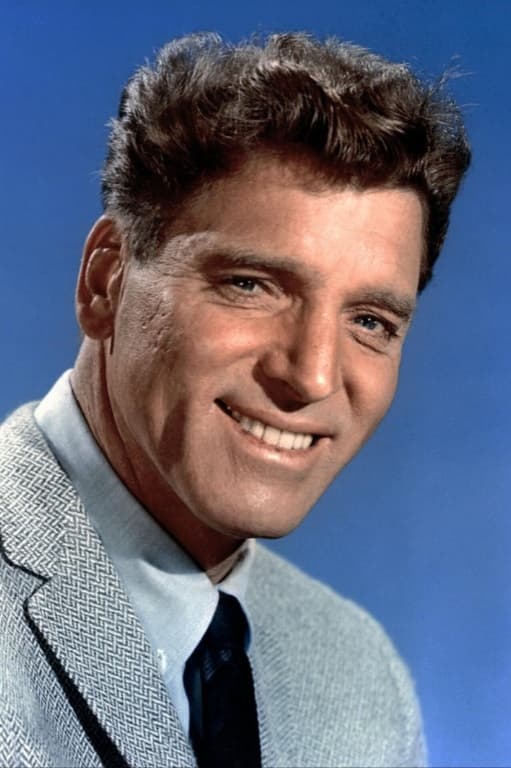

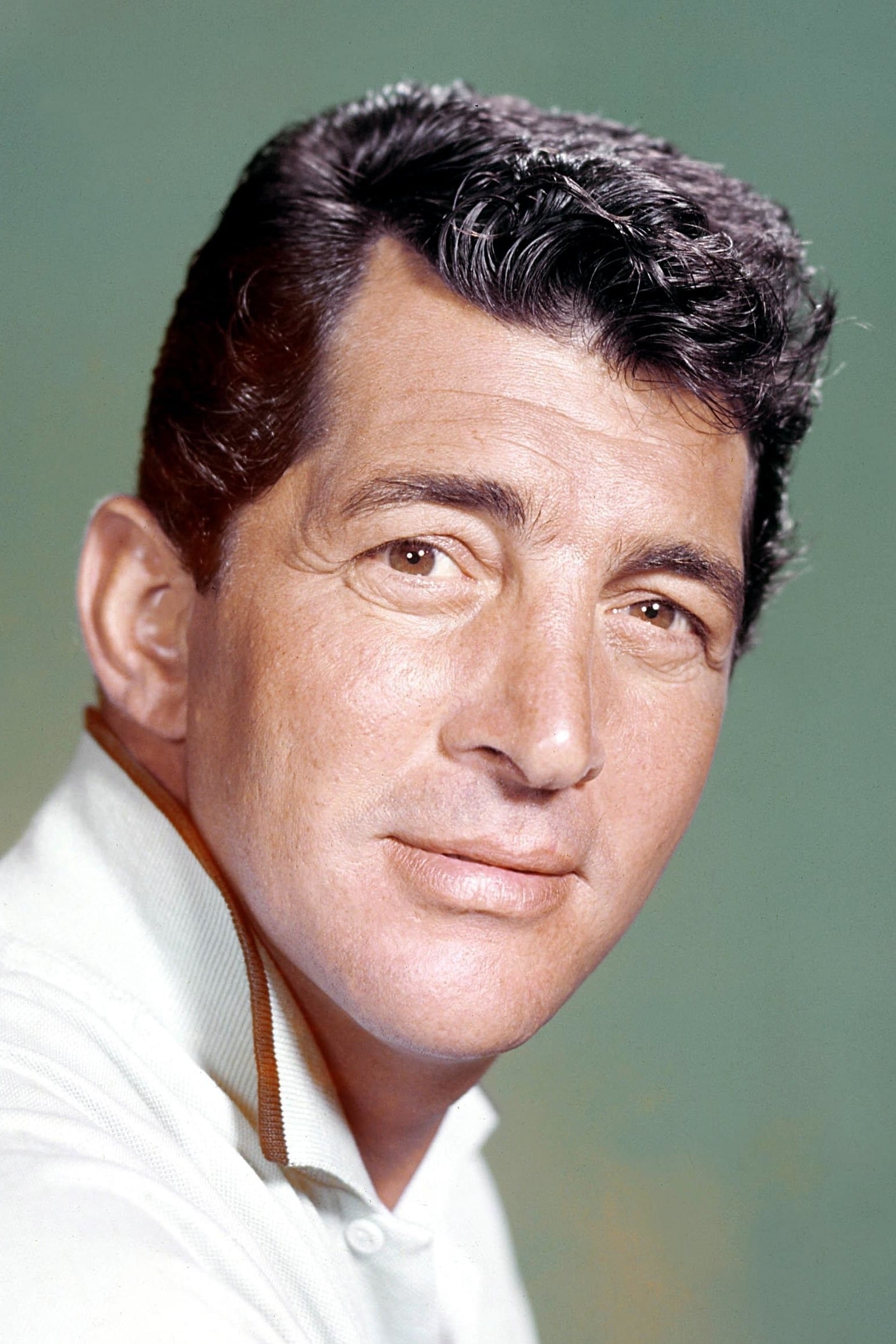



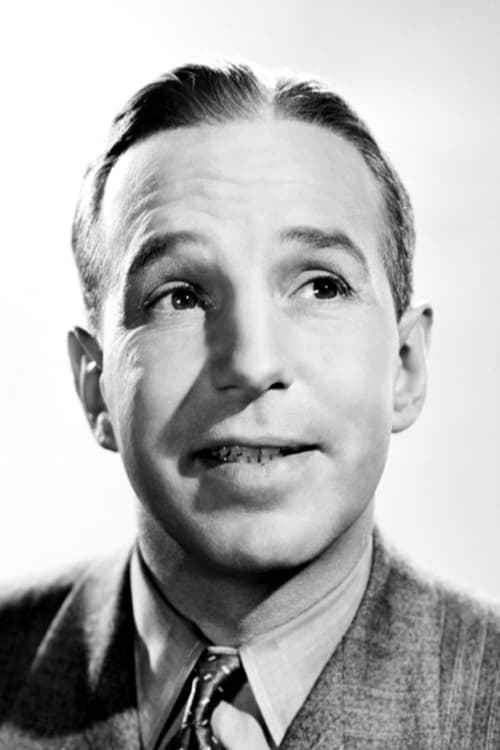

Burt Lancaster, who headlined the movie above the title with Dean Martin, made a great deal of money from the film, which was a huge hit. His contract gave him a 10% profit participation once the movie hit $50 million; it grossed $45.3 million in North America alone. Despite the financial windfall, Lancaster said that the movie was "the worst piece of junk ever made." He said he only made this film in return for the studio agreeing to finance several non-commercial films, in which he was interested. Lancaster added it was a joke that this film was nominated for any awards at all.
Patty Poulsen (Joan), one of the stewardesses aboard the "Golden Argosy" in her only film role, was a stewardess for American Airlines. She was the winner of a stewardess beauty contest in which one of the prizes was a role in this film. She was also used heavily in American Airlines' advertising of its new uniforms during the mid to late 1960s, photos that have, more recently, appeared in several different coffee table books celebrating the history of the airline hostess.
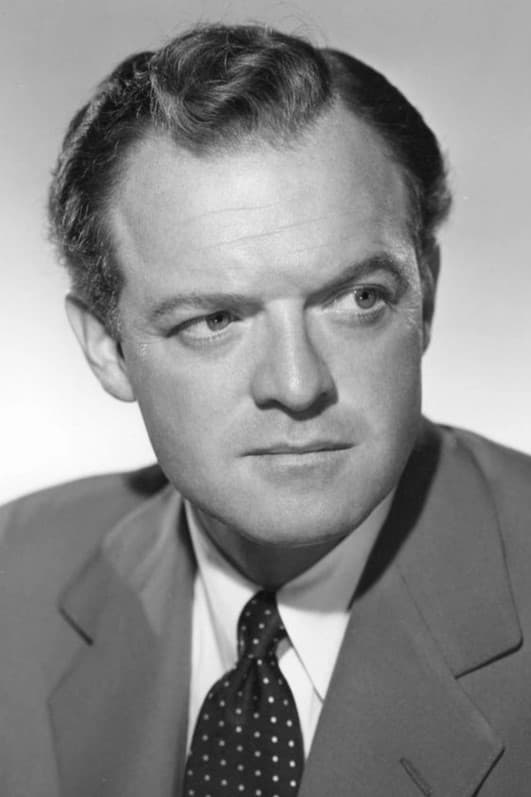
Final theatrically released film of Van Heflin.
The Boeing 707 (a 707-349C, serial #19351-the 503rd 707 off the production line-originally registered N324F), was leased to Universal Pictures from Flying Tiger Airlines (now merged with FedEx) for the filming of the exterior shots. After filming was completed, the aircraft returned to Flying Tiger and was later sold, going through various owners before meeting a tragic end: it crashed while on landing approach on 21 March 1989, in S?o Paulo, Brazil.
The field and terminal scenes were filmed entirely at the Minneapolis/St. Paul International Airport, due to the abundance of snowfall during the winter months there, although at first, the film's producers were forced to use bleached sawdust as a supplement, to make up for the lack of falling snow, until a snowstorm hit the Twin Cities area during production.
Continuity
Just after Joe Patroni says in the stuck plane "Ready to start, pressurize" when Mel Bakersfeld looks at the stuck plane from the rear it is on a clean tarmac not in the snow.
There is a scene late in the film as the 707 starts its descent into Lincoln. The shot shows that its landing gear is down. Later on as the 707 prepares for final approach, the pilot asks for the landing gear to be lowered. But it already has been.
When Joe Patroni is explaining to the management about the aftermath of the bomb on the 707, his unlit cigar is suddenly lit and smoke is circling as if it has been lit the entire time.
In Gwen's apartment kitchen Vernon is seen drying a tea cup. Behind him is a cupboard with cups hanging from every hook. But when goes to hang the dry cup in the cupboard there are empty hooks available.
In several scenes which are supposedly sequential, the snow on the roof of Mobile One (the station wagon with the emergency light on top) appears and disappears.
Factual errors
When Mel and Tanya are out in the station wagon, he wants to listen to the aircraft radio conversation. He asks for the frequency, and the dispatcher gives him an aeronautical frequency (in the 116 MHz range). The scene cuts to his car radio, which only covers from 150-174 MHz (police and public service). There is no way he could listen to the aircraft conversation on this radio.
When Joe Patroni is attempting to move the stuck 707, Bakersfeld is standing beside his car to watch, very close to the plane. Without some sort of hearing protection, he would have been very quickly deafened by the noise - a 707 at takeoff thrust is incredibly loud. Even from a half mile away, the noise is enough to cause physical pain unless hearing protection is used (from contributor's personal experience).
Demerist is told the Cleveland Center frequency is 117.5, and Mel is given 117.1. Air voice frequencies start at 118.00.
Near the end of the movie when the passengers are deplaning among the first out are a pair of flight attendants. Flight crew would be the last to leave.
There are two letters shown that are supposed to have originated in Chicago but have incorrect zip codes. The letter that Mrs Guerrero receives with the refund from the travel agent says "Chicago Illinois 20090", which would actually be in Washington DC. The other letter is the insurance policy that Mr Guerrero mails to his wife with a return address of "Chicago Illinois 62290", which would be in Waterloo, IL.
Incorrectly regarded as goofs
Before the landing Capt. Demerest requests a PAR approach. The Air Traffic Control officer replies "Roger this will be a Precision Radar Approach..." which would have an acronym of PRA. However, PAR refers to Precision Approach Radar, the type of radar equipment used in the approach. The approach itself is commonly referred to as a "Precision Radar Approach" by pilots and controllers. Confusing, but the movie lines are accurate.
As the damaged 707 approaches the end of the runway Captain Harris calls for "right rudder". The 707 rudder pedals provide a low level of steering (though the steering tiller provides more) and the aerodynamic force on the still moving aircraft helps. In addition, stepping on the tips of the rudder pedals activates the wheel brakes on each side of the aircraft. Calling for "right rudder" was correct.
When a rapid evacuation is needed the aircraft stops on the runway and deploys slides but this is not without potential for further injury. If the crew deems it safer, the aircraft can indeed deplane at the gate.
Revealing mistakes
Both the aircraft stuck in the snow, and the Rome flight use an aircraft marked with registration N324F.
During the opening credits, various shots are shown of the parking lot outside the airport. In one scene, a numbered sign is reversed indicating that the film has been flipped from left to right.
When Captain Demerest explains to the flight attendant that his copilot is required to wear an oxygen mask whenever the captain is absent from the flight deck, the flight attendant silently mouths his dialog as he speaks.
The explosive decompression would result in a rapid change in the relative humidity within the cabin, which would have caused water vapor in the air to cool and condense into fog. (Joe Patroni even pointed this would happen in an earlier scene when he describes what the bomb would do.) Nevertheless, there was no fog in the cabin following the explosion.
When Burt Lancaster is in Mobile One and says that he wants to listen in to the tower/aircraft radio transmissions, he's told to tune to 117.1, when he's shown tuning the in-car radio, he tunes to about 171.
Miscellaneous
Capt. Benson, the pilot of the Boeing 707 that gets stuck just off the runway, says "You might tell your mechanic that I've got three million miles in the air". Pilots do not their state experience level as "...miles in the air". Rather, they state it as "...hours in the air". All pilots are required by the FAA to keep a record of their total flight hours in a personal Pilot Logbook.
In the landing approach scene, when the pilots are seen from behind as the runway lights appear, the pilots clearly are not Dean Martin and Barry Nelson.
As the passengers are deplaning near the end of the movie, the young boy (credited as "Italian Boy") being carried by his mother waves at the camera.
The snowstorm seems to have no effect whatsoever on visibility.
Crew or equipment visible
In older releases, when the plane is shown flying out of and over the cloud cover, wires can be seen holding the aircraft up. The wires are not visible in the DVD version, except the first time the plane is shown flying up out of the cloud cover, when you can see the wires holding up the plane.
When Ada Quonsett (Helen Hayes) first enters the plane, she goes into the on board lavatory and when she opens the door, you can see a crew member behind her in the lavatory.
Character error
When Captain Demerest is reading off the plane's intended flight path to Rome, he refers to it passing over "Saint John, Newfoundland". The city in Newfoundland is called St. John's; Saint John is a city in nearby New Brunswick.