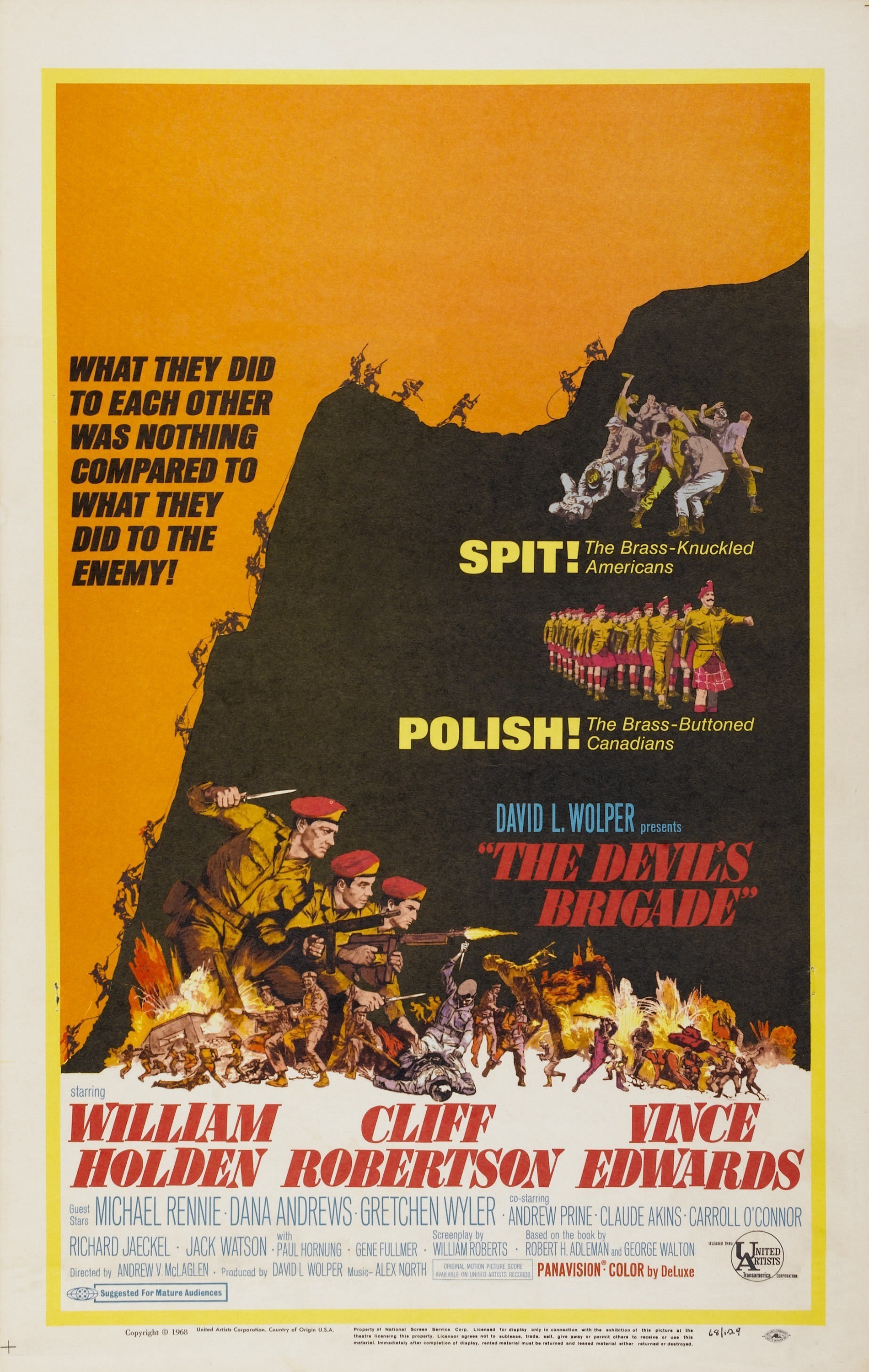
The Devil's Brigade (1968)

During World War II, a special fighting unit is formed that combines a crack Canadian Army unit and a conglomeration of U.S. Army misfits who had previously served time in military jails. After an initial period of conflict between the two groups, their enmity turns to respect and friendship, and the unit is sent Italy to attempt a dangerous mission that has heretofore been considered impossible to carry out.
What they did to each other was nothing compared to what they did to the enemy!
Maj. Alan Crown: ...The most memorable compliment came from their commandin' officer; and he referred to us as Der Teufel Brigade'... Members of The Devil's Brigade.
[Toasting Col. Frederick]
Maj. Alan Crown: Long life to the Devil!
[the Brigade cheers their Colonel]
Pvt. Hugh MacDonald: [the soldiers are looking at William Holden as he leaves, having addressed them prior to the big battle] "Have you never heard a man say goodbye?"
Santa Elia Fiume Rapido, Italy
Camp Williams National Guard Base, Lehi, Utah, USA
Wasatch Mountain State Park, Midway, Utah, USA
Corner Canyon, Draper, Utah, USA
Jordan River, Lehi, Utah, USA
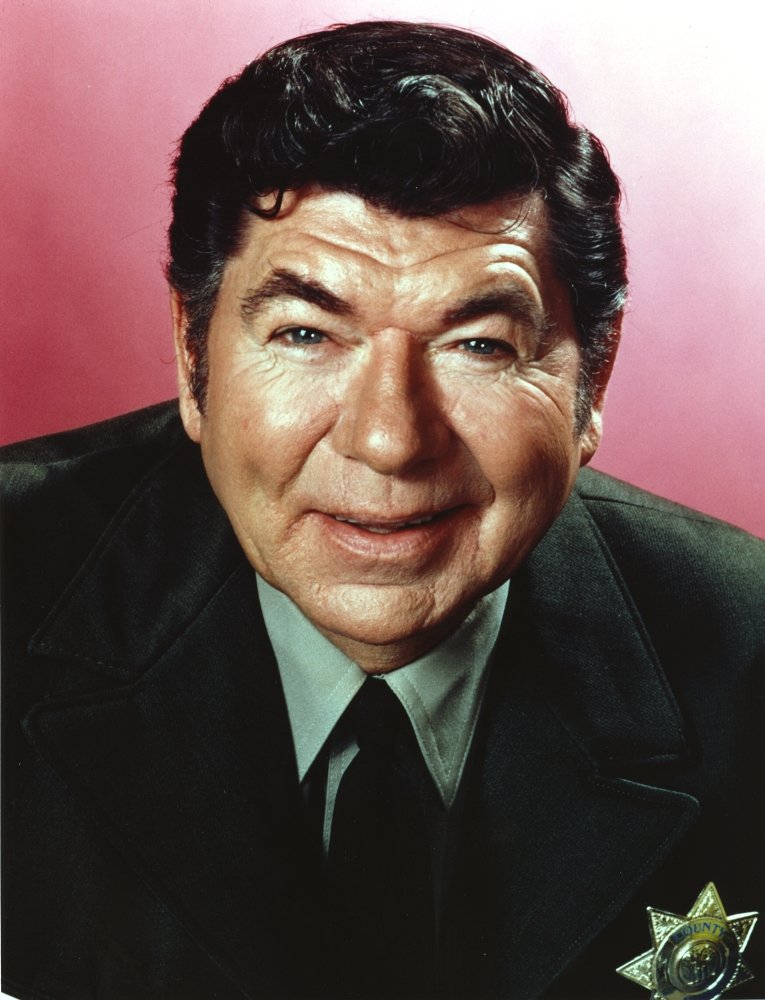
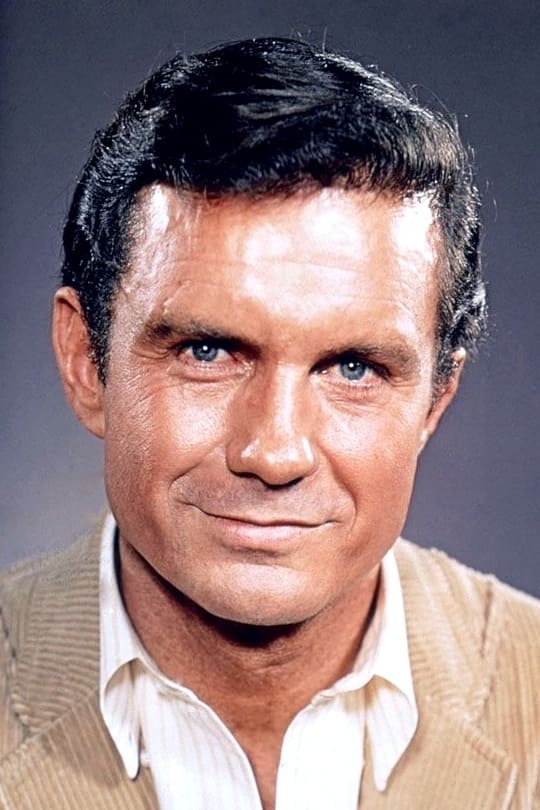
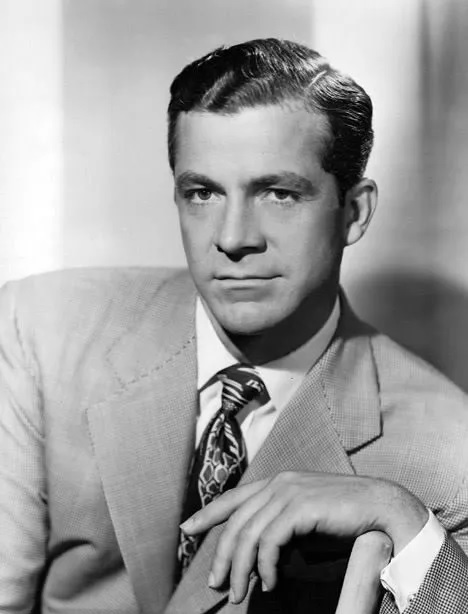
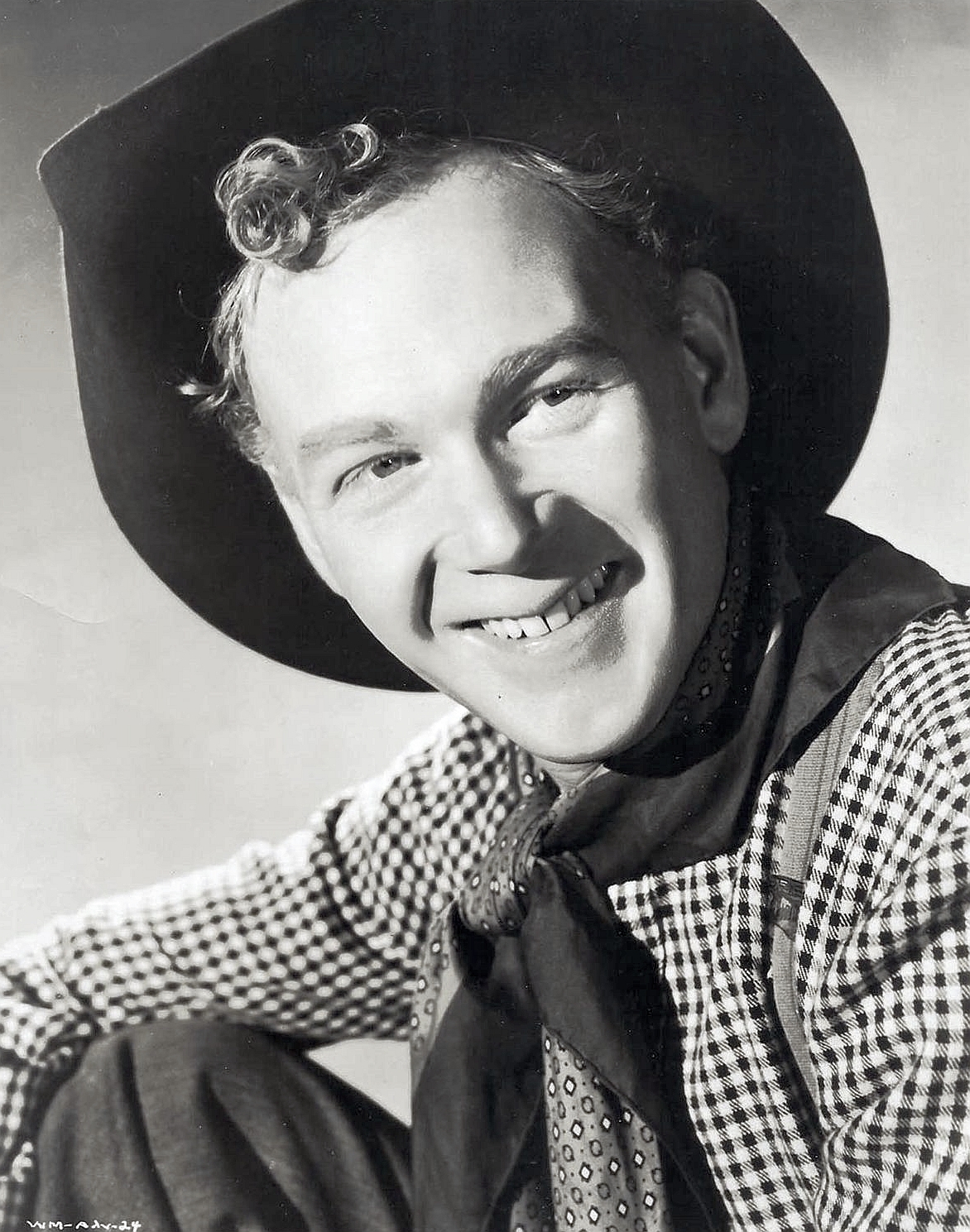
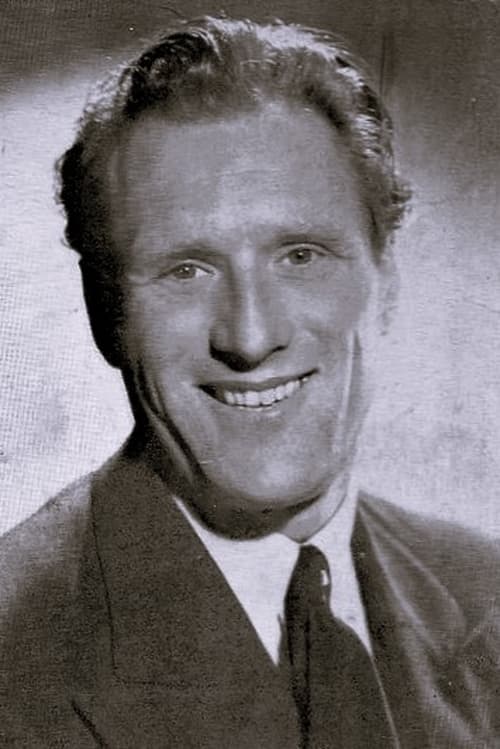
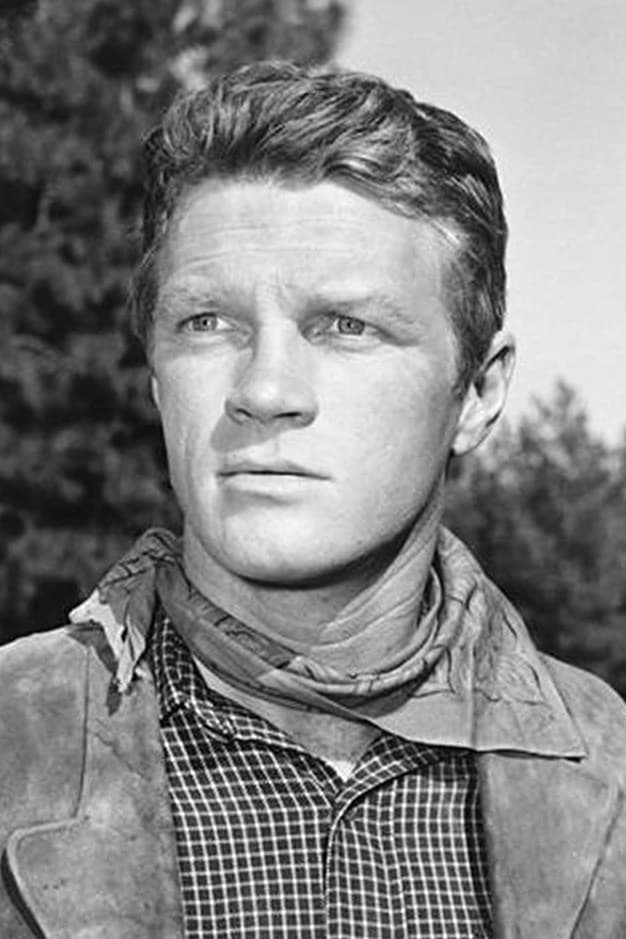
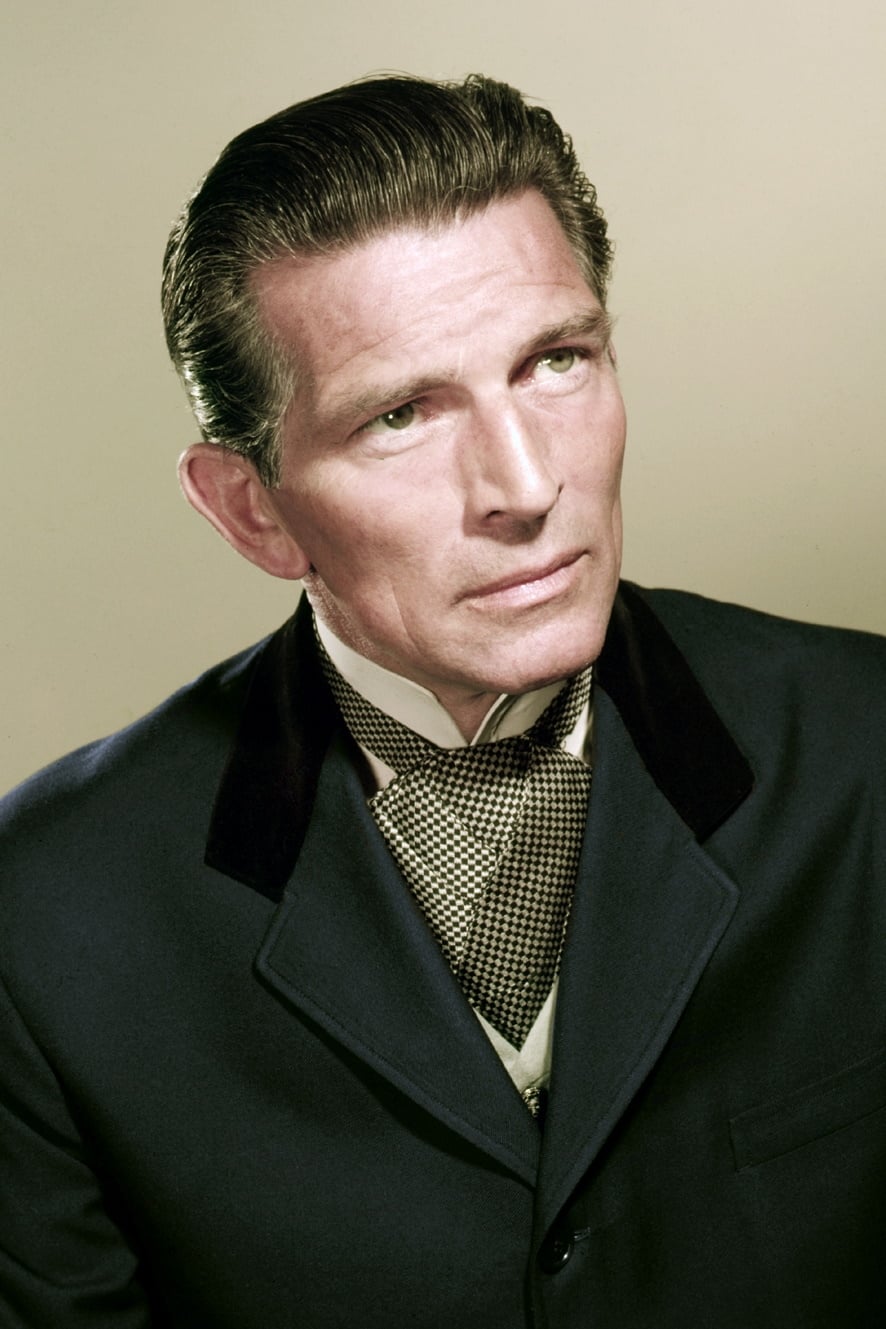
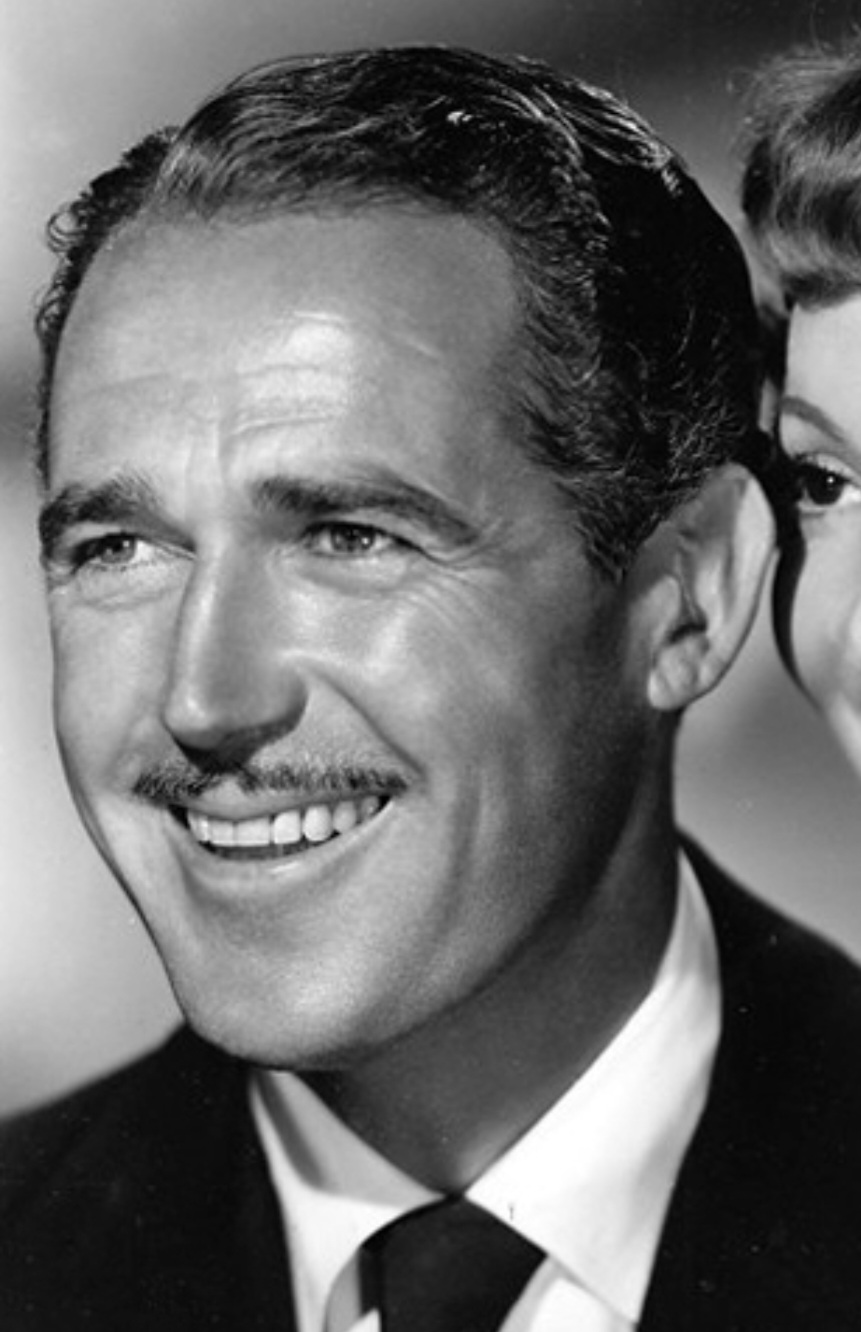
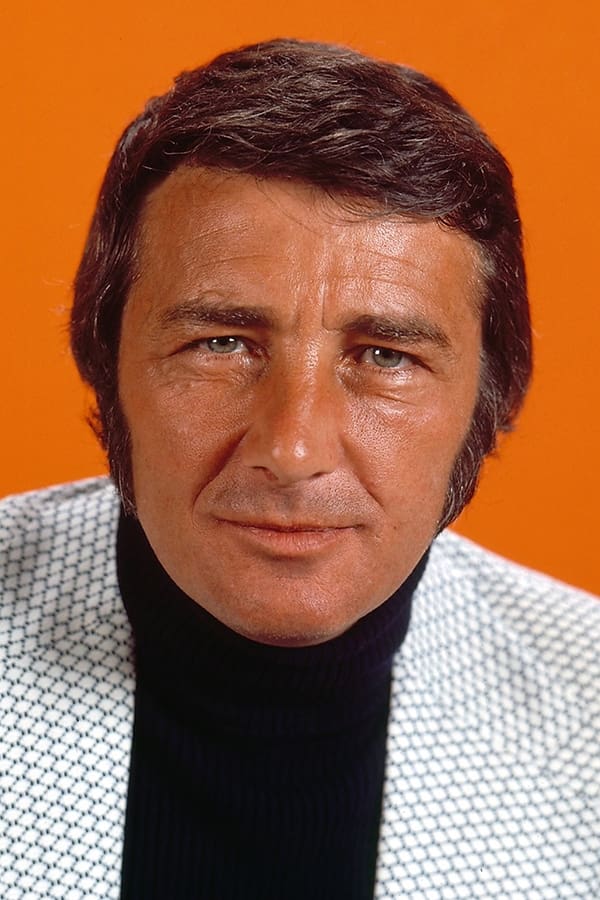
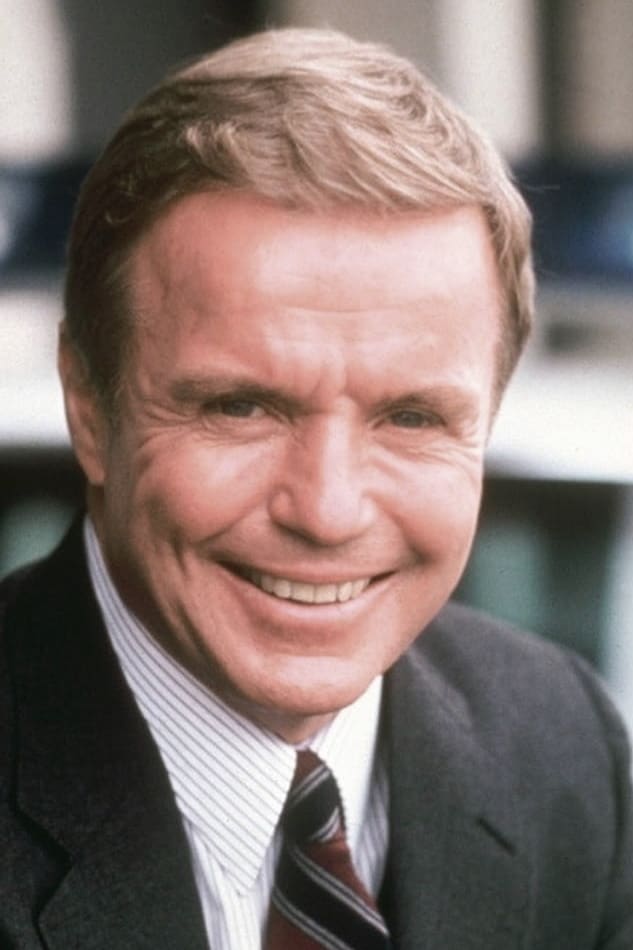
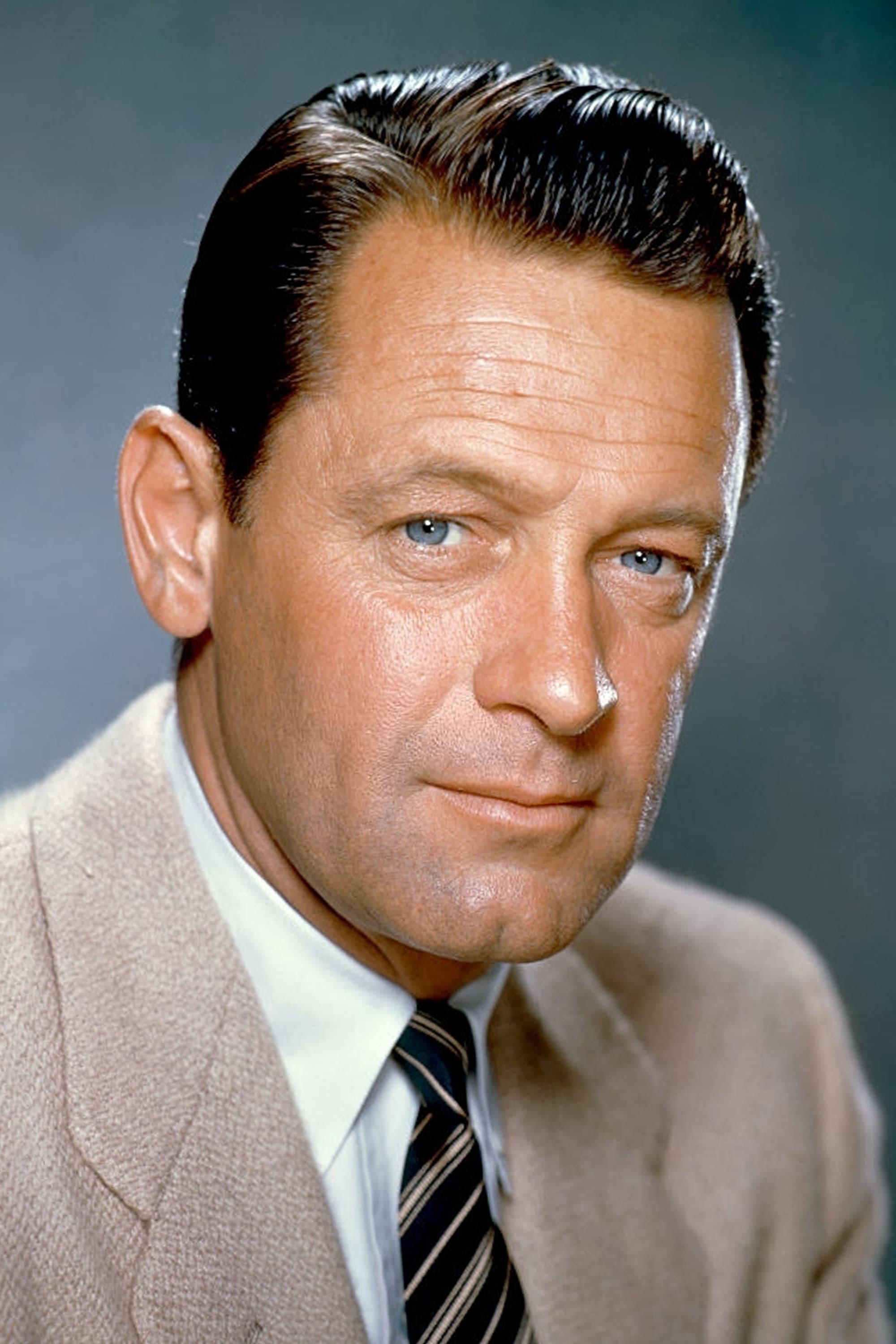
The Devil's Brigade actually existed; its formal military designation was the First Special Service Force (FSSF), and alternatively known as the "Black Devils". It was indeed a joint American-Canadian unit, was comprised of three regiments of two battalions each, and was envisioned for difficult, cold-weather, mountain-warfare missions. The members were known as "Forcemen". Initially earmarked for Northern Europe, the FSSF was first sent to the Pacific, then to the Italian campaign, before finishing its service in southern France in 1944. During World War II, the brigade suffered casualty rates of 39%. Upon disbandment in 1944, each nations' Forcemen were incorporated into their national armies. Veterans of the Devil's Brigade have been meeting each year since 1945, in Montana, at the former training facility depicted in the movie, although in the movie, filming took place in Utah, as a stand-in for Montana.
On the 30-mile hike, Maj. Bricker (Vince Edwards) tells the US troops, "Alright now--look alive! I know this is route step, but shape up!". "Route step" is a marching maneuver where troops don't have to keep cadence (stay in step) but should keep distance, interval, and alignment. This is similar to "At ease, march" but you are allowed to talk. Route step is primarily used when marching over bridges that may or may not be safe. Marching in cadence could create sympathetic vibrations in the bridge that could cause a collapse.
The First Special Service Force is considered to be the predecessor to the US Army Special Forces (aka The Green Berets).
When O'Neill arrives, the regiment patch on his shoulder reads PPCLI. This stands for the Princess Patricia's Canadian Light Infantry, a real regiment, named for Princess Patricia of Connaught. It originated in Ottawa, Ontario, in August 1914, later based in the area of Edmonton, Alberta, and continues as an active unit as of 2015. The "Patricia's" celebrated their 100th anniversary in 2014.
William Holden was 15 years older than his character.
Continuity
When Rocky Rockman is being interrogated during the capture of the town he gives his rank as corporal. Earlier he was wearing sergeants stripes.
Ransom is killed early on in the battle at Mount Defensa but he is seen much later in the battle still alive and engages and kills a German soldier in hand to hand combat.
Factual errors
The U.S. enlisted personnel in the First Special Service Force were not criminals and the unwanted of other units. Lt. Col. Frederick kept recruitment for the Force limited to volunteers with "outdoors" backgrounds suitable for the special missions the force was envisioned for.
Although the crossed-arrows insignia worn in the film by the First Special Service Force were fact, the red berets were pure fiction. All members of the Force eventually wore U.S. Army dress uniforms with U.S. paratrooper boots and distinctive red,white, and blue braided shoulder loops, overseas cap piping, and parachute wing backings.
At the training graduation they are wearing Ike jackets. The Ike jacket was not introduced at that time. They should be wearing the service coat, four pockets with brass buttons.
During the raid on the German encampment the tanks the Germans had were actually American Walker Bulldogs with German insignia on them.
Major Crown informs Colonel Frederick that he and many of the Canadians fought at Dunkirk. In fact only one Canadian battalion of the Hastings and Prince Edward Regiment served in France (not the PPCLI as seen in the film.) It was part of the 2nd British Expeditionary Force and never reached as far east as Dunkirk but was evacuated in Operation Ariel through Brest. While it is possible Crown and a few men might have served directly with the British, the claim that many of the Canadians were at Dunkirk is improbable.
Incorrectly regarded as goofs
Canadians do not consider the term "Canuck" to be disparaging. If they did, there would not have been an aircraft flown by the RCAF called the CF-100 Canuck nor would there be an NHL Hockey team called the Vancouver Canucks. However, many Americans do consider Canuck to be a derogatory term, and use it as such.
At the "graduation ceremony" the national flags used are the US Flag and the British Union Jack. While the Red Ensign was the popular but unofficial flag for Canada during the war, the First Special Service Force used the Official flags, the US and Union Flags.
Revealing mistakes
As with all such movies of its time, all of the German heavy equipment (tanks, artillery, etc.) are actually American equipment.
When the Germans from the shower are captured and brought out wearing towels, the camera angles that ensue reveal that they are actually wearing underwear under the towels.
As Colonel Fredrick Was Addressing The Lieutenant In Charge Of The Arrival Detail, A Small Town, Cars And Other Vehicles Can Be Seen In The Background.
At the 1:24:11 mark the German tanks (which of course are American equipment of the time of the production), has a US 50 CAL M2 Browning at the commanders station.
Miscellaneous
The movie's opening credits shows the copyright date to be MCMXLVIII in Roman numerals, the meaning of which is 1948. The correct copyright in Roman numerals should read MCMLXVIII, meaning the actual copyright date of 1968.
As the Canadian contingent marches in to the Fort is is apparent that many of the kilted Soldiers are not wearing Sporrans, the leather "purse" worn with the kilt. Only about one out of every 6 or 7 is wearing one. They should all be wearing them.
Anachronisms
On Colonel Frederick's office map, Poland has its post-1945 borders and Germany is divided into the postwar East Germany and West Germany.
The leather gear used by the Brigade in the film (boots, pistol holsters, etc.) is black; black leather gear wasn't adopted by the US Army until the late 1950s.
When the Canadian Unit is marching into the camp, the drummers in the Pipe Band are shown playing Rose Morris "Clansman" side drums. These were not manufactured until the early 1960's.
The Canadian flag shown in the ceremony near the end of the film wasn't adopted until 1964. At the time depicted in the movie, Canada still used a "modified Union Jack" type of flag called the Red Ensign.
At the birthday party in Italy, they are drinking 1960's Miller High Life Beer cans.
Audio/visual unsynchronized
When the Canadians first arrive preceded by a pipe band, at one point the drummers cease drumming but the sound of drums continues on the soundtrack.
Crew or equipment visible
On the 30 mile march when the men cross the river a camera crew on a dolly can be seen on the bridge at the left hand side for a few seconds.
Plot holes
When Major Crown approaches the German officer to accept his surrender, he lays his weapon down then walks forward unarmed. No soldier in any Army would ever put his weapon down in such a situation and leave himself so vulnerable.
Character error
At the beginning of the film Captain Cardwell draws a handgun and shoots a rattlesnake, then twirls the pistol before holstering it. An experienced gun-hand would never twirl a double action revolver for fear of an accidental discharge. However, the double action pull weight is about 14 pounds so it could be spun without causing a discharge.
William Holden was too old to play Gen Frederick, Frederick was only 35 when the 1st Special Service Force was formed.